Skip to content


Short answer: The bedroom is where dust mite management matters most — you spend 6–8 hours there every night in close contact with the surfaces where mites accumulate. The peer-reviewed evidence supports a multi-step approach: tightly-woven mattress and pillow covers, weekly hot-water washing of bedding (60°C where care labels allow), HEPA vacuuming, and maintaining bedroom humidity below 50%. No single step is enough on its own — the combination is what makes the difference.
If you've been searching for information on mites in bed, you're likely dealing with dust mites — the microscopic creatures that live in the warm, humid environment of mattresses, pillows, and bedding. They're a common part of indoor environments worldwide and tend to be the most concentrated source of dust-related particles in most homes. This guide from Dust Mite Allergy Solutions covers what bed mites are, how to tell them apart from bed bugs, whether they bite, and the peer-reviewed practical steps for reducing them. For a full overview of the bedroom environment, see the low allergen bedroom guide.
What Are Mites in Bed?
"Bed mites" is a common term for dust mites — tiny arachnids (related to spiders rather than insects) that live in the warm, humid microenvironment of beds, mattresses, and bedding.
Adult dust mites measure approximately 0.2–0.3 mm — about a quarter to a third of a millimetre — and are not visible to the naked eye. Research by Arlian (1992) in Experimental and Applied Acarology established that dust mites need ambient humidity above approximately 65–70% to maintain their water balance, and they feed on shed human and pet skin cells. Beds provide both:
- Warmth: Body heat creates a warm environment within bedding
- Moisture: Sleepers release moisture overnight through perspiration and breathing
- Food: Adults shed roughly 0.5–1 gram of skin cells daily, much of which collects in bedding
Dust mites themselves don't bite or live directly on people. They are commonly associated with indoor sensitivities because their faecal particles (typically 10–40 microns in size) and body fragments accumulate in bedding over time. People who are sensitive to these particles may notice symptoms when in close contact with bedding.
Dust Mites vs Bed Bugs: How to Tell Them Apart
Dust mites and bed bugs are sometimes confused because of similar-sounding names, but they're very different creatures with different management approaches.
| Feature | Dust Mites | Bed Bugs |
|---|---|---|
| Size | 0.2–0.3 mm (microscopic) | 4–5 mm (visible to naked eye) |
| Type | Arachnid (related to spiders) | Insect |
| Diet | Shed skin cells | Blood |
| Bites? | No | Yes |
| Visibility | Requires microscope | Visible by sight |
| Where they live | Inside bedding, mattresses, soft furnishings | In cracks, seams, behind furniture, in luggage |
| Management | Environmental measures (covers, washing, humidity) | Typically requires professional pest control |
If you find what looks like an actual bug in your bed (visible by sight, reddish-brown, flat oval shape), it's not a dust mite — dust mites are too small to see. For more on this distinction, see the article on dust mite vs bed bug bites.
Do Bed Mites Bite?
No — dust mites do not bite humans or animals. They lack the mouthparts needed to bite or sting, and they feed on shed skin cells rather than blood or tissue.
The misconception that "dust mites bite" often comes from people experiencing skin irritation in bed and assuming bites are responsible. In most cases, indoor sensitivities to dust mite particles cause itchy or irritated skin without any actual biting occurring. The faecal particles and body fragments dust mites leave in bedding can be associated with skin sensitivities, particularly in people with eczema or sensitive skin.
If you're seeing distinct bite marks (typically clustered in lines or groups, often on exposed skin), this points more toward bed bugs, mosquitoes, or other biting insects — not dust mites.
How Do Mites Get in Your Bed?
Dust mites get into beds primarily through small particles in air currents, on clothing, on bedding, and on other fabric items. They're already present in most homes — they don't need to be introduced from outside.
Once they reach a bed, the conditions there are ideal for them to settle and reproduce:
- The warm microenvironment from sleepers' body heat
- Moisture from overnight perspiration and breathing
- A continuous food supply of shed skin cells
- Fabric structures (mattress padding, pillow filling) that provide habitat
The number of mites in any particular bed depends on factors like indoor humidity, mattress age, frequency of washing bedding, presence of carpet, and use of protective covers. Bedrooms in humid climates (such as much of subtropical Australia) tend to have higher dust mite pressure than bedrooms in dry climates.
How to Reduce Mites in Your Bed: 10 Practical Steps
The peer-reviewed evidence consistently supports a multi-step approach. The 2018 review by Wilson and Platts-Mills in the Journal of Allergy and Clinical Immunology: In Practice concluded that the odds of successful avoidance are much higher with multi-faceted approaches. Individual results will vary.
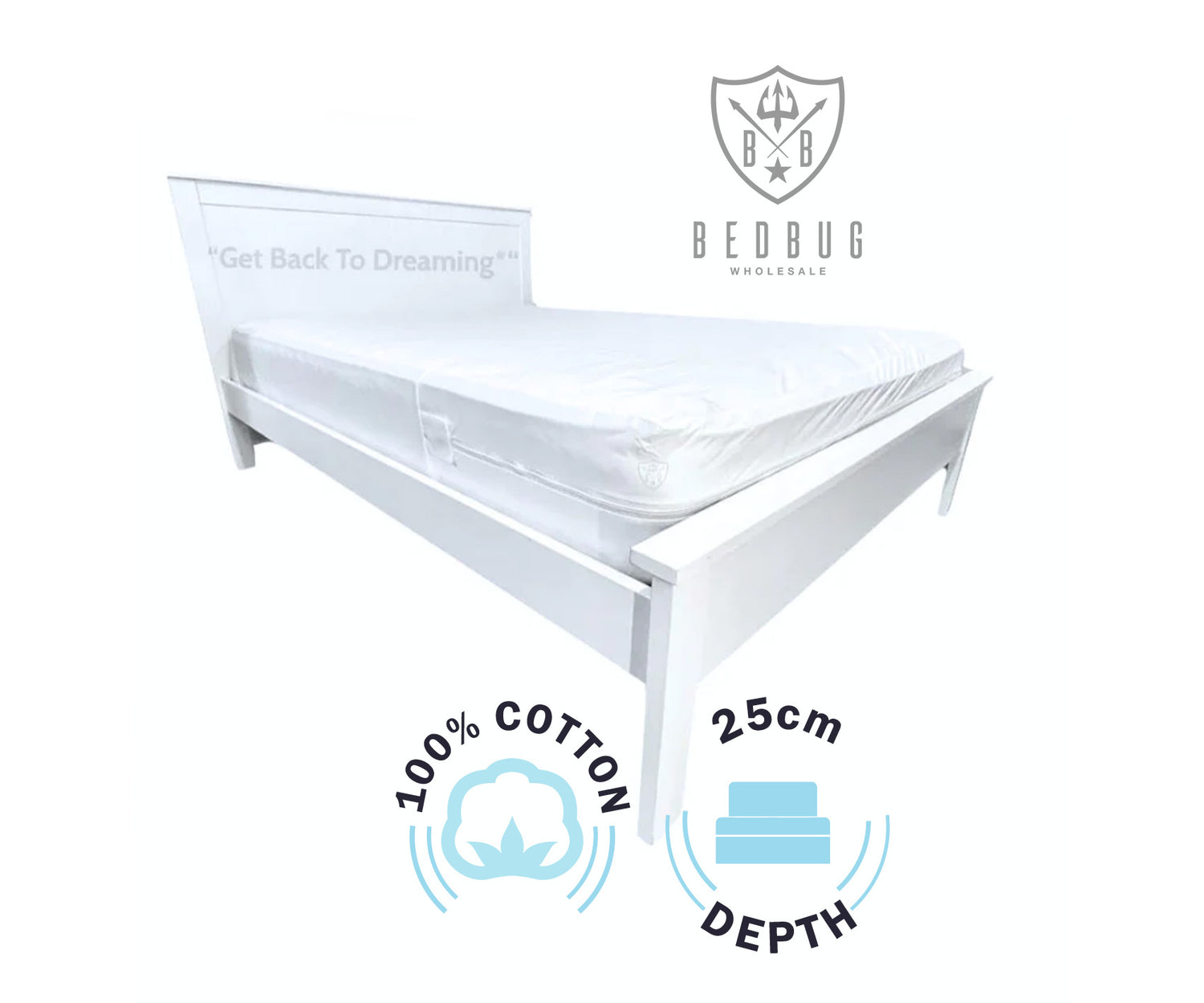
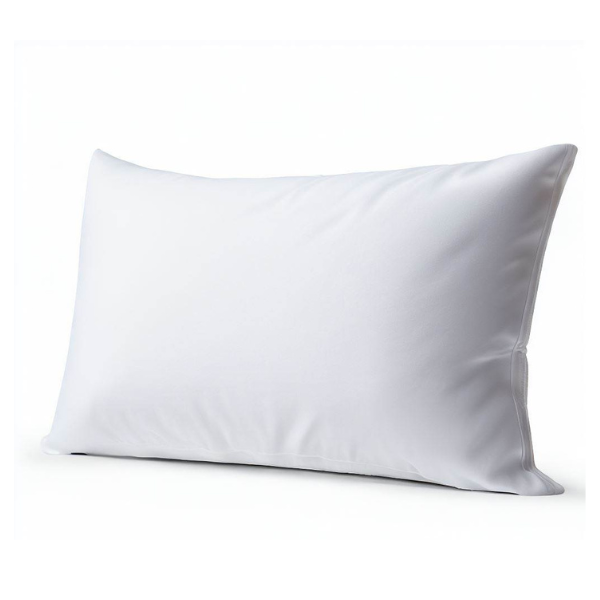
1. Cover your mattress, pillows, and quilt with allergy-aware protectors
This is the most well-supported single intervention. A 2003 randomised controlled trial published in the Journal of Allergy and Clinical Immunology (Halken et al., 2003) found that mattress and pillow encasings were associated with significant long-term reductions in dust mite allergen concentrations over 12 months. Individual results will vary.
Allergy-aware bedding protectors use tightly-woven fabric to create a physical barrier between sleepers and the particles inside bedding. The Wilson and Platts-Mills (2018) review specifically identified woven fabrics as effective barriers, while noting that nonwoven materials allow mite passage.


2. Choose anti-allergy or hypoallergenic bedding where appropriate
Anti-allergy and hypoallergenic bedding options include pillows, quilts, and mattress toppers designed with materials and construction features that may be less prone to particle build-up.
Worth noting: "hypoallergenic" is a marketing term, not a regulated certification. The most important features are tightly-woven fabric, washability at high temperatures, and ease of regular cleaning.
3. Use breathable, washable bed sheet materials
Tightly-woven natural fibres like cotton, bamboo, or silk are often recommended for allergy-aware households. These fabrics tend to be breathable (which helps reduce moisture build-up) and generally wash well at higher temperatures. The most important factor is whether the sheets can be regularly washed in hot water — temperature and washing frequency matter more than the specific fibre type.
4. Wash bedding regularly in hot water
Research published in the Journal of Allergy and Clinical Immunology (McDonald and Tovey, 1992) found that water temperatures of 55°C or above are associated with reductions in dust mite populations in bedding. Individual results will vary. Most Australian guidance — including from ASCIA — recommends 60°C, which provides a margin above this threshold. Wash sheets and pillowcases weekly where care labels allow.
Useful nuance from the same study: even cold-cycle washing reduced allergen levels by more than 90%, even though it doesn't kill mites. So washing has practical value at any temperature you can manage with your fabric care label.
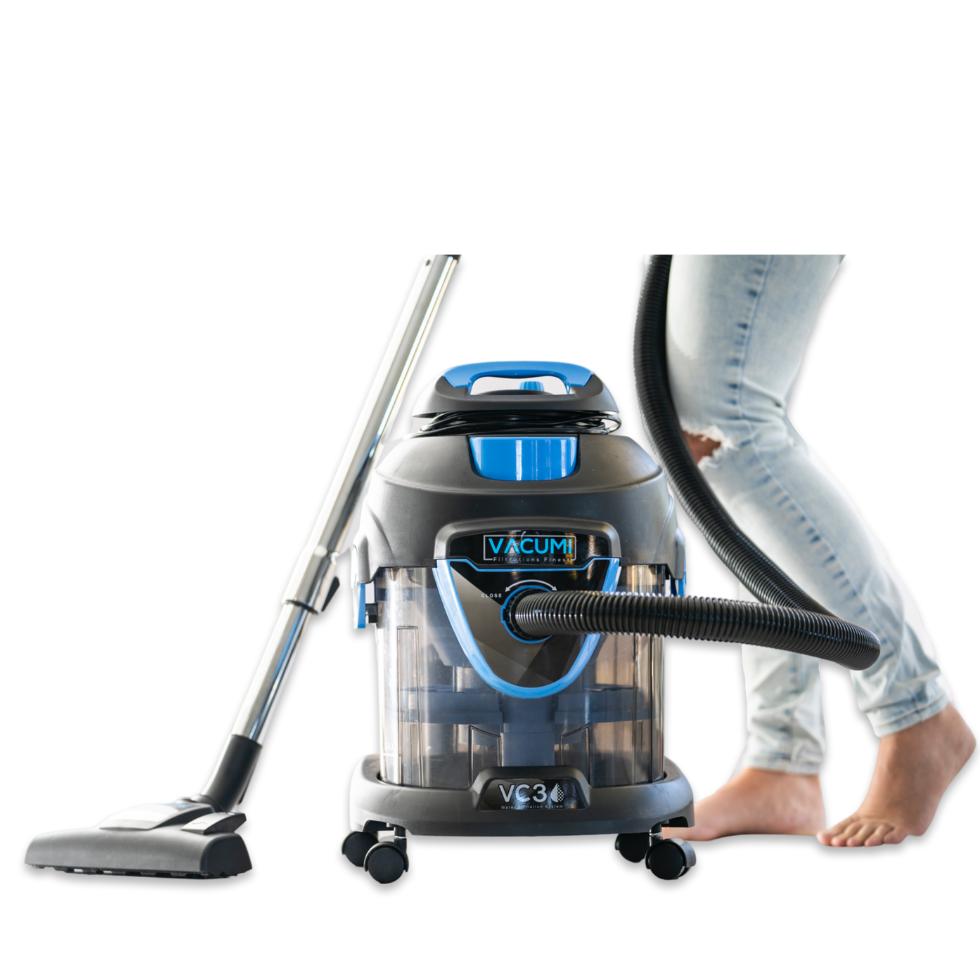
5. Vacuum the mattress with a HEPA-filtered vacuum
Research published in the Journal of Asthma (Wu et al., 2012) found that daily mattress vacuuming over 8 weeks was associated with approximately 85% reductions in total dust mite allergens. Individual results will vary. While daily vacuuming isn't practical for most households, weekly mattress vacuuming with a HEPA-filtered vacuum is a meaningful practical step. Pay particular attention to seams, corners, and crevices where particles tend to accumulate.


6. Steam clean soft furnishings
Research published in Clinical and Experimental Allergy (Colloff, Taylor and Merrett, 1995) found that domestic steam cleaning of carpets was associated with approximately 87% reductions in dust mite allergen concentrations in real-home testing. Individual results will vary. High-temperature steam can also be applied to mattresses, upholstered furniture, and curtains where the fabric allows. Always check the manufacturer's guidance for both the steam cleaner and the item being cleaned.
7. Freeze items that can't be washed
Soft toys, decorative cushions, and other items that can't tolerate hot washing can be placed in a sealed bag and frozen for at least 24 hours. After freezing, vacuum or wash on a cooler cycle to remove the residue. This is particularly useful for items in children's rooms.
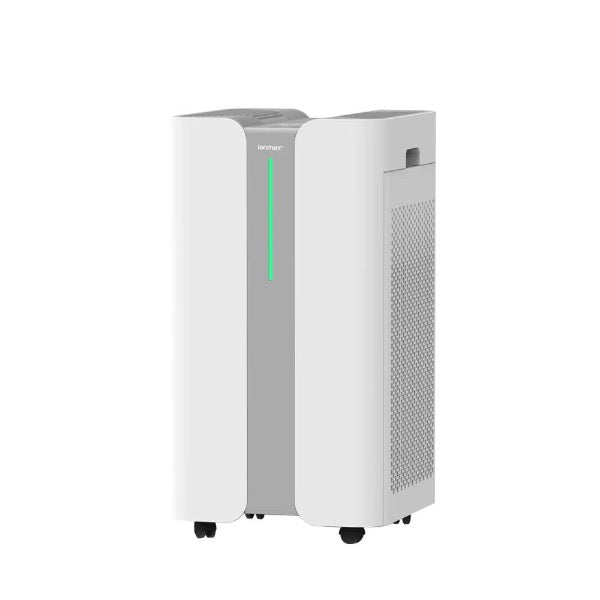
8. Use a HEPA-filtered air purifier
An air purifier with a HEPA filter can help capture fine airborne particles, particularly when running in the bedroom overnight. Air purifiers don't reach particles settled deep in mattresses or carpets, so they work best alongside cleaning and protective covers. Look for a unit sized appropriately for your bedroom — coverage area is usually given in the product specifications.


9. Reduce indoor humidity to below 50%
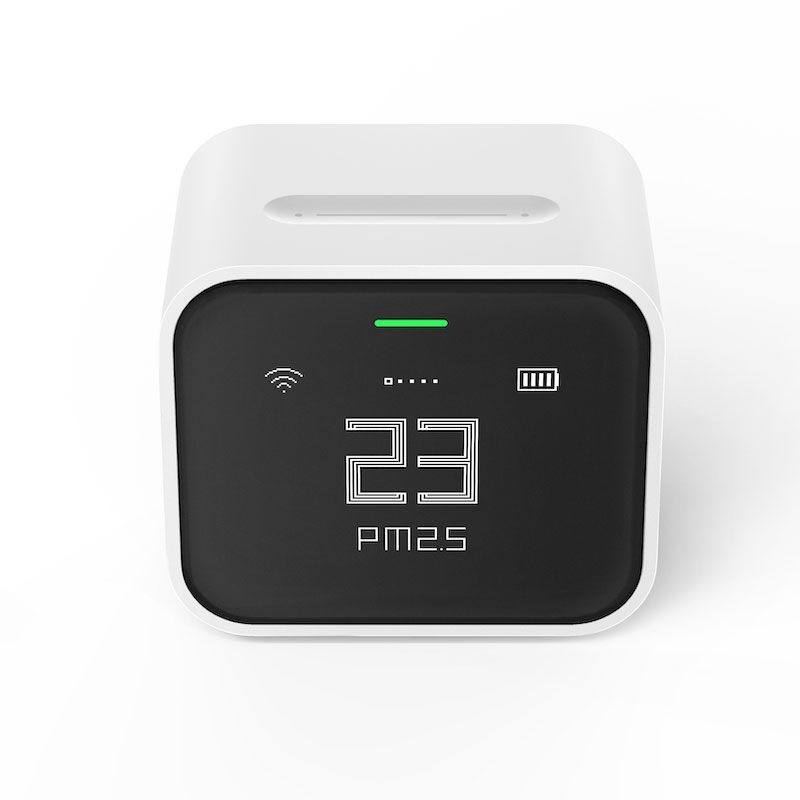
Research published in the Journal of Allergy and Clinical Immunology (Arlian et al., 2001) found that homes maintaining indoor humidity below 51% over 17 months saw dust mite populations decline by approximately 98% — without any other interventions. Individual results will vary. Use a dehumidifier, air conditioner, or improved ventilation. An air quality monitor or hygrometer is useful for tracking humidity levels in different rooms. For more on managing indoor air quality, see the air quality and dust mites guide.


10. Consider hard flooring instead of carpet
Carpets tend to accumulate dust and skin cells, providing additional habitat for dust mites. Hardwood, tile, or vinyl flooring can be more practical for allergy-aware bedrooms. If you have carpet, vacuum at least weekly with a HEPA-filtered vacuum, and consider periodic steam cleaning.
Maintain a regular cleaning routine
Consistency matters more than intensity. Weekly washing of bedding, regular HEPA vacuuming, and periodic deeper cleans of soft furnishings tend to make a bigger long-term difference than occasional deep-clean efforts. For a fuller, room-by-room approach, see the deep cleaning for dust mite allergies guide.
Not sure where to start?
Take the quick quiz to find the most suitable products for your household and allergy situation.
Take the quiz →Frequently Asked Questions
How many dust mites are in a typical bed?
Estimates vary widely depending on indoor conditions, mattress age, and use of protective measures. Older mattresses in humid environments without covers can host very large dust mite populations, while newer mattresses with regular cleaning and covers have much lower populations. The honest answer is that exact numbers aren't easy to verify and depend heavily on each home's specific conditions. The practical approach is to focus on reducing populations through proven methods rather than estimating absolute numbers.
Can you see dust mites in your bed?
No — dust mites are too small to see with the naked eye. Adult dust mites measure 0.2–0.3 mm and require a microscope with at least 10x magnification to observe properly. If you can see something in your bed by sight, it's not a dust mite. Common visible items that get mistaken for dust mites include lint, fabric fibres, dust particles, dead skin cells, or — in some cases — actual bed bugs (which are 4–5 mm and visible).
Do dust mites bite humans?
No, dust mites do not bite. They lack the mouthparts to bite, and they feed on shed skin cells rather than blood or tissue. Skin irritation that's sometimes attributed to "dust mite bites" is more accurately related to indoor sensitivities to their faecal particles and body fragments. If you have actual bite marks, consider other possible sources such as bed bugs, mosquitoes, or fleas.
What reduces dust mites in bedding?
Hot water washing at 55°C or above is the most well-supported method for reducing dust mite populations in washable bedding (McDonald and Tovey, 1992). Individual results will vary. For non-washable items, freezing for at least 24 hours can be used as an alternative. For mattresses and upholstery, steam cleaning has been shown to be associated with substantial reductions in dust mite populations (Colloff et al., 1995). Note that most dust mite particles in bedding are accumulated faecal matter and body fragments, which need to be removed through washing or vacuuming regardless of whether the mites themselves are killed.
How often should I wash my bedding to reduce dust mites?
Wash sheets and pillowcases weekly in hot water (60°C) where care labels allow. Wash mattress protectors and pillow protectors every 1–2 months. Wash quilts and quilt covers every 3–4 months or as care labels allow. Wash blankets and other less frequently used bedding at least every few months.
Do dust mite covers really work?
Yes, peer-reviewed research supports them. The Halken et al. (2003) randomised controlled trial found that mattress and pillow encasings were associated with significant long-term reductions in dust mite allergen concentrations. Individual results will vary. Effectiveness depends on fabric construction (tightly-woven works; nonwoven doesn't), encasement design (full encasement is more effective than fitted-sheet style), and regular washing.
Can I get rid of dust mites completely?
Complete elimination isn't realistic. Dust mites are a normal part of indoor environments and recover quickly after any single treatment. However, populations can be significantly reduced through consistent measures. The Arlian et al. (2001) study found that humidity control alone was associated with approximately 98% reduction in dust mite populations over 17 months, and combining this with covers, washing, and vacuuming makes practical reduction even more effective.
How long does it take to see results from reducing dust mites?
Most allergy-aware households start noticing differences within a few weeks of consistent changes — particularly hot washing of bedding, fitting covers, and lowering humidity. Some people notice quicker improvement; others find it takes a couple of months. The peer-reviewed studies cited in this article generally measured outcomes over months rather than days, so consistency matters more than speed.
References
This article draws on the following peer-reviewed research:
- Arlian LG. (1992). "Water balance and humidity requirements of house dust mites." Experimental and Applied Acarology, 16(1-2):15-35. PubMed
- McDonald LG, Tovey E. (1992). "The role of water temperature and laundry procedures in reducing house dust mite populations and allergen content of bedding." Journal of Allergy and Clinical Immunology, 90(4 Pt 1):599-608. PubMed
- Colloff MJ, Taylor C, Merrett TG. (1995). "The use of domestic steam cleaning for the control of house dust mites." Clinical and Experimental Allergy, 25(11):1061-1066. PubMed
- Arlian LG, Neal JS, Morgan MS, et al. (2001). "Reducing relative humidity is a practical way to control dust mites and their allergens in homes in temperate climates." Journal of Allergy and Clinical Immunology, 107(1):99-104. PubMed
- Halken S, Høst A, Niklassen U, et al. (2003). "Effect of mattress and pillow encasings on children with asthma and house dust mite allergy." Journal of Allergy and Clinical Immunology, 111(1):169-176. PubMed
- Wu FF, Wu MW, Pierse N, Crane J, Siebers R. (2012). "Daily vacuuming of mattresses significantly reduces house dust mite allergens, bacterial endotoxin, and fungal β-glucan." Journal of Asthma, 49(2):139-143. PubMed
- Wilson JM, Platts-Mills TAE. (2018). "Home Environmental Interventions For House Dust Mite." Journal of Allergy and Clinical Immunology: In Practice, 6(1):1-7. PubMed
Related Guides
What are the Benefits of Mattress Protectors?
How allergy-aware protectors work and what the research shows.
Dust Mite Covers – Your Comprehensive Guide
How to choose the right cover for mattress, pillow, and quilt.
How Often to Wash Bedding to Reduce Dust Mites
Washing frequency, temperatures, and what the evidence says.
How to Reduce Dust Mites in Your Mattress – Step-by-Step
Vacuuming, encasements, washing, and more.
Do Air Purifiers Work for Dust Mite Particles?
Evidence-based look at air purifiers in allergy-aware homes.
Humidity, Mould and Dust Mites
How humidity affects dust mite build-up and what to do about it.
Does Sun Kill Dust Mites?
What the research says about sunlight and dust mite management.
Bites – Bed Bugs or Dust Mites?
How to tell them apart and what to do about each.