 Skip to content



Ionmax
Ionmax Vienne ION630 Desiccant Dehumidifier 10L/day | AU
Ionmax Vienne ION630 Desiccant Dehumidifier 10L/day | AU
Couldn't load pickup availability
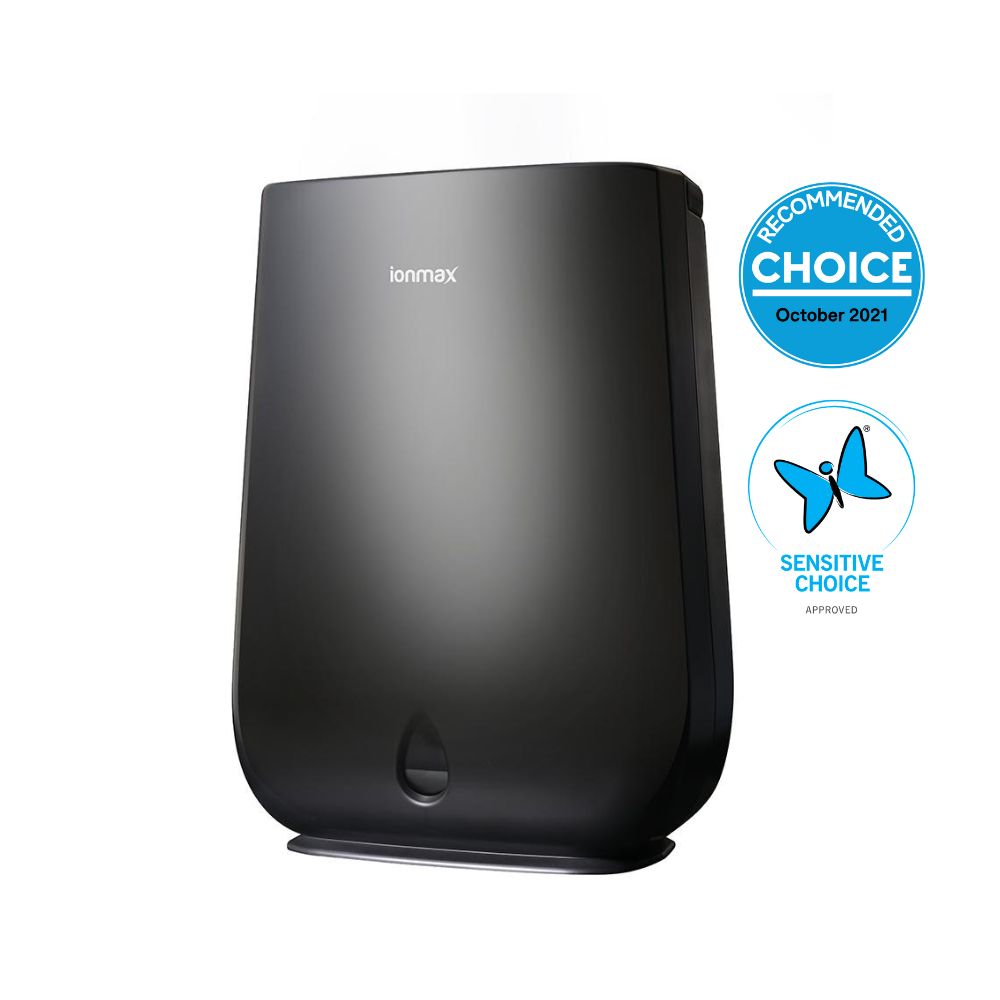
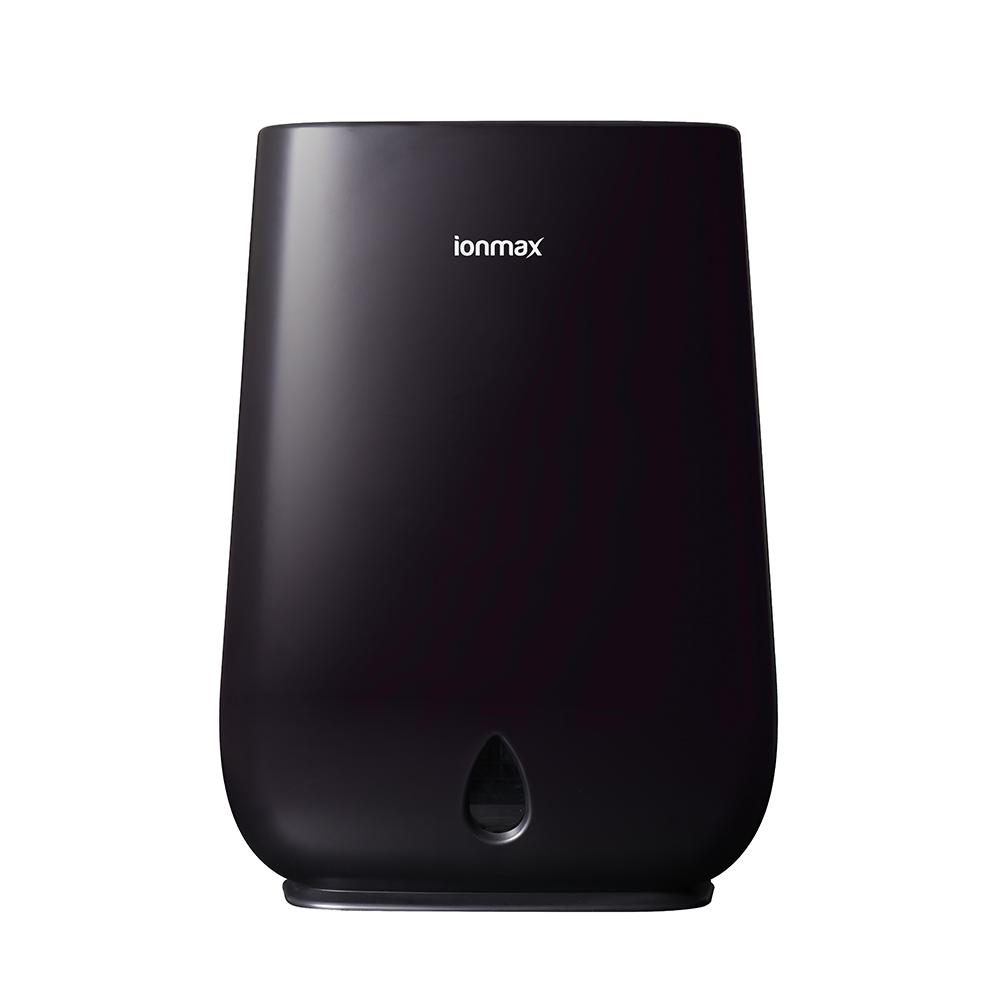
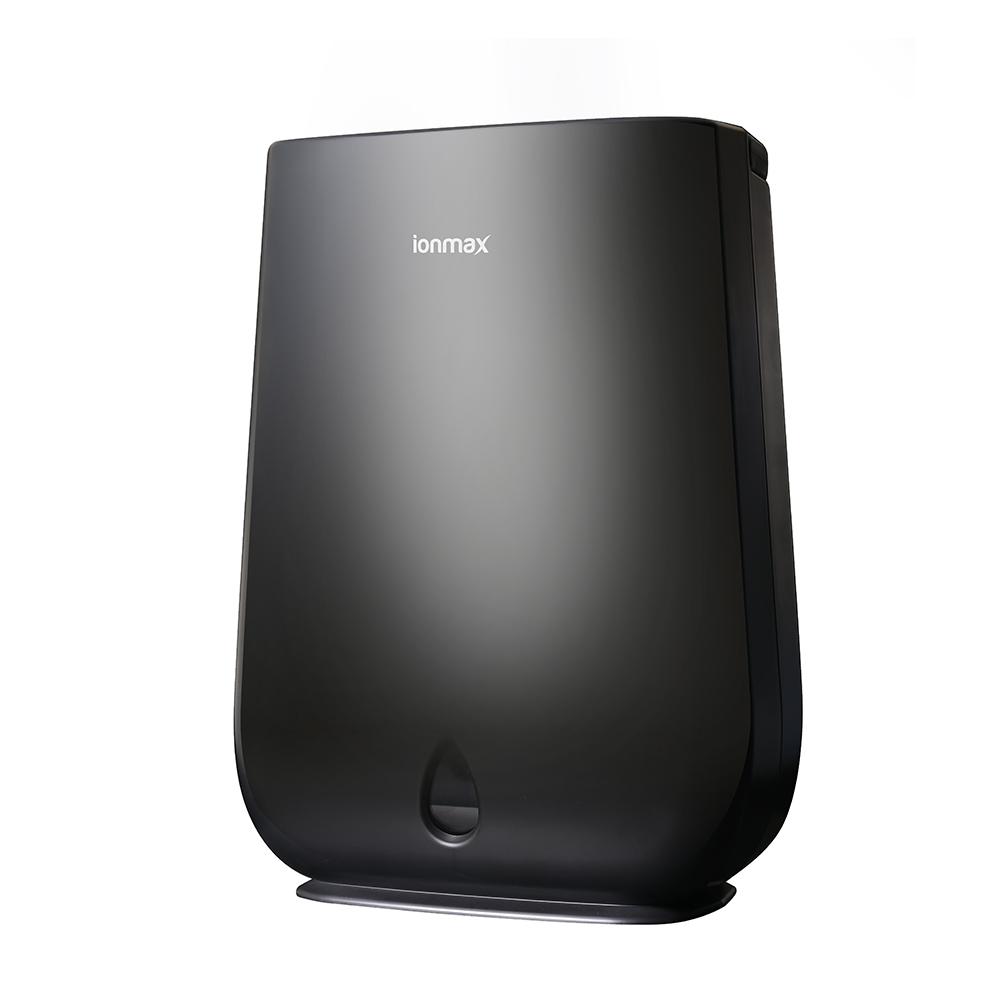
The Ionmax Vienne ION630 is a 10L/day desiccant dehumidifier for spaces up to 42 m², with a built-in humidistat, digital display, and negative ion generator. CHOICE Recommended.
Who it's for
Australian households dealing with humidity in cooler climates — basements, garages, laundries, bedrooms, and apartments where compressor-style dehumidifiers struggle. Desiccant units like the ION630 keep working at temperatures down to 1°C, which is where compressor models lose efficiency. Useful for households reducing conditions favourable to mould growth and dust mite activity, both of which thrive when indoor relative humidity climbs above 60%.
Key features and specifications
- Daily dehumidification: 10 L/day (rated at 20°C, 60% RH)
- Coverage: up to 42 m²
- Operating temperature range: 1°C – 40°C
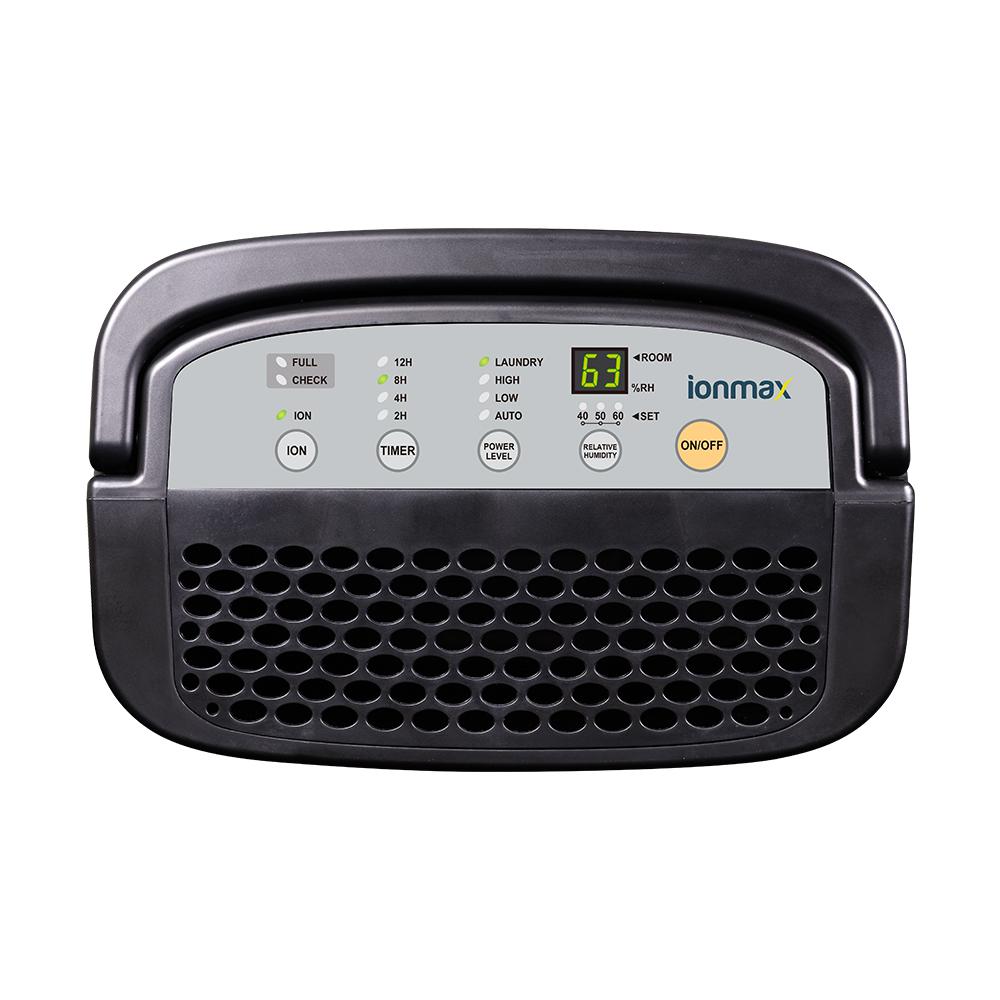
- Humidity setting range: 40–60% RH in 5% increments
- 4 power modes: Auto, Low, High, Laundry (Continuous)
- Tank capacity: 4.2 L
- Continuous drainage option (via supplied hose)
- Built-in humidistat (auto-shutoff when tank full; auto-restart after power cut)
- Negative ion generator
- Reusable air filter (vacuum-clean periodically)
- Zeolite desiccant — self-regenerating, no replacement needed
- Power consumption: 420–740 W
- Input voltage: 220–240V AC, 50 Hz
- Noise level: 35–46 dB
- Weight: 7.5 kg
- Dimensions: 520 × 379 × 239 mm (H × W × D)
- Carry handle on rear
5 humidity setpoints
- 60% RH — energy-saving, quiet operation
- 50–55% RH — within the indoor-air-quality range commonly recommended for reducing conditions favourable to mould growth and elevated dust mite activity
- 40–45% RH — drier setting, useful for reducing condensation on cold surfaces in winter
4 power modes
- Auto — runs to maintain the setpoint
- Low — quieter daily-use mode
- High — for rapid moisture removal
- Laundry (Continuous) — for drying clothes indoors during cooler months
How it works
A desiccant dehumidifier uses a rotating zeolite (silica-gel-style) wheel to absorb water vapour from the air. Warm air is then passed through the wheel to release the captured moisture into the tank, leaving dry air vented back into the room. Because there's no compressor or refrigeration cycle, the unit works in cool conditions where compressor dehumidifiers slow down or stop — typically below about 15°C. As a by-product of the desiccant process, the dry air vented back into the room is gently warm; in cooler months this is a useful side effect, in summer less so.
The negative ion generator is a separate function — it emits negative ions which attach to airborne particles and cause them to fall out of the air rather than circulate.
Third-party endorsements
- CHOICE Recommended — independent product testing by CHOICE, the consumer-advocacy organisation.
The research behind humidity control
A landmark study by Arlian et al. (Journal of Allergy and Clinical Immunology, 1999) found that maintaining a mean daily indoor relative humidity below 50% — even when humidity briefly rose above 50% for a few hours — restricted dust mite population growth by more than 97% compared with continuous high-humidity conditions. A follow-up study (Cabrera et al., JACI 2001) showed that homes maintaining indoor RH below 51% during humid summer months had mite allergen levels more than 10× lower than humid homes after 17 months.
Why a multi-faceted approach works better than any single tool
Reviews of dust mite intervention studies consistently find that single interventions deliver modest results, but combined approaches deliver meaningful reductions. A 2024 review The Prevention of House Dust Mite Allergies in Pediatric Asthma (Children, MDPI) concluded that most benefits come from combining several interventions rather than relying on one. A multi-faceted approach typically combines:
- Reducing humidity — what this dehumidifier does. Aim for 40–50% RH year-round.
- Tracking humidity — pair with an air quality monitor or hygrometer so you can confirm your room is actually staying in range.
- Encasing bedding — dust mite covers for mattress, pillows and quilt are the single most-evidenced bedroom intervention.
- Filtering airborne allergens — a HEPA air purifier captures the fine particles dehumidifiers don't address.
- Neutralising allergens on textiles — an allergen-neutralising spray treats sofas, rugs and other soft surfaces that aren't easily encased.
- Removing settled allergens — regular vacuuming and washing bed linens in hot water.
A dehumidifier on its own helps, but the research is clear: it works best as part of a layered approach.
Sources: Arlian, L.G. et al. (1999) "Reducing relative humidity to control the house dust mite Dermatophagoides farinae", J Allergy Clin Immunol 104(4 Pt 1): 852–6. Cabrera, P. et al. (2001) "Reducing relative humidity is a practical way to control dust mites and their allergens in homes in temperate climates", J Allergy Clin Immunol 107: 99–104. Calabria, C. et al. (2024) "The Prevention of House Dust Mite Allergies in Pediatric Asthma", Children (MDPI) 11(4): 469.
What it doesn't do
This is a dehumidifier, not a medical device or an air purifier. We don't make claims about treating allergies, asthma, or any other health condition. The dehumidifier removes moisture from the air; it doesn't filter the air to medical-grade standards (a HEPA air purifier does that), doesn't kill mould (it reduces conditions favourable to mould growth), and doesn't kill bacteria (the rear filter is reusable and should be vacuum-cleaned periodically).
FAQs
Why a desiccant dehumidifier instead of a compressor model? Desiccant units work down to 1°C; compressor units typically lose efficiency below 15°C. If you're in a cooler climate, a basement, a garage, or an unheated space, the ION630 will keep working where a compressor model won't. Trade-off: desiccants use more electricity per litre of water removed at warm temperatures, so for hot humid summers a compressor unit may run cheaper.
How big a space will it cover? Up to 42 m² — large bedroom, medium living area, or a small open-plan apartment. For larger spaces or whole houses, you'd use multiple units or step up to a higher-capacity model.
Does it need filter replacement? No — the rear filter is reusable. Vacuum it periodically to keep it clean. The zeolite desiccant inside is also self-regenerating; no consumable parts to replace.
Can it run continuously? Yes — connect the supplied drainage hose to the tank outlet for continuous drainage to a floor drain or sink. Otherwise the 4.2 L tank fills up and the unit auto-shuts off; it auto-restarts after a power cut.
How loud is it? 35–46 dB depending on power mode. 35 dB is a quiet library; 46 dB is a quiet conversation. Low mode is appropriate for bedroom use overnight; High mode is louder than most people want in a bedroom but fine for laundries and basements.
What does the warranty cover? 2 years standard. Register your unit online within 30 days of purchase for a free 2-year extension (4 years total). Warranty covers manufacturing defects, not consumable wear.
Is the ioniser important? The negative ion generator is a separate feature from the dehumidification. It causes airborne particles to fall out of suspension. Some buyers find it useful, some leave it switched off. It's not the unit's primary function.
Care notes
Empty the 4.2 L tank when full or use continuous drainage. Vacuum the rear filter monthly. Wipe the cabinet with a dry cloth. Don't operate the unit immediately after moving it from cold storage — let it equalise to room temperature first.


Let customers speak for us
Love that these aren't plasticy and just cotton. Have gotten the entire set. Excellent products

Fast and friendly service. The encasements seem to be working well. Glad I bought them

Great quality products, quick, easy delivery
Fits a standard Koala foam pillow extremely well. Made of a very nice tight weave cotton - no polyester which I detest in bedding. Really happy with my purchase

The cotton covers seem well made and fit as described, shipping is fast

I would suggest this mattress and cover as a perfect solution to dust mite, also with regards to comfort it’s just what you need

I have not been able to sleep under a feather doona until now. The cover is wonderful & delivery was prompt.
Bought to remove neighbours' wood heater smoke from bedroom, works well, haven't checked out cost of replacement filters. Quick delivery, no issues.

Great quality, quick delivery and comfortable
Quick delivery, easy to setup and works great

This mattress encasement is a great solution and alternative to purchasing a new mattress for a child with dust mite allergy. The protected went on easily and provides leave of mind that whatever mites are living inside the mattress are trapped in there. Have purchased all of the products to protect our kids bed and are happy with them. Have been using for over one month now.

The quilt cover encasement feels like it's great quality. Have been using for about one month now and it's providing peace of mind that whatever is inside there can't get out. Washing the quilt weekly was not going to work as the quilt wouldn't have survived such regular washing, so this is an excellent solution.
Great quality cotton material, but it's a bit of a struggle to get onto the mattress.

Great quality cotton material, but it's a bit of a struggle to get onto the mattress.
The product is great quality and was an easy order with very good communication. I have only had one night sleeping with it but was very pleasantly surprised . I must add , I think the cost is great value when compared to getting even a new doona that is adequate for the colder states in Australia . I had my down doona and pillows washed and commercially dried before putting them in the covers and the mattress is all encased now and it is a really big difference . 👍