 Skip to content

Steam Cleaners for Dust Mites
-
Dust Mite & Bed Bug Steam Cleaner — 132°C | Athena AT1 | AU
Regular price From $35.00Unit price per -
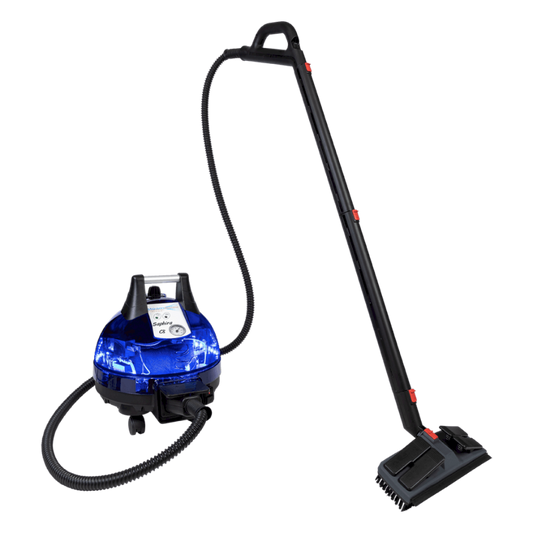
Steam Cleaner for Dust Mites & Mattresses | Saphira C8 AU
Regular price From $2,990.00Unit price per -
12-in-1 Foldable Handheld Steam Mop & Carpet Cleaner
Regular price $93.00Unit price per


⚠️ Safety Information
Steam cleaners produce high-temperature steam and must be used with care. Always read the full manufacturer's instructions before first use. Do not open the water tank during or immediately after operation — pressurised steam causes serious burns. Keep out of reach of children at all times during use. Do not use near water sources, on electrical fittings, or with a damaged power cord. Ensure the area is well ventilated during use. Allow treated surfaces to dry fully before contact — wet surfaces may be slippery.
Always check fabric and surface care labels before applying steam — not all materials tolerate heat or moisture. Test on a small hidden area first.
Steam cleaning may help reduce dust mite allergens on treated surfaces and is not a treatment for any medical condition. Consult a qualified healthcare professional for allergy or health concerns. Results may vary.
Steam Cleaners for Dust Mites: A Practical Guide
Dust mites are microscopic mites that are commonly associated with indoor sensitivities in some people. They live in mattresses, carpets and upholstery. This guide explains how steam cleaners for dust mites work and how to use them safely as part of an allergy-aware cleaning routine.
Understanding dust mites
Dust mites are microscopic arachnids that feed on dead skin cells and thrive in warm, humid environments—especially bedding and soft furnishings. For many people it isn’t the mites themselves, but the proteins in their waste and fragments, that are commonly associated with indoor sensitivities.
Because we spend a large portion of our lives in bed, managing allergens in the bedroom is a practical place to start.
How do steam cleaners work on dust mites?
A steam cleaner heats water into pressurised vapour and releases it onto surfaces. Used correctly, steam cleaners for dust mites can help reduce mites and allergens by applying high heat into fabrics and fibres.
- Heat: dust mites are sensitive to sustained high temperatures. Steam leaves the nozzle hot, which can help reduce mites on the surfaces it reaches.
- Penetration: steam can move through porous materials like upholstery and mattress surfaces, reaching areas that sprays and surface vacuuming may miss.
Research published in Clinical and Experimental Allergy (Colloff et al., 1995) tested domestic steam cleaning in both laboratory and real-home conditions. In real homes, treated areas showed an 86.7% reduction in dust mite allergen concentration, compared with a 4.7% reduction in untreated areas.1 That study was carried out on carpet; applying the same principle to mattresses and upholstery is reasonable, but is an extension of those findings rather than something the study measured directly.
Benefits of steam cleaning for dust mites
Chemical-free cleaning
Steam cleaning uses water only—no bleach or harsh detergents required. This is a useful option for households that prefer a low-chemical approach.
Deep penetration into fabrics
Dust mites often live deep within fibres. Steam vapour can help deliver heat into mattress surfaces, upholstery and carpets where mites can accumulate.
Freshening support
High-temperature steam can also help freshen surfaces by loosening grime, particularly in areas where organic residue builds up over time.
Odour reduction
Steam can help lift trapped residue that contributes to stale smells in older mattresses and carpets, without masking odours with fragrances.
Choosing a steam cleaner for dust mites
Not all steamers are the same. Rather than a single “best” model, these are the factors worth weighing up when shopping for steam cleaners for dust mites:
- Temperature: higher steam temperature generally means “drier” steam, which can reduce the risk of over-wetting fabrics.
- Tank size & run time: larger tanks help when cleaning multiple mattresses or large carpet areas.
- Attachments: look for upholstery tools, cloth bonnets, and crevice nozzles for seams and edges.
- Portability: handheld units are easier to move; canister units often offer longer run time.
- Safety features: safety locks, cool-touch handles, and automatic shut-off can be very helpful.
Step-by-step: how to steam clean for dust mites
Step 1: Preparation
- Strip the bed: remove sheets, pillowcases and protectors. Wash these regularly as part of your routine.
- Declutter: remove loose items from floors and surfaces.
- Vacuum first: use a vacuum (HEPA preferred) to remove loose dust and debris before steaming.
Step 2: Steaming process
- Use distilled water where possible to reduce mineral build-up in your steamer.
- Use a cloth/bonnet attachment for mattresses and upholstery to diffuse steam and help lift residue.
- Test a small hidden area first to confirm the fabric can tolerate heat and moisture.
- Move slowly and evenly and work in sections (a simple grid pattern helps).
- Don’t forget edges and seams where build-up commonly occurs.
Step 3: Drying (crucial)
Moisture control matters. Steam introduces water vapour into fabrics, and damp materials can encourage the conditions dust mites and mould prefer. Thorough drying helps.
- Ventilate: open windows and run fans to improve airflow.
- Dehumidify: in humid weather, use a dehumidifier to speed up drying.
- Wait until fully dry: avoid remaking the bed or walking on carpet until everything is completely dry.
Steam cleaning works best as part of a routine
Steam cleaning is one useful step, not a complete solution on its own. A 2009 study across 50 homes compared HEPA vacuuming alone with HEPA vacuuming plus dry steam cleaning. Both approaches significantly reduced dust mite allergen loading; HEPA vacuuming alone achieved around an 81% reduction, and adding steam brought a modest further improvement.2
Regular steam cleaning
Steam cleaning can be used as a “reset” for key areas. Many households steam clean mattresses and carpets seasonally (every 3–4 months), adjusting frequency based on sensitivity and lifestyle. Dust mite populations gradually recover after any treatment, so steam cleaning works best as a recurring step rather than a one-off.
Supportive routines
- Regular washing: wash bedding regularly and dry thoroughly.
- Vacuuming: vacuum carpets and rugs often (HEPA preferred).
- Damp dusting: use a slightly damp cloth to avoid redistributing dust.
Humidity control
Dust mites need humid conditions to thrive. Research published in the Journal of Allergy and Clinical Immunology (Arlian et al., 2001) found that maintaining indoor humidity below 51% over 17 months significantly reduced dust mite populations in homes in temperate climates.3 Aim to keep indoor humidity moderate and improve ventilation where possible.
Dust mite covers
After deep cleaning, dust mite covers on mattresses and pillows can help limit ongoing build-up and make routine cleaning easier.
Summary: how steam cleaners for dust mites can help
Steam cleaners for dust mites offer a chemical-free way to deep clean mattresses, carpets and upholstery. When paired with regular vacuuming, bedding care and humidity control, steam cleaning can help reduce the overall allergen load in your home.
Looking for a steamer that suits your home? Consider heat output, the right attachments for mattresses and upholstery, and good safety features.
References
- Colloff MJ, Taylor C, Merrett TG. (1995). The use of domestic steam cleaning for the control of house dust mites. Clinical and Experimental Allergy, 25(11):1061–1066.
- Yu CH, Yiin LM, Fan ZH, Rhoads GG. (2009). Evaluation of HEPA vacuum cleaning and dry steam cleaning in reducing levels of polycyclic aromatic hydrocarbons and house dust mite allergens in carpets. Journal of Environmental Monitoring, 11(1):205–211.
- Arlian LG, Neal JS, Morgan MS, et al. (2001). Reducing relative humidity is a practical way to control dust mites and their allergens in homes in temperate climates. Journal of Allergy and Clinical Immunology, 107(1):99–104.
Note: Always follow your steam cleaner’s instructions and test a small hidden area before steaming delicate fabrics. The information on this page is general in nature. If you have significant allergy or asthma concerns, consider speaking with a healthcare professional for advice specific to your situation.