 Skip to content
-
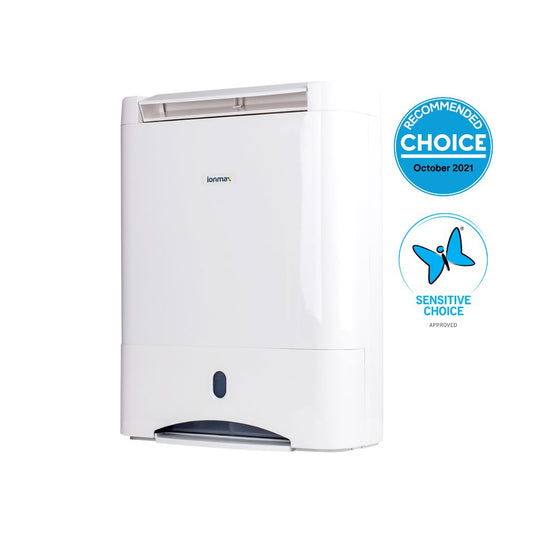
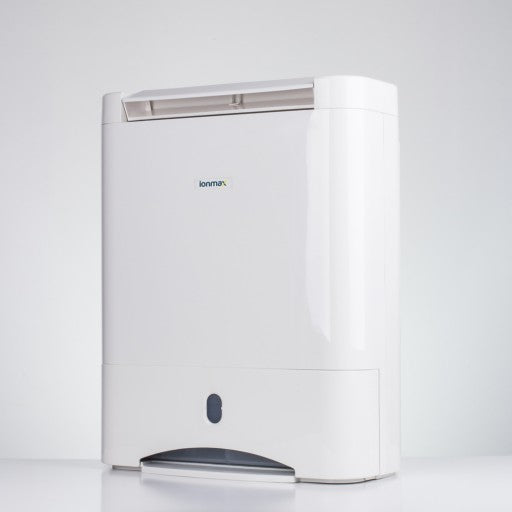
Ionmax ION632 Desiccant Dehumidifier 10L/day— Sensitive Choice Approved | AU
Regular price $505.00Regular priceUnit price per -
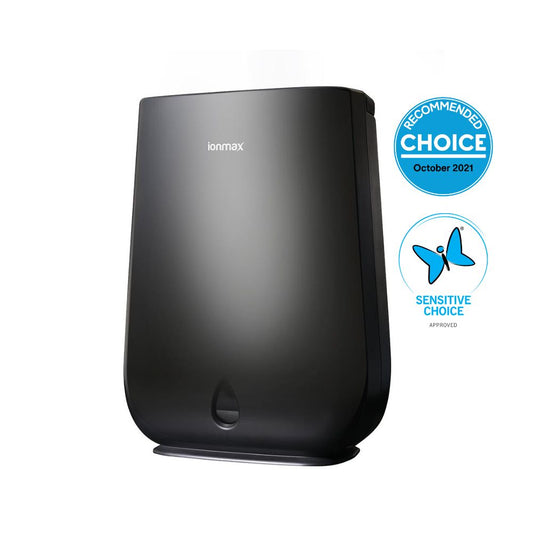
Ionmax Vienne ION630 Desiccant Dehumidifier 10L/day | AU
Regular price $610.00Regular priceUnit price per -
Ionmax Rhine Pro ION650 50L/day 2-in-1 Compressor Dehumidifier + H13 HEPA Air Purifier | AU
Regular price $649.00Regular priceUnit price per$649.00Sale price $649.00 -
Ionmax Venta ION615 8L/day Desiccant Dehumidifier + H13 HEPA Air Purifier | AU
Regular price $518.00Regular priceUnit price per$499.00Sale price $518.00 -
Ionmax Leone Pro ION626 25L/day 2-in-1 Compressor Dehumidifier + H13 HEPA Air Purifier | AU
Regular price $570.00Regular priceUnit price per$549.00Sale price $570.00 -
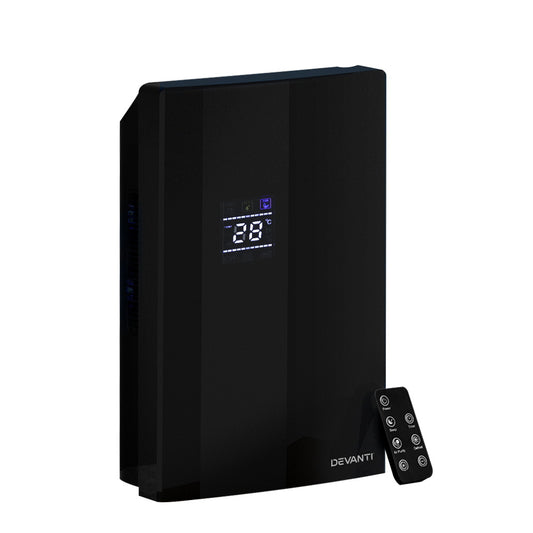
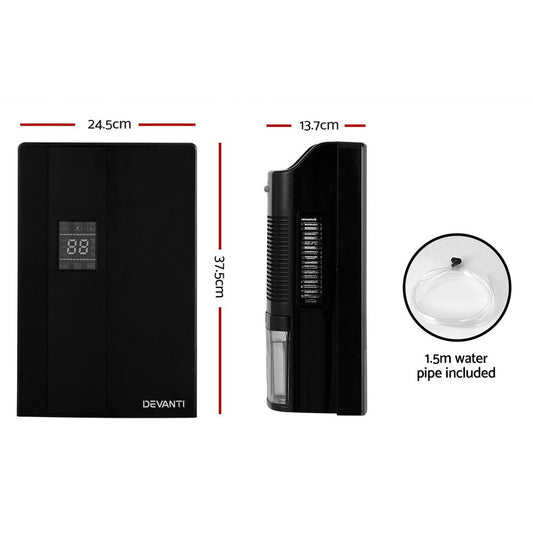
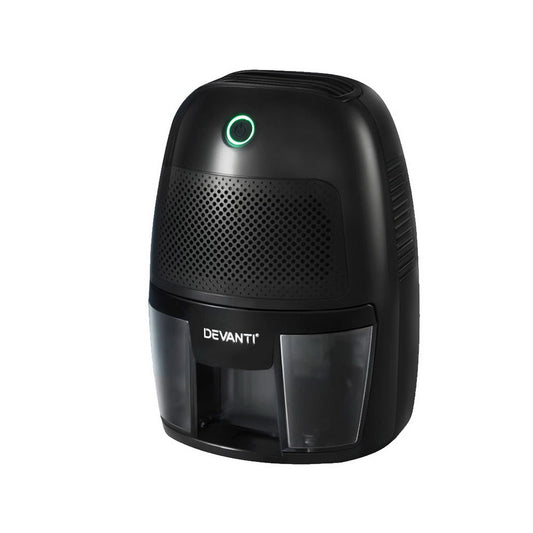
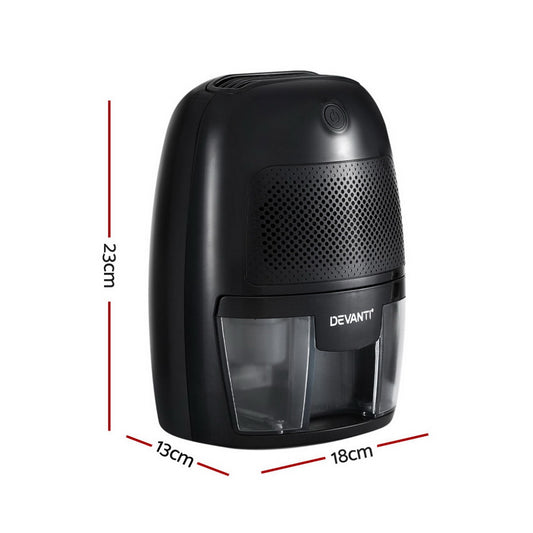
Devanti DH-002 2L Compact Dehumidifier — Black | AU
Regular price $139.00Regular priceUnit price per -
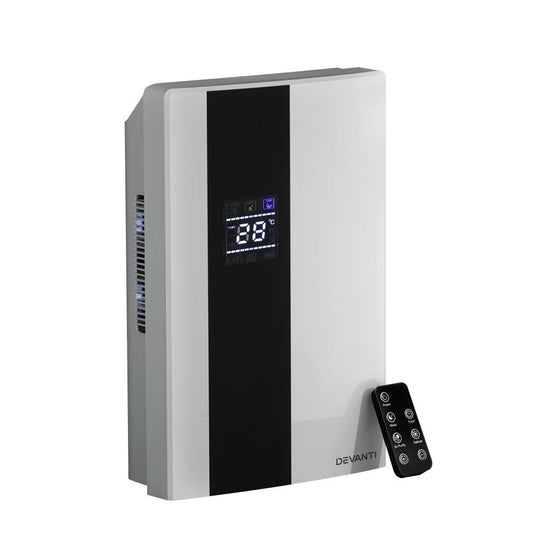
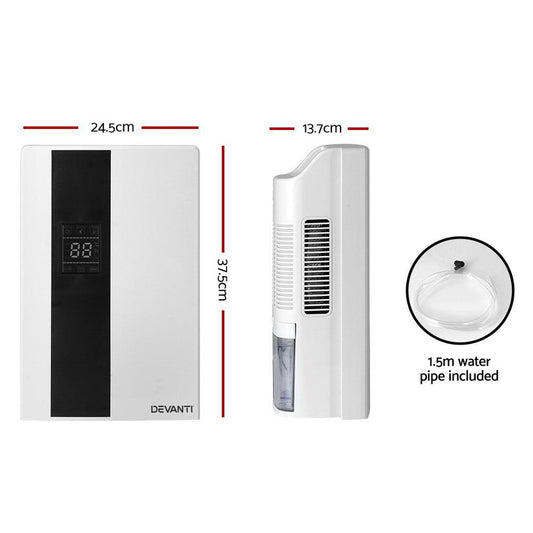
Devanti DH-002 2L Compact Dehumidifier — White | AU
Regular price $139.00Regular priceUnit price per -
Devanti 600ml Mini Dehumidifier (Peltier) — Black | AU
Regular price $79.00Regular priceUnit price per$82.99Sale price $79.00Sale -
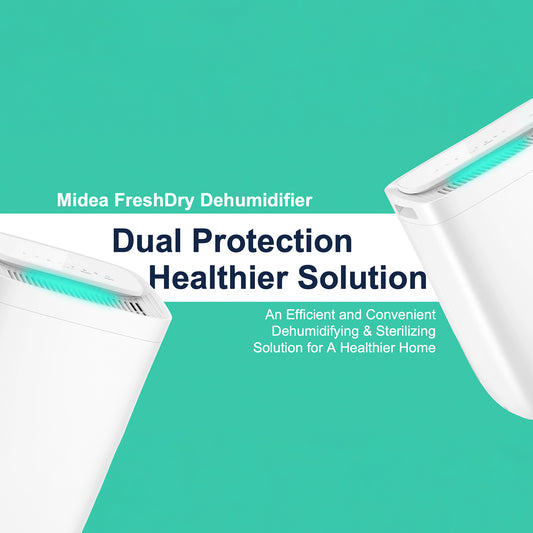
Midea FreshDry MDDQ12 12L/day Compressor Dehumidifier + H13 HEPA Air Purifier | WiFi | AU
Regular price $449.00Regular priceUnit price per
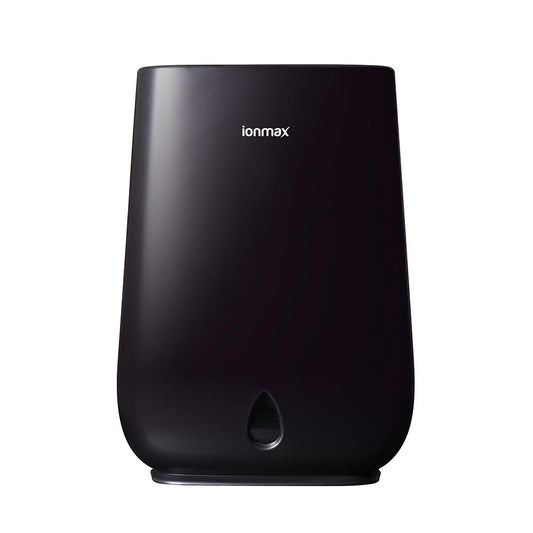

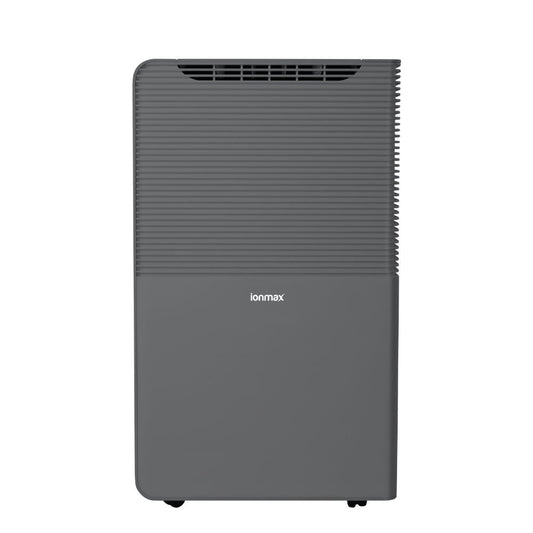

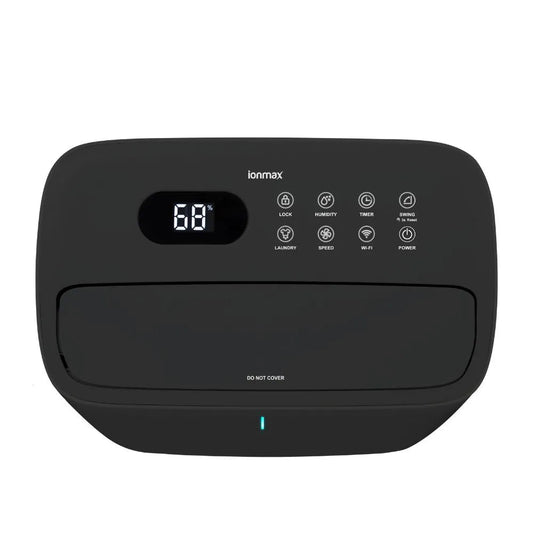

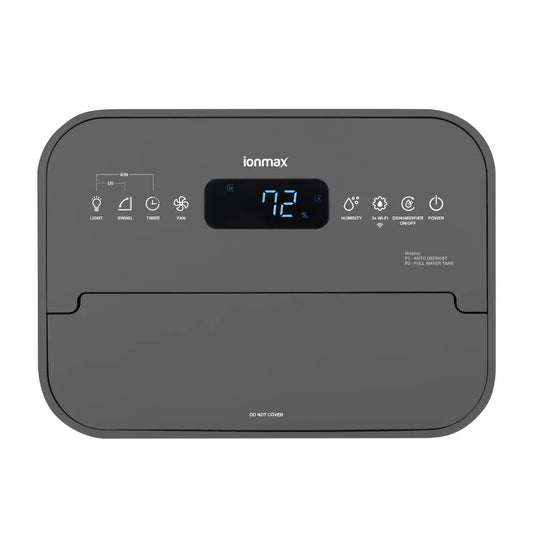

Compare every dehumidifier in our range
All twelve dehumidifiers we stock — from the 50L/day whole-house flagship to the $79 wardrobe unit. Sorted by capacity. Click any product to see full details.
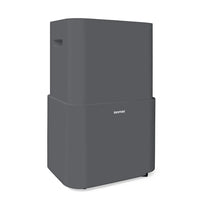
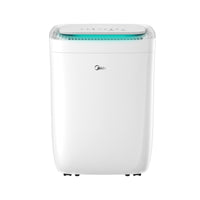
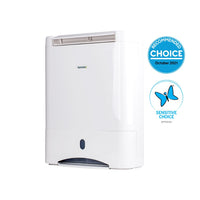
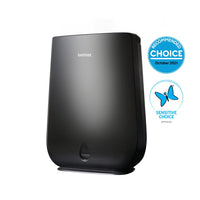
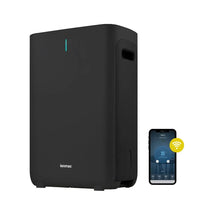
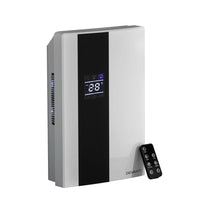
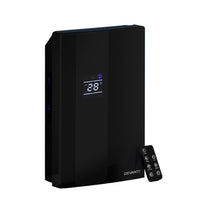
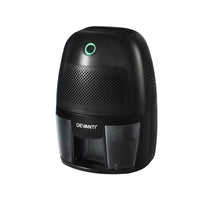
← Scroll horizontally to see all columns →
Top picks at a glance
Three hand-picked dehumidifiers for three common situations. Take the quiz above for a more tailored match, or browse the full range below.
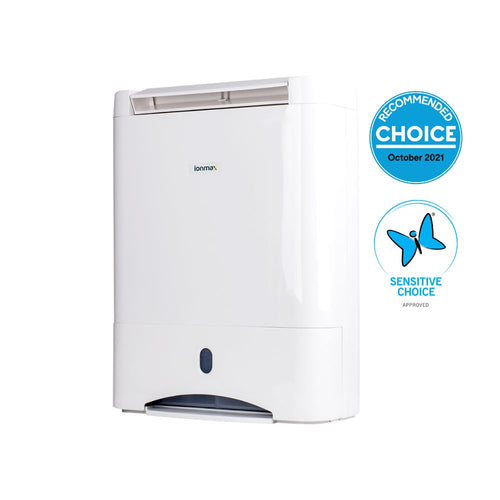
Ionmax ION632 Desiccant Dehumidifier 10L/day— Sensitive Choice Approved | AU
$505.00
Sensitive Choice approved by the National Asthma Council Australia. Quiet desiccant operation, well-suited to overnight bedroom use.
View product → Best for living areas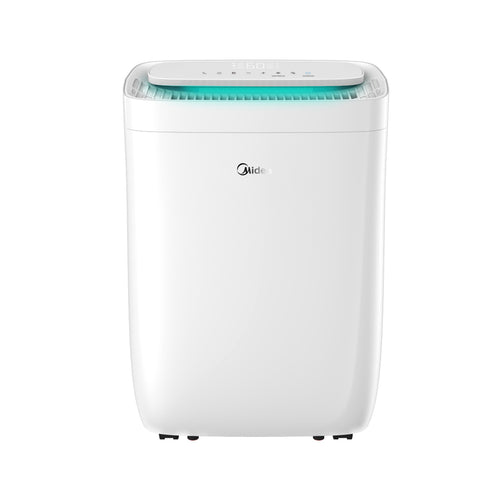
Midea FreshDry MDDQ12 12L/day Compressor Dehumidifier + H13 HEPA Air Purifier | WiFi | AU
$449.00
12L/day with H13 HEPA and WiFi control — handles open-plan living, kitchens and family rooms while adding allergen filtration.
View product → Best for whole-house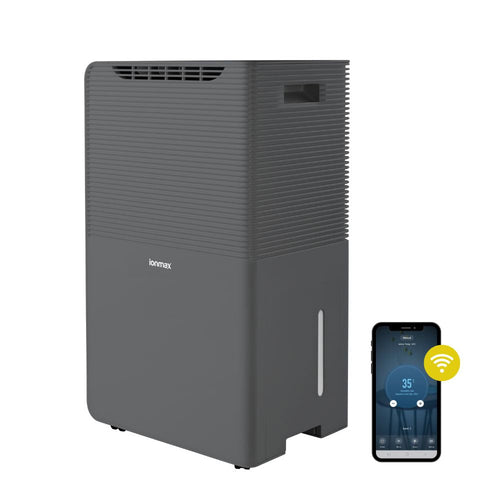
Ionmax Rhine Pro ION650 50L/day 2-in-1 Compressor Dehumidifier + H13 HEPA Air Purifier | AU
$649.00
50L/day compressor with H13 HEPA — built for whole-house coverage, multi-room damp, or active mould remediation.
View product →Find the right dehumidifier
Four quick questions to narrow down which of our 12 dehumidifiers fits your situation.
Based on your answers
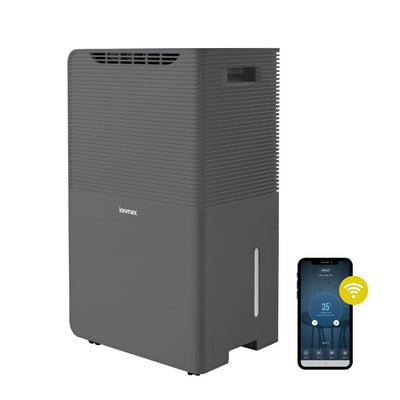
Ionmax Rhine Pro ION650 50L/day 2-in-1 Compressor Dehumidifier + H13 HEPA Air Purifier | AU
$649.00
50L/day compressor with H13 HEPA — built for whole-house coverage or active mould remediation in warm climates.
View product →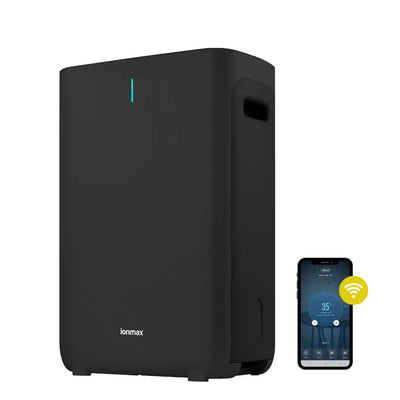
Ionmax Venta ION615 8L/day Desiccant Dehumidifier + H13 HEPA Air Purifier | AU
$518.00
8L/day desiccant with H13 HEPA — quiet operation makes it well-suited to bedroom use in cooler climates.
View product →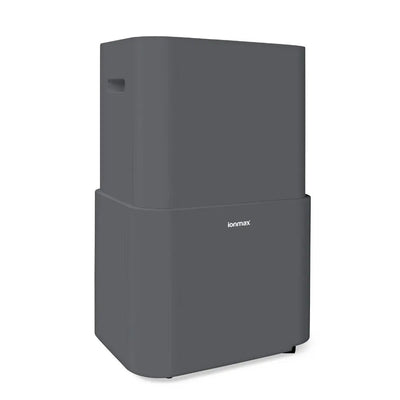
Ionmax Leone Pro ION626 25L/day 2-in-1 Compressor Dehumidifier + H13 HEPA Air Purifier | AU
$570.00
25L/day compressor with H13 HEPA — covers most living areas while filtering airborne allergens.
View product →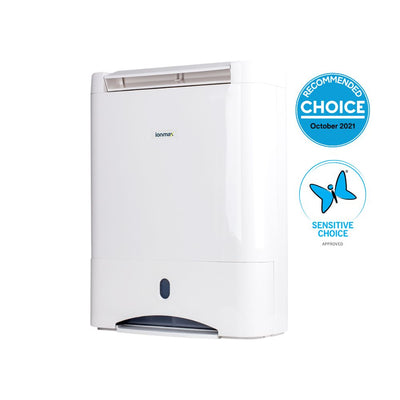
Ionmax ION632 Desiccant Dehumidifier 10L/day— Sensitive Choice Approved | AU
$505.00
10L/day desiccant, Sensitive Choice approved by the National Asthma Council Australia.
View product →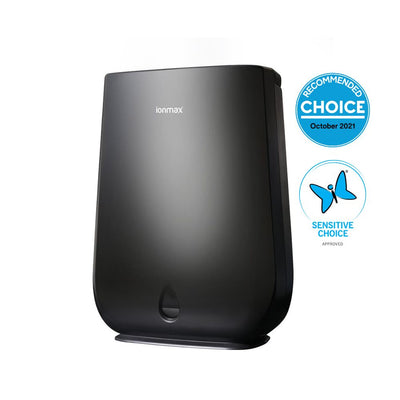
Ionmax Vienne ION630 Desiccant Dehumidifier 10L/day | AU
$610.00
10L/day desiccant with low-noise operation — works well in cooler climates and quieter rooms.
View product →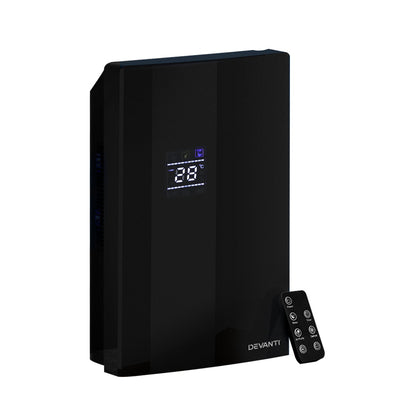
Devanti DH-002 2L Compact Dehumidifier — Black | AU
$139.00
Compact 2L compressor at a budget-friendly price — practical for smaller bedrooms or offices.
View product →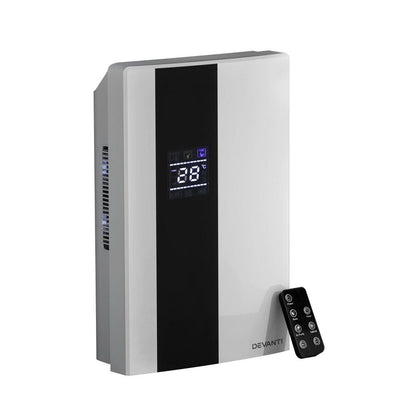
Devanti DH-002 2L Compact Dehumidifier — White | AU
$139.00
Same 2L compressor in white — practical for bedrooms or offices on a budget.
View product →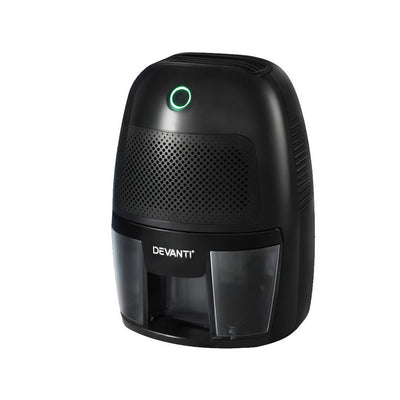
Devanti 600ml Mini Dehumidifier (Peltier) — Black | AU
$79.00
Compact Peltier unit — best for wardrobes, small bathrooms, or single-room spot dehumidifying.
View product →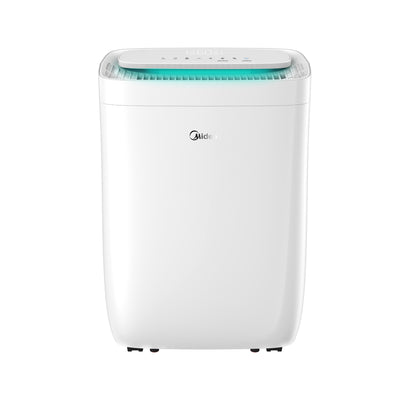
Midea FreshDry MDDQ12 12L/day Compressor Dehumidifier + H13 HEPA Air Purifier | WiFi | AU
$449.00
12L/day compressor with H13 HEPA and WiFi — covers living areas and adds air purification.
View product →This quiz suggests products based on your stated preferences. It is not medical advice. For diagnosed conditions, please speak with your GP or specialist about whether dehumidification fits into your care plan.
Answer these four questions to narrow down which dehumidifier suits your situation.
1. Where in Australia do you live?
- Warm (QLD, NT, northern NSW & WA): compressor unit preferred
- Mixed (Sydney, Brisbane, Perth): either type works
- Cool (Melbourne, Adelaide, Hobart, Canberra): desiccant unit preferred
2. What space are you dehumidifying?
- Wardrobe / small room (under 15m²): 600ml–2L per day compact unit
- Bedroom / office (15–25m²): 8–10L per day
- Living room / open-plan (25–50m²): 10–12L per day
- Whole house or active mould (50m²+): 20L+ per day
3. Budget range?
- Under $150: Devanti compact units
- $150–$300: mid-size Devanti or 1000ml Mini
- $300–$500: Shinco, Midea FreshDry
- $500+: premium Ionmax desiccant or compressor + HEPA
4. What matters most?
- HEPA filtration: Ionmax Rhine Pro, Leone Pro, Venta, Vienne, or Midea FreshDry
- Quietest for bedroom use: desiccant models
- Sensitive Choice approved: Ionmax ION632
- Best value: Devanti or Shinco compressor units
This quiz suggests products based on your stated preferences. It is not medical advice. For diagnosed conditions, please speak with your GP or specialist about whether dehumidification fits into your care plan.
Dehumidifiers and Allergies - FAQs
How does a dehumidifier help with dust mite allergies?
Dust mites need moisture from the air to survive and reproduce — they don't drink, they absorb water vapour through their skin.
Reducing indoor humidity makes the environment less favourable for them. The AAAAI/ACAAI joint practice parameter on environmental control recommends keeping indoor relative humidity below 50% as part of a broader allergen reduction strategy.
A dehumidifier on its own isn't a treatment for allergies — it's one piece of a wider approach that typically also includes dust mite mattress protectors and pillow protectors, hot-washing bedding, andHEPA air purification.
What humidity level should I aim for?
Most allergy and asthma guidelines recommend keeping indoor relative humidity between 30% and 50%.
Below 50% dust mites struggle to thrive; below 30% the air becomes uncomfortably dry and can irritate eyes, nose and skin.
A simple hygrometer or air quality monitor will tell you what you're starting from — many Australian homes sit at 60–70% in summer or in coastal regions, well above the target range.
Desiccant or compressor — which type is better for my home?
Both reduce humidity but work differently.
Desiccant units use an absorbent rotor and a heater — they work well in cooler conditions (below ~15°C) and are quieter, making them a common choice for bedrooms and southern Australian winters.
Compressor units work like a small fridge, condensing water out of warm air — they're more energy-efficient above ~18°C and better suited to larger spaces, laundries, and warmer Australian climates.
If your home gets cold in winter, lean desiccant; if you're in Queensland or northern New South Wales, lean compressor.
What size dehumidifier do I need?
Dehumidifier capacity is measured in litres of water extracted per day under standard test conditions. A rough guide for Australian homes:
- Small bedroom or wardrobe (up to 15m²): 600ml–2L per day (compact portable units)
- Standard bedroom or office (15–25m²): 8–10L per day
- Living area or open-plan space (25–50m²): 10–12L per day
- Whole-house or active mould remediation (50m²+): 20L+ per day
Damp conditions, lots of windows, or active mould issues all push you toward higher capacity. If in doubt, size up — a larger unit running on a lower setting is quieter and more efficient than a small unit running flat out.
Where should I put a dehumidifier?
Put it in the room with the highest humidity, the worst dampness, or where allergy symptoms are worst — most often that's the bedroom, laundry, or bathroom.
Leave at least 30cm of clearance around the unit so air can circulate, keep windows and doors closed while it runs, and empty the tank regularly or use continuous drainage if your model supports it.
Many users find running it during the day in living areas and overnight in the bedroom gives the best balance.
Do dehumidifiers help with mould?
Yes, indirectly.
Mould requires moisture to grow — most household moulds need relative humidity above 60–70% to colonise surfaces.
Keeping indoor humidity below 50% removes the conditions mould needs to spread.
The World Health Organization'sGuidelines for Indoor Air Quality link building dampness and mould exposure to higher rates of respiratory symptoms and allergies.
A dehumidifier won't remove existing mould — that needs cleaning and remediation — but it prevents recurrence by addressing the underlying moisture problem.
Pair with allergen and mould cleaning products for surfaces that already show growth.
Can I use a dehumidifier in a baby's or child's room?
Many parents do, particularly during humid Australian summers or in homes prone to dampness.
A few practical points: keep the unit out of reach of toddlers, don't aim the airflow directly at the cot, and avoid running humidity below 40% in a child's room — very dry air can irritate young respiratory systems and skin. For broader nursery setup, see our cot bedding and protectors.
If your child has a diagnosed condition like asthma or eczema, speak to your GP or paediatrician about whether dehumidification fits into their broader care.
Do dehumidifiers actually reduce dust mite allergens, or just humidity?
They reduce humidity, which over time reduces the dust mite population — but the existing allergen load in bedding, carpets and soft furnishings doesn't disappear just because the air dries out.
Allergen reduction is a process: dehumidify the air, encase the mattress and pillows in fine-pore dust mite covers, hot-wash bedding weekly at 55°C+ (McDonald & Tovey,JACI1992),vacuum with HEPA, and ventilate.
A comprehensive bedroom approach has been shown to reduce allergen load roughly three times more effectively than any single intervention (van Boven et al.,World Allergy Organization Journal2024).
Are dehumidifiers or air purifiers better for allergies?
They do different jobs and work best together.
Dehumidifiersreduce humidity, making the home less hospitable to dust mites and mould.
Air purifiers with HEPA filtration capture airborne particles like pollen, pet dander, mould spores, and dust mite allergen fragments. If you have dust mite or mould allergies, a dehumidifier is the higher-leverage starting point. If your triggers are pollen or pet dander, prioritise a HEPA purifier.
Many households with multiple allergy triggers benefit from running both.
How much electricity does a dehumidifier use?
Power draw depends on type and capacity. A small Peltier (compact portable) unit uses 20–60W — cheap to run continuously, but limited extraction. A mid-sized compressor dehumidifier draws 200–400W; a large desiccant model can draw 500–700W when the heater cycles. At Australian average electricity rates (~30–40c/kWh in 2026), running a typical 10L compressor for 8 hours a day costs roughly $0.70–$1.20 per day. Most models have humidistats and shut off automatically once the target humidity is reached, which cuts running costs substantially.
Can a dehumidifier worsen any symptoms?
Yes — over-drying.
If indoor humidity drops below about 30%, the air can irritate eyes, nasal passages and respiratory tract, and may worsen dry-skin conditions like eczema.
Set the unit's humidistat to your target range (40–50% is a common sweet spot), and consider a hygrometer to verify what you're actually getting. If you have a diagnosed respiratory condition, your GP or specialist is best placed to advise on optimal indoor humidity for your situation.
What is "Sensitive Choice" approval?
Sensitive Choice is a program run by the National Asthma Council Australia. Products that carry the blue butterfly mark have been assessed and considered suitable for people with asthma or allergies. The approval isn't a clinical claim — it indicates the product meets the Council's review criteria for that category. Several of the dehumidifiers in this collection are Sensitive Choice approved, including the Ionmax ION632 desiccant model.
General educational content. Not medical advice.
Tools to reduce dust mites
-
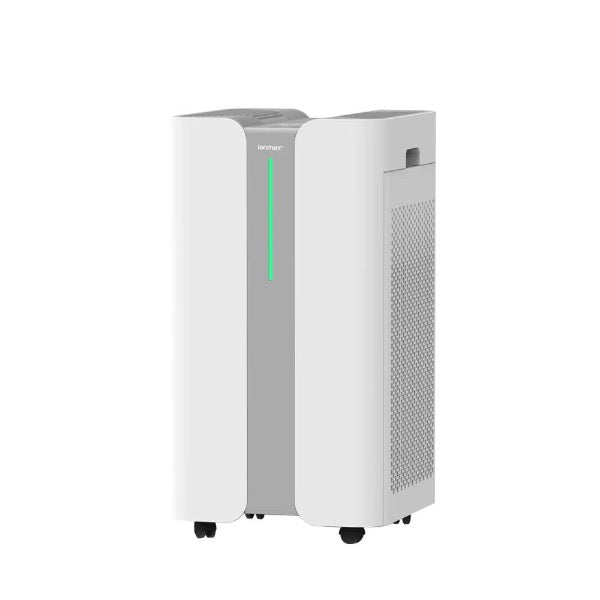
Air Purifiers
Air purifiers for dust mite allergy households in Australia. Our range covers...
-
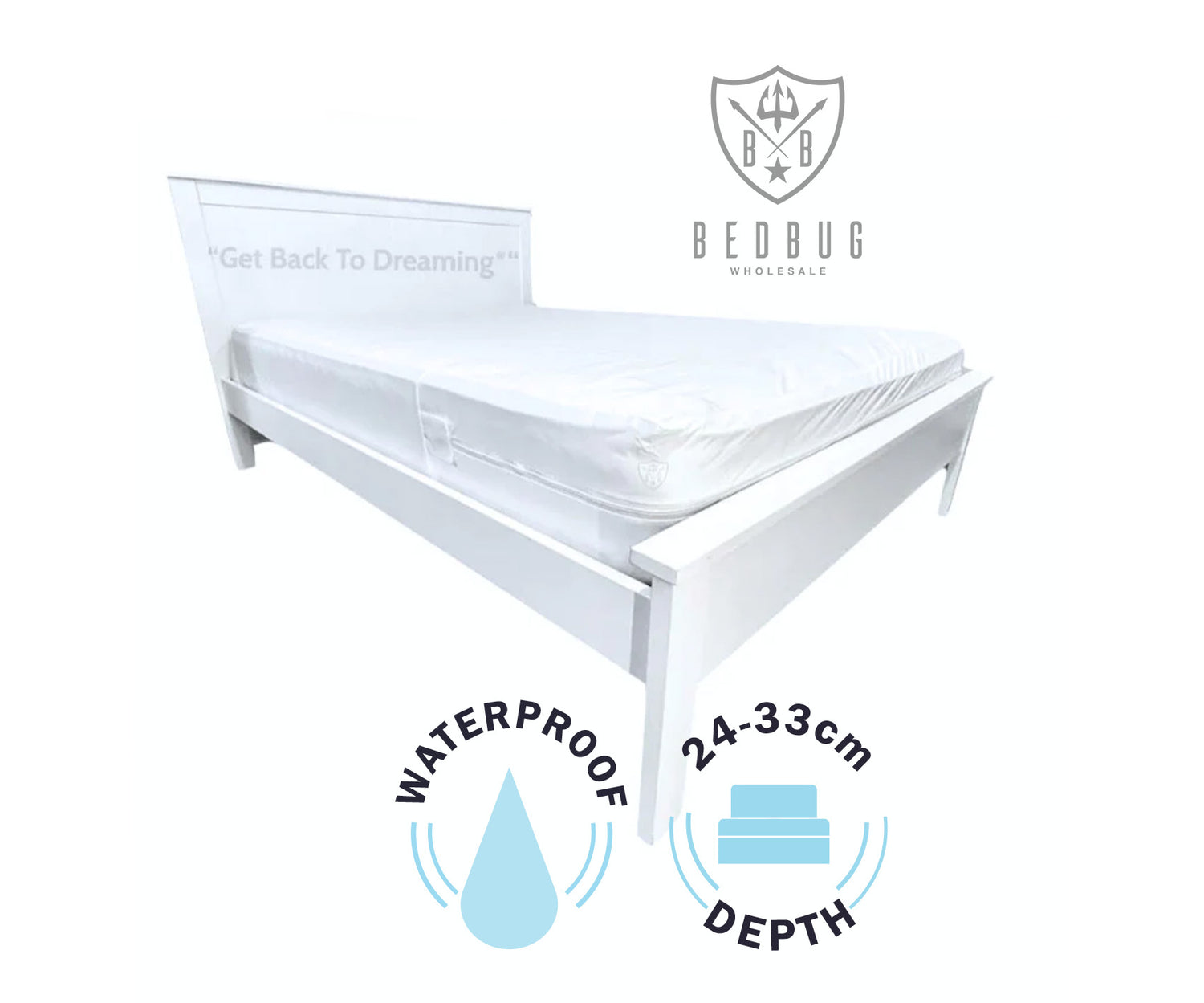
Dust Mite Covers
Dust Mite Covers for Mattresses, Pillows & Quilts — Australia Zippered dust...
-
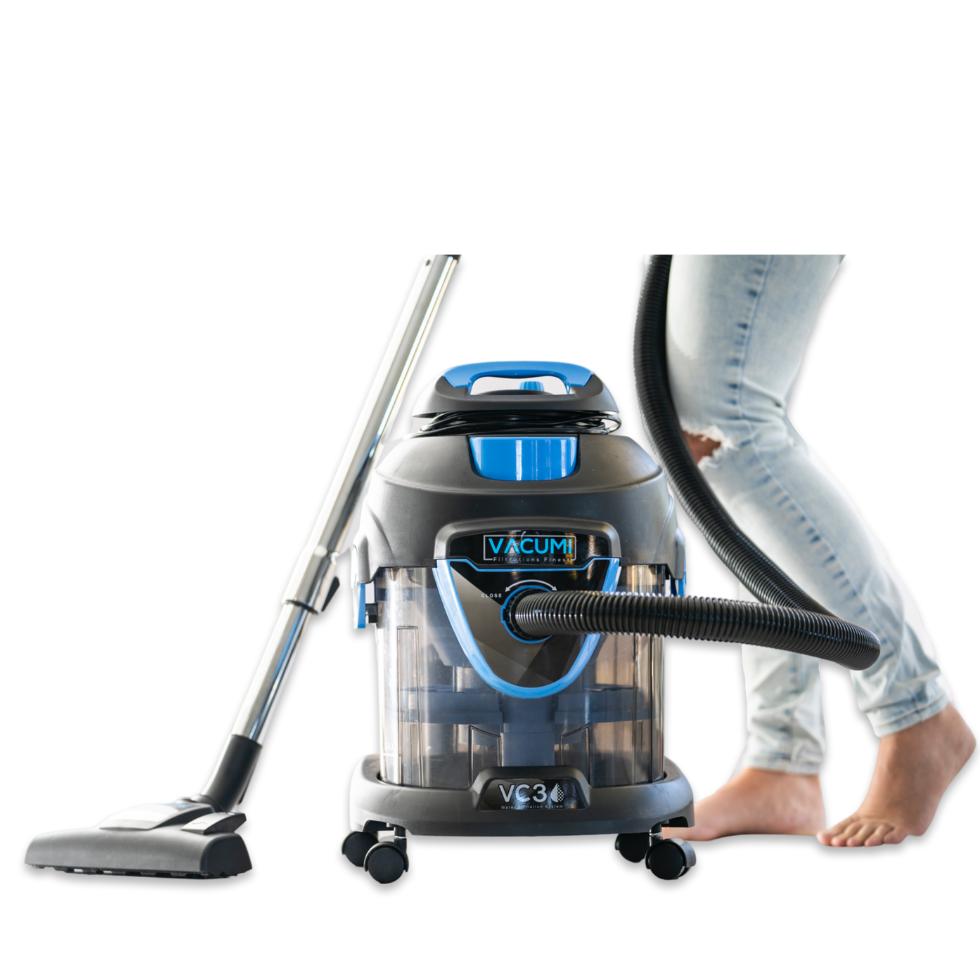
Dust Mite Vacuums
HEPA water filter vacuum for Australian homes HEPA, UV-C and water filter...
