 Skip to content

Best Dust Mite Products Australia | Top 10 for Reducing Exposure
The 10 best tools for reducing dust mite exposure in Australian homes
Where to focus
If you are trying to reduce dust mite exposure at home, the most effective approach is to focus on where dust mites tend to build up most — especially your mattress, pillows, bedding, carpets, rugs, and upholstered furniture.
About this guide
Dust mites are commonly present in Australian homes and tend to build up in soft furnishings over time. While they usually cannot be completely eliminated, the right combination of protective bedding, cleaning tools, and humidity control can help reduce exposure and make your bedroom easier to manage.
This page contains general information about products that may help reduce dust mite allergen levels in the home environment. It does not constitute medical advice. If you are experiencing allergy symptoms, please consult your GP or a qualified allergist.

BED - Dust Mite Protection
1. Dust Mite Mattress Encasement
The mattress is the single largest reservoir of dust mite allergens in the bedroom. A zippered encasement creates a physical barrier over the entire surface — the most impactful single step you can take to reduce allergen exposure while you sleep.

Bed - Dust mite protection
2. Dust Mite Pillow Protector
Pillows accumulate allergens quickly and sit directly against your face while you sleep.
A protector is the natural complement to a mattress encasement and one of the highest-impact additions to an allergen-aware bedroom.
Useful: Pillow covers for dust mites

BED - Dust mite protection
3. Dust Mite Quilt / Doona Cover
Completes the full bed barrier — mattress, pillow and quilt all covered. ASCIA recommends encasing all three surfaces as part of an allergen-aware bedroom setup.
Useful: The ultimate guide to dust mite duvet covers in Australia
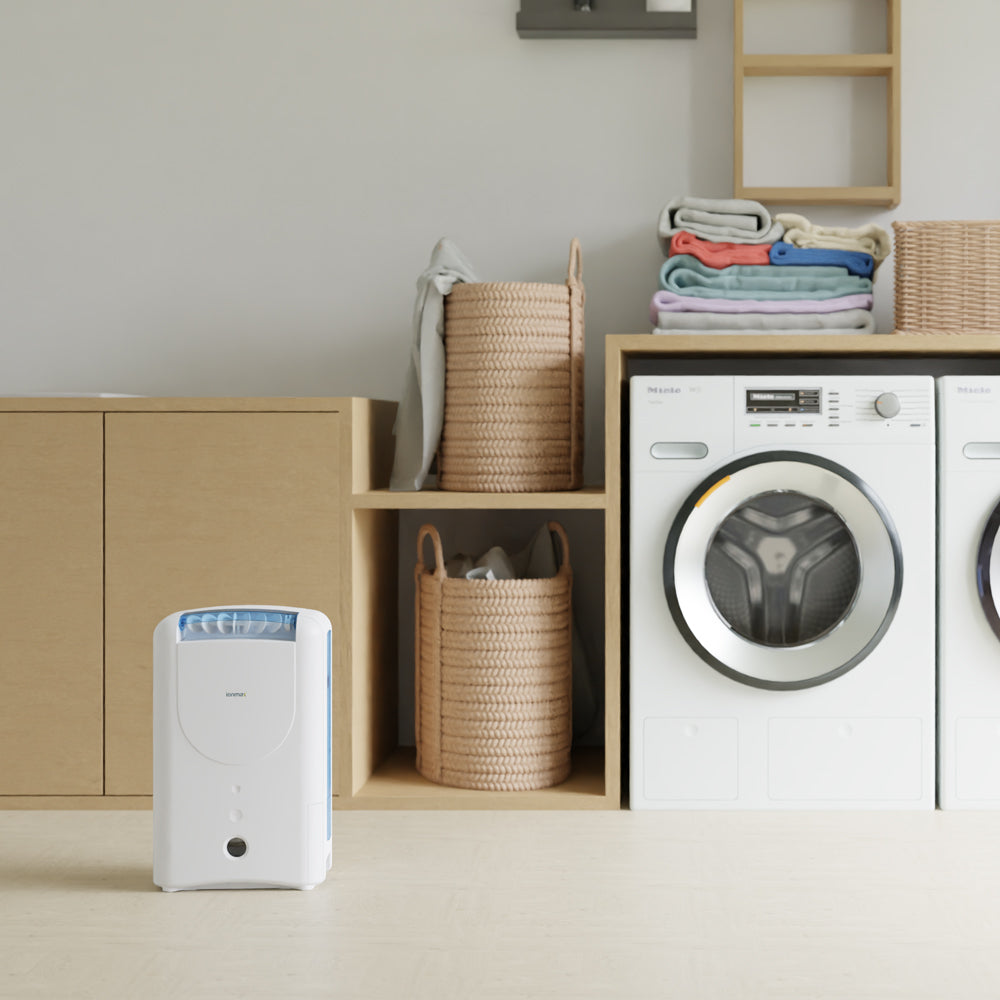
Create unfavourable conditions for dust mites
4. Dehumidifier
Dust mites thrive above 50% relative humidity — reducing indoor humidity is an environmental control measure recognised by ASCIA. A dehumidifier targets the conditions that support mite populations, rather than the allergens themselves.
Useful: Humidity, mould and dust mites

Monitoring conditions
5. Air Quality Monitor
Tracking humidity helps you understand whether conditions in your home may support dust mite build-up. It also gives you a more practical way to know whether your dehumidifying and ventilation efforts are working.

Capture dust mite allergens
6. HEPA Air Purifier
Air purifier reduces airborne allergen particles. Run it continuously on a low setting rather than at high speed for short bursts — consistent filtration is more effective than intermittent use.

Clean dust mite allergens
7. HEPA Vacuum Cleaner
Standard vacuums can temporarily increase airborne allergen levels by exhausting unfiltered air — a sealed HEPA system captures fine particles instead of recirculating them. Vacumi VC3 takes this further with water filtration, trapping particles in water rather than a dry filter.
Useful: Mattress vacuum: what it is and what are the benefits

Clean dust mite allergens
8. Steam Cleaner
Steam cleaning is sometimes used on mattresses, upholstery, curtains, and other soft furnishings as part of a broader cleaning routine.
It tends to work best when paired with vacuuming, protective covers, and full drying afterwards.

Minimise allergens in bed
9. Washable Bedding
Washing bedding at 60°C or above kills dust mites and helps remove allergen proteins. For bedding that can't tolerate hot washing, tumble drying at high heat for 10 minutes after a cool wash is a practical alternative.

Sleep on a fresh pillow
10. Pillow
Dust mite allergens accumulate in pillows over time and sit directly next to your face and airways for eight hours every night — making the pillow one of the highest-exposure surfaces in the bedroom.
If your pillow is more than two years old and has never been encased, replacing it and immediately fitting a dust mite protector is one of the most practical steps you can take to reduce your overnight allergen exposure.
How to reduce dust mites at home
-
Step 1
Start with a mattress encasement and pillow protectors.
-
Step 2
Add a quilt or doona protector and washable bedding.
-
Step 3
Use a high-filtration vacuum and, where suitable, a HEPA air purifier.
-
Step 4
Manage moisture with a dehumidifier or air quality monitor.
Important note
This page is for general information only. Individual sensitivities and household conditions vary. Products and routines that help one household may not suit another. For personalised advice, consult a qualified professional.
- Choosing a selection results in a full page refresh.
- Opens in a new window.