

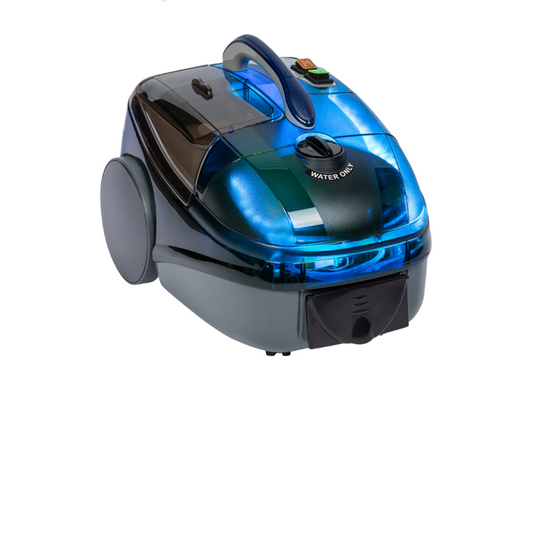
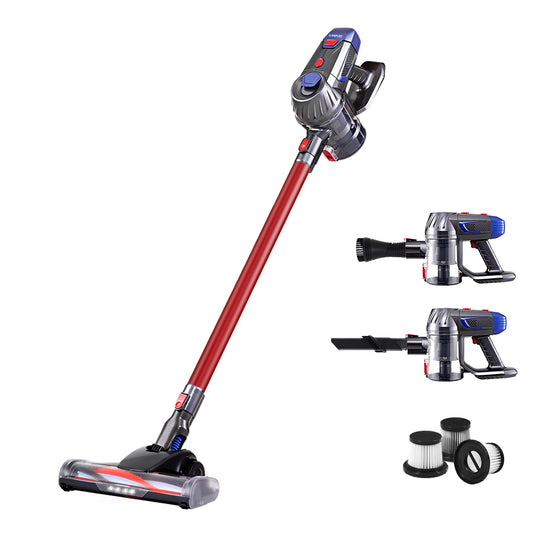
True HEPA filtration
HEPA filters capture 99.97% of particles at 0.3 microns — the size range that includes dust mite allergens, pet dander and pollen. Without it, fine particles can pass straight through a vacuum's exhaust and back into the room.
 Skip to content
Five dust mite and HEPA vacuums at a glance — from whole-home water filter machines to lightweight handhelds designed for mattresses and soft furnishings.
| Product | Best for | Filtration | Suction | Suited to | Power |
|---|---|---|---|---|---|
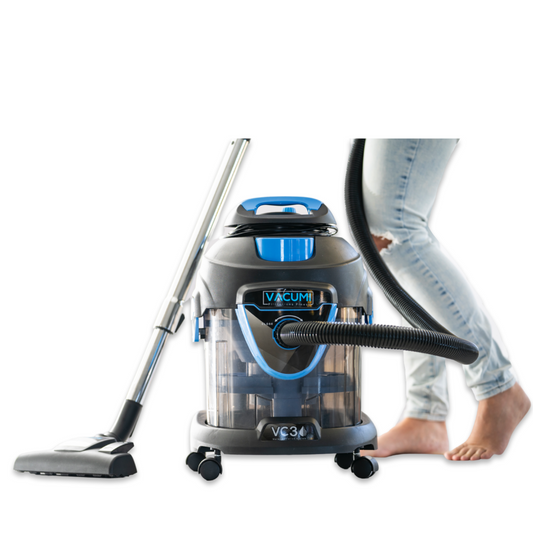
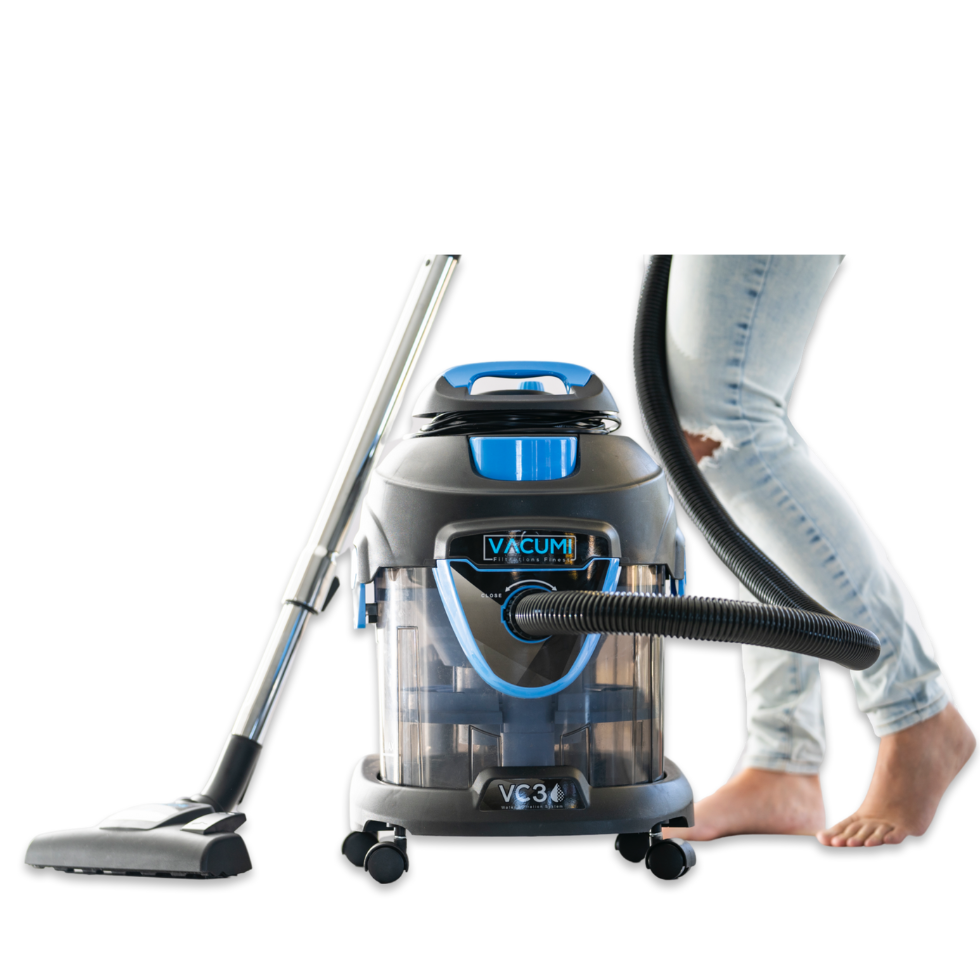
 Water Filter Vacuum I VACUMI VC3 Water Filter Vacuum I VACUMI VC3
|
Best all-rounder | Water + HEPA | 19,000 Pa | Whole home + mattresses | 1400W |
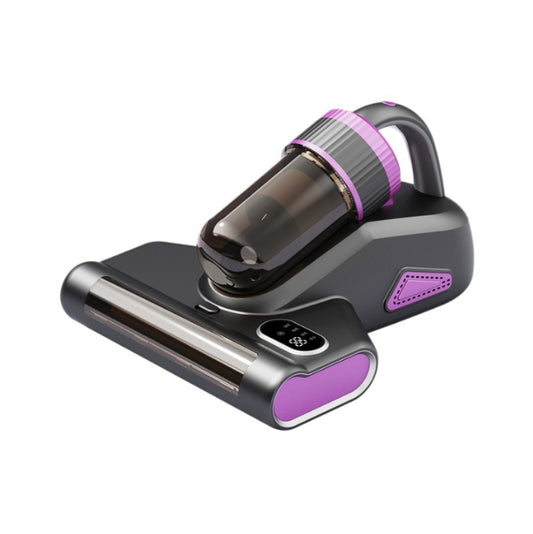
 Cordless UV-C Dust Mite Vacuum I Purple I Hot Air, Pulsating Pads & LED Display Cordless UV-C Dust Mite Vacuum I Purple I Hot Air, Pulsating Pads & LED Display
|
Best for mattresses | HEPA + UV-C | 13,000 Pa | Mattresses, sofas, pet beds | Cordless |
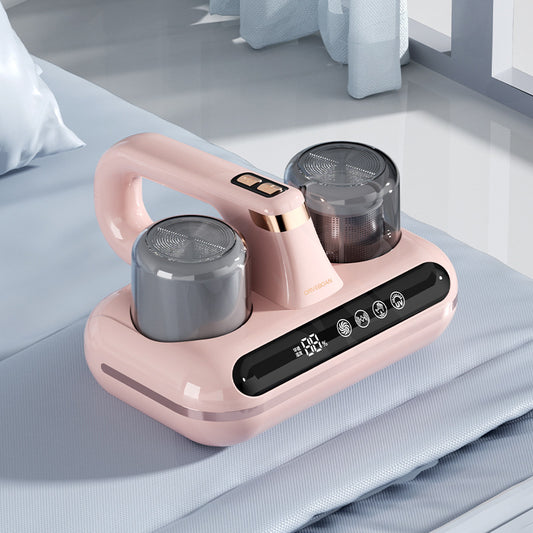
 Wireless Dust Mite Vacuum I Pink I UV Light & Humidity Display I 10,000Pa Wireless Dust Mite Vacuum I Pink I UV Light & Humidity Display I 10,000Pa
|
Best with humidity display | HEPA + UV-C | 10,000 Pa | Mattresses & soft furnishings | Cordless |
 Devanti Stick Vacuum Cleaner HEPA Filter I Red I 150W Devanti Stick Vacuum Cleaner HEPA Filter I Red I 150W
|
Best HEPA stick | HEPA filter | Strong cyclonic | Carpets, hard floors, rugs | 150W |
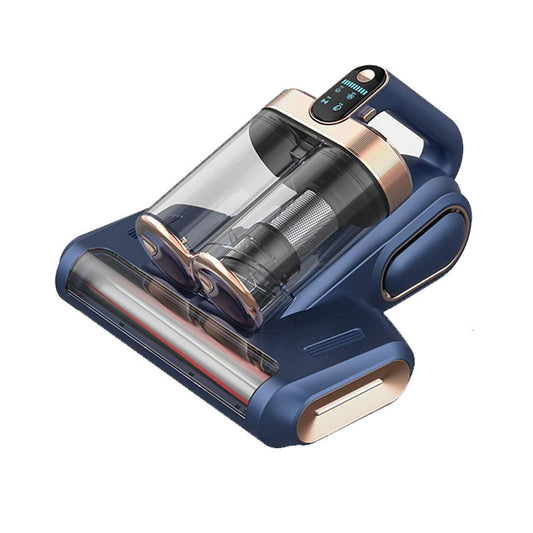
 LF-LP018 Cordless Mite Vacuum Cleaner 120W – Blue LF-LP018 Cordless Mite Vacuum Cleaner 120W – Blue
|
Best on a budget | HEPA | Strong handheld | Mattresses & upholstery | 120W |
← Scroll horizontally to see all columns →
$488.00$429.00
If you want one vacuum that handles whole-home cleaning, mattresses and wet spills — and traps allergens in water instead of a bag — this is the one we recommend.
Read our full hands-on reviewFor households managing dust mite allergies, hay fever or asthma, the type of vacuum matters as much as the cleaning itself. Here are the features worth prioritising.
HEPA filters capture 99.97% of particles at 0.3 microns — the size range that includes dust mite allergens, pet dander and pollen. Without it, fine particles can pass straight through a vacuum's exhaust and back into the room.
A sealed vacuum body keeps fine particles from leaking out between the filter and the exhaust. Just as important as the filter grade itself — a top filter in a leaky body still releases dust.
Water filter vacuums trap allergens in water rather than a dust bag, so there's no dust cloud when emptying. A practical choice for sensitive households where bag-changing can trigger symptoms.
Dust mites concentrate in mattresses, pillows and upholstery. A handheld with pulsating pads and strong suction is purpose-built for these surfaces, where allergens tend to accumulate most.
Consistency does more for allergen control than one deep clean. A vacuum that's quick and easy to grab — cordless, lightweight, simple to empty — gets used more often, which is what makes the difference.
Vacuuming alone won't fully manage dust mite allergens. Pair it with dust mite mattress protectors, weekly hot-wash bedding and indoor humidity below 50% for the best long-term results.
Building a complete allergy-aware routine? Browse vacuums alongside mattress protectors, air purifiers and dehumidifiers to manage allergens at every layer.
Shop by allergenThis information is general in nature and does not constitute medical advice. Dust mite, allergy and asthma management is individual — speak with your GP, allergist or respiratory specialist about what's right for your household.
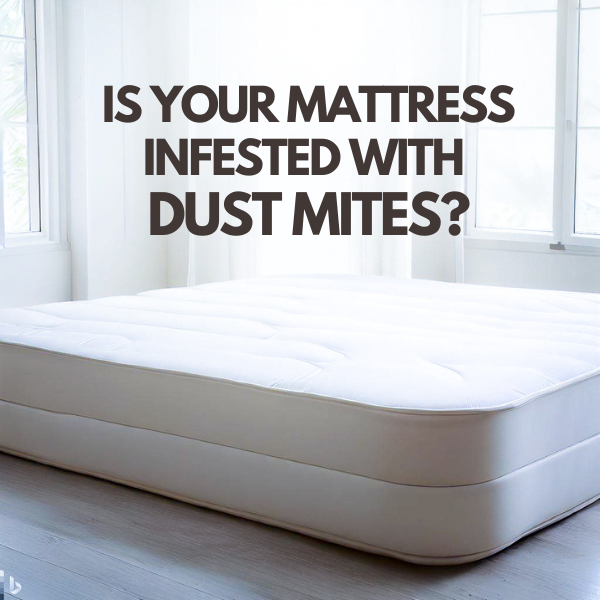
Are you constantly sneezing and waking up with itchy eyes? The culprit could be dust mites lurking in your mattress. In this step-by-step guide, you will find out out how to clean your mattress to reduce dust mite allergen load.

Remove sheets, pillowcases and mattress protectors so your dust mite vacuum makes direct contact with the bare mattress. Wash the linen at 60°C where the fabric allows — hotter washes remove more dust mite allergens than cold.

This is the most common mistake. Pulsating pads need time to dislodge allergens from fabric fibres, and UV-C needs exposure time on the surface. Move the vacuum head slowly — roughly one inch per second. A full mattress should take 5 minutes or more.

Vacuum the mattress in vertical rows, overlapping each pass by a third. Then go over it again in horizontal rows. This cross-hatch approach attacks fabric fibres from two directions and makes sure no strip of the mattress is missed.

Dust and skin cells collect along the mattress sides and the piping seams around the edges — prime hiding spots that most people overlook. Use a narrower nozzle or crevice tool to vacuum the seams thoroughly. Apply the same routine to pillows, sofas and pet beds.

Captured allergens left sitting in the dust cup or water tank can leak back into the air next time you switch the machine on. Empty water tanks immediately and let them air-dry. For dry vacuums, empty the cup into a sealed bag outside the home and wash the HEPA filter per the manufacturer's instructions.

Consistency is what controls dust mite allergens long-term, not intensity. Build vacuuming into your weekly linen change so it becomes routine. Pair regular vacuuming with a dust mite mattress protector and humidity below 50% for the best ongoing results.
Answers to common questions about choosing and using a dust mite vacuum in Australia — from HEPA filtration to mattress cleaning routines.
Not strictly — but a standard vacuum without HEPA-grade filtration can recirculate fine dust mite allergens through its exhaust. A vacuum with true HEPA filtration, a sealed body and strong suction is far more effective at capturing and containing those particles.
For most allergy-aware households, a HEPA or UV-C dust mite vacuum paired with weekly mattress cleaning makes a noticeable difference. Pair it with dust mite mattress protectors to limit how many allergens accumulate in the first place.
HEPA filtration captures 99.97% of particles at 0.3 microns, which includes most dust mite allergens, pet dander and pollen. The filter doesn't remove mites from the mattress on its own — but it stops the particles being released back into the air during vacuuming, which is the key issue for allergy sufferers.
For best results, look for a true HEPA filter (not "HEPA-style" or "HEPA-like") combined with a sealed vacuum body. Browse our HEPA dust mite vacuum range or read our guide to choosing a vacuum for allergies.
UV-C is a long-established technology used for surface exposure in a range of consumer and industrial settings. On a handheld mattress vacuum, it adds a layer of surface treatment while you're cleaning. UV-C alone isn't a complete dust mite solution — it works best alongside suction, pulsating pads and HEPA filtration in the same machine.
If you'd like to see how UV-C vacuums compare to water filter and stick vacuums, our Vacumi VC3 water filter vacuum review walks through the differences.
Both work well, and the right one depends on your home. Water filter vacuums trap allergens in water rather than a dust bag — no dusty cloud when emptying — and they double as wet-and-dry cleaners. HEPA stick and handheld vacuums are lighter, faster to grab and easier to use day to day.
Many allergy-aware homes use both: a water filter vacuum like the Vacumi VC3 for whole-home cleaning, plus a handheld HEPA vacuum for the mattress between linen changes. Our water filter vacuum review compares the two in detail.
Weekly is a good baseline for most households, ideally on linen-change day. If allergies are significant or you have pets sleeping on the bed, twice a week is reasonable. Always vacuum the bare mattress (not over the protector or sheets) and move slowly — about one inch per second — to give the suction and any pulsating pads time to work.
For a full step-by-step approach, see our guide on how to clean your mattress for dust mites. After vacuuming, encase the mattress in a dust mite mattress protector to slow allergen build-up.
Vacuuming primarily removes dust mite allergens — the microscopic particles from their waste and body fragments that trigger allergic reactions — rather than the mites themselves. Some mites will be lifted into the vacuum, but the more important outcome is reducing the allergen load on mattresses, carpets and upholstery.
For broader dust mite control, vacuuming works best as part of a routine that includes dust mite mattress protectors, dust mite sprays, weekly hot washing of bedding, and keeping indoor humidity below 50%. A dehumidifier can help with that last point. For a complete approach, see our top 10 products to minimise dust mites.
It can. Standard vacuums without sealed HEPA systems may release fine allergen particles through the exhaust, briefly raising airborne allergen levels in the room. People with diagnosed dust mite allergy sometimes notice symptoms shortly after vacuuming for this reason.
The fix is either a sealed-system HEPA vacuum, a water filter vacuum, or asking someone without allergies to do the vacuuming and ventilating the room afterwards. Browse vacuums suitable for allergy households or run an air purifierduring and after cleaning to help reduce airborne particles.
The right vacuum depends on what you're cleaning. For whole-home use plus mattresses, the Vacumi VC3 water filter vacuum is a strong all-rounder. For mattresses, sofas and pet beds specifically, a cordless UV-C handheld with HEPA filtration is purpose-built. For carpets and hard floors, a HEPA stick vacuum with strong suction is usually the practical choice.
To compare options side by side, use the comparison table on this page. For deeper guidance, see our vacuum buying guide for allergy sufferers.
Find out how you can choose a vacuum cleaner if you suffer from allergies.