-
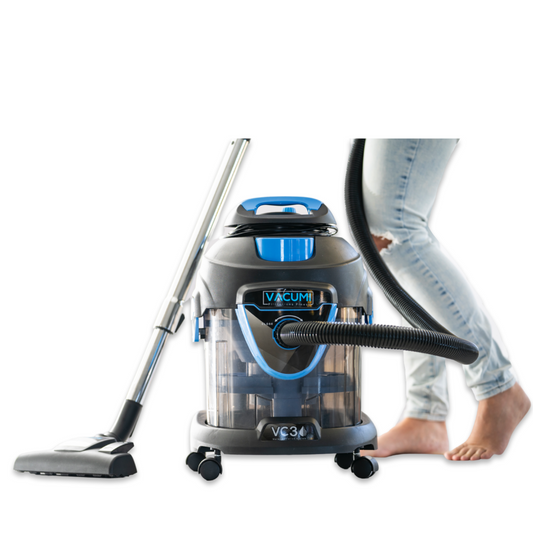
Water Filter Vacuum I VACUMI VC3
Regular price $429.00Regular priceUnit price per$488.00Sale price $429.00Sale -
UV-C Dust Mite Vacuum I Blue I 13,000Pa Handheld Cleaner with HEPA Filtration
Regular price $109.00Regular priceUnit price per$119.00Sale price $109.00Sale -
Wireless Dust Mite Vacuum I Pink I UV Sterilisation & Humidity Display I 10,000Pa
Regular price $129.00Regular priceUnit price perSale price $129.00 -
White Cordless UV-C Dust Mite Vacuum I Handheld Vacuum Cleaner
Regular price $129.00Regular priceUnit price perSale price $129.00 -
Cordless UV-C Dust Mite Vacuum I Purple I Hot Air, Pulsating Pads & LED Display
Regular price $119.00Regular priceUnit price perSale price $119.00 -
LF-LP018 Cordless Mite Vacuum Cleaner 120W – Blue
Regular price $119.00Regular priceUnit price per$170.00Sale price $119.00Sale -
Devanti Carpet Washer Handheld Vacuum Cleaner 800W
Regular price $320.00Regular priceUnit price perSale price $320.00 -
Steam Cleaner and Vacuum SV8 Lite
Regular price $3,999.00Regular priceUnit price perSale price $3,999.00 -
Devanti Stick Vacuum Cleaner HEPA Filter I Red I 150W
Regular price $149.00Regular priceUnit price perSale price $149.00 -
Cordless Handheld Dust Mite Vacuum Cleaner | High Suction Power | USB Rechargeable
Regular price $99.00Regular priceUnit price per$124.00Sale price $99.00Sale -
Cordless Upholstery & Mattress UV Vacuum Cleaner with HEPA Filter
Regular price $99.00Regular priceUnit price perSale price $99.00
How to choose the right dust mite vacuum
Collapsible content
Water filter dust mite vacuum - features and how they work
A water filter dust mite vacuum is a type of vacuum cleaner that uses water as the primary filter medium to capture dust, allergens, and other particles, including dust mites. Here's an overview of how they work and their key features:
How Water Filter Dust Mite Vacuums Work
- Suction Mechanism: Like traditional vacuums, these devices use a suction mechanism to draw in dirt, dust, and other particles from surfaces.
- Water Filtration: The key differentiator is the water filtration system. As air and particulates are sucked into the vacuum, they are passed through water. Dust, allergens, and dust mites are trapped in the water.
- Separation of Particles: The water effectively traps these particles, preventing them from being re-released into the air. As the air passes through the water, it gets purified and then expelled back into the room.
- Regular Emptying: After vacuuming, the dirty water (which now contains the trapped particles) is discarded, and the container is cleaned before the next use.
Considerations
- Maintenance: These vacuums require more maintenance than traditional vacuums. The water container needs to be emptied and cleaned after each use to prevent mold and mildew growth.
- Weight and Maneuverability: They can be heavier and less maneuverable compared to dry vacuums, due to the water tank.
UV light dust mite vacuums - features and how they work
UV light vacuums incorporate ultraviolet (UV) light technology in addition to traditional vacuuming mechanisms. Here's a detailed look at their features and how they work:
Features of UV Dust Mite Vacuums
- Ultraviolet (UV) Light: These vacuums are equipped with a UV lamp that emits ultraviolet light. UV light is known for its germicidal properties.
- Vacuuming Function: In addition to the UV light, these vacuums also function as regular vacuums.
- Vibration or Beating Technology: Some models feature a vibrating or beating function, which helps dislodge dust mites and their waste from deep within fabrics.
How They Work
- Direct Exposure: The vacuum is used directly on surfaces where dust mites are commonly found, such as mattresses, pillows, sofas, and curtains.
- UV Light Application: As you slowly move the vacuum over the surface, the UV light exposes ultraviolet radiation.
- Vacuuming Up Allergens: Following the UV treatment, the vacuuming function removes debris from the surface.
- Filtration: The air and particles sucked into the vacuum pass through a HEPA filter, ensuring that allergens are not released back into the room.
Considerations
- Effectiveness: While UV vacuums can reduce the number of dust mites, they should be part of a broader strategy for managing allergens in the home. Regular cleaning and maintaining a low-humidity environment are also important.
- Safety: It's crucial to use the vacuum according to the manufacturer's instructions, as exposure to UV light can be harmful to skin and eyes.
How to clean your mattress
Are you constantly sneezing and waking up with itchy eyes? The culprit could be dust mites lurking in your mattress. In this step-by-step guide, you will find out out how to clean your mattress to reduce dust mite allergen load.
5 Vacuum Cleaner Features to Consider if You Suffer From Allergies
Find out how you can choose a vacuum cleaner if you suffer from allergies.
Review of water filter vacuum Vacumi VC3
Discover how water filter vacuums work, compare them to bag, stick, and HEPA vacuums, and see why they're excellent for allergies.
The Ultimate Guide to Dust Mite Vacuums: Breathe Easier at Home
We’ve all been there. You spend your Saturday morning scrubbing the house from top to bottom, changing the sheets, and vacuuming the carpets, only to wake up the next morning with a stuffy nose, itchy eyes, and a scratchy throat. It feels unfair, doesn't it? You did the work, so why are your allergies still acting up?
The uncomfortable truth is that your standard cleaning routine might actually be making things worse. While regular vacuum cleaners are great for picking up visible dirt and crumbs, they often lack the filtration technology needed to trap microscopic allergens. Instead of removing dust mites, a standard vacuum can suck them up and blast them right back out of the exhaust, creating an invisible cloud of allergens that lingers in the air long after you’ve put the machine away.
For allergy sufferers, this is where a specialized dust mite vacuum becomes a game-changer. These aren't just fancy gadgets; they are precision tools designed to trap particles as small as 0.3 microns. But with so many options on the market—from water filtration systems to UV-C handhelds—how do you know which one is right for your home?
In this comprehensive guide, we’ll walk you through everything you need to know about dust mite vacuums. We’ll explore why they are necessary, break down the jargon around HEPA and UV-C technology, and review some of the top models available to help you create a healthier, happier home for your family.
The Invisible Enemy: Understanding Dust Mites
Before we dive into the technology, it helps to understand exactly what we are up against. Dust mites are microscopic arachnids—relatives of spiders and ticks—that thrive in warm, humid environments. They don’t bite or burrow into the skin; instead, they feed on dead human skin cells.
This is why they love our homes so much. Your mattress, pillows, sofas, and carpets are effectively an "all-you-can-eat buffet" for dust mites.
However, it’s not the mites themselves that usually cause the allergic reaction. It is a protein found in their waste products and decaying body parts that triggers the immune system. When these particles are disturbed—by sitting on a sofa, fluffing a pillow, or vacuuming with a non-HEPA machine—they become airborne. When inhaled, they can cause symptoms ranging from sneezing and runny noses to eczema flare-ups and asthma difficulties.
Because these particles are microscopic, simply "cleaning" isn't enough. You need to physically remove them and ensure they stay trapped.
Why a Standard Vacuum Often Isn't Enough
If you have a standard vacuum cleaner, you might be wondering why you need to upgrade. The answer lies in filtration and containment.
Most standard vacuums are designed for macro-cleaning. They pick up hair, sand, crumbs, and visible dust bunnies. The filters in these machines are often porous enough to let fine dust pass right through. When the motor generates suction, it also generates airflow. If the filter can't trap the microscopic allergens, the vacuum acts like a leaf blower for dust mites, circulating them throughout the room.
A specialized dust mite vacuum addresses this in three ways:
Superior Filtration: Using HEPA or water filtration to trap 99.9% of particles.
Agitation: Using vibration or beater bars to dislodge mites clinging to fabric fibres.
Sanitisation: Using UV-C light to neutralise bacteria and disrupt mite DNA.
Key Features to Look For in an Allergy Vacuum
When you are shopping for a solution, it’s easy to get overwhelmed by the technical specs. Here are the specific features you should prioritize to ensure you get the best relief for your family.
1. HEPA Filtration
This is the gold standard. HEPA stands for High-Efficiency Particulate Air. To qualify as HEPA, a filter must trap at least 99.97% of particles that are 0.3 microns in diameter. This size is critical because it captures the most penetrating particle size, including dust mite allergens, pet dander, and pollen.
2. Water Filtration
Water filtration is an incredibly effective, natural alternative to bags. In these vacuums, the sucked-up air is forced through a tank of water. The water traps the dirt, dust, and allergens, wetting them so they become heavy and cannot become airborne again. The air that exits the machine is washed and clean. Plus, there are no dusty bags to change—you simply pour the dirty water down the toilet.
3. UV-C Light Technology
Many handheld mite vacuums include a UV-C (Ultraviolet-C) lamp. UV-C light is germicidal; it deactivates the DNA of bacteria, viruses, and dust mites, preventing them from reproducing. While the light needs exposure time to be fully effective, it adds a layer of hygiene that suction alone cannot provide.
4. High Suction Power (Pa)
Suction is measured in Pascals (Pa). For deep cleaning mattresses and thick carpets where mites hide deep in the fibres, you want high suction. A standard handheld might offer 4,000Pa, but for effective mite removal, look for machines offering 10,000Pa or higher.
5. Pulsating Pads
Dust mites have claw-like legs that they use to cling stubbornly to fibres. Suction alone sometimes isn't enough to lift them. High-quality mite vacuums often feature "pulsating pads" or a vibrating head that beats the fabric thousands of times per minute. This vibration shakes the mites and dust loose, bringing them to the surface where the vacuum can suck them up.
Top Dust Mite Vacuum Reviews
To help you navigate the options, let’s look at two standout performers that cater to different needs: a whole-home solution and a targeted handheld solution.
The All-Rounder: Water Filter Vacuum I VACUMI VC3
If you are looking for a heavy-duty machine that can tackle floors, carpets, and mattresses while purifying the air, the VACUMI VC3 is a powerhouse.
How it works:
The VC3 utilizes a 3-stage filtration system. First, water filtration traps the majority of dirt and allergens in the tank. Second, a foam filter catches moisture and particles. Finally, a HEPA filter ensures that the exhaust air is 98% purified.
Why we love it for allergies:
No "Dust Cloud": Because the dust is trapped in water, you don't get that puff of dust when you empty the vacuum. You just pour out dirty water.
Incredible Suction: With a 1400W motor generating 19,000Pa of suction, it is significantly more powerful than most standard vacuums, reaching deep into carpets.
Versatility: It functions as a wet and dry vacuum. Spilled a drink? It can handle it. Need to blow dust out of a window track? It has a blower function too.
Economical: You save money on buying replacement vacuum bags.
This is the ideal choice for families who want one machine to handle the heavy lifting for the whole house.
The Targeted Specialist: UV-C Dust Mite Vacuum I Blue I 13,000Pa Handheld
For daily or weekly maintenance of mattresses, sofas, and pillows, a cumbersome floor vacuum isn't always convenient. This is where the UV-C Dust Mite Vacuum (Blue) shines.
How it works:
This handheld unit combines strong suction with UV-C sterilisation and high-frequency tapping.
Why we love it for allergies:
Deep Cleaning Agitation: It features pulsating pads that vibrate 8,000 times per minute. This physically knocks dust mites loose from the mattress fibres.
Sterilisation: The built-in UV-C light helps kill bacteria on the surface of your bedding.
Strong Handheld Power: Despite its compact size, it boasts 13,000Pa suction power, which is impressive for a cordless handheld unit.
HEPA Filtration: It ensures that what you suck up stays inside the dust cup.
This unit is perfect for the "quick clean" in between linen changes. It’s lightweight, cordless, and easy to grab whenever you want to freshen up the sofa or the dog's bed.
How to Use a Dust Mite Vacuum Effectively
Owning the right tool is only half the battle; using it correctly is what brings relief. Here is a step-by-step guide to vacuuming your way to a sneeze-free sleep.
Step 1: Strip the Bed completely
Remove all sheets, pillowcases, and mattress protectors. These should go straight into the wash (ideally at 60°C to kill mites). You want to vacuum the bare mattress surface.
Step 2: Go Slow
This is the most common mistake people make. When vacuuming for allergens, speed is your enemy. You need to give the pulsating pads time to shake the dust loose and the UV-C light time to expose the surface. Move the vacuum very slowly—about 1 inch per second.
Step 3: Use a Cross-Hatch Pattern
Vacuum the entire mattress in vertical rows, overlapping slightly. Then, do it again in horizontal rows. This ensures you haven't missed a spot and that you've attacked the fabric fibres from multiple directions.
Step 4: Don’t Forget the Sides
Dust mites don't just live on the top. Vacuum the sides of the mattress and the piping around the edges, as this is a prime hiding spot for dust accumulation.
Step 5: Clean the Vacuum Immediately
If you leave the dust sitting in the cup, bacteria can grow, and the mites can remain inside.
For Water Vacuums: Empty the dirty water immediately, rinse the tank, and let it air dry.
For Dry Vacuums: Empty the dust cup into a trash bag outside your home to prevent re-entry. Wash the HEPA filter regularly according to the manufacturer's instructions to maintain suction power.
Additional Tips for Allergy Control
While a high-quality vacuum is a critical weapon in your arsenal, it works best as part of a holistic strategy. Here are a few more tips to keep your allergen load low:
Encase Your Mattress: After vacuuming, seal your mattress and pillows in dust mite-proof protectors. These have a pore size so small that mites cannot pass through, cutting them off from their food source.
Control Humidity: Dust mites thrive in humidity above 50%. Using a dehumidifier can make your home inhospitable to them.
Declutter: Piles of clothes, soft toys, and open bookshelves catch dust. Keep surfaces clear to make them easier to wipe down.
Wash Weekly: Wash your bed linen every week in hot water (at least 60°C). If you wash in cold water, you are cleaning the sheets but not necessarily killing the mites.
Conclusion
Living with dust mite allergies can be exhausting, but you don't have to just "put up with it." By upgrading from a standard vacuum to a specialized tool like the VACUMI VC3 or the UV-C Handheld Cleaner, you are removing the root cause of the problem rather than just moving it around.
Investing in the right technology helps you reclaim your home and, most importantly, your sleep. Whether you need the deep-cleaning power of water filtration or the convenience of a UV-C handheld, there is a solution that fits your lifestyle.
Ready to banish the mites and breathe easier? [Explore our full range of Dust Mite Vacuums here] and take the first step towards a healthier home today.