Skip to content

If you've ever wondered whether dust mite products actually do anything, or you just want to understand what you're dealing with, this page from Dust Mite Allergy Solutions walks through the biology in plain language and links to the peer-reviewed research behind each claim, so you can check it yourself rather than take our word for it. It's a long page, deliberately: we'd rather give you the full picture than a slogan.
This is general information, not medical advice. For diagnosis or treatment of any allergy, asthma or skin condition, speak with your GP or an allergist.
What house dust mites actually are
House dust mites are microscopic relatives of spiders — not insects — that live in homes worldwide, feeding mainly on shed human and pet skin flakes. The species behind most allergic disease are Dermatophagoides pteronyssinus and Dermatophagoides farinae, along with Euroglyphus maynei and, in warmer climates, Blomia tropicalis. They're barely visible to the naked eye — about a quarter to half a millimetre long — and they don't bite or burrow; the problem isn't the mite itself but what it leaves behind.

A mite develops through five stages — egg, larva, protonymph, tritonymph and adult. Reproduction is fast. In laboratory work on D. farinae, a full life cycle took about 35.6 days at 23°C and just 17.5 days at 30°C, and each female laid an average of about 65 eggs over a reproductive period of roughly five weeks. That short generation time is the practical reason a population that seems under control can rebound within weeks once conditions turn favourable again.
Where mites settle in a home is determined mostly by humidity: they can't drink liquid water and instead absorb moisture from humid air. That's why they concentrate in mattresses, pillows, carpet pile and upholstered furniture, which hold warmth and moisture, rather than on hard, exposed surfaces.
Sources: Miller 2019, Clinical Reviews in Allergy & Immunology · Arlian & Morgan 2003, Immunology and Allergy Clinics of North America · Arlian & Dippold 1996, Journal of Medical Entomology
Dust mites in Australia
Much of Australia's climate — warm, and in many regions genuinely humid — sits comfortably inside the range dust mites need to thrive, which is a large part of why dust mite allergy is such a common issue for Australian households.

One of the earliest pieces of Australian-specific evidence comes from a study that measured mite concentrations in household dust across three towns chosen for their contrasting geography and climate: Belmont (NSW coast), Busselton (WA) and Wagga Wagga (inland NSW). The researchers found that the rate of positive allergy skin tests in local schoolchildren varied with local mite concentrations. Skin-test reactions were larger in Busselton than in either Wagga Wagga or Belmont, and some Belmont dust samples contained D. farinae alongside D. pteronyssinus, showing that more than one species can turn up in a single Australian location. It's an older study, but it established early that dust mite exposure in Australia varies by region rather than being uniform.
That regional variation lines up with mite biology. Mites absorb water vapour directly from the air and need relative humidity above roughly 65–70% to stay in water balance; active mites don't survive longer than 6 to 11 days at 50% relative humidity or below, although a drought-resistant juvenile stage can hold on for months in dry conditions. In broad terms, that's why humid coastal and northern parts of Australia tend to support more mite activity than drier inland areas — but "drier" doesn't mean "mite-free". A study of 50 homes in two towns in a dry inland region of Australia still found the main dust mite allergen (Der p 1) in every house — and homes with evaporative coolers had roughly three to four times more mite allergen in beds and floors, because those coolers add moisture to indoor air.
The practical upshot: if you live in a coastal, humid or tropical part of Australia, humidity control (covered below) is likely one of the most relevant levers available to you, because your local climate is doing a lot of the work to keep indoor humidity above the level mites need.
We've written a longer, region-by-region guide for Australian homes: Dust Mite Allergy in Australia.
Sources: Green et al. 1986, Australian and New Zealand Journal of Medicine · Arlian 1992, Experimental & Applied Acarology · Vanlaar et al. 2001, Allergy
Where mites concentrate in your home
Beds get particular research attention for good reason: we spend roughly a third of our lives in them, body heat and perspiration raise local humidity overnight, and the mattress and pillow sit close to your face for hours at a time. Carpets and upholstered furniture are the other major reservoir, and they're harder to treat thoroughly than bedding — which is why carpet-specific methods (steam cleaning, sun exposure) turn up as a distinct research area, covered below.
Indoor humidity follows the seasons, and so do mite populations. A field study of 71 homes in Ohio, USA, run across two humid summers, found that homes without effective humidity control saw mite counts and allergen levels peak each summer — at 500 to 1,000 mites per gram of dust — and fall again over winter. If your symptoms seem worse at a particular time of year, this seasonal pattern is worth knowing about.
Source: Arlian et al. 2001, Journal of Allergy and Clinical Immunology
What actually triggers the allergic reaction
It's not the mites themselves that cause allergy — it's mostly their faecal particles and shed body fragments, which collect in mattresses, carpets and soft furnishings and become airborne when disturbed. Exposure happens through contact with the eyes, nose, airways and skin.
There isn't just one dust mite allergen — there are around 20 recognised groups, but a handful matter most:
- Group 1 (Der p 1 / Der f 1) — cysteine proteases concentrated in mite faecal pellets. Der p 1 was the first house dust mite allergen identified and cloned, and its enzyme (protease) activity appears to contribute directly to its allergenicity. Groups 1 and 2 together are the dominant dust mite allergens: most mite-allergic people are sensitised to one or both.
- Group 2 (Der p 2) — a lipid-binding protein that structurally mimics a component of the innate immune system (MD-2), which lets it activate innate immune signalling directly.
- Der p 23 — a more recently characterised allergen that binds chitin (the material in mite exoskeletons) and is recognised by a high proportion of mite-allergic people.
- Groups 3, 6 and 9 — serine proteases. They're less abundant and less often the dominant allergen, but Der p 1 itself activates these serine proteases from their inactive form, so the group 1 allergen sits upstream of several others.
Sources: Reithofer & Jahn-Schmid 2017, International Journal of Molecular Sciences · Miller 2019
The mechanism, in more depth
This subsection goes deeper into the immunology than most readers need — skip ahead to "How exposure becomes an allergic reaction" if you'd rather stay practical.
Der p 1's protease activity disrupts the tight junctions between the cells lining the airway and skin, making it easier for allergen particles to get through — researchers call this "facilitated allergen delivery". It also prompts those lining cells to release chemical signals that recruit immune cells into the tissue, and induces inflammatory signals through a receptor called PAR-2. On top of the barrier disruption, the same protease activity nudges the immune system toward a "Th2-biased" response — the type of immune activity behind allergic (as opposed to protective) reactions — partly by cleaving receptors (such as CD25 and CD23) that would otherwise help keep the allergic response in check. It can also cleave lung surfactant proteins (SP-A and SP-D) that help clear allergen from the airway. Put together: this is a molecule whose own enzyme activity actively favours the allergic response, not one that simply happens to be present.
Source: Reithofer & Jahn-Schmid 2017, International Journal of Molecular Sciences
How exposure becomes an allergic reaction
Once protease allergen breaches the skin or airway lining, it activates immune signalling that recruits Th2-type immune cells, which drive allergic inflammation. A 2019 study in Nature Immunology traced a specific pathway in mouse skin: dust mite protease activated a subset of pain-sensing nerve cells, which released a signalling molecule (substance P) that in turn triggered nearby mast cells to release inflammatory chemicals. This was demonstrated in mice, so treat it as a recent research finding rather than settled human biology.
Sources: Serhan et al. 2019, Nature Immunology · Tibbitt et al. 2019, Immunity · Calderón et al. 2014, Journal of Allergy and Clinical Immunology
Conditions linked to dust mite allergy
Dust mite sensitisation is associated with several conditions. Only a doctor can diagnose any of them in you or your family:
- Allergic rhinitis — sneezing, congestion, runny or itchy nose, often with itchy, watery eyes.
- Allergic asthma — dust mites are one of the most common allergic triggers of asthma worldwide.
- Atopic dermatitis (eczema) — ASCIA lists contact with house dust mite allergen among possible eczema triggers in some people, while noting that allergens are not usually the direct cause of eczema.
- Allergic conjunctivitis — itchy, watery, red eyes, often alongside rhinitis.
Some dust mite proteins resemble proteins in shellfish and other invertebrates, so a small number of people with dust mite allergy also react to foods such as prawns or snails. If you suspect any of these conditions, the right first step is your GP and, where appropriate, allergy testing through a doctor — not guessing from symptoms.
Sources: ASCIA, Eczema · Schuler & Montejo 2021, Immunology and Allergy Clinics of North America · Caraballo 2024, Expert Review of Clinical Immunology · Miller 2019
What actually reduces exposure — the honest version
This is the section we care most about getting right, because it's easy for a store like ours to overstate what the products we sell can do. Here's the balanced picture, including the less flattering parts.
A 1998 meta-analysis in the BMJ pooled 23 randomised trials of chemical and physical dust mite control measures in people with asthma and concluded that the methods tested "seem to be ineffective" as stand-alone measures for asthma. A larger Cochrane review in 2008 (54 trials) reached the same conclusion. More recent evidence refines rather than overturns this: a 2025 meta-analysis of 17 randomised trials found avoidance methods do reduce dust and dust mite allergen levels, but that this was not enough on its own to improve asthma, allergic rhinitis or quality of life.
Read together, the fair summary is: these methods reduce the amount of allergen in your home (that part is well established), but lower exposure doesn't guarantee fewer symptoms for any one person. That's why the research below is described in terms of mites and allergen, and why medical management stays with your doctor.
Sources: Gøtzsche, Hammarquist & Burr 1998, BMJ · Gøtzsche & Johansen 2008, Cochrane Database of Systematic Reviews · Sobczak, Kowal & Pawliczak 2025, International Forum of Allergy & Rhinology
Humidity control
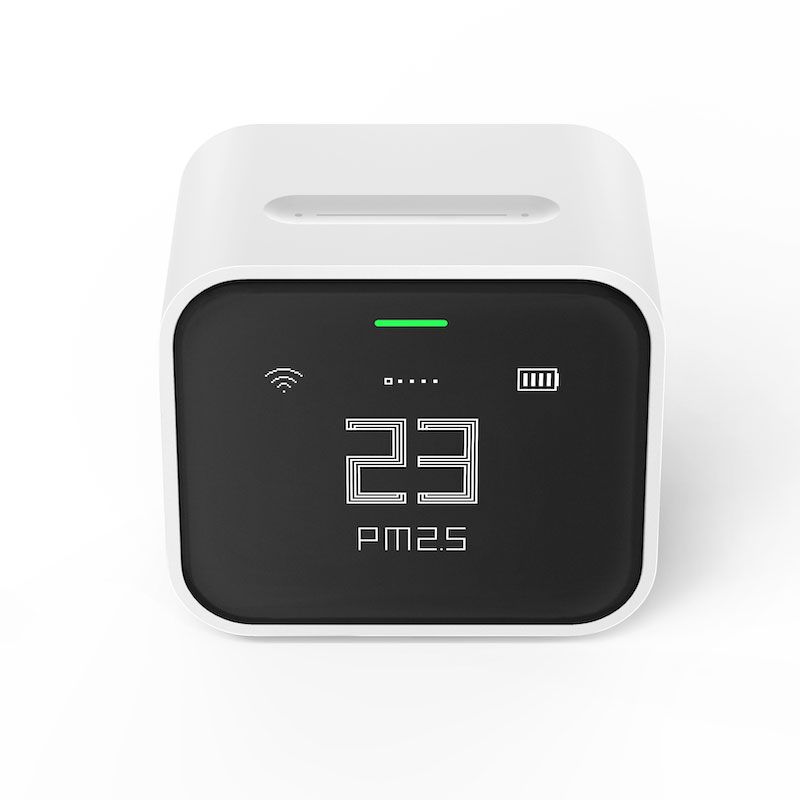
Of all the research on this page, the humidity data is the most striking. A 17-month study of 71 homes in a humid temperate climate (Ohio, USA) followed a group of 23 homes that kept indoor relative humidity below 51%, most of them using a high-efficiency dehumidifier plus air conditioning. Live mites in those homes fell from an average of 401 to 8 per gram of dust, and dust mite allergen fell from 17 to 4 micrograms per gram (about 76%). Homes that didn't keep humidity below that level saw the usual summer peaks of 500 to 1,000 mites per gram. Because the threshold matters, it's worth measuring indoor humidity with a hygrometer or air quality monitor rather than guessing.
Source: Arlian et al. 2001, Journal of Allergy and Clinical Immunology
Mattress and pillow encasements
The most rigorous single trial here is a Danish double-blind, placebo-controlled study of 60 children aged 6 to 15 with doctor-diagnosed asthma and confirmed dust mite allergy (47 completed the analysis). Children were given either allergen-control mattress and pillow encasings or placebo covers. Over a year, dust mite allergen in mattresses fell significantly only in the active-encasing group. The children's doctors also tapered their asthma medication by set criteria throughout, and the active group's medication needs fell further than the placebo group's.
Two cautions: this was a specific group of children whose asthma was being managed by doctors, and the 2025 meta-analysis above found that, across trials, encasements and other avoidance measures reduce allergen without reliably improving symptoms. Encasements are a barrier that reduces your exposure to allergen in the bed — not a treatment, and not a substitute for medical care.
Source: Halken et al. 2003, Journal of Allergy and Clinical Immunology
Mattress vacuuming
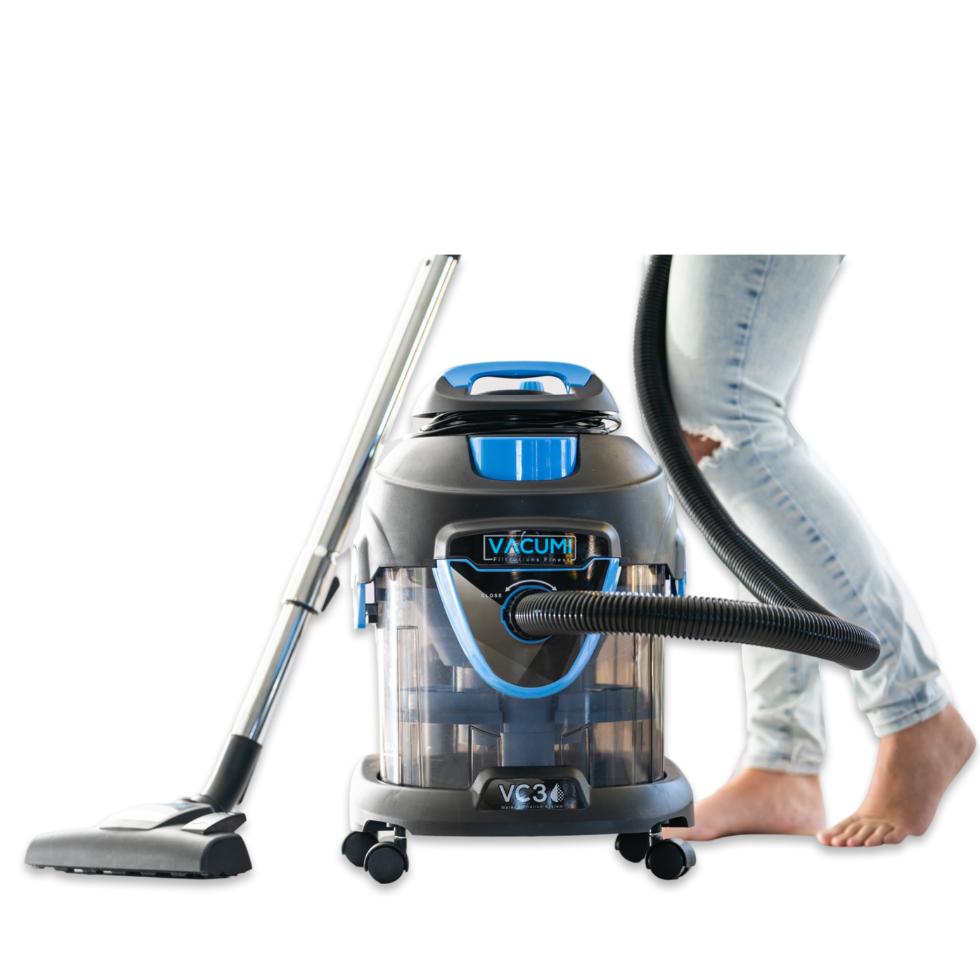
Twenty volunteers in New Zealand who vacuumed their own mattress daily for 8 weeks saw total dust mite allergen in the mattress fall by 85.1%, bacterial endotoxin by 71.0% and fungal beta-glucan by 75.7%, largely because total dust fell by 77.7%. ASCIA notes that HEPA vacuums may remove more allergen than other vacuums, but that all vacuuming stirs up mite allergen — so it suggests the allergic person wears a mask or has someone else vacuum, and waits about 20 minutes before going back into the room.
Sources: Wu et al. 2012, Journal of Asthma · ASCIA, Allergen Minimisation
Air purifiers
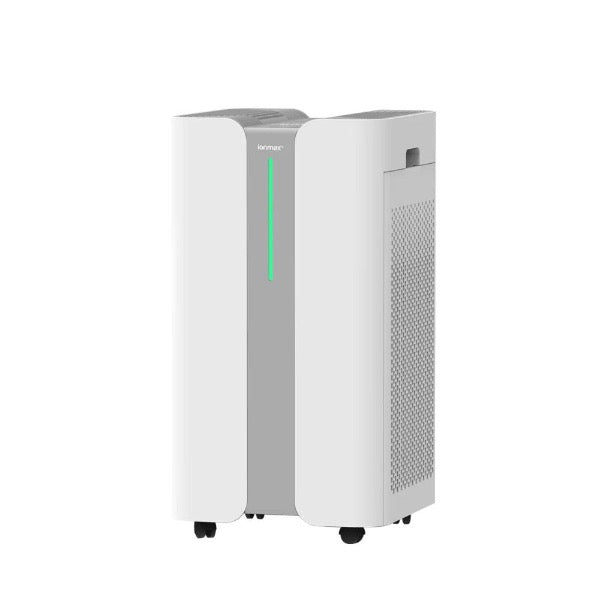
A 2023 systematic review of 148 field studies of portable air cleaners found that, in the 83 studies measuring fine particles, air cleaners cut fine particulate levels by a mean of 49%. But it flagged a common real-world problem: people run units for shorter periods and on low settings because of noise, drafts and electricity cost, which significantly reduces how well they work. The review also notes that some air-cleaning technologies can produce unwanted by-products such as ozone, a concern that doesn't apply to plain mechanical HEPA filtration.
For dust mites specifically, keep expectations realistic: dust mite allergen is carried mostly on heavier particles that settle quickly into bedding and furnishings rather than staying in the air, and ASCIA's dust mite measures don't include air purifiers. A purifier is a reasonable addition for general air quality, but bedding, laundering and humidity do the heavy lifting. The practical takeaway: size the unit to your actual room (check its CADR), favour plain HEPA filtration, and run it continuously.
Sources: Ebrahimifakhar et al. 2024, Science of the Total Environment · ASCIA, Allergen Minimisation
Laundry, steam cleaning and sunlight
Three low-cost habits, each backed by controlled testing — two of them from Australian researchers at the University of Sydney.
Hot washing. In laundry testing, water at 55°C or hotter killed all mites, and no detergent or laundry product improved killing at lower temperatures. A cold wash didn't remove most live mites, but it still cut allergen concentration in the bedding dust by more than 90%, so it's worth doing for items that can't take heat. Dry cleaning was the odd one out: it killed most or all mites but didn't reduce allergen at all. ASCIA's advice for Australian homes is to wash sheets, pillowcases and other bedding weekly in water above 60°C; if hot washing isn't possible, it suggests a commercial washing product containing tea tree or eucalyptus oil, which can work in cold water.
Steam cleaning. A domestic steam cleaner applied to mite-seeded carpet squares in the laboratory left no live mites for the full four months of the study, while untreated squares climbed to 185 mites per sample. In a real flat, steam cleaning cut Der p 1 allergen in the carpet by 86.7%, compared with 4.7% in untreated areas.
Sunlight. Australian researchers showed that direct exposure of carpets to strong sunlight can kill all mites. Killing mites doesn't remove the allergen they've left behind, so follow sunning with a thorough vacuum.
Sources: McDonald & Tovey 1992 · Colloff et al. 1995, Clinical & Experimental Allergy · Tovey & Woolcock 1994 · ASCIA, Allergen Minimisation
Why populations rebound so fast if you stop
Remember the life-cycle numbers from the top of this page: a female mite can lay around 65 eggs over about five weeks, and a generation can complete in as little as 17.5 days in warm conditions. That's why every method above works best as an ongoing routine rather than a one-off treatment — a population that's been knocked back can recover within a season if humidity, laundering and vacuuming all lapse.
Source: Arlian & Dippold 1996, Journal of Medical Entomology
Common myths, debunked
- "Dust mites bite you."
- No. Dust mites don't bite, sting or burrow. Itching linked to dust mites comes from an immune reaction to their faecal particles and body fragments, not from the mite itself.
- "Dry cleaning gets rid of dust mite allergen."
- Not on its own. Testing found dry cleaning kills mites but doesn't reduce allergen. A wash cycle, even a cold one, removes far more.
- "A cold wash doesn't do anything."
- It does, just not by killing mites. A cold wash cut allergen concentration by more than 90% in controlled testing.
- "One air purifier will fix my allergy."
- The evidence doesn't support that. Air purifiers reduce airborne particles, but dust mite allergen mostly settles into bedding and furnishings, so a purifier is at best one part of a combined routine.
- "Once you treat your home, you're done."
- Unfortunately not. Mite populations can regenerate within weeks, so exposure reduction only works as an ongoing routine.
Your exposure-reduction checklist
- Keep indoor relative humidity below about 50% — measure it rather than guess.
- Wash sheets and pillowcases weekly in water above 60°C where the fabric allows; for heat-sensitive items, ASCIA suggests a cold-wash product containing tea tree or eucalyptus oil.
- Encase your mattress, pillows and quilt in dust-mite-resistant covers, and wash the covers at least every two months.
- Vacuum mattresses and carpets regularly, ideally with a HEPA vacuum — and if you're the allergic one, let someone else do it or wait 20 minutes before going back in.
- Steam-clean, or sun and then vacuum, carpets and rugs every few months, especially heading into humid seasons.
- In dry inland areas, be aware that evaporative coolers raise indoor humidity — and mite allergen with it.
- If you use an air purifier, size it to the room, choose plain HEPA, and run it continuously.
- Don't rely on dry cleaning to reduce allergen.
- Treat this as an ongoing routine, not a one-off clean.
Frequently asked questions
Are dust mites worse in some parts of Australia than others?
Broadly, yes. Mites need relative humidity above roughly 65–70% to thrive, so humid coastal and northern regions generally support more mite activity than drier inland areas. An Australian study comparing three towns found mite concentrations and children's skin-test results varied by region — but dust mite allergen has still been found in homes across dry inland Australia. See our Australia guide for more.
Does a mattress protector cure dust mite allergy?
No. A dust-mite-resistant encasement is a barrier that reduces allergen in the bed. A 2025 meta-analysis of 17 trials found avoidance measures reduce allergen levels but aren't enough on their own to improve asthma or rhinitis. Allergy treatment is a matter for your GP or allergist.
What humidity level stops dust mites breeding?
Keeping indoor relative humidity below about 50% is the key lever. In a 17-month study, homes kept below 51% saw live mites fall from 401 to 8 per gram of dust and allergen fall by about 76%.
What actually causes the allergic reaction — the mite itself?
No — mostly their faecal particles and body fragments, which contain allergens such as Der p 1. These collect in bedding and furnishings and become airborne when disturbed, which is why barrier covers and washing target the allergen, not just live mites.
Do air purifiers get rid of dust mite allergies?
No. Air purifiers reduce airborne particles — a 2023 review found a mean 49% cut in fine particles in real homes — but dust mite allergen mostly settles into bedding and furnishings rather than staying airborne. A purifier can be part of a routine, alongside encasements, hot washing and humidity control.
Is it worth washing bedding in cold water if I can't use hot?
Yes. Only water at 55°C or hotter reliably kills mites, but a cold wash still removed more than 90% of allergen in controlled testing.
Do dust mites actually bite people?
No. Dust mites don't bite or sting. Itching linked to dust mites comes from an allergic reaction to their faecal particles and body fragments.
Is dry cleaning enough to deal with dust mites?
Not on its own. Testing found dry cleaning kills mites but doesn't reduce the allergen already in the fabric. A wash cycle, even a cold one, removes far more.
Can dust mites be completely eliminated from a home?
Realistically, no. Mites reproduce quickly and respond fast to humidity, so the achievable goal is ongoing reduction of mites and allergen, not permanent elimination.
Products for reducing exposure
If you're putting the routine above into practice, these are the products we'd start with. They reduce mites and allergen in your home; they don't treat any health condition.

Mattress encasement
Cotton Dust Mite Mattress Encasement
Zips fully around the mattress as a barrier between you and the allergen inside it.
From $95 AUD
View product →
Pillow encasement
Cotton Dust Mite Pillow Encasement
Zippered cover for a standard or queen pillow.
$31.50 AUD
View product →
Dehumidifier
Devanti 12L/day Compressor Dehumidifier
Removes up to 12 litres of moisture a day to bring a room's humidity down.
$199 AUD
View product →
Humidity check
Qingping Lite Air Quality Monitor
Shows indoor humidity and air quality, so you know whether you're below 50%.
$269 AUD
View product →
HEPA vacuum
Devanti HEPA Vacuum with Auto-Empty Station
Cordless stick vacuum with a washable HEPA filter; the dock empties the bin for you.
$209 AUD
View product →
Steam cleaner
Athena AT1 Steam Cleaner
Handheld steam cleaner reaching 132°C, for mattresses, upholstery and carpet.
$55 AUD
View product →Prices checked 24 October 2026; see each product page for the current price. More in our mattress protectors, pillow protectors, dehumidifiers, vacuums, steam cleaners and air purifiers collections.
About this page: written by the Dust Mite Allergy Solutions team, with each study checked against its published abstract on 24 October 2026. We sell products in the categories mentioned above. This is general information and does not replace professional medical advice; consult your GP or allergist for diagnosis and treatment.
References
- Arlian LG, Morgan MS. Biology, ecology, and prevalence of dust mites. Immunol Allergy Clin North Am. 2003. DOI
- Miller JD. The Role of Dust Mites in Allergy. Clin Rev Allergy Immunol. 2019. DOI
- Arlian LG, Dippold JS. Development and fecundity of Dermatophagoides farinae (Acari: Pyroglyphidae). J Med Entomol. 1996;33(2):257-260. DOI
- Green WF, Woolcock AJ, Stuckey M, Sedgwick C, Leeder SR. House dust mites and skin tests in different Australian localities. Aust N Z J Med. 1986;16(5):639-643. DOI
- Arlian LG. Water balance and humidity requirements of house dust mites. Exp Appl Acarol. 1992;16(1-2):15-35. DOI
- Vanlaar CH, Downs SH, Mitakakis TZ, et al. Predictors of house-dust-mite allergen concentrations in dry regions in Australia. Allergy. 2001;56(12):1211-1215. DOI
- Arlian LG, Neal JS, Morgan MS, et al. Reducing relative humidity is a practical way to control dust mites and their allergens in homes in temperate climates. J Allergy Clin Immunol. 2001;107(1):99-104. DOI
- Reithofer M, Jahn-Schmid B. Allergens with Protease Activity from House Dust Mites. Int J Mol Sci. 2017. DOI
- Serhan N, et al. House dust mites activate nociceptor-mast cell clusters to drive type 2 skin inflammation. Nat Immunol. 2019. DOI
- Tibbitt CA, et al. Single-Cell RNA Sequencing of the T Helper Cell Response to House Dust Mites. Immunity. 2019. DOI
- Calderón MA, et al. Respiratory allergy caused by house dust mites: What do we really know? J Allergy Clin Immunol. 2014. DOI
- Australasian Society of Clinical Immunology and Allergy (ASCIA). Eczema (atopic dermatitis). allergy.org.au
- Schuler CF IV, Montejo JM. Allergic Rhinitis in Children and Adolescents. Immunol Allergy Clin North Am. 2021. DOI
- Caraballo L. Exploring the relationship between house dust mites and asthma. Expert Rev Clin Immunol. 2024. DOI
- Gøtzsche PC, Hammarquist C, Burr M. House dust mite control measures in the management of asthma: meta-analysis. BMJ. 1998;317(7166):1105-1110. DOI
- Gøtzsche PC, Johansen HK. House dust mite control measures for asthma. Cochrane Database Syst Rev. 2008;(2):CD001187. DOI
- Sobczak M, Kowal K, Pawliczak R. Are There Effective Methods to Reduce Exposure to House Dust Mite Allergens? A Meta-Analysis of Randomized Clinical Trials. Int Forum Allergy Rhinol. 2025;15(8):792-802. DOI
- Halken S, Høst A, Niklassen U, et al. Effect of mattress and pillow encasings on children with asthma and house dust mite allergy. J Allergy Clin Immunol. 2003;111(1):169-176. DOI
- Wu FF, Wu MW, Pierse N, Crane J, Siebers R. Daily vacuuming of mattresses significantly reduces house dust mite allergens, bacterial endotoxin, and fungal β-glucan. J Asthma. 2012;49(2):139-143. DOI
- Ebrahimifakhar A, Poursadegh M, Hu Y, Yuill DP, Luo Y. A systematic review and meta-analysis of field studies of portable air cleaners: Performance, user behavior, and by-product emissions. Sci Total Environ. 2024;912:168786. DOI
- McDonald LG, Tovey E. The role of water temperature and laundry procedures in reducing house dust mite populations and allergen content of bedding. J Allergy Clin Immunol. 1992;90(4 Pt 1):599-608. DOI
- Colloff MJ, Taylor C, Merrett TG. The use of domestic steam cleaning for the control of house dust mites. Clin Exp Allergy. 1995;25(11):1061-1066. DOI
- Tovey ER, Woolcock AJ. Direct exposure of carpets to sunlight can kill all mites. J Allergy Clin Immunol. 1994;93(6):1072-1074. DOI
- Australasian Society of Clinical Immunology and Allergy (ASCIA). Allergen minimisation. allergy.org.au