Skip to content

Dust Mite Allergy Solutions › Blog › Is dust mite spray effective?
Short answer: Dust mite sprays can contribute to reducing dust mite particles in the home when used as part of a broader approach — but they are not a stand-alone solution.
The peer-reviewed evidence consistently shows that the steps with the strongest impact on dust mite populations are tightly-woven mattress and pillow covers, hot-water washing of bedding (60°C where care labels allow), HEPA vacuuming, and maintaining indoor humidity below 50%. A spray can support these steps but does not replace them.
At Dust Mite Allergy Solutions, we stock dust mite sprays including the specifically formulated Allergoff allergen-neutralising spray. This guide explains how sprays fit into the broader picture and what the research shows.
What are dust mites and why are they an issue?
Dust mites are microscopic arachnids — related to spiders rather than insects — that live in many homes worldwide. They are commonly associated with indoor sensitivities in people who are sensitive to them.
Research by Arlian (1992) in Experimental and Applied Acarology established that dust mites need ambient humidity above approximately 65-70% to maintain their water balance, and they feed on shed human and pet skin cells. They commonly accumulate in bedding, mattresses, and upholstered furniture — places that combine warmth, moisture, and a steady food supply.
Adult dust mites measure 0.2-0.3 mm and aren't visible to the naked eye. Their faecal particles and body fragments are what's commonly associated with indoor sensitivities, rather than the mites themselves. Dust mites are difficult to remove completely from a home, which is why most practical approaches focus on reducing their build-up rather than complete eradication.
What are the different types of dust mite sprays?
Dust mite sprays are marketed in several formats. Effectiveness varies by product, formulation, and how they're used. Always read the product label and use sprays as directed.
- Chemical-based sprays — may contain registered pesticide ingredients. These are regulated in Australia by the Australian Pesticides and Veterinary Medicines Authority (APVMA) and should be used strictly per label instructions.
- Natural or plant-based sprays — use ingredients such as essential oils. Marketed as gentler alternatives, though effectiveness in real-world home use varies and laboratory results don't always translate to typical household conditions.
- Allergen-neutralising sprays — marketed as modifying the structure of dust mite particles so they trigger fewer reactions, rather than killing mites directly. The Allergoff spray is an example of this type, specifically formulated for dust mite allergen management on soft furnishings.
- Water-based sprays — typically use surfactants to trap and remove particles during cleaning.
- Multi-purpose particle sprays — marketed for broader particle reduction (dust mites, pollen, pet dander).

Does dust mite spray work?
Whether a dust mite spray is useful depends on the product, how it's used, and whether it's part of a broader dust mite management approach. Sprays on their own rarely make a major difference — they work best as one element in a comprehensive approach to dust mite management that also includes regular cleaning, hot washing of bedding, dust mite covers, and humidity control.
Some households find that sprays help when used consistently alongside these other measures. Results vary between individuals, and complete eradication of dust mites is generally not realistic.
If you're managing significant indoor sensitivities, speak with your GP or an allergist about an approach that suits your situation.
What the Peer-Reviewed Evidence Actually Shows
The peer-reviewed research on dust mite reduction has consistently focused on physical and environmental measures rather than chemical sprays. Understanding what the evidence supports helps put sprays in proper context.
Strongest evidence: physical and environmental measures
The 2018 review by Wilson and Platts-Mills in the Journal of Allergy and Clinical Immunology: In Practice synthesised the broad evidence on dust mite reduction. The review identified the most well-supported interventions as:
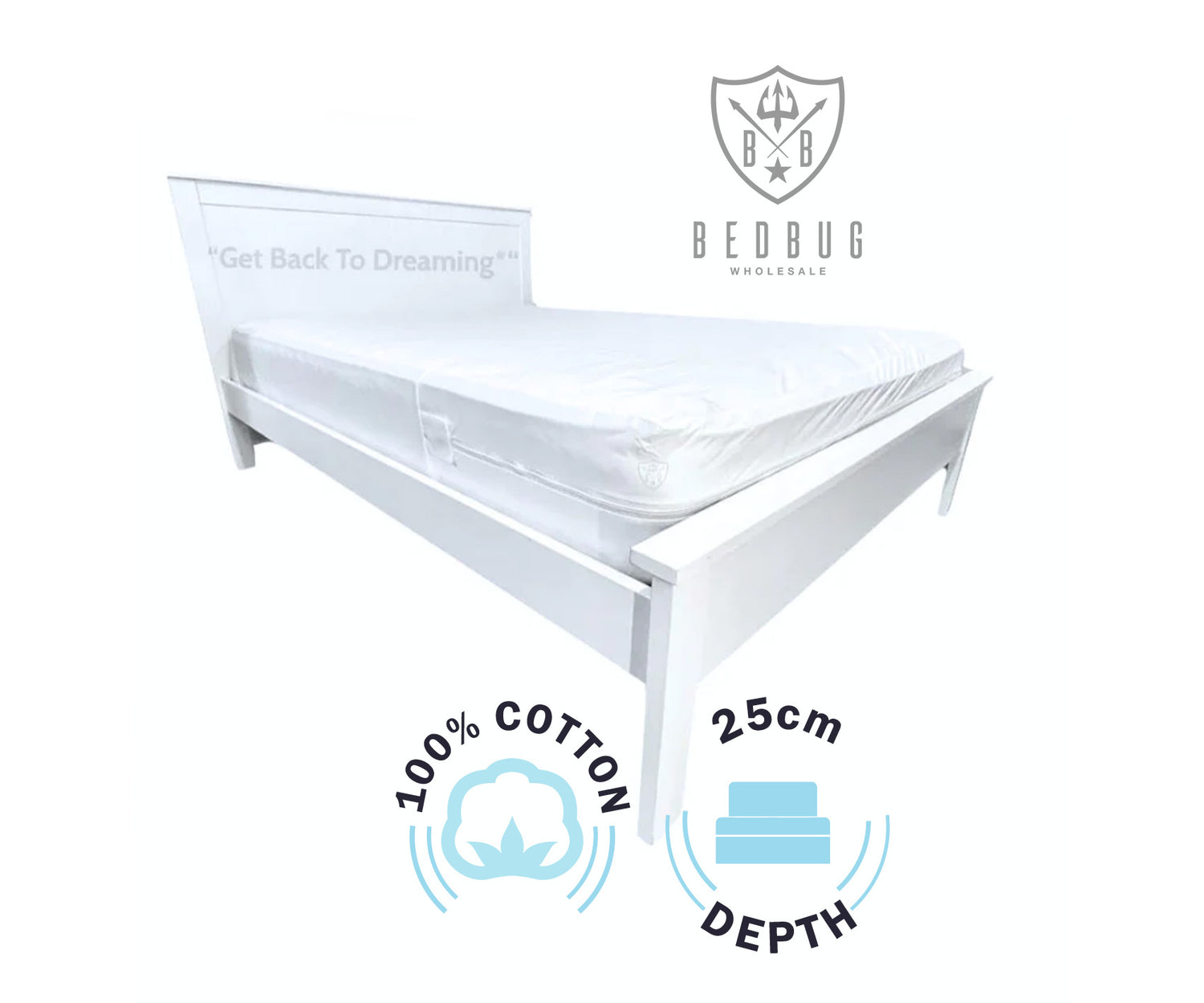
- Tightly-woven mattress and pillow encasements — supported by multiple randomised controlled trials, including Halken et al. (2003) which found significant long-term reductions over 12 months. See our dust mite covers range.
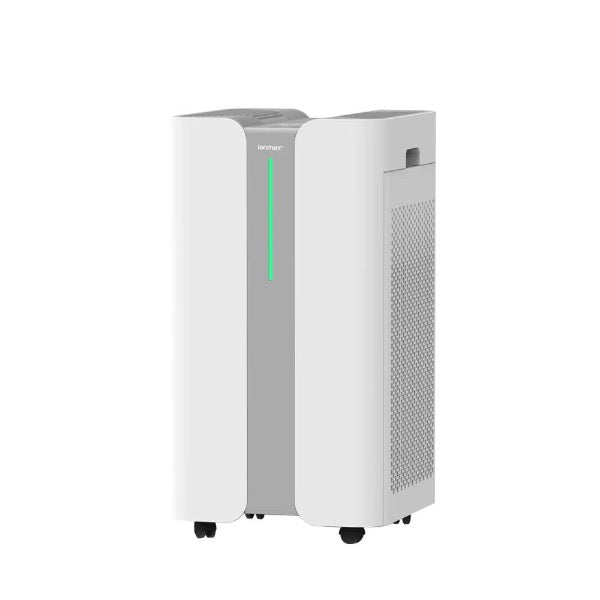
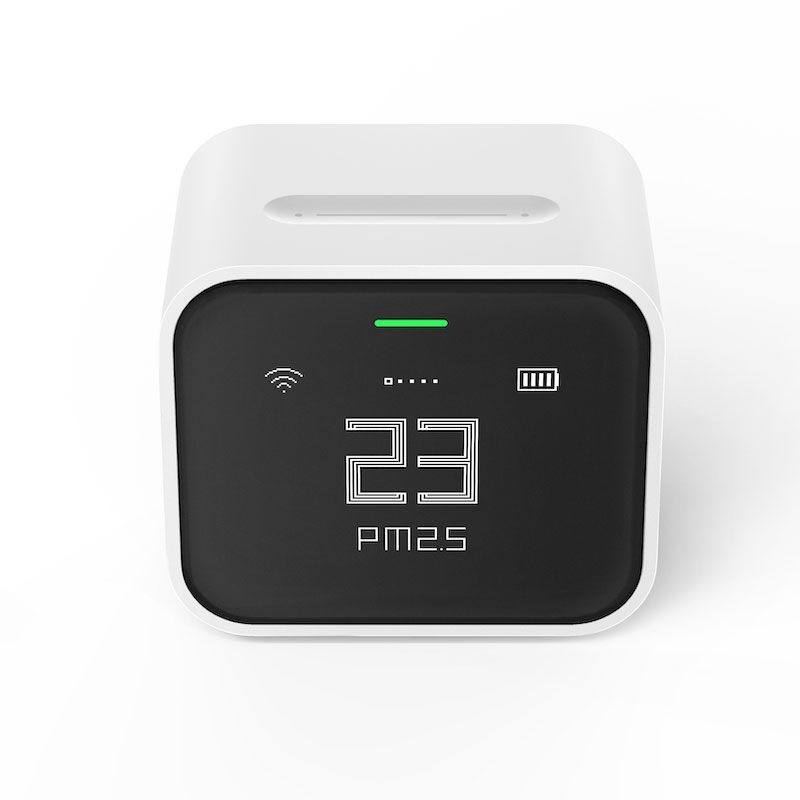
- Humidity control below 50% — Arlian et al. (2001) found approximately 98% reduction over 17 months in homes maintaining humidity below 51%. A dehumidifier or air quality monitor can help manage this.
- Hot-water washing of bedding — McDonald and Tovey (1992) found water at 55°C or above effective for reducing dust mite populations, with cold-cycle washing still reducing allergens by more than 90% even without killing mites
- HEPA vacuuming — Wu et al. (2012) found daily mattress vacuuming reduced total dust mite allergens by approximately 85% over 8 weeks
- Steam cleaning — Colloff, Taylor and Merrett (1995) found domestic steam cleaning reduced dust mite allergen concentrations by approximately 87% in real-home testing
Where chemical sprays fit
The Wilson and Platts-Mills review specifically discussed chemical interventions and noted that "chemical treatment of carpets and mattresses or chemical treatment of carpets and bedding encasements is insufficient to produce a sustained beneficial reduction in mite allergen levels." This means chemical sprays alone, even when they kill mites, don't produce sustained reductions in allergen levels because dust mite populations recover and the existing allergen residue remains in fabrics.
This is why the practical approach centres on covers, washing, humidity control, and vacuuming — these methods address both the mites and the accumulated particles. Sprays can complement these approaches but don't replace them. For a complete breakdown of how all these methods fit together, see our deep cleaning guide for dust mite allergies.
Factors to consider when choosing a dust mite spray
When looking at dust mite sprays, it's worth considering:
- Active ingredients — whether you prefer registered pesticide-based products or plant-based formulations, and whether anyone in the household has known sensitivities.
- Safety — check the label for guidance on children, pregnancy, and pets. Some essential oils are toxic to cats and dogs even at low exposures. Always follow manufacturer instructions.
- Intended use — some sprays are formulated for specific surfaces (fabrics, hard surfaces) and may not be suitable across all environments.
- What the product actually claims to do — distinguish between products that claim to reduce mite populations and those that claim to neutralise allergens. These are different claims.
- Individual sensitivities — anyone with diagnosed allergies, asthma, or skin sensitivities should consider how they might react to the product itself. When in doubt, consult a healthcare professional.
How to use dust mite spray effectively
Always read and follow the product label. The guidance below is general and doesn't replace specific product instructions.
Focus treatment on areas where dust mites typically accumulate — mattresses, pillows, quilts, carpets, curtains, and upholstered furniture. Before spraying, wash bedding and vacuum surfaces to remove loose dust. Apply the spray evenly, paying attention to seams, folds, and edges where particles can build up.
Ventilate the room while treating and drying, and allow surfaces to dry completely before use. Follow the product's recommended application frequency rather than over-applying. Regular washing of bedding and use of dust mite covers on mattresses and pillows will typically have more impact than sprays alone. If you're interested in a DIY approach, see our homemade dust mite spray recipe.
Dust mite spray for mattresses, couches, and carpets
Mattresses. Mattresses are a common build-up point for dust mite particles. Wash bedding and vacuum the mattress with a HEPA-filtered vacuum first. Apply spray per the product's instructions, paying attention to seams and edges, and allow to dry fully before re-dressing the bed. Using a tightly-woven dust mite mattress protector alongside any spray generally has more impact on particle exposure than spraying alone — this is consistent with the Halken et al. (2003) RCT findings.
Couches. Upholstered furniture can accumulate dust and dust mite particles. Check that the spray you're using is labelled as suitable for fabric, and follow application instructions. See our guide to reducing dust mites in couches for more on combining sprays with cleaning and maintenance.
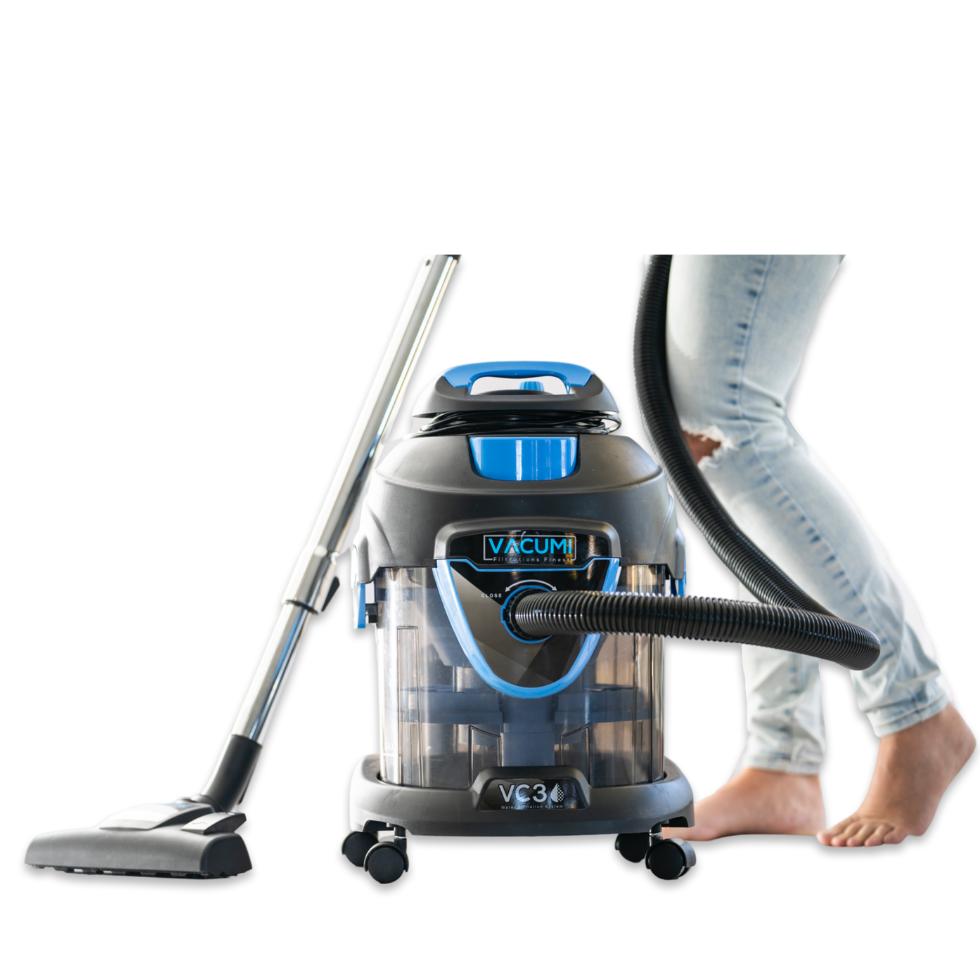
Carpets. Vacuum thoroughly with a HEPA-filtered vacuum before applying any spray. The Yu et al. (2009) study published in the Journal of Environmental Monitoring found that HEPA vacuuming alone reduced dust mite particles by approximately 81% in carpets. Sprays may add some benefit, but vacuuming and humidity control typically have the greater impact. In bedrooms, replacing carpet with hard flooring is sometimes recommended where practical.
Is Glen 20 effective for dust mites?
Glen 20 is a disinfectant spray marketed primarily for germs, bacteria, and viruses on surfaces. It isn't marketed specifically for dust mites, which are arachnids rather than bacteria or viruses. Managing dust mites typically requires different approaches — physical methods such as hot washing, HEPA vacuuming, and dust mite covers, alongside products formulated specifically for particle management. If you're looking for a product specifically intended for dust mite management, choose one marketed and labelled for that purpose.
Dust Mite Allergy Solutions is not affiliated with Reckitt or Glen 20, and this article does not make any claims about Glen 20's effectiveness or safety for any purpose. The information above reflects our understanding that Glen 20 is marketed and labelled as a surface disinfectant for germs, bacteria, and viruses — not as a dust mite management product. For accurate and current information about Glen 20's formulations, intended uses, and directions, always refer to the product label or contact Reckitt directly via their Australian customer service.
Dust mite spray and scabies
Dust mite sprays are not designed to treat scabies. Scabies is caused by a different mite (Sarcoptes scabiei) that burrows into human skin, and it requires medical treatment prescribed by a doctor. If you or someone in your household may have scabies, please see your GP — household sprays and laundry products are not a substitute for medical treatment.
As part of managing household fabrics during or after a scabies diagnosis, some households use laundry additives designed to address particles and support fabric hygiene at lower wash temperatures. Always follow medical advice first and use any additional products as directed by their labels.
Dust mite spray and bed bugs
Dust mite sprays are not effective against bed bugs. Bed bugs are a different pest with different biology — they're insects measuring 4-5 mm, visible to the naked eye, and they feed on blood rather than shed skin cells. Managing a bed bug infestation typically requires products specifically registered for bed bugs, heat treatment, or professional pest control. If you suspect bed bugs, contact a licensed pest control professional.
Where to buy dust mite spray in Australia
Dust Mite Allergy Solutions stocks particle-management sprays formulated for home use, including the Allergoff allergen-neutralising spray. See our full dust mite sprays range and individual product pages for full ingredient lists, directions, and any specific labelling.
When choosing where to buy:
- Look for retailers that provide complete ingredient lists and directions for use
- Australian retailers can confirm products comply with relevant Australian regulations (APVMA registration where applicable)
- Specialist allergy-aware retailers typically stock products designed for this specific purpose, rather than generic insecticides
Common misconceptions about dust mite sprays
Myth: Dust mite sprays completely eliminate dust mites
Reality: Sprays can help reduce dust mite particles but don't completely eliminate them. Complete eradication generally isn't realistic — a comprehensive approach involving regular cleaning, hot washing of bedding, dust mite covers, and humidity control typically has more impact than any single product.
Myth: More spraying means better results
Reality: Overusing dust mite sprays doesn't necessarily improve results and may cause other problems. Follow the product's recommended application schedule.
Myth: A spray alone will solve a dust mite problem
Reality: Dust mite sprays work best as one part of a broader approach. Relying only on sprays, without regular cleaning, hot washing, and humidity control, usually produces limited results. The Wilson and Platts-Mills (2018) review specifically noted that chemical treatments alone don't produce sustained reductions in dust mite allergens.
Myth: Natural means safe for everyone
Reality: Plant-based and essential oil ingredients can still cause reactions in people with sensitivities. Some essential oils — including tea tree, eucalyptus, peppermint, and clove — are toxic to cats and dogs, sometimes at very low exposures. Read the label and check with a healthcare professional or vet if unsure.
Myth: Results are immediate and permanent
Reality: Dust mite management is ongoing rather than one-off. Dust mite populations recover over time, so sustained routines matter more than any single treatment.
Myth: All dust mite sprays are the same
Reality: Products vary considerably in ingredients, formulation, and intended use. Choose a product based on its labelling and suitability for your situation rather than assuming all products perform identically.
Myth: Sprays replace cleaning
Reality: Sprays don't replace vacuuming, washing bedding, and general household cleaning — they complement these practices.
Myth: One approach suits everyone
Reality: Individual sensitivities, household composition (pets, children), and the specific situation all affect what works best. When in doubt, consult an appropriate professional.
Frequently Asked Questions
Do dust mite sprays actually work?
Dust mite sprays can contribute to reducing dust mite particles when used as part of a broader approach, but they don't work effectively on their own. The peer-reviewed evidence shows that the strongest interventions are tightly-woven mattress and pillow covers, hot-water washing of bedding, humidity control below 50%, and HEPA vacuuming. Sprays can complement these methods but don't replace them.
Are dust mite sprays safe for children and pets?
Safety depends on the specific product. Always read the product label for guidance on children, pregnancy, and pets. Some essential oils used in natural sprays are toxic to cats and dogs even at low exposures. Chemical-based sprays should be used strictly per label instructions, with the room ventilated during and after application. If you have specific concerns, consult your GP or veterinarian.
How often should I use dust mite spray?
Follow the product's recommended application schedule rather than over-applying. More spraying doesn't necessarily improve results and may cause other problems. The general principle is that consistent use of a multi-step approach (covers, washing, vacuuming, humidity control) matters more than frequent spraying.
Can dust mite spray replace washing bedding and vacuuming?
No. The peer-reviewed evidence consistently shows that washing bedding in hot water and HEPA vacuuming have stronger and more sustained effects than chemical sprays alone. Sprays complement these practices rather than replacing them. The Wilson and Platts-Mills (2018) review specifically noted that chemical treatments don't produce sustained reductions in dust mite allergens on their own.
Will dust mite spray help with my allergy symptoms?
Results vary between individuals. Some households find that sprays help when used as part of a broader approach. If you're managing significant indoor sensitivities, the most well-supported interventions are mattress and pillow covers, regular hot-water washing of bedding, humidity control, and HEPA vacuuming. For personal advice on managing allergies, please speak with your GP or an allergist.
Does dust mite spray work on bed bugs?
No. Bed bugs are a completely different pest with different biology — they're insects rather than arachnids, they feed on blood, and they require different management approaches. If you suspect bed bugs, contact a licensed pest control professional.
Does dust mite spray treat scabies?
No. Scabies is caused by a different mite that burrows into human skin and requires medical treatment prescribed by a doctor. Household dust mite sprays are not a substitute for medical treatment. If you suspect scabies, please see your GP.
What's the difference between dust mite sprays and dust mite covers?
Dust mite sprays are chemical or natural products applied to surfaces with the goal of reducing mite populations or allergens. Dust mite covers are tightly-woven fabric covers that physically encase mattresses, pillows, and quilts to create a barrier between sleepers and the particles inside bedding. The peer-reviewed evidence base for dust mite covers is much stronger than for sprays — covers have been tested in randomised controlled trials with significant long-term effectiveness, while sprays alone don't produce sustained reductions according to the Wilson and Platts-Mills (2018) review.
Shop products mentioned in this guide
Allergoff spray
Allergen-neutralising spray for soft furnishings
All dust mite sprays
Full spray range
Dust mite covers
Mattress, pillow & quilt protectors
Mattress protectors
Tightly-woven encasements
Steam cleaners
87% allergen reduction in real-home tests
Dehumidifiers
Keep humidity below 50%
Air quality monitors
Track your indoor humidity
Pillow protectors
Washable allergen barriers
Quilt & doona covers
Protect your quilt from dust mites
Not sure which products to combine with your spray?
Our short product finder helps you work out the highest-impact steps for your home.
Find the right products for your home →Related guides
Homemade dust mite spray recipe
Natural DIY spray for soft furnishings
What reduces dust mites quickly?
Evidence-based fast methods
How to reduce dust mites naturally
Chemical-free methods with the best evidence
Dust mites in sofas
How to reduce allergens in upholstery
How to reduce dust mites in your home
Room-by-room comprehensive guide
Dust mite vs regular mattress protectors
What the research shows
Deep cleaning guide
Complete evidence-based cleaning plan
Bed bug bites vs dust mite bites
How to tell the difference
References
This article draws on the following peer-reviewed research:
- Arlian LG. (1992). "Water balance and humidity requirements of house dust mites." Experimental and Applied Acarology, 16(1-2):15-35. PubMed
- McDonald LG, Tovey E. (1992). "The role of water temperature and laundry procedures in reducing house dust mite populations and allergen content of bedding." Journal of Allergy and Clinical Immunology, 90(4 Pt 1):599-608. PubMed
- Colloff MJ, Taylor C, Merrett TG. (1995). "The use of domestic steam cleaning for the control of house dust mites." Clinical and Experimental Allergy, 25(11):1061-1066. PubMed
- Arlian LG, Neal JS, Morgan MS, et al. (2001). "Reducing relative humidity is a practical way to control dust mites and their allergens in homes in temperate climates." Journal of Allergy and Clinical Immunology, 107(1):99-104. PubMed
- Halken S, Høst A, Niklassen U, et al. (2003). "Effect of mattress and pillow encasings on children with asthma and house dust mite allergy." Journal of Allergy and Clinical Immunology, 111(1):169-176. PubMed
- Yu CH, Yiin LM, Fan ZH, Rhoads GG. (2009). "Evaluation of HEPA vacuum cleaning and dry steam cleaning in reducing levels of polycyclic aromatic hydrocarbons and house dust mite allergens in carpets." Journal of Environmental Monitoring, 11(1):205-211. PubMed
- Wu FF, Wu MW, Pierse N, Crane J, Siebers R. (2012). "Daily vacuuming of mattresses significantly reduces house dust mite allergens, bacterial endotoxin, and fungal β-glucan." Journal of Asthma, 49(2):139-143. PubMed
- Wilson JM, Platts-Mills TAE. (2018). "Home Environmental Interventions For House Dust Mite." Journal of Allergy and Clinical Immunology: In Practice, 6(1):1-7. PubMed