Skip to content

Dust Mite Allergy Solutions › Blog › What reduces dust mites quickly?
Important: This article provides general information only and is not medical, veterinary, or pest-control advice. The methods described here help reduce dust mites on treated items — they do not eliminate dust mites from a home. For personal allergy or asthma guidance, please speak with your GP or allergist.
What Reduces Dust Mites Quickly?
Short answer: The three methods with well-established peer-reviewed evidence for reducing dust mites on treated items are hot washing at 55°C or above, steam cleaning at high temperatures, and freezing for 24 hours or more. None of these eliminate dust mites from a home — for ongoing control, combine these methods with humidity management and dust mite protectors. At Dust Mite Allergy Solutions, we stock the products that support each of these steps.
If you've been trying different approaches and not seeing enough change, you're not alone. Dust mites are invisible to the naked eye, which makes them frustrating to manage — but there are specific methods backed by peer-reviewed research that can quickly reduce dust mites on the items you treat. This guide covers the methods with the strongest research behind them.
One important note: if you can see the mite, it's probably not a dust mite. House dust mites are microscopic.
On this page
- Hot Washing (60°C or Above)
- Steam Cleaning
- Freezing Small Items
- How to Reduce Dust Mites Across the Whole Bedroom
- What Conditions Make It Harder for Dust Mites?
- Does Vinegar Help With Dust Mites?
- Are Commercial Dust Mite Sprays Effective?
- Does Bleach Reduce Dust Mites?
- Does Dettol Reduce Dust Mites?
- Shop by category
- Practical Next Steps
- References
Hot Washing (55°C or Above)
Washing sheets, pillowcases and pillow protectors, and mattress protectors in hot water is one of the most well-supported methods for quickly reducing dust mites on washable items.
Research published in the Journal of Allergy and Clinical Immunology (McDonald and Tovey, 1992) found that water temperatures of 55°C or above are effective for reducing dust mite populations in bedding. Most Australian guidance — including from ASCIA — recommends washing at 60°C, which provides a margin above this scientific threshold.
- Wash bedding weekly on a hot cycle where fabric care labels allow
- Follow with a hot tumble dry (at least 15-20 minutes) to support further reduction
- Both the wash and dry cycles together help reduce live mites and remove particle residue
Useful nuance: The same study found that even cold-cycle washing reduced allergen levels by more than 90%, even though it doesn't kill mites. So washing has practical value at any temperature you can manage with your fabric's care label — though hot washing remains the most thorough option.
Steam Cleaning
High-temperature steam cleaning can reduce dust mites on treated surfaces such as mattresses, carpets, sofas, and curtains. The mechanism is similar to hot water washing — sustained high temperatures disrupt dust mite survival.
- A handheld steam cleaner can be used on mattresses, carpets, sofas, and curtains where the fabric and surface allow
- Pass slowly over each area for 5-10 seconds
- Avoid overwetting — dry steam is generally preferred for fabric surfaces
- Always check the manufacturer's guidance for both the steam cleaner and the item being cleaned
Tip: Weekly steam cleaning of mattresses and high-traffic soft furnishings can be part of an ongoing dust mite management routine. It works well alongside other cleaning steps, which can capture residue after steam treatment. For a full breakdown of how steam fits into a cleaning routine, see our deep cleaning guide for dust mite allergies.
Freezing Small Items
For items that can't be washed at high temperatures — soft toys, cushions, delicate blankets — freezing is a practical alternative. Research by Arlian (1992) established the underlying biology: dust mites are sensitive to extreme conditions, and prolonged exposure to low temperatures disrupts their survival.
- Place items in a sealed bag to prevent condensation
- Freeze at household freezer temperatures for at least 24 hours
- Wash or vacuum items afterwards to remove mite remains and particle residue
This is a useful method for items in children's rooms, where toys and cushions are common build-up points but often can't tolerate hot washing.
How Do I Reduce Dust Mites Across the Whole Bedroom?
For faster, fuller results to create a low allergen bedroom, a combination approach works better than any single method. The peer-reviewed research consistently supports a multi-step approach combining washing (McDonald and Tovey, 1992), humidity control (Arlian et al., 2001), encasements (Halken et al., 2003), and regular cleaning (Wu et al., 2012).
A sensible order is:
- Strip and wash all bedding at 60°C where the fabric allows — sheets, quilts, and pillow protectors. See our guide to how often to wash bedding to reduce dust mites for frequency guidance.
- Steam clean the mattress and upholstered surfaces, following product guidance. A steam cleaner is the most effective way to treat surfaces that can't be washed.
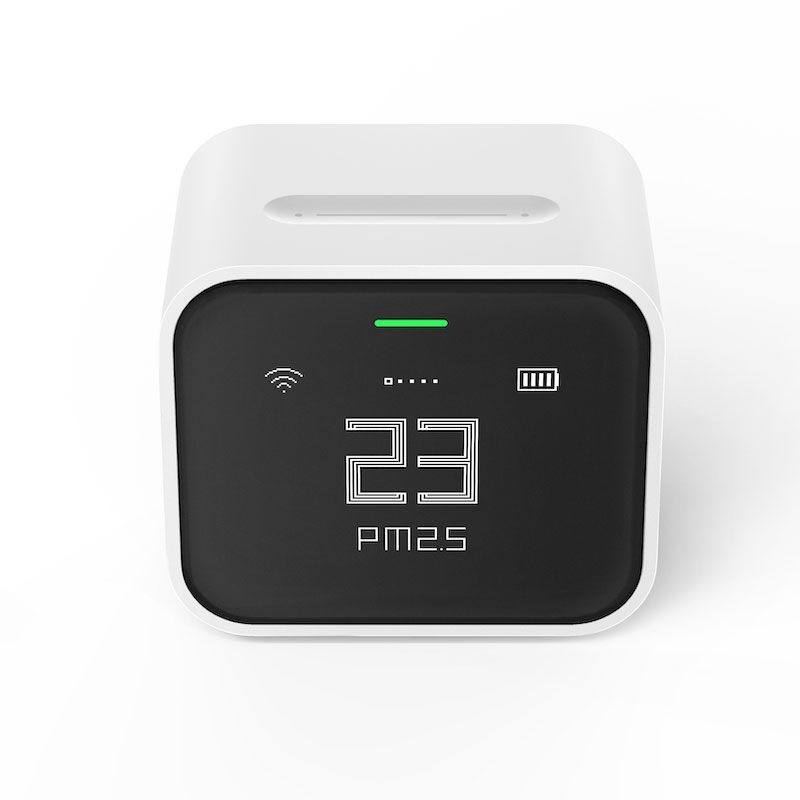
- Run a dehumidifier to bring humidity below 50%. Arlian et al. (2001) found that maintaining indoor humidity below 51% over 17 months produced approximately 98% reduction in dust mite populations in real homes. Pair with an air quality monitor to track whether you're hitting that target.
- Fit dust mite covers on the mattress, pillows, and quilt. Halken et al. (2003) found that mattress and pillow encasings produced significant long-term reductions in dust mite allergen concentrations over 12 months in a randomised controlled trial. Covers are available separately for mattresses, pillows, and quilts and doonas.
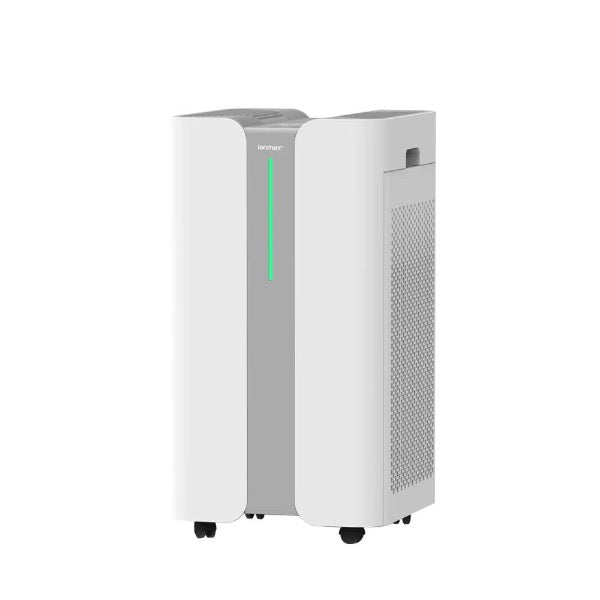
- Run an air purifier in the bedroom for ongoing airborne allergen reduction — particularly useful during and after bed-making when allergen briefly becomes airborne.
Dust mite covers create a physical barrier between you and the particles accumulated inside the bedding underneath. They are commonly used as a long-term layer alongside the faster reduction methods above.
What Conditions Make It Harder for Dust Mites?
Dust mites prefer warm, humid environments and soft surfaces. Making conditions less favourable to them is a core part of ongoing management.
- Heat: Sustained temperatures of 55°C or above on washable items reduce dust mite populations (McDonald and Tovey, 1992)
- Dry air: Humidity below 50% makes conditions less favourable. Arlian (1992) found that active dust mites do not survive longer than 6-11 days at humidity at or below 50%. Use an air quality monitor to confirm your humidity is in the right range.
- Sunlight and UV: Direct sun and UV can help dry out soft surfaces and reduce surface mites on items that can be aired outside. Tovey and Woolcock (1994) found that direct sunlight exposure can reduce dust mite populations on wool carpets through the combination of heat and reduced humidity. See our article on whether sunlight kills dust mites for more detail.
- Regular cleaning: Removing the skin cells mites feed on, through consistent washing and steam cleaning
Does Vinegar Help With Dust Mites?
Vinegar is sometimes used as part of general surface cleaning, and it may help reduce some particles on hard surfaces. However, it's not a reliable method for reducing dust mite populations, and it can damage some fabrics.
- Vinegar-and-water solutions are sometimes used for cleaning hard surfaces (always patch-test first)
- For dust mite reduction specifically, hot washing, steam cleaning, freezing, and humidity control have peer-reviewed research support — vinegar does not
Are Commercial Dust Mite Sprays Effective?
Some commercial products are marketed specifically for reducing dust mites or their particles. Effectiveness varies between products. When considering a commercial spray:
- Check the product label for what it's actually registered or certified to do
- Look for products marketed specifically for dust mite or allergen management rather than general insect sprays
- Most general household insect sprays are not formulated for dust mites — dust mites are arachnids, not insects, and live inside fabrics where surface sprays have limited reach
- Always follow the manufacturer's instructions, and consult your GP if you have asthma, allergies, or other sensitivities before using chemical products in living spaces
If you're looking for a specifically formulated option, we carry the Allergoff allergen-neutralising spray, which is designed for dust mite allergen management in Australian homes. For a detailed look at the research on sprays more broadly, see our article on whether dust mite spray is effective.
Does Bleach Reduce Dust Mites?
Chlorine bleach may reduce dust mites under specific conditions, but it's not recommended as a general dust mite solution for bedding. Bleach can damage fabrics, cause skin and respiratory irritation, and interact dangerously with other cleaning products. For bedding and washable items, hot washing at 60°C is a safer and more practical approach with peer-reviewed research support.
Does Dettol Reduce Dust Mites?
Dettol's active ingredient is chloroxylenol, which does have demonstrated activity against dust mites in laboratory conditions. A 2016 peer-reviewed study (Suhaili et al., Tropical Biomedicine, 2016) found chloroxylenol disinfectant effective against Dermatophagoides pteronyssinus and D. farinae under controlled laboratory testing.
However, laboratory efficacy on filter paper doesn't directly translate to household use, where dust mites live deep inside fabric fibres, mattresses, and carpets rather than on accessible hard surfaces.
A disinfectant applied to a mattress surface is unlikely to penetrate to where mite populations actually reside. For this reason, hot washing, steam cleaning, and encasements remain the more practical approaches for the fabrics and surfaces where dust mites live.
Note on product-specific queries: This article discusses chloroxylenol as a chemical compound based on published research — it is not a statement about any specific Dettol product's formulation, instructions, or intended use. Dettol products vary in concentration and application guidance. If you have questions about whether a specific Dettol product is appropriate for a particular use, refer to the product label or contact Reckitt directly.
Products for every step in this guide
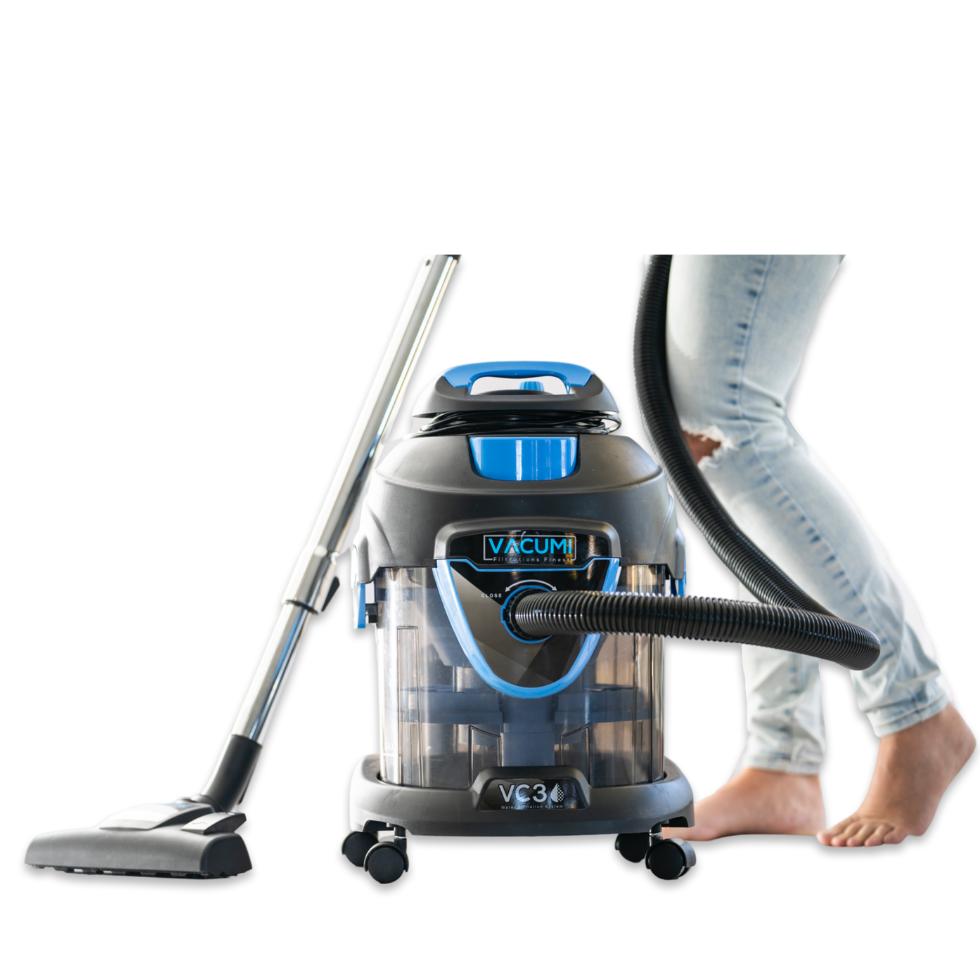
Steam cleaners
For mattresses, sofas & carpets
Dust mite covers
Mattress, pillow & quilt protectors
Mattress protectors
Encase & block allergens at source
Pillow protectors
Washable allergen barriers
Dehumidifiers
Keep humidity below 50%
Air quality monitors
Track humidity & confirm it's working
Air purifiers
Ongoing airborne allergen reduction
Quilt & doona protectors
Protect your duvet from dust mites
Allergoff allergen spray
Formulated allergen-neutralising spray
Practical Next Steps
While the fast methods above can quickly reduce dust mites on treated items, ongoing dust mite management in a home comes down to a combination approach: hot washing of bedding, dust mite protectors, humidity control, and steam cleaning. Each of these is supported by peer-reviewed research, and they work best together rather than in isolation.
For a complete evidence-based breakdown of every cleaning method and how they fit together, see our deep cleaning guide for dust mite allergies. For a room-by-room approach covering the whole home, see our guide to reducing dust mites in your home. For everyday bedding care, see our guide to washing bedding for dust mite management.
Not sure which products suit your home?
Everyone's situation is different — the right starting point depends on your bedding, your humidity levels, and what's already in place. Our short product finder helps you work out where to focus first.
Find the right products for your home →Related guides
How to reduce dust mites in your home
Room-by-room comprehensive guide
How to reduce dust mites in a mattress
Step-by-step mattress guide
How to reduce dust mites in carpets
Steam, treatment and prevention
Does sunlight reduce dust mites?
What the research says
Homemade dust mite spray recipe
Natural cleaning spray guide
How to reduce dust mites naturally
Chemical-free methods
How often to wash bedding
Frequency, temperature & technique
Deep cleaning guide for dust mite allergies
Complete evidence-based cleaning guide
References
This article draws on the following peer-reviewed research:
- Arlian LG. (1992). "Water balance and humidity requirements of house dust mites." Experimental and Applied Acarology, 16(1-2):15-35. PubMed
- McDonald LG, Tovey E. (1992). "The role of water temperature and laundry procedures in reducing house dust mite populations and allergen content of bedding." Journal of Allergy and Clinical Immunology, 90(4 Pt 1):599-608. PubMed
- Tovey ER, Woolcock AJ. (1994). "Direct exposure of carpets to sunlight can kill all mites." Journal of Allergy and Clinical Immunology, 93(6):1072-1074. PubMed
- Arlian LG, Neal JS, Morgan MS, et al. (2001). "Reducing relative humidity is a practical way to control dust mites and their allergens in homes in temperate climates." Journal of Allergy and Clinical Immunology, 107(1):99-104. PubMed
- Halken S, Høst A, Niklassen U, et al. (2003). "Effect of mattress and pillow encasings on children with asthma and house dust mite allergy." Journal of Allergy and Clinical Immunology, 111(1):169-176. PubMed
- Wu FF, Wu MW, Pierse N, Crane J, Siebers R. (2012). "Daily vacuuming of mattresses significantly reduces house dust mite allergens, bacterial endotoxin, and fungal β-glucan." Journal of Asthma, 49(2):139-143. PubMed
- Abidin SZ et al. (2016). "Laboratory contact and topical evaluations of household disinfectants against house dust mites Dermatophagoides pteronyssinus and Dermatophagoides farinae." Tropical Biomedicine. PubMed
Disclaimer: This content is for general informational purposes only and does not replace professional medical advice. Products mentioned are not intended to diagnose, treat, cure, or prevent any condition. Always follow product labels and care instructions. Results and individual experiences may vary. If you have a diagnosed allergy, asthma, or other medical condition, please speak with your GP or allergist for personal guidance.