Skip to content


If you're focused on bedroom cleanliness, your mattress is one of the most important items to consider. Dust mites are a common indoor particle source, and mattresses are one of the main places they can build up over time. At Dust Mite Allergy Solutions, we've put together this step-by-step guide to help you build a practical mattress care routine.
Do Dust Mites Live in Mattresses?
Mattresses can hold significant numbers of dust mites and their debris over time. The age and condition of your mattress, your local climate, and household cleaning habits all affect the level of build-up.
While dust mites can't be completely removed from any mattress, there are several practical ways to reduce their presence. This guide walks through a step-by-step approach to dust mite management as part of regular bedroom care.
What Are Dust Mites?
Dust mites are microscopic organisms that thrive in warm, humid environments — making mattresses one of their main build-up points. Research by Arlian (1992) in Experimental and Applied Acarology established that dust mites need ambient humidity above approximately 65–70% to maintain their water balance, since they don't drink water but instead absorb moisture from the air. They feed on shed skin cells, and their waste particles are commonly associated with indoor sensitivities in some individuals.

Can You See Dust Mites on Your Mattress?
Dust mites are not visible to the naked eye. They measure only about 0.2 to 0.3 millimetres in size. Their presence is generally noticed indirectly, through the build-up of dust and debris in bedding rather than the mites themselves.
If you notice visible, moving insects on your mattress, they are most likely a different type of pest, such as bed bugs.

How to Reduce Dust Mites in Your Mattress
To help reduce dust mite build-up, regular cleaning and maintenance of your mattress is important. Keep in mind that, due to the structure of most mattresses, complete removal isn't realistic — the goal is to keep build-up to a minimum. For a broader room-by-room approach, see the deep cleaning for dust mite allergies guide.
Step-by-Step Guide
Step 1: Vacuum your mattress and bed
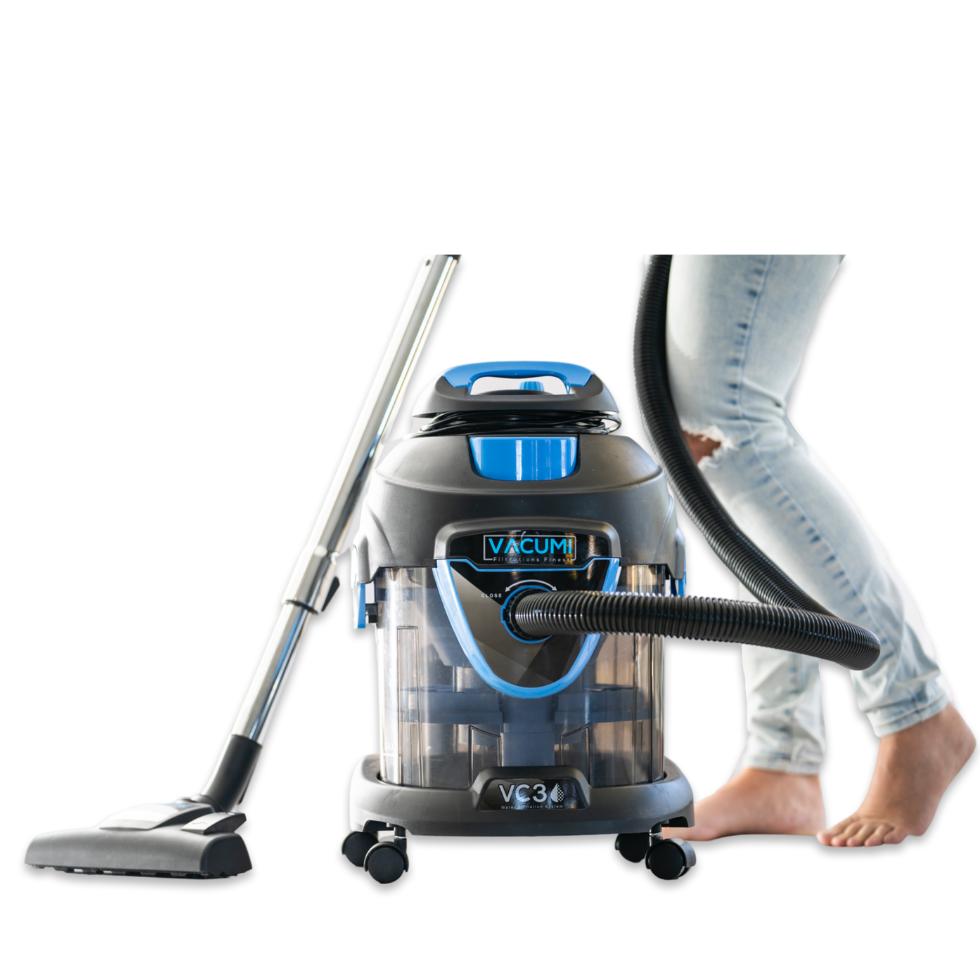
The first step is to thoroughly vacuum the surface of the mattress, which helps remove loose debris, skin cells, and dust mite waste particles. Research published in the Journal of Asthma (Wu et al., 2012) found that daily mattress vacuuming over 8 weeks was associated with approximately 85% reductions in total dust mite allergens, demonstrating the practical value of regular vacuuming as part of bedroom care. Individual results will vary.
- Remove all bedding, including sheets, pillowcases, and mattress covers.
- Use a vacuum cleaner with a HEPA filter to vacuum the entire mattress surface. Pay attention to seams, crevices, and edges.
- After vacuuming, wipe the mattress with a clean, damp cloth to lift any remaining dust.
- Allow the mattress to air dry completely before remaking the bed.
Even with thorough vacuuming, dust mites can build up deep within mattress layers, so vacuuming works best as part of a wider routine rather than on its own.
Step 2: Wash, dry, and freeze bedding
Regular washing and drying of bedding is one of the most practical ways to manage dust mite build-up.
- Consider allergy-aware bedding designed for easier care.
- Wash sheets, pillowcases, and mattress covers in hot water (60°C or above, where care labels allow). Research by McDonald and Tovey (1992) in the Journal of Allergy and Clinical Immunology found that water temperatures of 55°C or above are associated with reductions in dust mite populations in bedding. The same study found that even cold-cycle washing reduced allergen levels by more than 90%, so washing has practical value at any temperature your care label allows. Individual results will vary.
- Where practical, use a hot dryer cycle or air-dry bedding in direct sunlight. Research by Tovey and Woolcock (1994) in the same journal found that direct sunlight exposure can be associated with reductions in dust mite populations on textiles, so sun-drying is a practical addition to washing.
- Wash bedding at least once a week to support a cleaner sleep environment.
Avoid shaking bedding vigorously, as this can release dust particles into the air. Handle bedding gently when removing it for washing.
Step 3: Use mattress, pillow, and quilt protectors
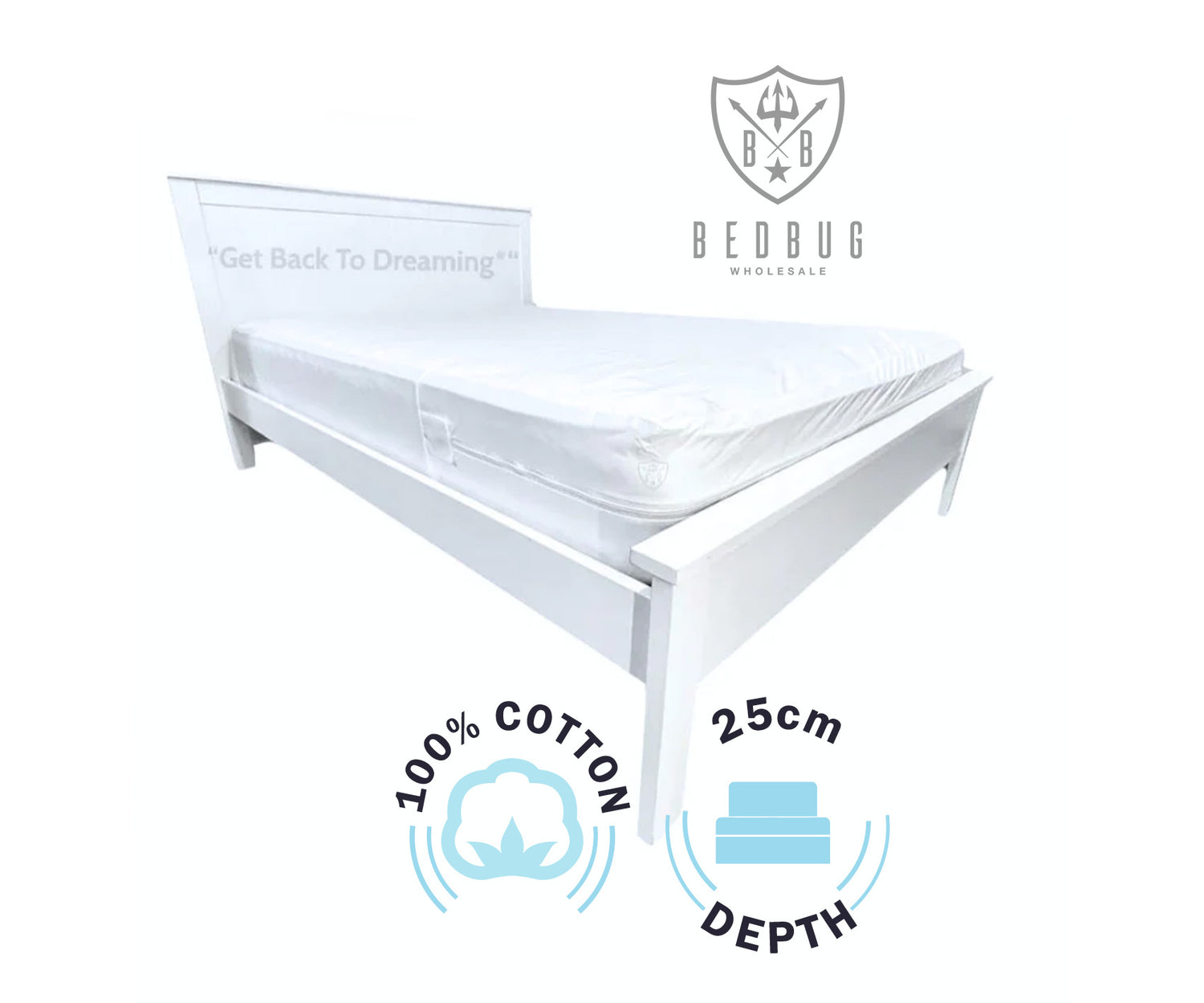
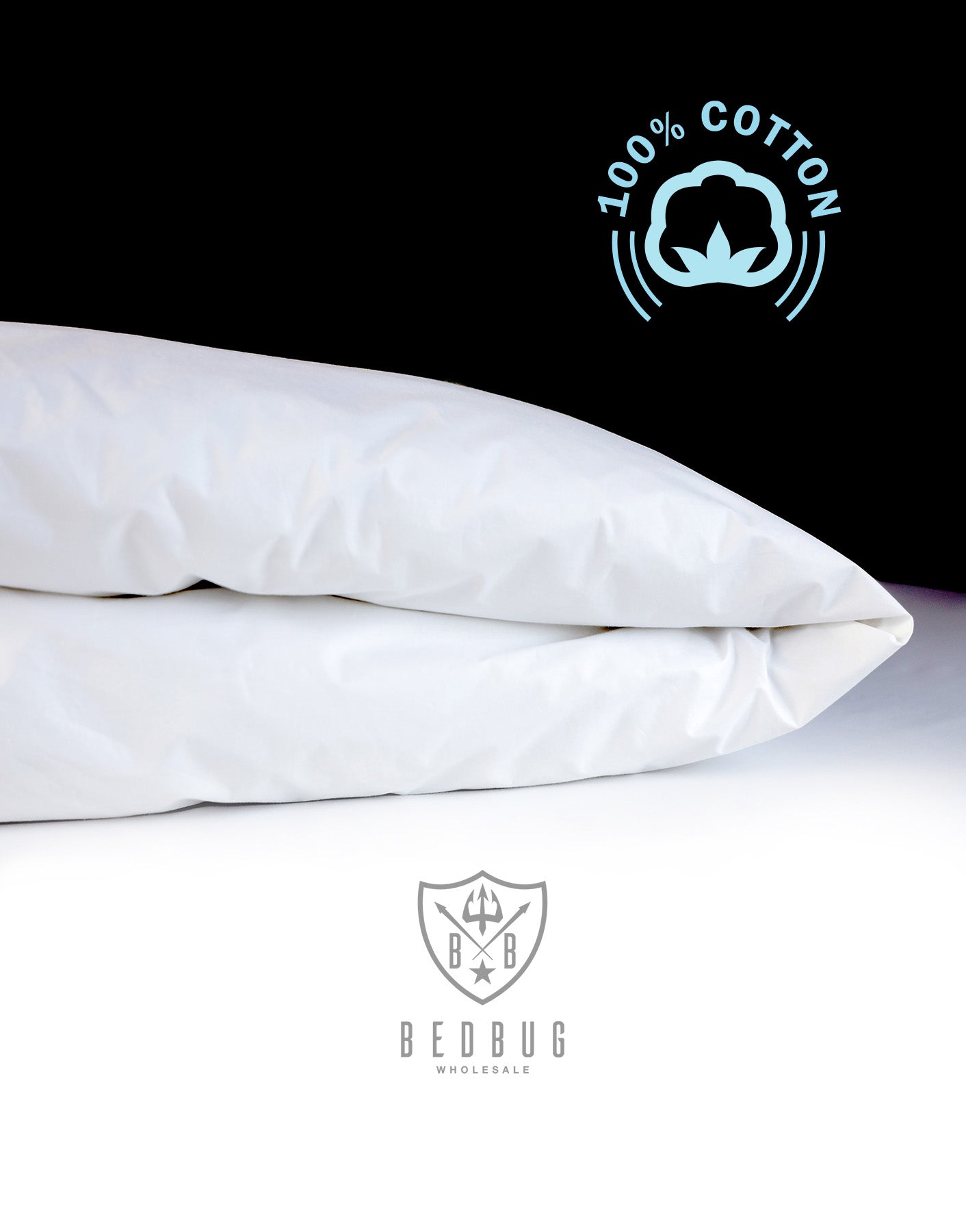
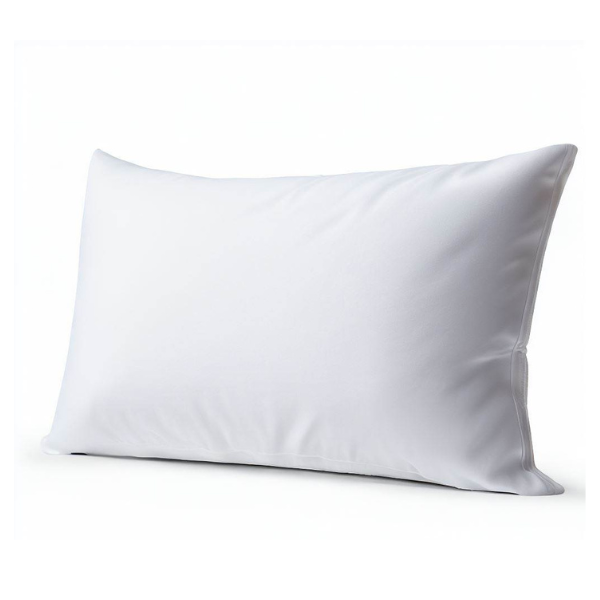
Adding a barrier layer is one of the most practical steps you can take. Consider encasing your mattress, pillows, and quilt in dust mite covers. These covers use tightly woven fabric designed to help limit the movement of dust mite debris and other fine particles between the mattress and the sleep surface.
A 2003 randomised controlled trial published in the Journal of Allergy and Clinical Immunology (Halken et al., 2003) found that mattress and pillow encasings were associated with significant long-term reductions in dust mite allergen concentrations in mattresses over 12 months. Individual results will vary.
- Choose mattress and pillow encasements designed for allergy-aware bedrooms.
- Make sure the encasements are fully zipped and seated correctly for proper coverage.
Step 4: Wash and dry stuffed toys and pillows regularly
Soft toys and pillows can also build up dust over time, especially when in regular contact with the bed.
- Where care labels allow, wash soft toys and pillows in hot water (60°C or above).
- For items that aren't machine washable, place them in a sealed bag and freeze for at least 24 hours. Freezing is a commonly recommended approach for small items that can't tolerate hot washing.
- After washing or freezing, dry items thoroughly — in a hot dryer or in direct sunlight.
Regular care of soft toys and pillows is a useful part of an allergy-aware bedroom routine.
Step 5: Keep the bedroom clean and clutter-free
Beyond mattress and bedding care, general bedroom cleanliness is just as important. For a full overview of bedroom strategies, see the low allergen bedroom guide.
- Vacuum and dust the bedroom regularly, paying attention to areas where dust accumulates such as skirting boards, curtains, and furniture.
- Where practical, choose hard flooring (hardwood, tile, or vinyl) over carpet, as it's easier to keep dust-free.
- Where practical, keep pets out of the bedroom — pet dander adds to the food sources dust mites feed on, and is itself a separate consideration in allergy-aware homes.
- Reduce clutter in the bedroom — fewer surfaces means less dust build-up. Keep decorative pillows and stuffed items to a manageable number.
A Comprehensive Approach to Reducing Dust Mites
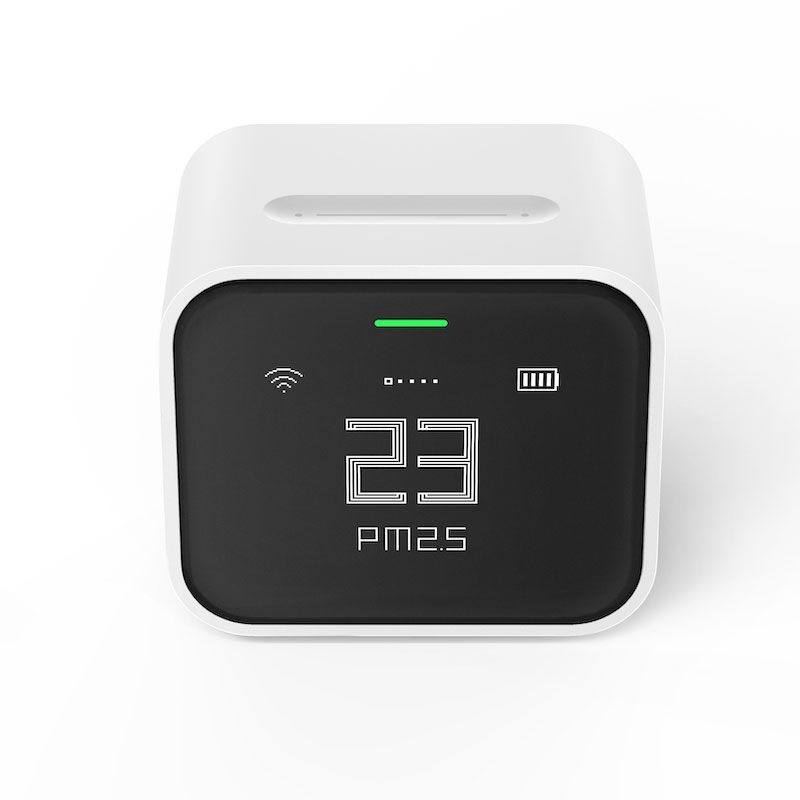
- Maintain indoor humidity below 50%. Research by Arlian et al. (2001) found that homes maintaining indoor humidity below 51% over 17 months saw dust mite populations decline by approximately 98%. A dehumidifier or air conditioning can help — and an air quality monitor or hygrometer lets you track levels in different rooms.
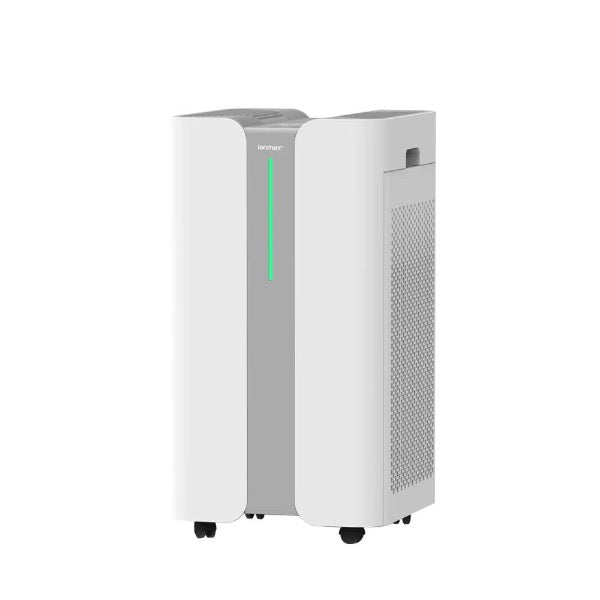
- Consider a HEPA air purifier in the bedroom to help capture fine airborne particles.
- Wash bedding in hot water at least once a week to help reduce dust mite populations and remove particle residue.
- Regularly replace or clean filters in your HVAC or air-conditioning system to limit particle circulation.
For a fuller, room-by-room walkthrough, see the comprehensive guide to reducing dust mites in every room.
Not sure where to start?
Take the quick quiz to find the most suitable products for your household and allergy situation.
Take the quiz →Shop Mattress & Bedding Protectors
The products stocked at Dust Mite Allergy Solutions are selected for allergy-aware households — tightly-woven encasements with third-party tested pore sizes for mattresses, pillows, and quilts.


References
- Arlian LG. (1992). "Water balance and humidity requirements of house dust mites." Experimental and Applied Acarology, 16(1-2):15-35. PubMed
- McDonald LG, Tovey E. (1992). "The role of water temperature and laundry procedures in reducing house dust mite populations and allergen content of bedding." Journal of Allergy and Clinical Immunology, 90(4 Pt 1):599-608. PubMed
- Tovey ER, Woolcock AJ. (1994). "Direct exposure of carpets to sunlight can kill all mites." Journal of Allergy and Clinical Immunology, 93(6):1072-1074. PubMed
- Arlian LG, Neal JS, Morgan MS, et al. (2001). "Reducing relative humidity is a practical way to control dust mites and their allergens in homes in temperate climates." Journal of Allergy and Clinical Immunology, 107(1):99-104. PubMed
- Halken S, Høst A, Niklassen U, et al. (2003). "Effect of mattress and pillow encasings on children with asthma and house dust mite allergy." Journal of Allergy and Clinical Immunology, 111(1):169-176. PubMed
- Wu FF, Wu MW, Pierse N, Crane J, Siebers R. (2012). "Daily vacuuming of mattresses significantly reduces house dust mite allergens, bacterial endotoxin, and fungal β-glucan." Journal of Asthma, 49(2):139-143. PubMed
Related Guides
What are the Benefits of Mattress Protectors?
How allergy-aware protectors work and what the research shows.
Dust Mite Mattress Protectors vs Standard Mattress Protectors
What's the difference and does it matter?
How Often to Wash Bedding to Kill Dust Mites
Washing frequency, temperatures, and what the evidence says.
How to Reduce Dust Mites in Your Bedroom
Whole-room strategies for a lower-allergen sleep environment.
Does Sun Kill Dust Mites?
What the research says about sunlight and dust mite management.
Humidity, Mould and Dust Mites
How humidity affects dust mite build-up and what to do about it.
Do Air Purifiers Work for Dust Mite Allergies?
Evidence-based look at air purifiers in allergy-aware homes.
How to Reduce Dust Mites in Your Home – Comprehensive Guide
Room-by-room strategies for the whole household.