Skip to content


Dust Mite Allergy Solutions › Blog › How to reduce dust mites in your sofa
Important: This article is general information only and is not medical advice. Dust mites cannot be completely eliminated from a home — the goal is to help reduce their presence and the build-up of allergens. If you have a diagnosed allergy or asthma, please speak with your GP or allergist for personal guidance.
Short answer: Vacuum fabric sofas weekly with a HEPA-filtered vacuum, wash removable cushion covers every 1–2 months, deep clean upholstery every 6–12 months, and keep indoor humidity below 50%. Complete elimination of dust mites isn't realistic, but consistent cleaning meaningfully reduces allergen build-up.
Your sofa may feel like a cosy place to relax, but soft furnishings can also collect dust, skin cells and moisture over time. These conditions can allow dust mite allergens to build up. The good news is there are practical steps you can take to help reduce and manage dust mites in your sofa. At Dust Mite Allergy Solutions, we stock the products that support each step below.
If you're also working on your bedroom setup, you may find our guide helpful: how to reduce dust mites in every room of your home.
Do dust mites live in sofas?
Dust mite allergens can be present in sofas and other upholstered furniture. Fabric furniture provides warmth, humidity and a food source in the form of shed skin cells, which can allow allergen particles to accumulate over time.
How do I know if my couch has dust mites?
Dust mites themselves are microscopic and can't be seen, but the allergen particles they leave behind may affect some people. Fabric sofas can collect dust, skin cells and moisture, creating an environment where allergens may be present.
Possible symptoms in sensitive individuals include:
- Sneezing
- Runny or blocked nose
- Red, itchy or watery eyes
- Itchy or irritated skin
- Coughing or throat irritation
For more on identifying possible dust mite sensitivity, see our guide to recognising dust mite signs in the home.
Why do dust mites cause allergies?
Dust mite allergens come from their bodies and waste particles, which contain proteins that can trigger allergic reactions in some people. These particles can become airborne when furniture is disturbed.
Managing allergies isn't just about reducing dust mites themselves — it's also about removing the allergen particles they leave behind through regular cleaning.
Do all sofas have dust mites?
Most fabric sofas can contain dust mite allergens over time, even in clean homes. Dust mites thrive in soft furnishings where dust, skin cells and moisture naturally collect.
However, not all sofas will have the same level of allergen build-up. Fabric type, humidity, cleaning habits and usage all play a role. Leather, vinyl and tightly woven materials generally collect fewer allergens than plush or textured fabrics.
Do leather sofas have dust mites?
Leather sofas are less likely to harbour dust mite allergens than fabric sofas, but they aren't completely allergen-free. Allergens can still accumulate in seams, creases, throws, and nearby soft furnishings such as rugs and curtains.
What sofa fabrics accumulate allergens the most?
Dust mite allergens are more likely to build up in:
- Fabric or upholstered sofas
- Plush, textured or padded materials
- Cushions with foam or fibre filling
Leather, vinyl and tightly woven fabrics generally collect fewer allergens than soft or porous materials.
How to clean a fabric sofa to reduce dust mites
Regular cleaning can help reduce dust and allergen build-up in fabric sofas. If you're allergy-aware, using the right tools can make a meaningful difference.
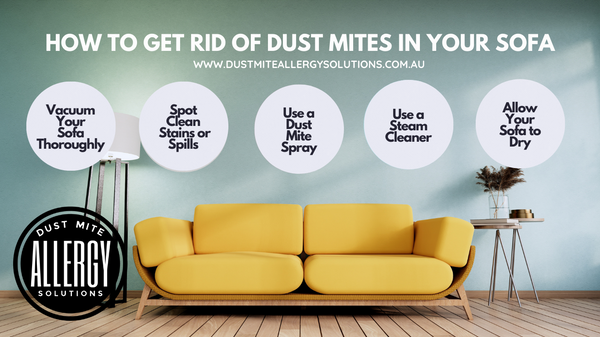
Step 1: Vacuum thoroughly
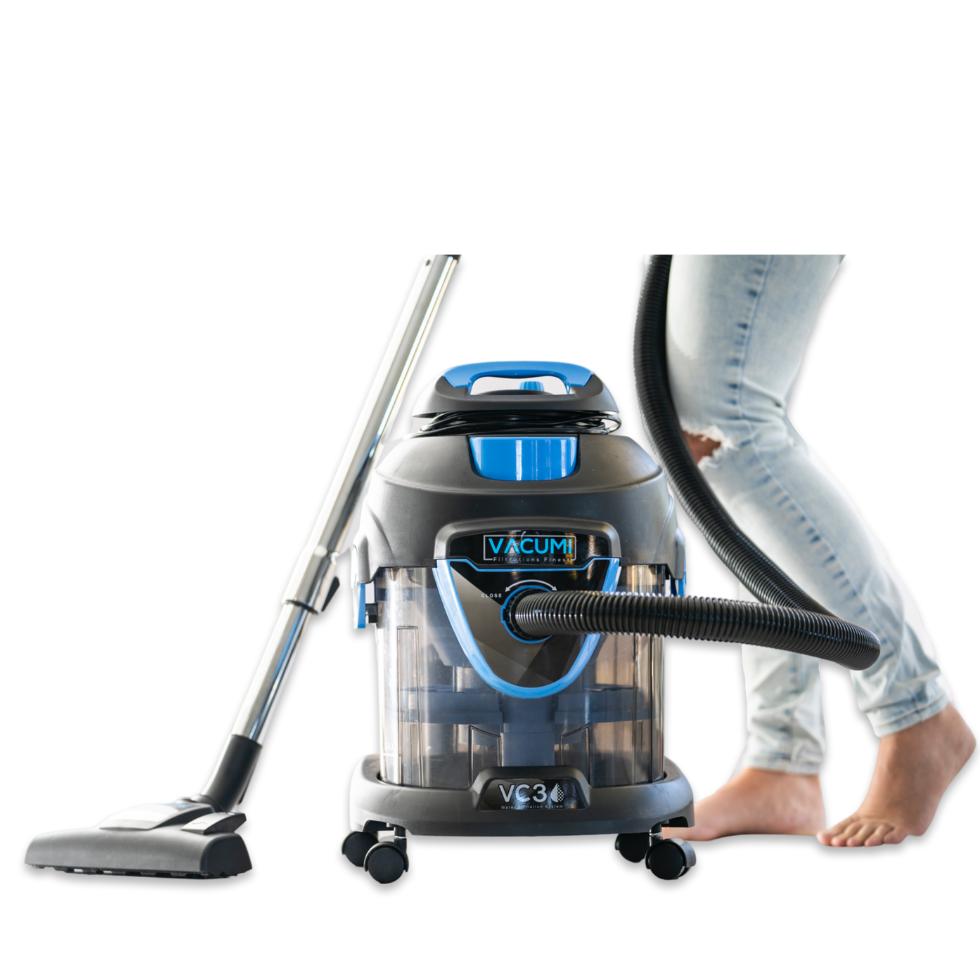
Remove loose cushions and vacuum the sofa, including seams and crevices. A HEPA-filtered vacuum is generally preferable for capturing fine particles rather than redistributing them into the air.
Step 2: Spot clean stains
Spot clean marks using a mild detergent and a damp cloth. Always test a small, hidden area first. You can also explore our range of cleaning products.
Step 3: Use a dust mite spray (if suitable for your household)
Some households choose to use a specifically formulated allergen-neutralising spray on upholstery as a supplementary step. Always follow label instructions, test first, and avoid use if anyone in the home has known sensitivities. For a broader look at options, see our dust mite sprays range.
Step 4: Steam clean (if upholstery allows)
Steam cleaning is one of the most effective ways to treat upholstery that can't be washed — high-temperature steam penetrates fabric fibres and disrupts dust mite populations. Follow the manufacturer's instructions and avoid over-wetting the fabric. For a full breakdown of how steam fits alongside other cleaning methods, see our deep cleaning guide for dust mite allergies.
Step 5: Dry completely
Allow the sofa to dry fully before replacing cushions or using it again. Good airflow helps — damp upholstery can develop mould.
How often should I clean my sofa?
- Vacuum fabric sofas weekly using a HEPA-filtered vacuum
- Wash removable cushion covers every 1–2 months (follow the care label)
- Deep clean upholstered sofas every 6–12 months
More frequent cleaning may help if the sofa is used daily, if you have pets, or during high-dust seasons.
Does vacuuming remove dust mites from sofas?
Vacuuming helps remove surface dust and allergen particles. A HEPA-filtered vacuum can help capture fine particles rather than redistributing them into the air. Focus on cushions, seams, creases, and underneath the sofa.
Do dust mite sprays work on sofas?
Some sprays may help as a supplementary step on upholstery surfaces. The Allergoff allergen-neutralising spray is specifically formulated for dust mite allergen management and can be used on soft furnishings. Sprays work best alongside regular vacuuming and washing rather than as a standalone solution.
- Follow product instructions carefully
- Test on a small area first
- Avoid use if household members have known sensitivities
Does sunlight help reduce dust mites?
Direct sunlight can help reduce moisture and break down allergens on removable cushions or covers. Sunlight won't penetrate fixed upholstery, so it's best used as a supplementary measure rather than a primary cleaning method.
Can air purifiers help with dust mites in sofas?
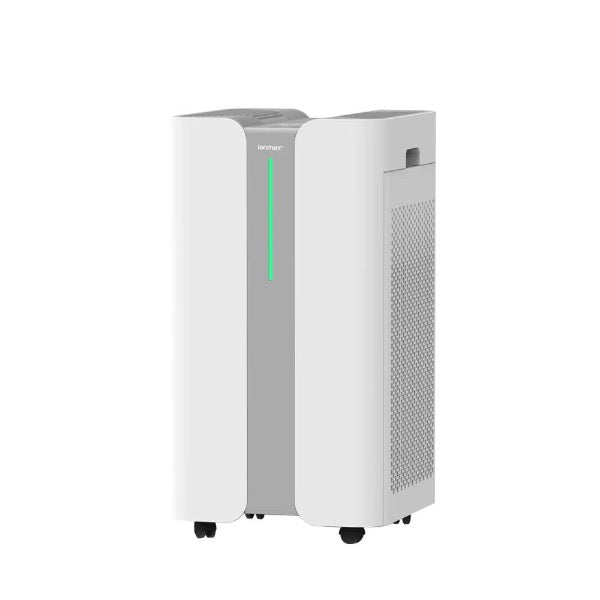
Air purifiers with HEPA filters can help capture airborne allergen particles that are disturbed when sitting on or cleaning the sofa. Every time you sit down, plump a cushion, or vacuum upholstery, allergen particles briefly become airborne — a HEPA air purifier running nearby captures those particles before they resettle or are inhaled. They won't remove dust mites from the sofa itself, but as a companion to regular cleaning they meaningfully reduce overall airborne allergen load in the room. For households where the living room sofa sees heavy use — especially with children or pets — running an air purifier in the same room is one of the simpler ongoing steps you can take. See our range of air purifiers for allergy households.
Does reducing humidity help with dust mites?
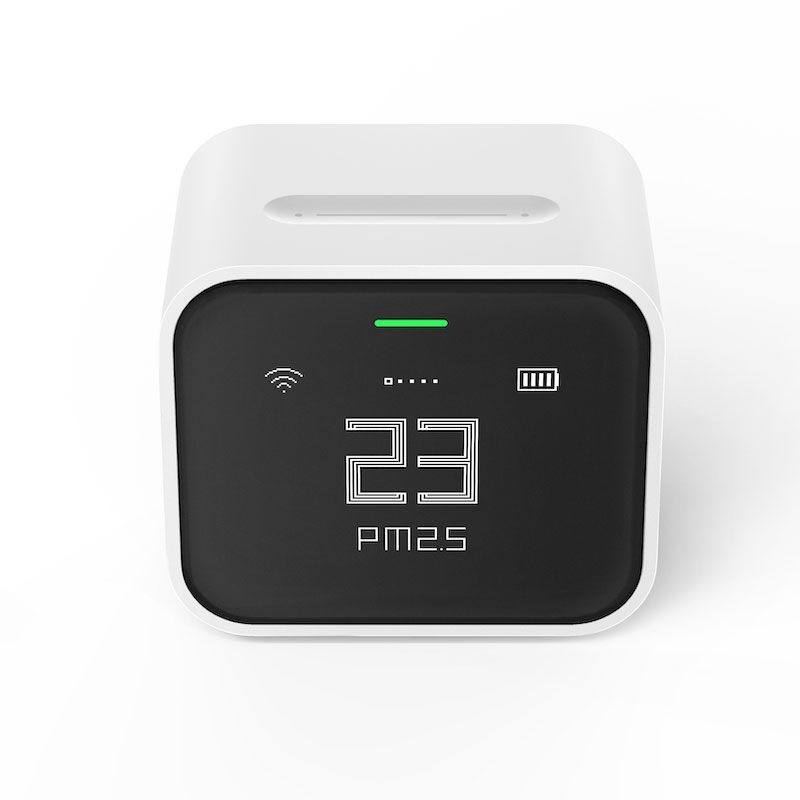
Yes. Dust mites thrive in humid environments. Keeping indoor humidity below 50% using ventilation, air conditioning, or a dehumidifier can make conditions less favourable for dust mite allergens throughout the home, including in sofas. An air quality monitor helps you confirm your humidity is actually staying below that 50% threshold.
What are alternatives to fabric sofas?
If you're concerned about dust and allergens, consider materials that are easier to wipe and less likely to trap particles. Leather and some microfibre lounges are often simpler to maintain than plush fabric upholstery. The right choice depends on your comfort preferences, pets, and cleaning routine.
How to reduce dust mites in sofa cushions

- Wash removable covers according to the care label, ideally at 60°C or above where the fabric allows
- Vacuum cushion inserts using a HEPA-filtered vacuum
- If you use decorative covers, consider adding a washable pillow or cushion protector underneath as a barrier layer
- Air cushions outside in direct sunlight occasionally where practical
Pets and dust mite allergens

Pets can contribute to allergen build-up through dander and fur, which can also trap household dust. Pet dander itself is also a separate allergen for many people, in addition to its role in supporting dust mite populations.
- Groom pets regularly (outside if possible)
- Limit pets on furniture where practical
- Wash pet bedding weekly
- Vacuum more frequently in households with pets
Can you completely eliminate dust mites in a sofa?
It isn't realistic to eliminate dust mites entirely. The goal is to reduce allergen build-up and exposure through regular cleaning, humidity control, and good home hygiene. Consistent maintenance over time tends to make a bigger difference than occasional deep cleans.
Protect your bedroom too
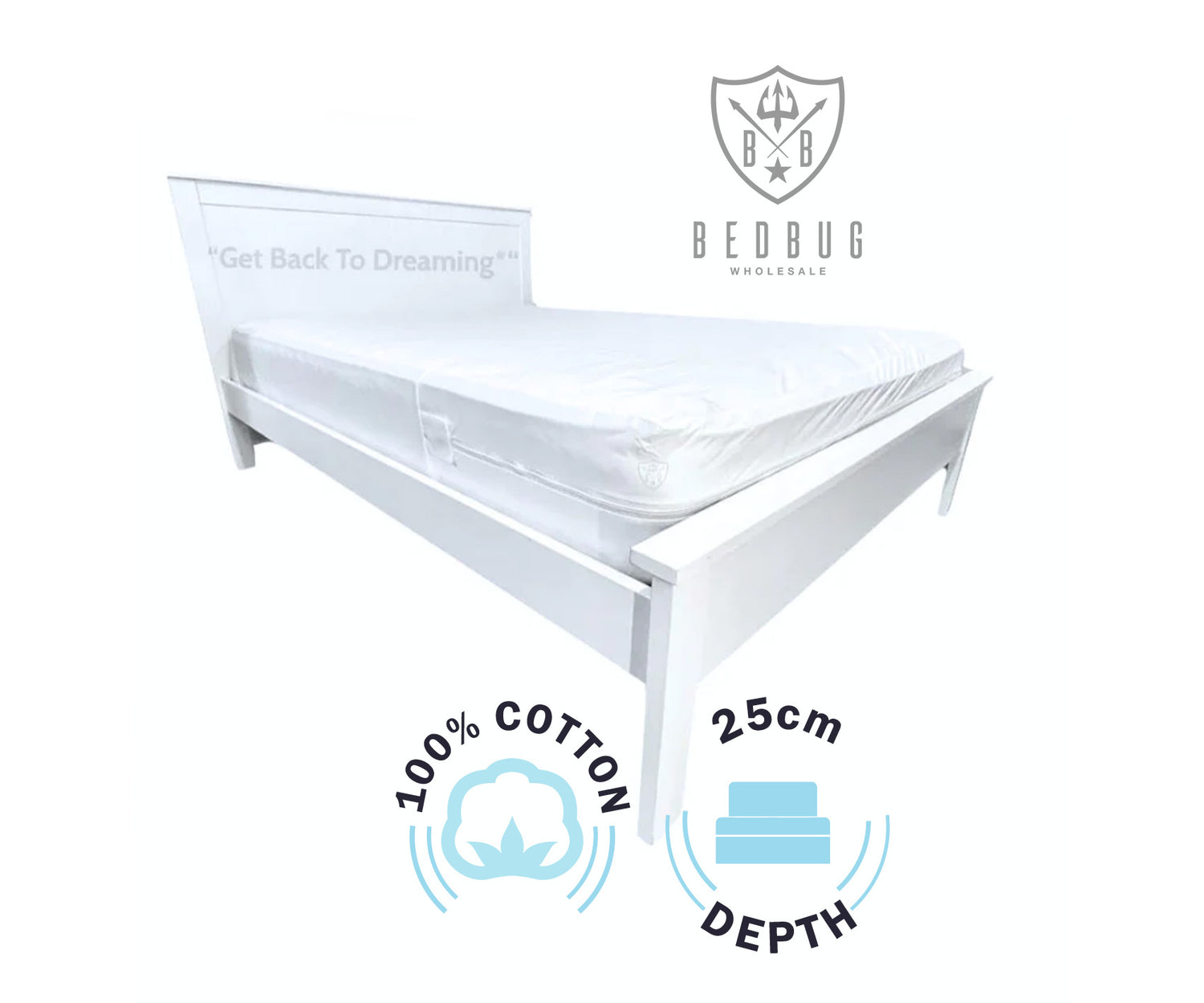
Sofas are one dust mite reservoir — but your mattress, pillows, and quilt are where you spend 7–8 hours every night, making them the highest-priority area for allergen control. While you can't encase a sofa, you can create a physical barrier around your bedding with dust mite covers — one of the most evidence-backed interventions available.
Mattress protectors
Encase your mattress — block allergens at source
Pillow protectors
Washable allergen barriers for pillows
Quilt & doona protectors
Protect your duvet from dust mites
Frequently asked questions
How long do dust mites live on a sofa?
Individual dust mites typically live for around 2–4 months. However, populations on a sofa can persist much longer because warmth, humidity, and a steady food source (skin cells) allow new mites to develop continuously.
Can I steam clean a leather sofa?
Generally no — leather can be damaged by direct steam and moisture. Leather sofas are usually maintained with a soft, slightly damp cloth and a leather-specific cleaner. Always check the manufacturer's care guidance for your specific sofa.
Do throw blankets and decorative cushions make dust mite issues worse?
They can. Throws, decorative cushions, and extra fabric layers create more soft surfaces where dust and allergens accumulate. Limiting decorative items, or choosing washable ones that you can clean regularly, can help reduce overall allergen build-up. Using cushion protectors underneath covers gives you a washable barrier that's easier to maintain than the cushion itself.
Should I cover my sofa if I have dust mite allergies?
A washable throw or sofa cover can act as a barrier layer that's easier to launder than the sofa itself. Some people use them on the cushions they sit on most often, then wash the cover regularly while leaving the sofa underneath cleaner for longer. Pillow and cushion protectors can also provide a tighter barrier layer for individual cushions.
How can I tell if my sofa is causing my allergy symptoms?
If symptoms feel worse after sitting on the sofa for extended periods or after disturbing cushions, your sofa may be contributing. However, dust mite allergens can be present in many areas of the home, so a single source isn't always easy to identify. A GP or allergist can help confirm whether dust mites are a likely trigger.
Can I use essential oils to clean my sofa for dust mites?
We don't recommend essential oils as a primary approach for dust mite management on upholstery. Essential oils are concentrated and can cause skin or respiratory irritation, and several are toxic to pets. Hot washing of removable covers, steam cleaning, humidity control, and protective layers have stronger evidence and lower risk.
Shop products mentioned in this guide
Steam cleaners
For sofas, mattresses & carpets
HEPA vacuums
Capture fine allergen particles
Allergoff allergen spray
Formulated allergen-neutralising spray
Air purifiers
Capture airborne allergens
Dehumidifiers
Keep humidity below 50%
Air quality monitors
Track humidity levels
Dust mite covers
Mattress, pillow & quilt protectors
Cushion & pillow protectors
Washable barrier layers for cushions
Cleaning products
Allergen-aware cleaning range
Where to find dust mite allergy products in Australia
Dust Mite Allergy Solutions is an Australian store focused on helping households reduce everyday exposure to dust mite allergens through practical, easy-to-use home products. Our range includes steam cleaners, dehumidifiers, air purifiers, and dust mite covers for mattresses, pillows, and quilts — all useful for reducing allergens across living areas, including sofas.
For a whole-house approach, see our guide to reducing dust mites in every room of your home. For a complete evidence-based breakdown of cleaning methods, see our deep cleaning guide for dust mite allergies.
Not sure which products suit your home?
Our short product finder helps you work out where to focus first — whether you're starting with the sofa, the bedroom, or your air quality.
Find the right products for your home →Related guides
What reduces dust mites quickly?
Evidence-based fast methods
Carpet mites
Managing mites in carpets & rugs
Is dust mite spray effective?
What the research says
Humidity, mould and dust mites
Why moisture control matters
Homemade dust mite spray recipe
Natural cleaning spray for upholstery
How to reduce dust mites in your home
Room-by-room comprehensive guide
How to reduce dust mites naturally
Chemical-free methods
Deep cleaning guide for dust mite allergies
Complete evidence-based cleaning guide
Disclaimer: This article is general information only and does not constitute medical or professional advice. Always follow product care labels and manufacturer instructions. Results may vary depending on your environment and individual sensitivities. If you have a diagnosed allergy or asthma, please speak with your GP or allergist.