Skip to content


If you're looking for ways to reduce dust mites and maintain a cleaner sleep environment, you're not alone. Dust mites are one of the most common household particle sources in Australian homes, and many people review their bedding and bedroom care routines as part of a broader approach to indoor cleanliness.
This guide covers what dust mites are, where they tend to build up, and the practical steps people commonly take to reduce their presence. It also outlines the types of products often used as part of an allergy-aware bedroom setup.
In short: You can help reduce dust mite presence by washing bedding weekly at 60°C where the care label allows, keeping indoor humidity below 50%, vacuuming with a HEPA-filtered vacuum, and using mattress, pillow, and quilt protectors as a physical barrier. Complete removal isn't realistic, but consistent care can make a meaningful difference to bedroom cleanliness.
What are dust mites?
Dust mites are microscopic organisms commonly found in household environments, particularly in warm, humid areas. They feed on shed skin cells from humans and pets, and they thrive in conditions where moisture and organic material are present.
Dust mites are generally harmless and do not bite, unlike bed bugs. However, the waste particles and body fragments they produce are commonly associated with indoor sensitivities in some individuals, particularly those with allergies, asthma, or eczema.
Read more about dust mites and how they fit into the broader picture of household particles, or our article on common signs of dust mite presence in the home.
What do dust mites look like?
Dust mites typically measure about 0.2 to 0.3 millimetres in length and have oval-shaped, creamy-white bodies. Their small size and translucent bodies make them virtually invisible in a typical home environment. While the mites themselves can't be seen with the naked eye, their presence is often associated with the build-up of fine particles in bedding, upholstered furniture, and soft furnishings.

Where dust mites are commonly found

Dust mites are most commonly associated with soft furnishings and items that hold warmth, moisture, and organic material. Common locations include:
- Bedding: Mattresses, pillows, and quilts can accumulate dust and debris over time, particularly with daily use.
- Upholstered furniture: Sofas, armchairs, and cushions often trap dust and skin particles, especially in crevices and beneath cushions.
- Carpets and rugs: Carpet fibres can hold dust, hair, and other organic matter.
- Curtains and drapes: Heavy or rarely-washed curtains can accumulate airborne particles.
- Soft toys: Stuffed toys, especially those frequently used and not regularly washed, can hold dust and moisture.
- Wardrobes and closets: Stored fabrics, particularly items that aren't worn or washed often, may collect dust over time.
Less obvious locations
Bookshelves, decorative throw pillows, seasonal clothing in storage, and car interiors can all hold dust over time. Bathroom rugs and mats are another spot worth considering, as the combination of moisture and skin particles creates similar conditions to bedding.

Can you completely remove dust mites from a home?
Completely removing dust mites from a home isn't realistic. Dust mites are a normal part of most indoor environments and tend to recover after any single treatment. The practical goal is to help reduce their presence and minimise the build-up of fine particles through consistent cleaning, humidity control, and protective covers.
The aim isn't removal — it's keeping conditions less favourable so your home feels cleaner and is easier to manage day-to-day.
How to reduce dust mites in your home
The practices below are widely recommended approaches to reducing dust mite presence in the home. Combining several of them tends to be more effective than relying on any single method.
Use mattress, pillow, and quilt protectors
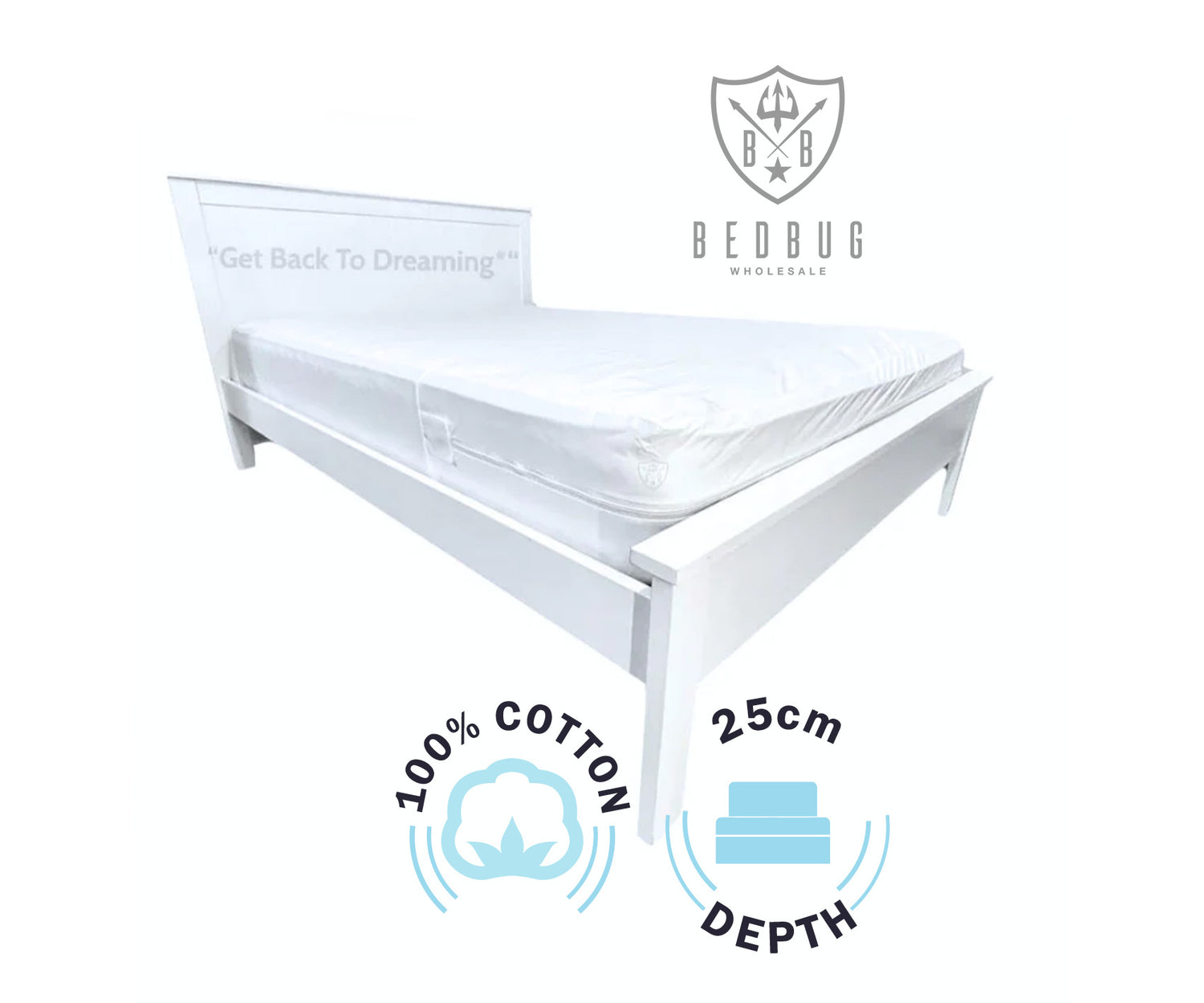
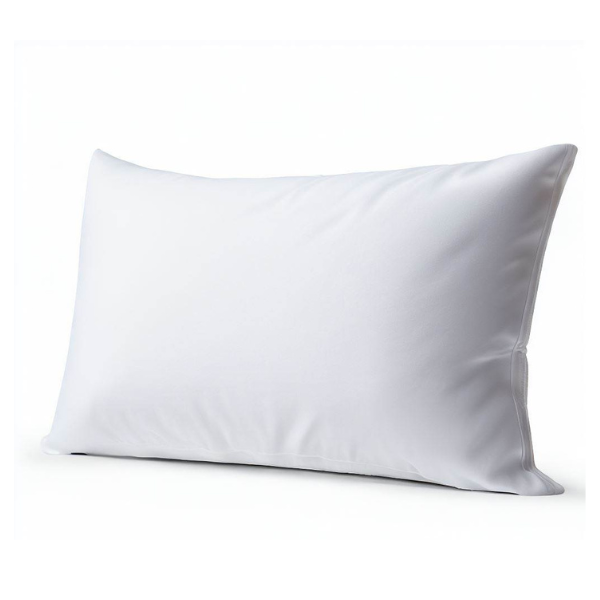
Use dust mite mattress protectors, pillow protectors, and quilt or doona protectors to create a physical barrier between the sleeper and the bedding underneath. These covers are designed to limit the movement of fine particles between the mattress, pillow, or quilt and the sleep surface.
Wash bedding regularly
Launder sheets, pillowcases, and washable bedding weekly. Washing in hot water (at least 60°C) where the fabric care label allows is widely cited as effective for thorough cleaning of bedding fabrics. Australian guidance, including from ASCIA, recommends weekly hot washing of bedding as a general practice for allergy-aware homes.
Maintain low indoor humidity
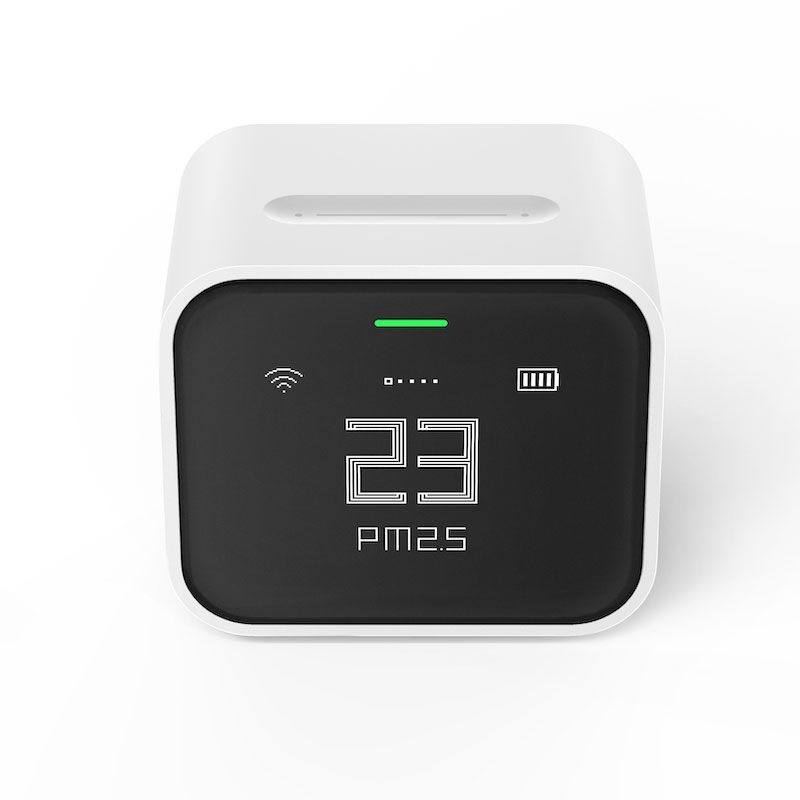
Aim to keep indoor humidity levels below 50% to make conditions less favourable for dust mites. A hygrometer or air-quality monitor can help you track humidity in bedrooms.
Vacuum regularly with a HEPA-filtered vacuum
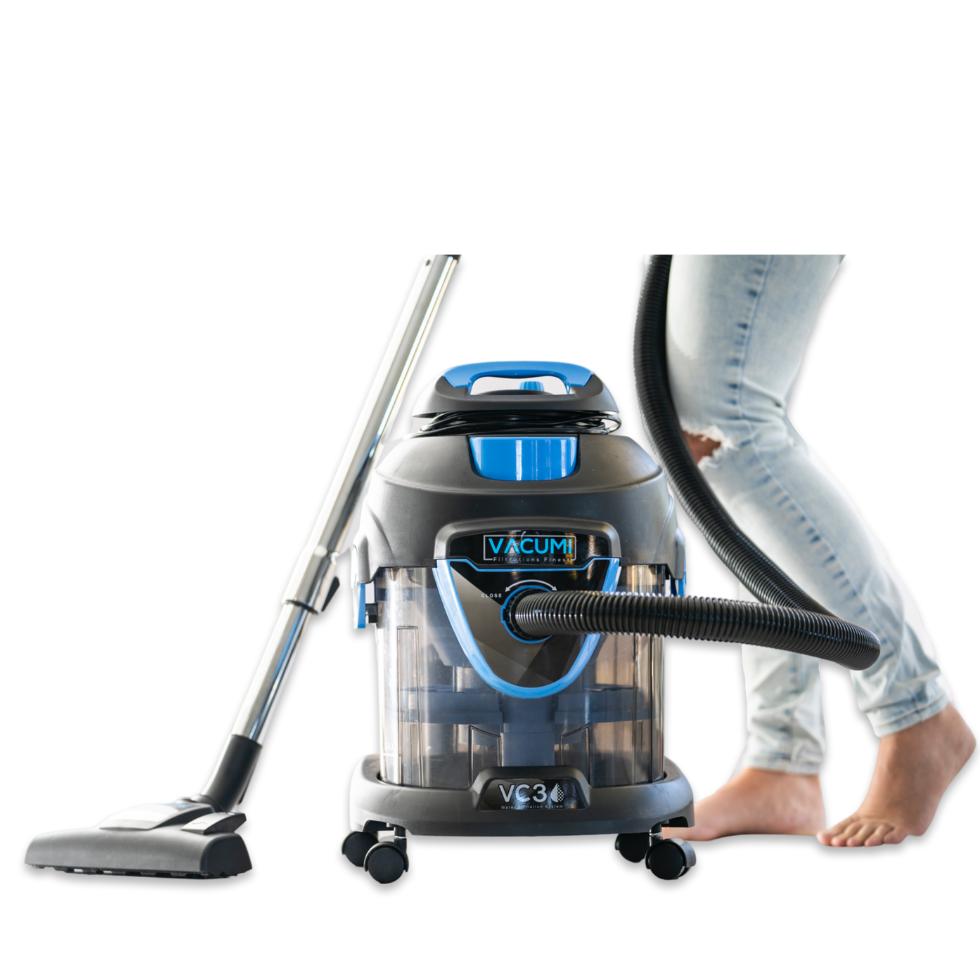
Use a vacuum with a HEPA filter to capture fine particles, including dust mite debris, from carpets, mattresses, and upholstered furniture. Standard vacuums without HEPA filtration can release fine particles back into the air, which is why HEPA filtration matters specifically for sensitive households.
Steam clean carpets and upholstery
Periodic steam cleaning at high temperatures can help reduce dust mites on treated surfaces such as carpets, rugs, and upholstery. Pass slowly over each area, avoid overwetting fabrics, and check both the steam cleaner and the item being cleaned for compatibility.
Dust with a microfibre or damp cloth
Regularly clean surfaces with a microfibre or damp cloth rather than dry-dusting, which can disperse particles into the air.
Wash curtains and clean blinds
Clean curtains, drapes, and blinds regularly to limit the build-up of dust on window coverings.
Reduce clutter
Less clutter means fewer surfaces for dust to accumulate on, and easier cleaning routines overall.
Use an air purifier with a HEPA filter
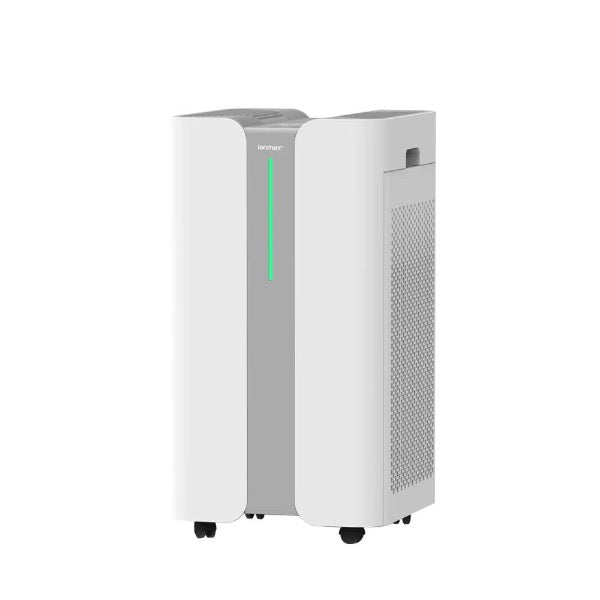
An air purifier with a HEPA filter can help capture airborne particles, particularly when running in bedrooms overnight. Air purifiers don't reach particles settled deep in mattresses or carpets, so they work best alongside cleaning and protective covers.
Consider hard flooring instead of carpet
Where practical, hardwood, tile, or vinyl flooring is easier to keep dust-free than carpet.
Choose allergy-aware bedding
Some bedding is made with materials commonly chosen for allergy-aware households. Find out more in our guide on choosing bedding for allergy-aware homes, and our article on the difference between hypoallergenic and anti-allergy bedding.
If your mattress is several years old, it may be holding more dust than newer bedding. See our guide to choosing a mattress for allergy-aware households.
Wash or freeze soft toys
Soft toys can be washed regularly, or for delicate items, placed in a sealed bag in the freezer for at least 24 hours. Wash or vacuum afterwards to remove residue.
Keep indoor temperatures cool
Cooler indoor temperatures, combined with low humidity, create conditions less favourable for dust mite build-up.
Air bedding and rugs in sunlight
Where practical, airing bedding, rugs, and soft furnishings outside in direct sun can help reduce surface particles and dry out fabrics.
Choose furnishings with allergy-aware households in mind
Leather or vinyl furniture and washable curtains or blinds are generally easier to keep dust-free than heavy fabric upholstery and drapes. See our guide on caring for upholstered furniture in allergy-aware homes.
Limit pets in bedrooms
Limiting pets from entering bedrooms can help reduce the amount of dander and hair in sleep spaces. Pets can also experience sensitivities themselves — see our article on dust mite sensitivities in dogs.
Establish regular cleaning routines
Consistency matters more than intensity. Regular weekly cleaning of bedding, vacuuming, and surface dusting tends to make a bigger long-term difference than occasional deep-clean efforts. Pay attention to often-overlooked spots like behind fabric headboards and under the bed. See our bedroom-focused care guide and our guide to caring for your mattress.
For a fuller, room-by-room walkthrough, see our comprehensive room-by-room guide.
Natural methods for reducing dust mites
If you prefer a low-chemical approach, several natural methods are commonly discussed for reducing dust mite presence:
- Hot washing: Laundering bedding at 60°C (where the care label allows) and drying thoroughly is widely cited as effective for thorough cleaning.
- Freezing small items: Placing delicate items like soft toys or cushions in a sealed bag in the freezer for at least 24 hours can help reduce live dust mites on those items.
- Steam cleaning: High-temperature steam can help reduce dust mites on carpets, mattresses, and upholstery.
- Sunlight and airing: Direct sun and outdoor airing can help dry fabrics and reduce surface particles.
- Humidity control: Keeping indoor humidity below 50% with dehumidifiers, air conditioning, or improved ventilation makes conditions less favourable.
- HEPA vacuuming: Regular vacuuming with HEPA filtration helps capture fine particles.
- Vinegar in general cleaning: Vinegar has limited evidence for dust mite reduction specifically and is best thought of as a general hard-surface cleaning aid. Patch-test fabrics first.
- Diatomaceous earth: Sometimes used in household cleaning routines. Always follow product instructions, ventilate well, and avoid inhalation of fine powder.
A note on essential oils
Some laboratory studies have explored the activity of essential oils — including eucalyptus, tea tree, lavender, and peppermint — under controlled conditions. Real-world effectiveness in typical home use is less well-established, and essential oils are not registered or marketed as dust mite control products in Australia.
Important safety considerations:
- Essential oils are concentrated and can cause skin or respiratory irritation, particularly in young children, infants, and people with asthma.
- Several essential oils — including tea tree, eucalyptus, peppermint, and clove — are toxic to cats and dogs, sometimes at very low exposures.
- Essential oils should not be applied directly to children's bedding, cot mattresses, soft toys, or pillows.
- Patch-test fabrics first, as oils can stain or damage some materials.
- Pregnant or breastfeeding women should consult a healthcare professional before regular use.
For a more detailed walkthrough, see our full guide to natural methods.
Products commonly used in an allergy-aware bedroom
Bedding and bedroom protection
- Dust mite mattress protectors: Designed to encase the mattress and create a physical barrier between the sleeper and the mattress interior.
- Dust mite pillow protectors: A washable barrier layer for one of the closest-contact bedding items.
- Dust mite quilt and doona protectors: Add a barrier layer between you and the bedding you sleep under each night.
- Allergy-aware bedding: Pillows and quilts made with materials commonly chosen for allergy-aware households.
- Allergy-friendly bed sheets: Bedding designed to handle the higher temperatures often used for thorough cleaning.
- Washable soft toys: Choosing soft toys that can be regularly machine-washed makes ongoing care easier.
Cleaning equipment
- HEPA-filtered vacuum cleaners: Designed to capture fine particles, including dust mite debris.
- Steam cleaners: Useful for treating carpets, curtains, and upholstery at high temperatures.
- Microfibre dusting cloths: Designed to trap dust without scattering it into the air.
Cleaning aids
- Allergen-reducing laundry additives: Designed for use alongside regular laundry detergent in allergy-aware households.
- Dust mite sprays: Designed for use on surfaces as part of a broader cleaning routine. Always follow product label instructions.
Air quality
- Air purifiers with HEPA filters: Designed to help capture fine airborne particles in indoor spaces.
- Dehumidifiers: Help maintain indoor humidity below 50%, making conditions less favourable for dust mites.
- Hygrometers and air-quality monitors: Help you track humidity levels in bedrooms and living spaces.
For a curated overview, see our guide to popular products for allergy-aware households.
Home modifications worth considering
- Hard flooring: Easier to keep dust-free than carpet, where practical.
- Minimalist decor: Less clutter means fewer surfaces for dust to accumulate on.
- Blinds or washable curtains: Easier to clean than heavy drapes.
Ongoing care tips
Maintaining an allergy-aware home is an ongoing process rather than a one-off task. The most useful habits tend to be:
- Regular cleaning: Establish a routine and stick with it — consistency matters more than intensity.
- Reduce clutter: Fewer items means easier cleaning and fewer surfaces for dust to accumulate on.
- Control humidity: Aim to keep indoor humidity below 50%.
- Maintain a cool environment: Cooler indoor temperatures are generally less favourable for dust mite build-up.
- Ventilate your home: Open windows where practical and use exhaust fans in humid areas.
- Choose allergy-aware materials: Where new bedding is being purchased, materials designed for allergy-aware households are worth considering.
- Air bedding regularly: Pull back covers in the morning to let trapped overnight moisture evaporate.
- Wash often-overlooked items: Throw pillows, decorative cushions, and bath mats benefit from regular cleaning too.
- Clean rugs frequently: Rugs benefit from regular vacuuming and periodic deeper cleaning.
- Choose easier-to-clean furniture: Leather or vinyl is generally easier to keep dust-free than fabric upholstery.
- Groom pets regularly: Reduces the amount of dander and hair in shared living spaces.
- Keep pets off beds where practical: Helps reduce dander build-up in sleep spaces.
- Consider periodic deep cleaning: Professional cleaning services can be useful for tasks that are difficult to do regularly at home.
Further reading
- Room-by-room guide to reducing dust mites
- Natural methods for reducing dust mites
- How often to wash bedding
- Choosing bedding for allergy-aware homes
- Mattress, pillow, and quilt protectors