Skip to content

This article is general information only and is not medical advice. If you have a diagnosed allergy, asthma, or respiratory condition, please speak with your GP or allergist for personal guidance before travel.
If your allergies flare up every time you travel, you're not imagining it. Hotels and short-stay accommodation can look spotless, but bedding and soft furnishings are where most dust mite particle build-up happens.
Short answer: Dust mite allergies often feel worse when travelling because you're sleeping in unfamiliar bedding that may contain accumulated dust mite particles, even if the room looks clean. The most effective approach is usually reducing exposure during sleep, not trying to remove dust mites completely.
The goal isn't to remove dust mites completely — that isn't realistic in any environment. It's to reduce your exposure enough so you can sleep, breathe, and enjoy your trip more comfortably.
This guide walks you through exactly how to do that.
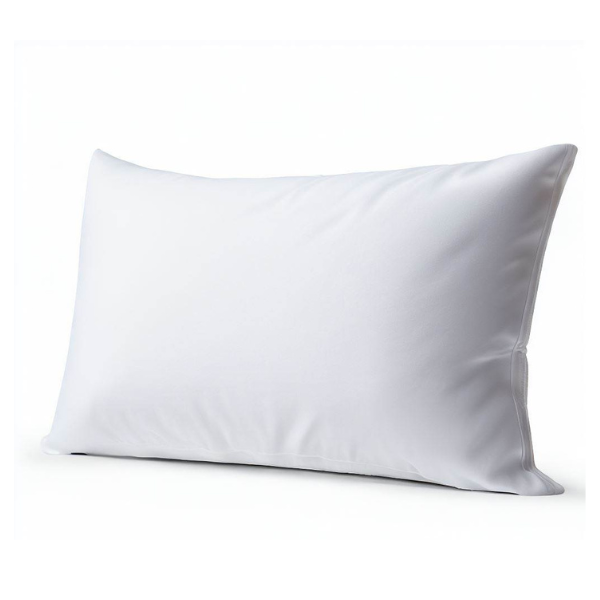
Best place to start: If you only bring one thing, bring your own dust mite pillow protector. It's one of the simplest ways to create a barrier where your face has the most contact with bedding. The peer-reviewed evidence base for tightly-woven pillow encasements is strong (Halken et al., 2003).
Pillow protection
The easiest high-impact travel step.
Mattress protection
Add a bigger barrier over the bed itself.
Allergy-aware pillows
Bring more of your own sleep setup with you.
Why do dust mite allergies get worse when travelling?
Answer: Dust mite allergies can feel worse when travelling because you're sleeping in unfamiliar mattresses, pillows, and bedding that may contain accumulated dust mite particles. Even in a room that looks clean, the main exposure often comes from the bed itself.
Research by Arlian (1992) in Experimental and Applied Acarology established that dust mites need ambient humidity above approximately 65-70% to maintain their water balance. Dust mites tend to build up in:
- Warm environments
- Areas with higher humidity
- Bedding and soft furnishings that aren't washed regularly
When you travel, you're often sleeping on:
- A mattress with an unknown history of cleaning and use
- Pillows that have been in continuous use across many guests
- Bedding whose washing temperatures you can't confirm
This matters because the peer-reviewed research is clear: hot-water washing of bedding at 55°C or above is what reduces dust mite populations effectively (McDonald and Tovey, 1992). Many hotels and short-stay properties wash linen at temperatures we can't easily verify. Even if a room looks clean, you're still in close contact with the bedding for hours every night, which is why symptoms often hit hardest while you're in bed.

How to prepare before you travel
Answer: The best way to prepare is to choose accommodation carefully, reduce obvious dust-holding features where possible, and plan a simple travel bedding setup before you leave home.
A little preparation makes a big difference.
Choose your accommodation carefully
- Choose newer or recently renovated accommodation
- Prefer hard floors like timber, tile, or vinyl over carpet
- Avoid heavy fabrics like thick curtains and upholstered bedheads
- Look for simple, white bedding that is washed frequently
- Avoid decorative cushions and unwashed throws
- Check if the property mentions allergy-aware bedding
- Look for mention of mattress or pillow protectors
- Read reviews for words like "clean", "dust", or "musty"
- Avoid places with complaints about smells or poor cleanliness
- Choose rooms with good ventilation or windows that open
- Prefer air conditioning with filtration if available
- Message the property to ask about bedding and cleaning practices
- Book higher-rated stays rather than the cheapest option
- Start with a short stay and extend if it works for you
- Choose accommodation with climate control in humid destinations where possible
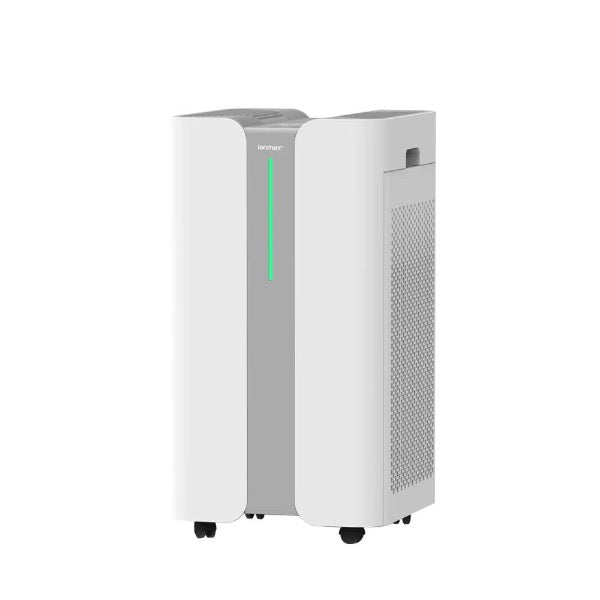
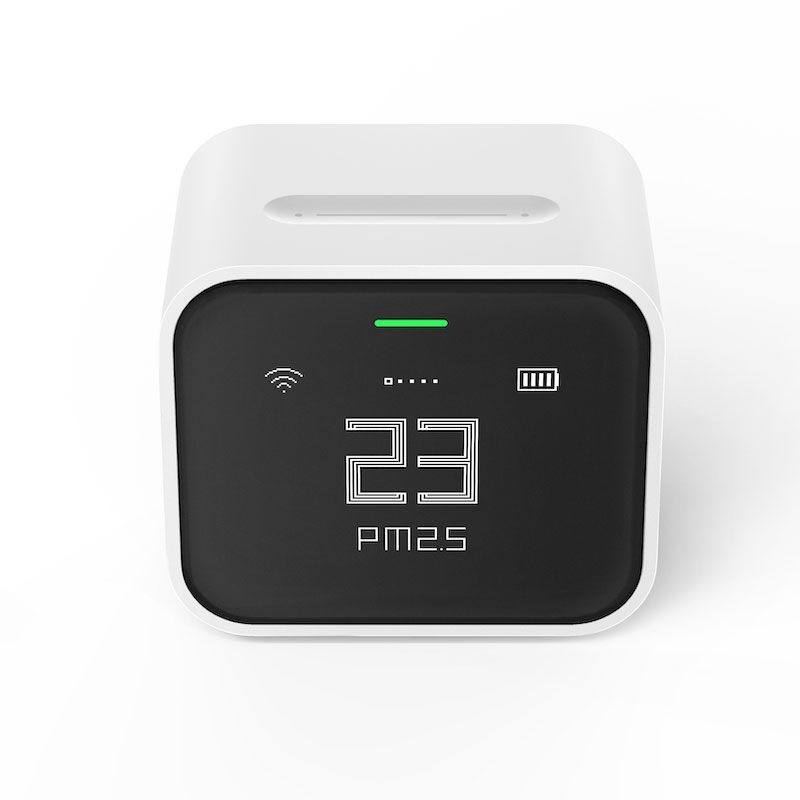
- Consider a portable air purifier if you're particularly sensitive
- Plan to lay down your own sheet or liner over the bed
If you're particularly sensitive, consider contacting the accommodation in advance and asking if the bedding can be freshly washed before arrival. Many properties are happy to accommodate this if asked.
What should I pack for dust mite allergies?
Answer: The most useful things to pack are items that create a barrier between you and unfamiliar bedding. For many travellers, that starts with a dust mite pillow protector and, if needed, their own pillow.

You don't need to overpack. Just bring a few key items that help reduce exposure.
Essentials
- Your own dust mite protector pillowcase or pillow protector
- Antihistamines or prescribed medication as prescribed or recommended by your doctor or pharmacist
- Nasal spray, if recommended by your doctor
Optional for more sensitive travellers
- Your own allergy-aware pillow
- A dust mite mattress protector or pillow encasement
- A light blanket or quilt from home
Even one or two of these can noticeably improve your sleep.
What should I do when I arrive?
Answer: When you arrive, set up the room before you settle in. Air it out, check the bedding, and keep the room cool and dry where possible.
Don't just drop your bags and crash. Take five minutes to set up your space.
-
Air out the room
Open windows if possible to reduce trapped humidity. Research published in the Journal of Allergy and Clinical Immunology (Arlian et al., 2001) found that maintaining indoor humidity below 51% over 17 months produced approximately 98% reduction in dust mite populations — humidity matters. -
Check the bedding
If something feels musty or heavy, it's worth addressing early. Don't be shy about requesting fresh bedding from the property. -
Adjust the environment
Turn on air conditioning if available and keep the room cool and dry. Air conditioning typically reduces indoor humidity, which is exactly what reduces dust mite build-up over time.
How do I reduce exposure while sleeping?
Answer: The biggest gains usually come from changing your sleep setup, not relying on room cleanliness alone. Focus on creating a barrier between you and the pillow, mattress, or bedding you're sleeping on.
This is the most important part because you're spending hours in direct contact with bedding.
The peer-reviewed evidence supports tightly-woven encasements as the most effective single intervention. The 2018 review by Wilson and Platts-Mills in the Journal of Allergy and Clinical Immunology: In Practice specifically identified woven fabrics as effective barriers against dust mite particles, while noting that nonwoven materials don't provide the same barrier.
Focus on
- Creating a barrier between you and the mattress or pillow with a dust mite pillow protector
- Using your own pillow if possible
- Avoiding direct contact with unfamiliar bedding where possible
What not to rely on
- Room cleanliness alone
- Quick surface cleaning
Key insight: the issue is rarely the room itself. It's usually the bed.
Hotel vs Airbnb for allergy-aware travellers
Answer: Hotels usually offer more consistency, while Airbnb and short-term rentals can offer more control. For sensitive travellers, predictable cleanliness often matters more than luxury.
There's no perfect answer, but here's how they compare.
Hotels
Pros:
- Standardised cleaning protocols across rooms
- Daily housekeeping in many properties
- Linen is often washed through commercial systems
- Staff are trained and supervised
- Hotels are generally more predictable and consistent
Cons:
- High turnover of guests
- Less control over the materials used in the room
Airbnb / short-term rentals
Pros:
- Some listings are extremely allergy-aware
- You may have more control over the environment
- Hard floors and simpler furnishings can be easier to find
Cons:
- Cleaning quality can vary considerably between hosts
- Cleaning often depends on time between guests
- Bedding may not be washed at high temperatures
- Standards can be inconsistent from one stay to another
If you're particularly sensitive, control and consistency usually matter more than luxury.
What actually makes a difference while travelling?
Answer: The biggest difference usually comes from controlling your bed setup. Start with the surfaces closest to your face and body, then reduce humidity and unnecessary exposure around the room.
While travelling, keep it simple. Focus on your bed setup first because this is where most dust mite particle exposure tends to happen.
- Bring your own dust mite pillow protector to create a clean barrier while you sleep
- Bring your own allergy-aware pillow if you're sensitive
- Create a fuller barrier using dust mite mattress and pillow encasements
- Avoid airline pillows and blankets where possible
- Air out the room as soon as you arrive
- Keep the room cool, dry, and well ventilated
- Avoid leaving bedding damp or humid
- Avoid direct contact with hotel pillows and quilts where possible
- Don't pile extra cushions or blankets on the bed unnecessarily
- Shower before bed to remove particles from your skin and hair
- Change your pillow protector or pillowcase regularly on longer stays
- Try not to sit or lie on the bed unnecessarily
- Keep luggage closed to reduce dust spreading onto clothing and bedding
- Use a dust mask in high-circulation areas if you're particularly sensitive
- Take antihistamines if needed and appropriate for you (as recommended by your doctor)
- Keep your setup consistent across stays with your own pillow protection, pillow, and mattress protection
What should I do if symptoms flare?
Answer: If symptoms flare up, focus on reducing exposure straight away, switch to your own bedding if you brought it, and manage symptoms with medication as directed for you. Always consult a doctor if symptoms are severe.
Even with preparation, some accommodation will still affect you.
If that happens:
- Use antihistamines or medication as directed by your doctor or pharmacist
- Switch to your own pillow or bedding if you brought it
- Air out the room again
- Reduce time spent lying in bed when not sleeping
- If symptoms are severe or persistent, seek medical advice
The key is managing exposure thoughtfully, not panicking.
Frequently Asked Questions
What is the best thing to bring for dust mite allergies when travelling?
For many people, the best starting point is a dust mite pillow protector because it creates a barrier on one of the bedding items closest to your face. The peer-reviewed evidence base for tightly-woven pillow encasements is strong, with the Halken et al. (2003) RCT finding significant long-term reductions in dust mite particles over 12 months.
Why do allergies feel worse in hotels?
Allergies can feel worse in hotels because the bedding in short-term accommodation is used frequently and you may have had less control over its preparation. The McDonald and Tovey (1992) research found that washing temperatures matter — water at 55°C or above is what reduces dust mite populations effectively, but hotel washing temperatures can vary.
Can I rely on room cleaning alone?
Usually no. Surface cleaning can help, but the bigger issue is often what's already accumulated inside the mattress, pillows, and bedding. The Wilson and Platts-Mills (2018) review found that physical barriers like tightly-woven encasements have stronger and more sustained effects than surface cleaning alone.
Should I bring my own pillow when travelling?
If you're particularly sensitive, bringing your own allergy-aware pillow can make a noticeable difference because it gives you a more familiar sleep surface. Combined with a tightly-woven pillow protector, it provides the closest equivalent to your home setup.
Is a mattress protector worth bringing when travelling?
For some travellers, yes. A dust mite mattress protector can add another barrier between you and the bed, especially on longer stays. For shorter trips of 1-2 nights, a pillow protector alone may be sufficient since the pillow is closest to your face.
How does humidity affect dust mites when travelling?
Dust mites need humidity above approximately 65-70% to maintain their water balance (Arlian, 1992). Travelling to humid coastal areas can mean more dust mite build-up than travelling to dry areas. Where possible, choose accommodation with air conditioning or good ventilation, particularly in humid destinations.
Can air purifiers help while travelling?
Air purifiers with HEPA filters can help capture fine airborne particles, particularly when running overnight in the bedroom. They work best alongside other measures (covers, washing, humidity control) rather than as a standalone solution. Portable units designed for travel are available, though for most travellers a pillow protector and own pillow are the higher-impact choices.
Should I take antihistamines preventively when travelling?
This is a personal medical decision that should be discussed with your GP or pharmacist. Some allergy-aware travellers take preventive antihistamines on travel days; others use them only if symptoms develop. Don't make this decision based on a general article — speak with your medical team about what's appropriate for you.
Shop travel-friendly dust mite protection
Explore our range of dust mite pillow protectors, mattress protectors, and allergy-aware pillows designed to help you create a cleaner sleep setup wherever you stay.

References
This article draws on the following peer-reviewed research:
- Arlian LG. (1992). "Water balance and humidity requirements of house dust mites." Experimental and Applied Acarology, 16(1-2):15-35. PubMed
- McDonald LG, Tovey E. (1992). "The role of water temperature and laundry procedures in reducing house dust mite populations and allergen content of bedding." Journal of Allergy and Clinical Immunology, 90(4 Pt 1):599-608. PubMed
- Arlian LG, Neal JS, Morgan MS, et al. (2001). "Reducing relative humidity is a practical way to control dust mites and their allergens in homes in temperate climates." Journal of Allergy and Clinical Immunology, 107(1):99-104. PubMed
- Halken S, Høst A, Niklassen U, et al. (2003). "Effect of mattress and pillow encasings on children with asthma and house dust mite allergy." Journal of Allergy and Clinical Immunology, 111(1):169-176. PubMed
- Wilson JM, Platts-Mills TAE. (2018). "Home Environmental Interventions For House Dust Mite." Journal of Allergy and Clinical Immunology: In Practice, 6(1):1-7. PubMed
This article is general information only and is not medical advice. If you have a diagnosed allergy, asthma, or respiratory condition, please speak with your GP or allergist for personal guidance before travel.