Skip to content


Short answer: Washing soft toys in hot water (60°C or above where the fabric allows), freezing delicate toys for at least 24 hours, and tumble drying on high heat are the three main methods parents use to help reduce dust mites and their allergens. Keeping bedrooms dry, vacuuming toys with a HEPA vacuum, and limiting how many toys sit on the bed all help too.
For many children, a favourite teddy bear or plush bunny isn't just a toy — it's a constant companion and a bedtime comfort. But for families managing allergies or asthma, these beloved soft toys can hold onto dust mites and their allergens over time.
It's a tough situation for parents. You want to help reduce the allergens that may be contributing to sneezing, wheezing, or eczema flare-ups, but you don't want to take away your child's comfort objects.
The good news is you don't have to choose between the two. With a sensible care routine, you can meaningfully reduce the dust mite load in your child's soft toys. This guide covers why soft toys collect mites in the first place and the practical methods — hot washing, freezing, and more — that parents use to help manage them.
Why do soft toys attract dust mites?
To understand how to manage them, it helps to understand why soft toys tend to be popular with dust mites in the first place. House dust mites are microscopic arachnids, related to spiders and ticks, that thrive in warm, humid environments. They feed primarily on shed skin cells from humans and pets — and unlike rugs or carpets, soft toys are in direct contact with children for hours every night.
Research by Arlian (1992) in Experimental and Applied Acarology established that dust mites need ambient humidity above approximately 65-70% to maintain their water balance, since they don't drink water but absorb moisture from the air. The warmth, moisture, and shed skin cells from a child cuddling a soft toy create a microclimate dust mites are well-suited to.
Soft toys tend to accumulate dust mites for three main reasons:
- The material. The porous fabric and stuffing of plush toys can trap moisture and dust, creating the kind of microclimate where mites are comfortable.
- The food source. Because children cuddle, sleep on, and carry their toys everywhere, the fabric collects skin cells — which is what dust mites feed on.
- The proximity. Unlike a carpet you walk on, a soft toy is often pressed directly against a child's face during sleep. This means the allergens (proteins found in mite waste and body fragments) can be breathed in more directly.
Research has measured how quickly soft toys can accumulate dust mite allergen. A study by Kuehr and colleagues (1996) in the Journal of Allergy and Clinical Immunology found that brand-new soft toys had very low levels of Der 1 (the main dust mite allergen) at around 0.1 micrograms per gram of dust, but levels rose rapidly to around 9 micrograms per gram after just one year of use, and to over 22 micrograms per gram after two or more years. The same study found that washing soft toys produced a statistically significant decrease in Der 1, while vacuuming alone did not.
A more recent study by Wu and colleagues (2014) in the Journal of Asthma measured allergen levels on 40 children's soft toys and found detectable house dust mite, cat, and dog allergens on most of them — confirming that soft toys are a meaningful reservoir for the allergens children are commonly sensitised to.
The good news is that a consistent care routine can make a meaningful difference. For broader guidance on reducing dust mites across the home, see our room-by-room guide to reducing dust mites.
Hot washing: the most effective method
When it comes to reducing dust mites, heat is the most effective tool available in most households. A gentle cold wash may keep fabrics looking nice, but cooler water is generally less effective at reducing mite populations or removing allergen particles.
The target temperature: 60°C
Australian guidance, including from the Australasian Society of Clinical Immunology and Allergy (ASCIA), generally recommends washing bedding and washable soft items at 60°C or above where the fabric allows. Research published in the Journal of Allergy and Clinical Immunology (McDonald and Tovey, 1992) found that water temperatures of 55°C or above are effective for reducing dust mite populations in bedding fabrics. The 60°C recommendation provides a margin above this scientific threshold. Helpfully, the same study found that even cold-cycle washing reduced allergen concentrations by more than 90%, so washing has practical value at any temperature your fabric care label allows.
How to wash soft toys safely

Before you turn up the heat, always check the care label. Here's a step-by-step guide:
- Check for electronics. Make sure the toy doesn't have battery packs, voice boxes, or mechanical parts. These generally cannot be submerged in water.
- Use a laundry bag. Place the toy inside a mesh laundry bag or a tied pillowcase. This helps stop eyes, buttons, or trim from snagging.
- Select a hot cycle. Where the fabric allows, set the machine to 60°C or higher.
- Use a gentle detergent. Mild, fragrance-free detergents are generally the best choice for items that will be in close contact with children's skin.
- Dry thoroughly. This part matters. If a toy stays damp inside, mould can grow. Tumble dry on high heat where the fabric allows, or dry in direct sunlight — research by Tovey and Woolcock (1994) found that direct sunlight exposure can reduce dust mite populations on textiles, so the combination of heat, air movement, and UV exposure can help reduce surface allergens.
If the toy is delicate and can't handle a hot wash, don't worry — the freezing method below is a good alternative.
The freezing method
For vintage teddies or delicate plush toys that won't survive a hot wash, the freezer is a practical alternative. Freezing doesn't remove the allergens (the mite waste), but it can help reduce the live mite population, and the toy can then be washed on a cooler setting or vacuumed afterwards to remove remaining residue.
How to freeze soft toys
- Seal it up. Place the toy in an airtight Ziploc bag or a sealed plastic liner. This helps prevent condensation from wetting the toy and stops it picking up freezer smells.
- Into the freezer. Place the sealed bag in your household freezer.
- Wait at least 24 hours. Brief exposure to cold isn't enough — dust mite guidance generally points to at least 24 hours at household freezer temperatures to meaningfully reduce live mites.
- Wash or vacuum afterwards. Freezing helps with live mites, but their bodies and waste are still on the toy. If the toy can be washed on a cooler cycle, do that — the McDonald and Tovey (1992) study found that cold-cycle washing still reduces allergen concentrations by more than 90%. If it can't be washed at all, vacuum it thoroughly with a HEPA-filtered vacuum to help remove the debris.
Tumble drying on high heat
If you need a quicker solution and the toy is already clean but needs refreshing, the dryer can help. Putting a dry soft toy in a hot tumble dryer for around an hour can help reduce dust mites, similarly to hot washing.
Tip: Place a heavy, clean towel in the dryer with the toys. This helps them tumble more gently and prevents loud banging against the drum. As with freezing, tumble drying helps with live mites but doesn't remove allergen residue — a wash or HEPA vacuuming should ideally follow.
Practical tips for managing soft toys in an allergy-aware home
Knowing how to clean toys is half the battle — managing the overall collection matters too. Here are seven practical ideas parents use to keep things under control.
1. Limit the bed collection
It's common for kids to want a pile of soft toys on the bed. More soft surfaces means more places for dust mites to collect. A "one or two on the bed at a time" rule often works well — the rest can live in a toy chest, on a shelf, or in a closed container across the room.
2. Rotate the toys
If your child has many favourites, a rotation system can help. While two toys are "on duty" in the bed, others are being washed, frozen, or vacuumed. This means no single toy becomes a long-term reservoir for mites.
3. Choose washable toys when buying new
When buying gifts, look for toys explicitly labelled as machine washable. Avoid toys with internal mechanisms (like talking bears) that prevent washing. Fabrics that can handle frequent hot washing make long-term management much easier — particularly given that allergen levels rise sharply in the first months of use (Kuehr et al., 1996).
4. Store them correctly
Don't leave soft toys piled on the carpet — carpets themselves can be one of the larger dust mite reservoirs in the home. Store toys in plastic bins with lids rather than open baskets. This helps keep dust from settling on them when they aren't being played with.
5. Vacuum the toys
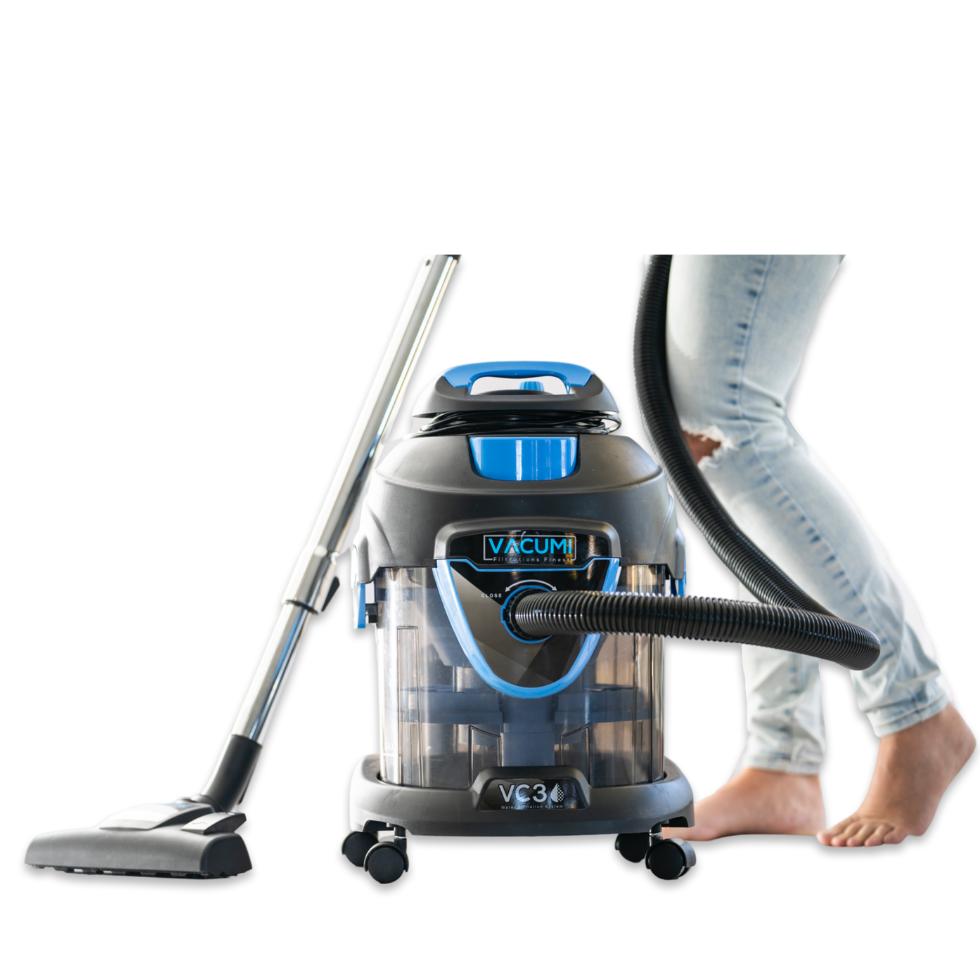
Vacuuming toys can be part of a weekly routine. Use the upholstery attachment on a HEPA-filtered vacuum to go over larger stuffed animals that are hard to wash. Research published in the Journal of Asthma (Wu et al., 2012) found that consistent HEPA vacuuming significantly reduces dust mite allergens on soft surfaces. Bear in mind that vacuuming is most effective alongside washing rather than instead of it.
6. Control the room humidity
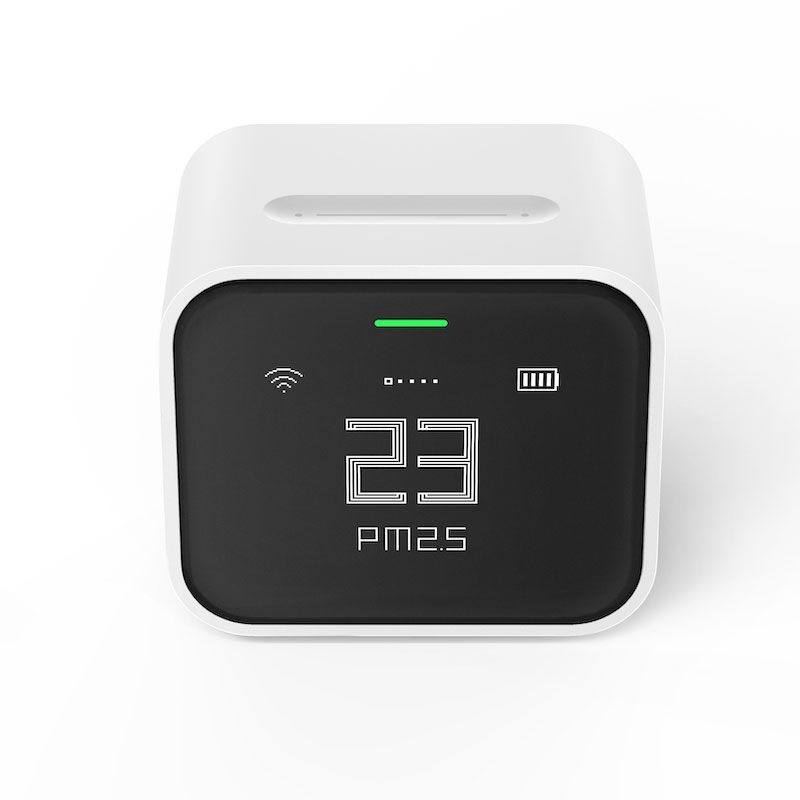
Dust mites need humidity to survive — they absorb water from the air. Keeping the relative humidity in your child's bedroom between 30% and 50% can make conditions less favourable for mites. Research by Arlian et al. (2001) found that homes maintaining indoor humidity below 51% over 17 months saw dust mite populations decline by approximately 98%. A dehumidifier and a hygrometer (to measure humidity) can be just as important as washing.
7. Run an air purifier
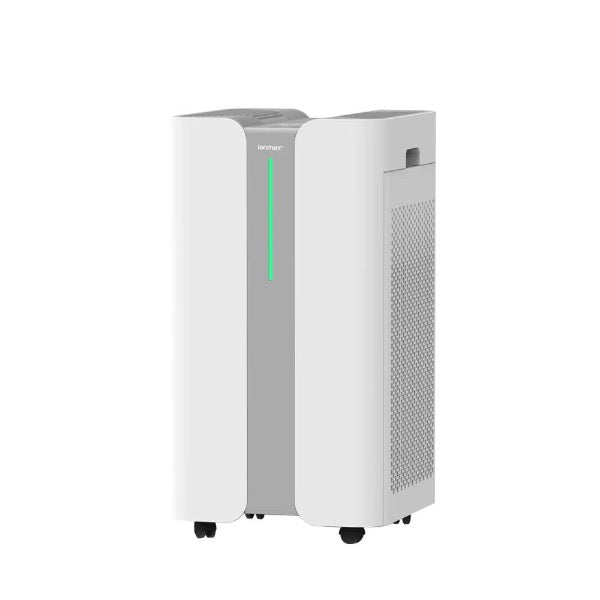
An air purifier with a HEPA filter in a child's bedroom may help reduce airborne particles including dust mite allergens, pollen, pet dander, and fine dust. For children with allergies or sensitive airways, this can support a more comfortable sleep environment, particularly at night when they're in closest contact with bedding.
When to retire a toy
Sometimes, despite your best efforts, an older toy may simply be too saturated with allergens to make hot washing or freezing worthwhile. If your child sneezes immediately when hugging a particular old teddy, or if the toy smells musty even after washing, it may be holding onto mould or a deeper level of allergen buildup that surface cleaning can't reach.
In these cases, it may be time to move the toy to a "shelf only" position, or replace it with a newer, washable friend.
A balanced approach
Managing allergies at home doesn't mean a child has to grow up in a sterile, toy-free environment. It just means a bit of extra strategy.
By setting up a routine — washing favourites regularly in hot water, freezing the delicate ones, keeping humidity down, and vacuuming with a HEPA vacuum — many families find they can meaningfully reduce the allergen load in bedrooms over time. It takes effort, but the goal is a home where a child can cuddle their favourite toy and sleep more comfortably.
If you'd like additional guidance on managing allergens at home, see our related guides on reducing dust mites room by room and one family's experience managing dust mite allergies in children.
Frequently asked questions
What temperature should I wash soft toys at to reduce dust mites?
Australian guidance generally recommends 60°C or above, where the fabric care label allows it. Always check the label before washing at higher temperatures, as some toys are only suitable for cold or warm washing. Research by McDonald and Tovey (1992) found that water temperatures of 55°C and above are effective for reducing dust mite populations in bedding fabrics, with 60°C providing a margin above this threshold.
Does freezing really help with dust mites on soft toys?
Freezing at household freezer temperatures for at least 24 hours can help reduce the live dust mite population on a toy. It doesn't remove the allergens (mite waste and body particles), so following up with a wash on a cooler cycle or vacuuming with a HEPA vacuum helps remove the residue.
How often should I wash my child's favourite soft toys?
Weekly washing is a common recommendation for soft toys in regular use, especially those that sleep in the bed with a child. Rotating toys — so no single toy is in use every night — makes this easier to manage. The Kuehr et al. (1996) study found dust mite allergen levels rose rapidly within the first months of soft toy use, so consistent washing makes a meaningful difference.
Is it safe to tumble dry soft toys?
Many soft toys can be tumble dried on high heat, but always check the care label first. Drying thoroughly is important because damp toys can develop mould. Placing a heavy, clean towel in the dryer helps the toys tumble more gently.
Can I use essential oils like eucalyptus to clean soft toys?
Essential oils are concentrated and can cause skin and respiratory irritation, particularly in young children. Some essential oils are also toxic to pets. Because children often mouth, chew, or hold soft toys close to their faces, we don't recommend adding essential oils to soft toy washing or soaking. Hot washing, freezing, tumble drying, and HEPA vacuuming are the methods with the clearest practical benefit and the lowest risk.
What if a toy can't be washed at all?
For toys that can't be washed — vintage pieces, toys with electronics, or very delicate items — the freezer method followed by thorough HEPA vacuuming is the usual alternative. If a toy is too saturated with dust or allergens to freshen up, moving it to a shelf or retiring it is sometimes the more practical choice.
Do dust mite covers on the mattress matter if the soft toys are clean?
Yes. Soft toys are one part of a child's sleep environment, but the mattress, pillow, and quilt are usually larger contributors to dust mite exposure because of their size and how much time a child spends on them. A 2003 randomised controlled trial published in the Journal of Allergy and Clinical Immunology (Halken et al.) found that dust mite mattress protectors and pillow protectors produced significant long-term reductions in dust mite allergen concentrations over 12 months — making them often the highest-impact starting points alongside soft toy care.
Related guides
- How to reduce dust mites in your home — comprehensive guide
- Dust mite allergy symptoms in children: one family's experience
- How to reduce dust mites in your bedroom
- Humidity, mould and dust mites
- Dust mite mattress protectors
- Dust mite pillow protectors
References
- Arlian LG. (1992). "Water balance and humidity requirements of house dust mites." Experimental and Applied Acarology, 16(1-2):15-35. PubMed
- McDonald LG, Tovey E. (1992). "The role of water temperature and laundry procedures in reducing house dust mite populations and allergen content of bedding." Journal of Allergy and Clinical Immunology, 90(4 Pt 1):599-608. PubMed
- Tovey ER, Woolcock AJ. (1994). "Direct exposure of carpets to sunlight can kill all mites." Journal of Allergy and Clinical Immunology, 93(6):1072-1074. PubMed
- Kuehr J, Frischer T, Karmaus W, et al. (1996). "Major Dermatophagoides mite allergen, Der 1, in soft toys." Journal of Allergy and Clinical Immunology (Pediatric Allergy and Immunology). PubMed
- Arlian LG, Neal JS, Morgan MS, et al. (2001). "Reducing relative humidity is a practical way to control dust mites and their allergens in homes in temperate climates." Journal of Allergy and Clinical Immunology, 107(1):99-104. PubMed
- Wu FF, Wu MW, Pierse N, Crane J, Siebers R. (2012). "Daily vacuuming of mattresses significantly reduces house dust mite allergens, bacterial endotoxin, and fungal β-glucan." Journal of Asthma, 49(2):139-143. PubMed
- Wu FF, Pierse N, Crane J, Siebers R. (2014). "Cat, dog and house dust mite allergen levels on children's soft toys." Journal of Asthma, 51(1):42-46. PubMed