Skip to content

When my young daughter, who was 5 at the time, first started showing signs of sneezing, runny nose, and itchy eyes, I didn't pay much attention. Later I attributed it to getting colds at school. But then I noticed that these symptoms seemed to flare up in the morning. After a while I realised something wasn't right — getting a cold every week wasn't normal.
Dust Mite Allergy Symptoms in My Child
These were the symptoms my daughter experienced — every child's experience is different, and these particular signs led us to seek medical advice:
- Sneezing, especially in the mornings
- Breathing through the mouth
- Runny nose
- Red eyes
- Irritability
- Waking up often in the night
- Postnasal drip
- Rubbing her nose upward often
- Recurrent ear infections as a baby
- A persistent cough that didn't resolve
- Asthma (this wasn't an issue in our case, but our allergist mentioned it can be common)
A note for other parents: similar symptoms can have many causes — colds, viral infections, environmental factors, or other allergies. Only proper testing by a medical professional can determine whether dust mite allergy is involved. If your child has persistent symptoms, please see your GP rather than self-diagnosing.
When she got a cough that wouldn't resolve, we saw our GP. He examined her nose, found polyps in her sinus cavities, and referred her for allergy testing — both blood and skin prick tests.

Testing for Allergies
Our GP referred my daughter for testing. In Australia, two main allergy tests are typically used: the IgE Blood Test and the Skin Prick Test (SPT). We had both done, and both came back positive for dust mite allergy. For more on these tests, the Australasian Society of Clinical Immunology and Allergy (ASCIA) has helpful information.
Finally we received a diagnosis that was both a relief and a new challenge. The symptoms we'd been brushing off as colds had been dust mite allergy all along.
At first I felt overwhelmed — it seemed impossible to deal with something we couldn't even see. But after the initial shock, I started reading and learning how to approach it.

The first step was understanding what we were dealing with. Dust mite allergies are common in Australia, particularly along the humid coastal regions where we live.
Dust mites are microscopic arachnids that live in warm, humid environments and feed on shed skin cells. The thought of them living in mattresses and bedding was unsettling at first. Our allergist explained that it isn't actually the mites themselves that trigger reactions — it's the proteins in their faecal particles and body fragments that build up in soft furnishings over time.
Allergies, Nasal Polyps, and Ear Infections
One question I had after the polyps were found was whether allergies and polyps were related. Our specialists explained that ongoing allergic inflammation in the nasal passages can contribute to the development of nasal polyps in some people, though not everyone who has polyps has allergies, and not everyone with allergies develops polyps.
The other connection that surprised me was the link to ear infections. According to information from The Harley Street ENT Clinic, allergies cause inflammation in the nasal passages and surrounding tissues, including the Eustachian tubes — the small channels connecting the middle ear to the throat. When these tubes become swollen or blocked, fluid can accumulate in the middle ear, which can lead to infections. Recurrent ear infections during allergy flare-ups are a recognised pattern, particularly in children whose Eustachian tubes are still developing.
Looking back, the recurrent ear infections my daughter had as a baby made more sense in this context. At the time, we'd treated each one as an isolated event. The diagnosis helped us understand the broader pattern.
Allergic Rhinitis as a Symptom of Dust Mite Allergy
When we first got the diagnosis, I had to look up "allergic rhinitis." Allergic rhinitis — commonly known as hay fever — manifested in my daughter as sneezing, runny or blocked nose, and watery eyes. It's a widespread condition in children with allergies.
According to the Australian Institute of Health and Welfare (AIHW), allergic rhinitis is particularly prevalent in Australia, where studies show that about 19% of the population is affected.
How We Started Managing It
The Australasian Society of Clinical Immunology and Allergy (ASCIA) recommends managing dust mite exposure as part of a broader allergy-management approach, alongside whatever medical treatment your GP or specialist recommends.
I came to think of this as a long-term routine rather than a quick fix — small consistent changes over time, rather than one big overhaul. Here's what we tried, in the order we tried it:
Every child's allergy presentation is different. What our allergist recommended for our daughter may not be appropriate for your child. The practical steps we took were drawn from peer-reviewed research on dust mite reduction, but the specific approach for your family should be guided by your own medical team.
Tip 1: Reducing Dust Mite Exposure in the Bedroom
It became clear that the biggest exposure to dust mite particles was happening at night, given how severe her morning symptoms were. That made me realise the build-up was concentrated in her bedding, so we prioritised the bedroom and bed first.
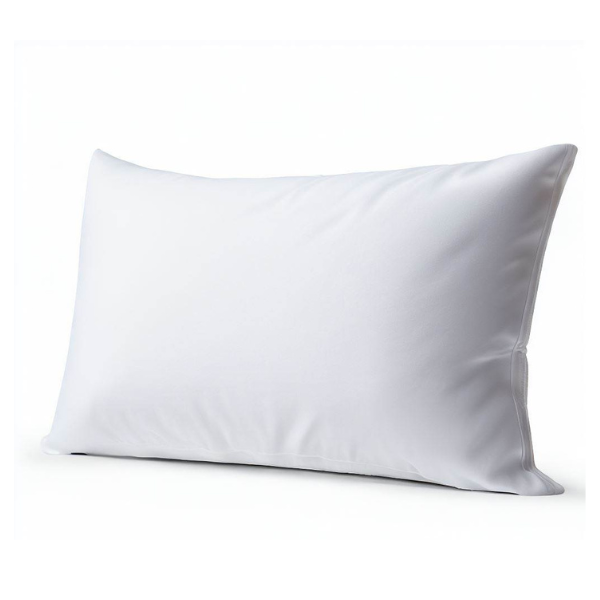
We started by encasing her mattress, pillows, and quilt in tightly-woven dust mite covers. The peer-reviewed research that gave me confidence in this approach was the 2003 randomised controlled trial published in the Journal of Allergy and Clinical Immunology (Halken et al., 2003), which found that mattress and pillow encasings produced significant long-term reductions in dust mite allergen concentrations over 12 months.
We also moved to washing her bedding more often. Research published in the Journal of Allergy and Clinical Immunology (McDonald and Tovey, 1992) found that washing at 55°C or above is effective for reducing dust mite populations. Most Australian guidance — including from ASCIA — recommends 60°C where care labels allow.
What we used:
- Dust mite mattress protector — I prefer the 100% cotton ones over waterproof versions
- Dust mite quilt cover
- Dust mite pillow protector
Tip 2: Choosing Allergy-Aware Bedding
The next step was looking at the bedding itself. We live in a house with a lot of carpet, so I assumed her existing bedding had built up its share of dust mite particles. I decided to invest in all new bedding — mattress, pillows, and quilt.
Choosing the right materials was a bit confusing — some sources said wool was inhospitable to dust mites; others said the opposite. The research is genuinely mixed, with humidity being a bigger factor than fibre type. I ended up choosing lyocell bedding, which is naturally washable at high temperatures and feels comfortable.
For mattress choice specifically, a study published in the Asian Pacific Journal of Allergy and Immunology (Visitsunthorn et al., 2010) tracked allergen accumulation in 60 new mattresses across four materials over 12 months. The study found that all four mattress types reached meaningful allergen levels within 9 months — concluding that "there appears to be little justification for advising mite sensitive patients to replace their mattresses as part of an avoidance regime." That was useful information when I was second-guessing myself about whether the new mattress purchase was even worthwhile. The research suggests it's the cover and washing routine that matter most, not the mattress material.
What we used:
Tip 3: Air Quality and Humidity
The natural instinct would have been to start with an air purifier, but I learned from reading peer-reviewed research that humidity control was actually the better starting point. Arlian (1992) in Experimental and Applied Acarology established that dust mites need ambient humidity above approximately 65-70% to maintain their water balance.
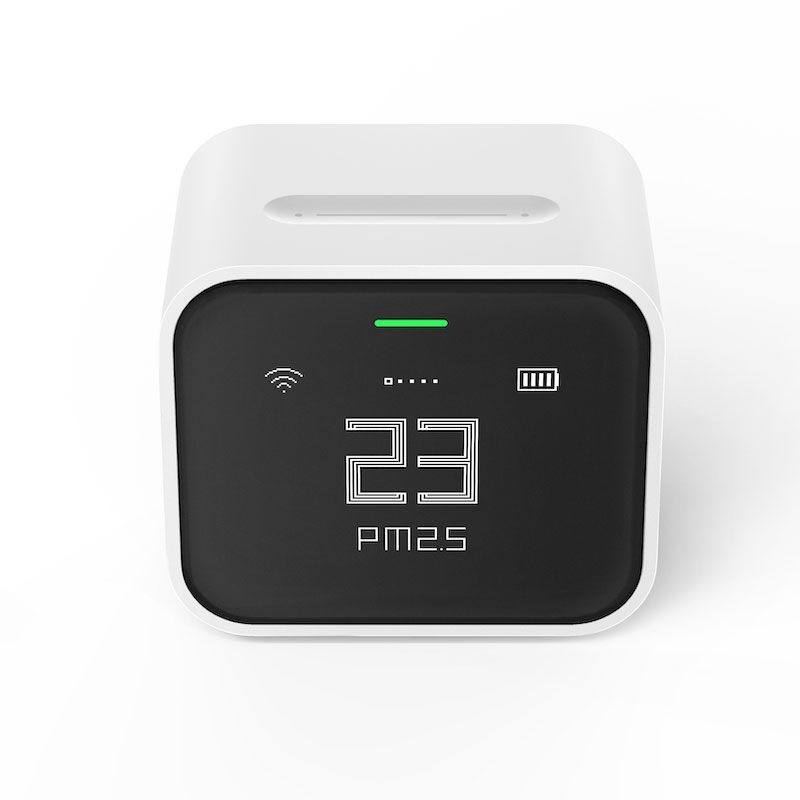
The really compelling research was Arlian et al. (2001) in the same journal, which found that maintaining indoor humidity below 51% over 17 months produced approximately 98% reduction in dust mite populations — without any other interventions. So we invested in a dehumidifier and got a hygrometer to actually track the humidity level, rather than guessing.
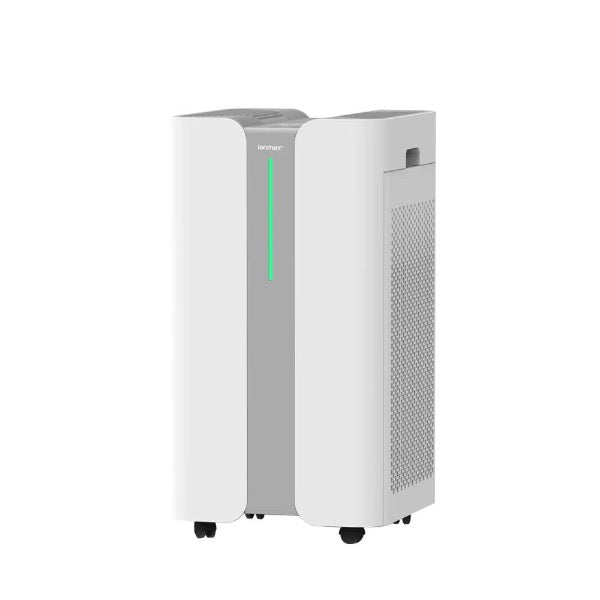
After the humidity was under control, we added an air purifier with a HEPA filter for the bedroom. The HEPA filter is the heart of an air purifier — it traps the fine particles that become airborne when bedding or carpets are disturbed. Living in a humid coastal area, this combination made a noticeable difference in our home over the months that followed.
What we used:
Tip 4: Maintaining a Lower-Dust Environment
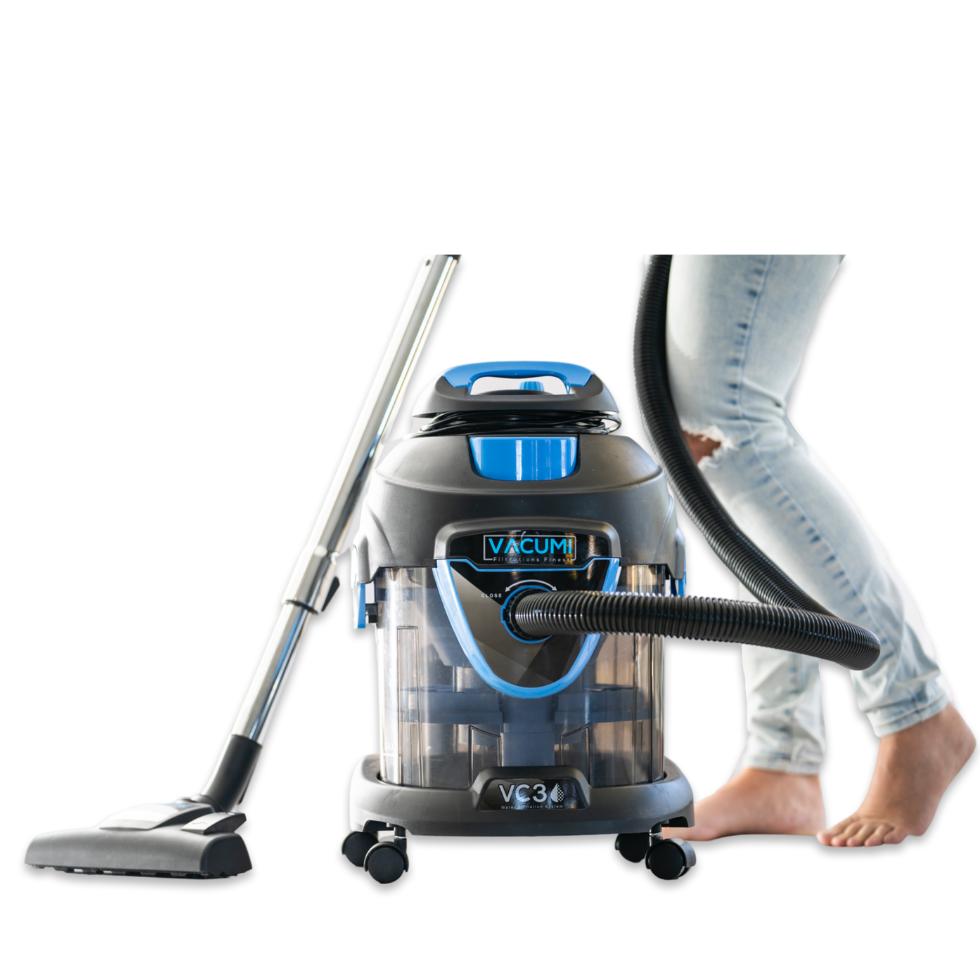
Cleaning routines became a top priority. I started using a vacuum cleaner with a HEPA filter, which traps fine particles rather than blowing them back out into the air. Research published in the Journal of Asthma (Wu et al., 2012) found that daily mattress vacuuming reduced total dust mite allergens by approximately 85% over 8 weeks. Daily vacuuming wasn't realistic for our family, but weekly with a quality HEPA vacuum became part of our routine.
We also removed the carpets from her bedroom and replaced them with hardwood flooring, which doesn't accumulate dust the way carpets do. Regular cleaning of hard-to-reach areas became part of our weekly routine.
What we used:
Tip 5: Working With Allergy Specialists
The symptoms didn't disappear quickly, and as frustrating as it was, I came to understand it was a marathon rather than a sprint. None of the environmental changes was an immediate solution — they all contributed gradually over time.
Alongside the environmental changes, our GP prescribed antihistamines for her to take at night. Eventually, after working with our allergist, she was prescribed allergen immunotherapy (sometimes called desensitisation), which she's currently on.
The medical pathway was central to managing her allergy. The environmental measures supported the medical care — they didn't replace it. If I were starting again, I'd emphasise this even more strongly: see your GP first, get proper testing, follow medical guidance, and use environmental changes to support what your medical team recommends.
Our Ongoing Journey
Living with a dust mite allergy is a continuous process. There are still days when symptoms flare up — humid weather, new environments, or changes in routine can all affect how she's feeling. But it's far more manageable now than it was at the beginning.
What I'd say to other parents going through this:
- Trust the medical pathway. If your child has persistent symptoms, see your GP. If your GP suspects allergies, get proper testing. Allergen immunotherapy is a long-term commitment but has been a meaningful part of our daughter's management.
- Don't try to do everything at once. Start with the bedroom — covers, washing, humidity. That alone made a noticeable difference for us before we addressed anything else.
- Be patient. The peer-reviewed studies on dust mite reduction generally measured outcomes over months, not days. Don't expect immediate results.
- Consistency matters. Weekly washing, regular vacuuming, and humidity control all need to be ongoing routines, not one-off events.
- You're not alone. Many Australian families deal with dust mite allergy. Sharing experiences with other parents has been valuable.
Our journey taught us that while allergies can feel overwhelming, with the right knowledge and tools — and a good medical team — they can be managed. I'm sharing our story in the hope it might help other parents who are going through something similar. Your family's situation will be different from ours, but the broader pattern of working with your medical team and supporting their care with practical environmental changes is one many Australian families have found useful.
Frequently Asked Questions
What are common dust mite allergy symptoms in children?
Symptoms vary significantly between children. Common ones include sneezing (particularly in the morning), runny or blocked nose, postnasal drip, red or itchy eyes, mouth breathing, and disturbed sleep. Some children also experience cough, recurrent ear infections, or asthma symptoms. The only way to confirm dust mite allergy is through proper testing by a medical professional — many of these symptoms can have other causes, so please see your GP rather than self-diagnosing.
How is dust mite allergy diagnosed in Australia?
Two main allergy tests are typically used: the IgE blood test (which measures specific antibodies in the blood) and the skin prick test (which tests skin reaction to allergen extracts). Your GP will typically refer your child to an allergist or testing service for these. ASCIA has detailed information about allergy testing for Australian families.
Can dust mite allergy cause ear infections in children?
Allergies, including dust mite allergy, can contribute to recurrent ear infections in some children through inflammation of the Eustachian tubes — the channels connecting the middle ear to the throat. When these tubes become swollen or blocked, fluid can accumulate in the middle ear, creating conditions where infections develop. The Harley Street ENT Clinic explains this connection in detail. If your child has recurrent ear infections, please discuss with your GP, as ENT specialist input may be valuable.
How do you reduce dust mites in a child's bedroom?
The peer-reviewed evidence supports a multi-step approach: tightly-woven mattress and pillow covers (Halken et al., 2003), weekly hot-water washing of bedding at 60°C where care labels allow (McDonald and Tovey, 1992), maintaining indoor humidity below 50% (Arlian et al., 2001), and regular HEPA-filtered vacuuming (Wu et al., 2012). The Wilson and Platts-Mills (2018) review found that combined approaches work better than any single intervention.
How long does it take to see results from dust mite reduction?
Most peer-reviewed studies measured outcomes over months rather than days. Don't expect immediate results — consistency matters more than speed. In our family's case, gradual improvement happened over the first few months of consistent changes.
Should children with dust mite allergy take medication?
Medication decisions should be made with your GP or allergist based on your child's specific situation. Antihistamines, nasal sprays, and allergen immunotherapy are all options that may be appropriate depending on the case. Environmental changes complement medical treatment rather than replacing it. Please don't make medication decisions based on a personal-experience article — speak with your medical team.
Is allergen immunotherapy worth it for children?
This is something only your allergist can answer for your specific child. In our daughter's case, our allergist recommended it after she was older, and it has been a meaningful part of her management. Immunotherapy is a long-term commitment (typically 3-5 years) and isn't suitable for every child or every allergy. Discuss with your medical team.
What's the most important first step if I suspect my child has dust mite allergy?
See your GP. Many symptoms commonly associated with dust mite allergy can have other causes — colds, viral infections, other allergies, or unrelated conditions. Proper diagnosis through your GP and possibly an allergist is the right starting point. Environmental changes are valuable, but only after you know what you're actually dealing with.
References
Peer-reviewed research
- Arlian LG. (1992). "Water balance and humidity requirements of house dust mites." Experimental and Applied Acarology, 16(1-2):15-35. PubMed
- McDonald LG, Tovey E. (1992). "The role of water temperature and laundry procedures in reducing house dust mite populations and allergen content of bedding." Journal of Allergy and Clinical Immunology, 90(4 Pt 1):599-608. PubMed
- Arlian LG, Neal JS, Morgan MS, et al. (2001). "Reducing relative humidity is a practical way to control dust mites and their allergens in homes in temperate climates." Journal of Allergy and Clinical Immunology, 107(1):99-104. PubMed
- Halken S, Høst A, Niklassen U, et al. (2003). "Effect of mattress and pillow encasings on children with asthma and house dust mite allergy." Journal of Allergy and Clinical Immunology, 111(1):169-176. PubMed
- Visitsunthorn N, Chirdjirapong V, Pootong V, et al. (2010). "The accumulation of dust mite allergens on mattresses made of different kinds of materials." Asian Pacific Journal of Allergy and Immunology, 28:155-161.
- Wu FF, Wu MW, Pierse N, Crane J, Siebers R. (2012). "Daily vacuuming of mattresses significantly reduces house dust mite allergens, bacterial endotoxin, and fungal β-glucan." Journal of Asthma, 49(2):139-143. PubMed
- Wilson JM, Platts-Mills TAE. (2018). "Home Environmental Interventions For House Dust Mite." Journal of Allergy and Clinical Immunology: In Practice, 6(1):1-7. PubMed
Australian and clinical authorities
- Australasian Society of Clinical Immunology and Allergy (ASCIA). "Allergy testing." allergy.org.au
- Australian Institute of Health and Welfare (AIHW). "Allergic rhinitis (hay fever)." aihw.gov.au
- The Harley Street ENT Clinic. "Understanding the link between allergies and ear infections." harleystreetent.com
Important information:
This article describes my personal experience managing my daughter's diagnosed dust mite allergy. It is not medical advice and should not be used to diagnose or treat any condition. Symptoms similar to those described can have many causes, and only proper testing by a medical professional can determine what is causing them.
The products mentioned in this article are sold by Dust Mite Allergy Solutions, which I own and operate. I have a financial interest in the products discussed, and this disclosure is made openly so readers can consider it when interpreting my account.
Always follow your GP, allergist, or specialist's advice and use any prescribed treatments as directed. Products sold by Dust Mite Allergy Solutions are not intended to diagnose, treat, cure, or prevent any medical condition. Individual experiences vary significantly, and my family's experience is not a guarantee or prediction of what other families may experience.