Skip to content


Important: This article is general information only and is not medical advice. Dust mites cannot be completely eliminated from a home — the goal is to help reduce their presence and the build-up of allergens. If you have a diagnosed allergy, asthma, or skin condition, please speak with your GP or allergist for personal guidance.
Short answer: Wash duvets at 60°C or above where the care label allows, use a dust mite duvet cover as a barrier, keep bedroom humidity below 50%, and clean duvets every 3–6 months. Hot washing is generally more effective than dry cleaning for reducing dust mite populations on bedding.
Dust mites are microscopic organisms commonly found in bedding. While invisible to the naked eye, they are often associated with allergy symptoms such as sneezing, congestion, and skin irritation, particularly in Australia's humid climate. The good news is that with a few practical steps, you can help reduce their presence and create a cleaner sleeping environment.
This guide covers how to reduce dust mites in a duvet, how to recognise possible signs of dust mite sensitivity, and whether dry cleaning or other methods may help.
How do I know if my bedding has mites?

Because dust mites are microscopic, you can't confirm their presence visually. Some people notice symptoms that may be associated with dust mite sensitivity. Not everyone reacts to dust mites, so if you're unsure about persistent symptoms, it's worth discussing them with your GP or allergist, who can arrange testing if appropriate.
Common symptoms that may be associated with dust mite sensitivity include:
- Sneezing or runny nose on waking
- Itchy or watery eyes
- Congestion or wheezing at night
- Skin irritation or eczema flare-ups
- Waking up feeling unrefreshed
Dust mites tend to thrive in warm, humid environments like bedding. If your duvet hasn't been cleaned in some time, it may provide suitable conditions for them.
Tip: Use a dust mite duvet cover to help create a barrier between you and the bedding underneath, and wash it regularly.
How do I reduce dust mites in a duvet?
1. Wash on hot
One of the most effective ways to reduce dust mites in a duvet is washing it in hot water at 60°C or above, where the care label allows. This helps reduce mite populations and remove accumulated allergens.
- Use hot water (always check your duvet's care label first)
- Choose a gentle, fragrance-free laundry detergent if anyone in your household has sensitive skin
- Tumble dry on a warm or hot setting where suitable, or dry thoroughly in direct sunlight
- Make sure the duvet is fully dry before storing or using — damp bedding can develop mould
2. Use dust mite covers
A dust mite cover helps create a physical barrier between you and the contents of your duvet. Look for covers that are:
- Tightly woven
- Fully zippered for complete coverage
- Designed specifically for allergen-barrier use
- Machine washable for easy maintenance
3. Freeze small items
For smaller washable items like pillow protectors or soft toys, freezing for at least 24 hours may help reduce dust mites. This method is less practical for large duvets, which are usually better managed with hot washing.
4. Manage humidity
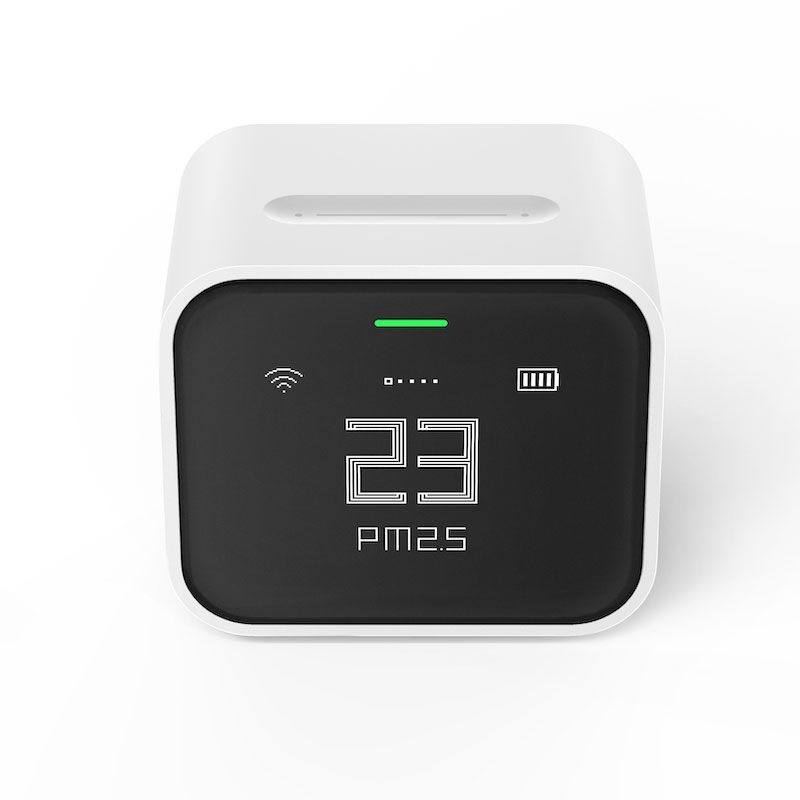
Dust mites need humidity to survive — they absorb moisture from the air. Keeping bedroom humidity below 50% using a dehumidifier, air conditioning, or improved ventilation makes the environment less favourable for them.
What helps reduce dust mites on fabric?
| Method | Role |
|---|---|
| Washing at 60°C or above | Helps reduce mites and allergens |
| Steam cleaning | Heat-based reduction on treated surfaces |
| Tumble drying on hot | Supports reduction when used after washing |
| Freezing | May help reduce mites in small items |
| Sunlight | Helps dry fabrics and reduce moisture |
| Dust mite covers | Create a physical barrier between you and bedding |
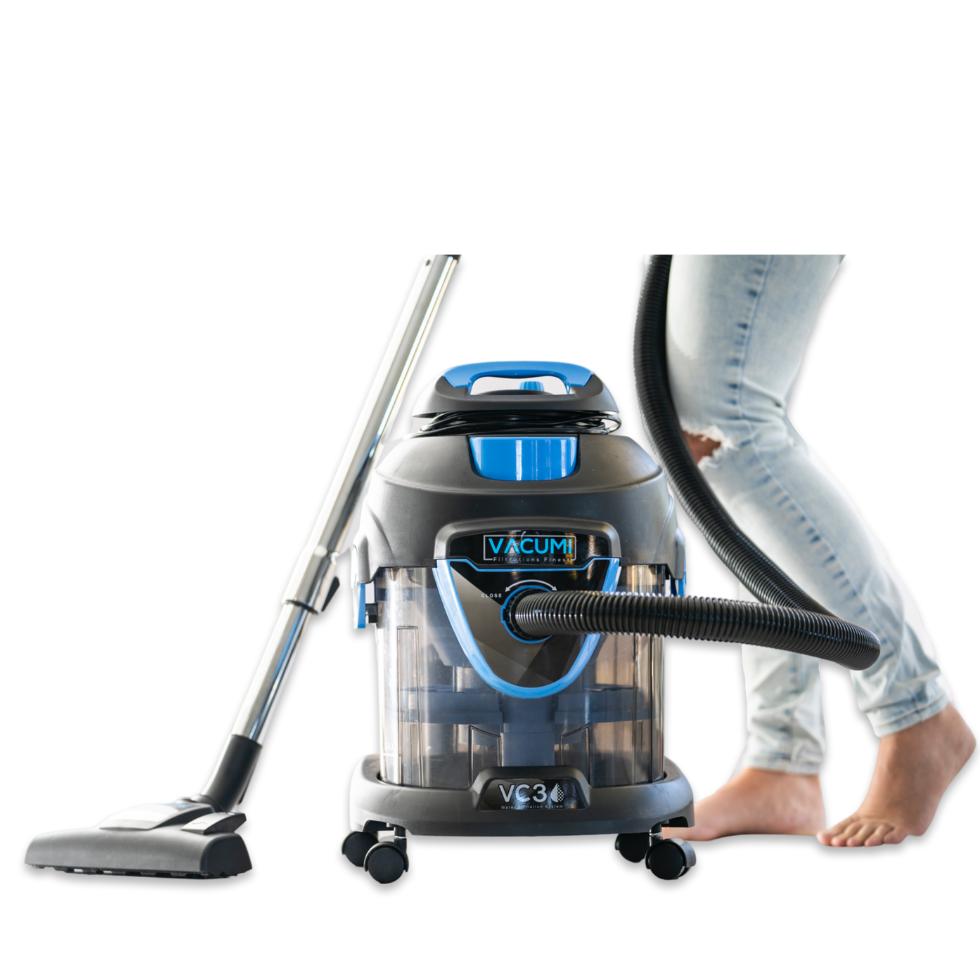
| HEPA vacuuming | Captures fine particles including allergens |
Avoid harsh chemicals like bleach on bedding — they may damage fabrics, can cause skin and respiratory irritation, and are generally unnecessary for routine dust mite management. Hot washing at 60°C achieves more on washable bedding.
Does dry cleaning a duvet help?
Dry cleaning may help reduce dust mites, but it is generally less effective than hot water washing.
- Dry cleaning temperatures may not be high enough for consistent mite reduction
- Some allergens may still be removed during the process
- Solvents used in dry cleaning may cause irritation for some sensitive individuals
If your duvet is dry-clean only, regular cleaning combined with a protective dust mite cover can still be helpful. The cover takes the brunt of regular use and is easier to wash frequently than the duvet itself.
How do you deal with bed bugs in a duvet?
Bed bugs and dust mites are different. If you can see insects, they are not dust mites — dust mites are microscopic.

If bed bugs are suspected:
- Wash bedding at high temperatures where the care label allows
- Tumble dry thoroughly on hot
- Vacuum seams and surrounding areas thoroughly
- Contact a licensed pest control professional — bed bug infestations typically require specialist treatment
Extra tips for reducing dust mites
Wash regularly
- Wash duvet covers weekly
- Clean duvets every 3–6 months
- Vacuum mattresses and surrounding areas regularly with a HEPA-filtered vacuum
Keep your bedroom cool and dry
- Maintain humidity below 50%
- Ventilate bedrooms regularly
- Avoid excessive heat and trapped moisture
Choose suitable bedding
- Opt for breathable materials such as cotton or bamboo
- Choose materials that are easy to wash and maintain at high temperatures
- Lower-tog quilts are easier to wash regularly than heavy ones
Add protective layers
- Mattress protectors
- Pillow protectors
- Dust mite duvet covers and barrier-style bedding
Reduce dust build-up
- Minimise clutter in the bedroom
- Clean soft furnishings regularly
- Consider hard flooring instead of wall-to-wall carpet where practical
Pulling it together
Reducing dust mites in a duvet comes down to a few consistent steps: hot washing where the fabric allows, using a protective cover, managing bedroom humidity, and keeping a regular cleaning routine. These won't eliminate dust mites entirely — no home is completely mite-free — but they can meaningfully reduce their presence and help create a more comfortable sleep environment.
For a fuller, room-by-room approach, see our guide to reducing dust mites in your home.
Frequently asked questions
How often should I wash my duvet?
For dust mite management, duvets are generally washed every 3–6 months, while duvet covers are washed weekly. Households with allergies, pets, or young children may benefit from washing duvets more frequently.
Can I use a dryer to reduce dust mites in a duvet?
Tumble drying on hot for at least 15–20 minutes can help reduce dust mites, particularly when combined with hot washing. Always check the care label first — not all duvets handle high-heat drying.
Are bamboo or cotton duvets less prone to dust mites?
Natural-fibre duvets like cotton and bamboo are breathable and generally easier to wash than synthetic alternatives, which can make ongoing dust mite management more straightforward. The fibre itself doesn't repel dust mites — what matters most is whether the duvet can be washed regularly at high temperatures.
Should I dry clean my duvet to reduce dust mites?
Dry cleaning may help, but it's generally less effective than hot water washing. If your duvet is dry-clean only, using a washable dust mite cover as the main barrier — and washing the cover regularly — is often more practical than relying on dry cleaning alone.
Do I need to replace my duvet if I have dust mite allergies?
Not necessarily. If your duvet can be hot washed and is in reasonable condition, a regular care routine with a protective cover may be enough. Older duvets that are saturated with allergens, smell musty even after washing, or can't be cleaned effectively are sometimes worth replacing — particularly with a washable, allergy-friendly option.
Will an air purifier help reduce dust mites in my bedroom?
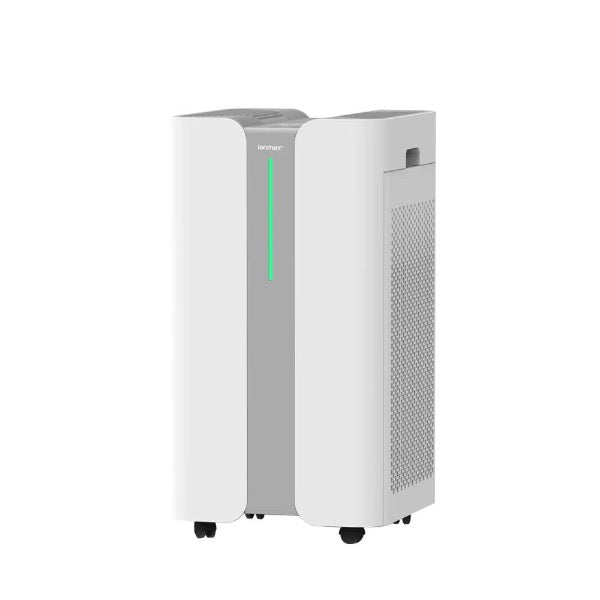
An air purifier with a HEPA filter can help capture airborne allergen particles in the bedroom, particularly when running overnight. Air purifiers don't reach allergens settled inside duvets or mattresses, so they work best alongside cleaning and protective covers rather than as a standalone solution.
Can I use essential oils in my duvet washing?
We don't recommend essential oils as a primary approach for dust mite management on bedding. Essential oils are concentrated and can cause skin or respiratory irritation, and several are toxic to pets. Hot washing at 60°C, dust mite covers, and humidity control have stronger evidence and lower risk.
Further reading
- How to reduce dust mites in your home
- How often to wash bedding to reduce dust mites
- Dust mite covers and encasements
- Dehumidifiers
Disclaimer: This article is general information only and does not constitute medical or professional advice. Always follow product care labels and manufacturer instructions. Results may vary depending on your environment and individual sensitivities. If you have a diagnosed allergy, asthma, or skin condition, please speak with your GP or allergist.