Skip to content

Short answer: You can reduce dust mites naturally by washing bedding weekly at 60°C, controlling indoor humidity below 50%, vacuuming with a HEPA-filtered vacuum, freezing small items for at least 24 hours, and using mattress and pillow protectors as a barrier. Complete elimination isn't realistic, but consistent reduction makes a meaningful difference for most households.
If you're looking for a natural, low-chemical approach, learning how to reduce dust mites at home can help support a cleaner indoor environment and reduce allergen build-up over time.
Dust mites are commonly associated with indoor sensitivities and thrive in bedding, carpets, and upholstery. While they can't be fully removed from a home, several practical steps can help reduce their presence and make your living environment more comfortable. The natural methods below are drawn from peer-reviewed research wherever possible.
What are dust mites?
Dust mites are microscopic organisms that live in household environments such as bedding, carpets, and upholstered furniture. They feed on shed skin cells from humans and pets, and they prefer warm, humid conditions.
Research by Arlian (1992) in Experimental and Applied Acarology established that dust mites need ambient humidity above approximately 65-70% to maintain their water balance, since they absorb moisture from the air rather than drinking it. This is why humidity control is one of the most well-supported natural approaches for managing dust mites.
Dust mite waste particles and body fragments are commonly associated with indoor sensitivities. People who are sensitive to dust mites may notice symptoms in environments where dust mite particles are present.
Where are dust mites most commonly found?

- Bedding: Mattresses, pillows, and quilts can accumulate particles over time.
- Upholstered furniture: Sofas and cushions may trap dust and skin particles.
- Carpets and rugs: Fibres can hold dust and fine particles.
- Curtains: Often collect dust and airborne particles, especially heavy or rarely-washed ones.
- Soft toys: Can hold dust and moisture, particularly when used on the bed.
- Wardrobes and closets: Stored fabrics may accumulate dust over time.
- Air systems: Dust can circulate through heating and cooling systems.
Can you completely get rid of dust mites?
Completely removing dust mites from a home isn't realistic. Dust mites are a normal part of most indoor environments and recover quickly after any single treatment. However, you can meaningfully reduce their presence and minimise particle build-up through consistent cleaning, humidity control, and protective covers.
The strongest evidence comes from a study published in the Journal of Allergy and Clinical Immunology (Arlian et al., 2001), which found that homes maintaining indoor humidity below 51% over 17 months saw dust mite populations decline by approximately 98%, with allergen levels more than 10 times lower than in homes with higher humidity. The goal isn't elimination — it's keeping dust mite levels low enough that your home feels more comfortable and your environment is easier to manage day-to-day.
How to reduce dust mites naturally
The methods below are the most widely recommended natural approaches for reducing dust mites in the home. Combining several of them tends to work better than relying on any single approach.
Hot washing (60°C or above)
Washing sheets, pillowcases, and washable bedding at hot water temperatures is one of the most well-supported natural methods. Research published in the Journal of Allergy and Clinical Immunology (McDonald and Tovey, 1992) found that water temperatures of 55°C or above are effective for reducing dust mite populations in bedding. Most Australian guidance — including from ASCIA — recommends washing at 60°C, which provides a margin above this threshold.
A useful nuance from the same study: even cold-cycle washing reduced allergen levels by more than 90%, even though it doesn't kill mites. So washing has practical value at any temperature you can manage with your fabric care label.
Freezing (for items that can't be hot washed)
For delicate items like soft toys, vintage cushions, or anything that can't handle hot water, freezing is a commonly used alternative. Place items in a sealed bag and freeze at household freezer temperatures for at least 24 hours. Wash on a cooler cycle or vacuum with a HEPA filter afterwards to remove the residue.
Steam cleaning
Steam cleaning at high temperatures can help reduce dust mites on treated surfaces such as mattresses, carpets, and upholstery. Pass slowly over each area and avoid overwetting fabrics. Always check both the steam cleaner and the item being cleaned for compatibility.
Sunlight and airing
Direct sunlight and air can help dry fabrics and reduce moisture. Pulling back bed covers each morning instead of making the bed immediately allows trapped overnight moisture to evaporate, making conditions less favourable for dust mites. Where practical, airing pillows, blankets, and soft items outside in direct sun can also help reduce surface particles.
Research by Tovey and Woolcock (1994) in the Journal of Allergy and Clinical Immunology (PubMed) found that direct sunlight exposure on wool carpets can reduce dust mite populations through the combination of heat and reduced humidity. See our article on sunlight and dust mites for more.
Humidity control
Dust mites need humidity to survive — they absorb moisture from the air through specialised glands on their bodies (Arlian, 1992). Active dust mites do not survive longer than 6-11 days at humidity levels at or below 50%.
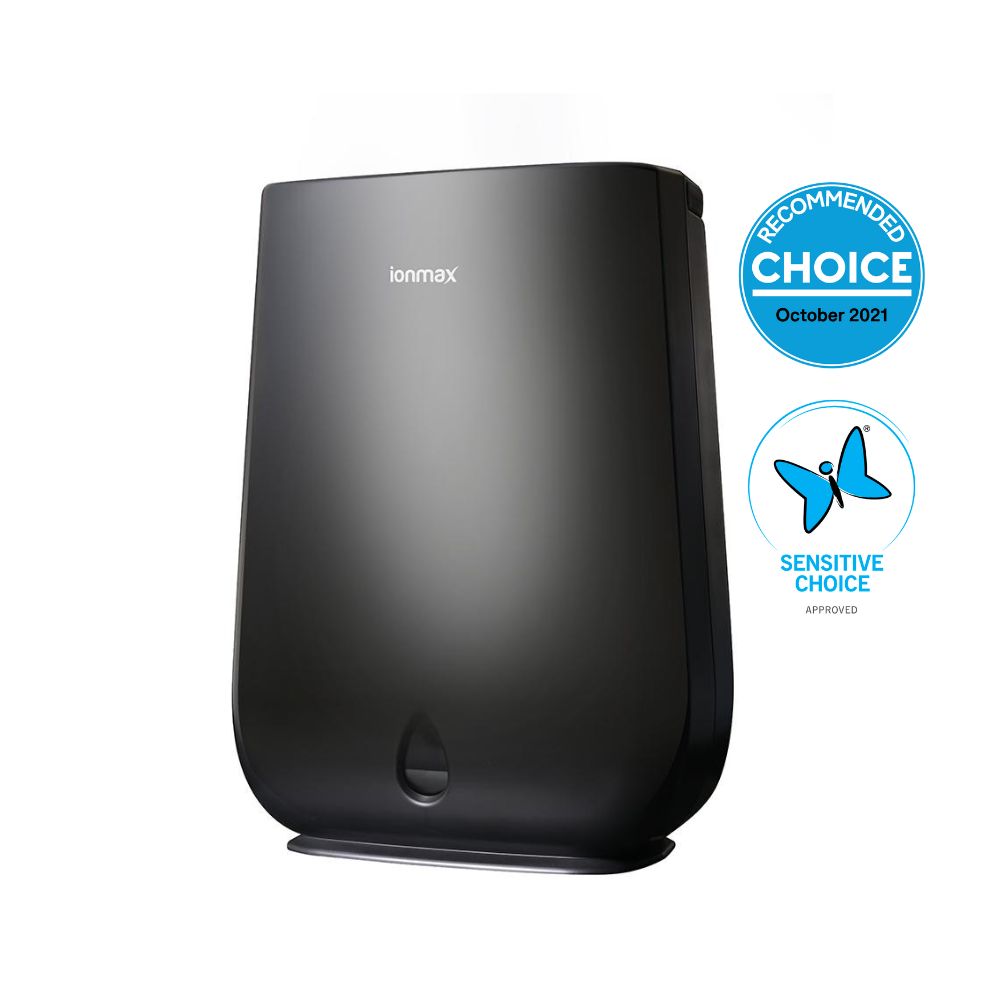
Keeping indoor humidity below 50% using a dehumidifier, air conditioner, or improved ventilation can make conditions less favourable. The Arlian et al. (2001) study cited above found that this approach produced approximately 98% reduction in dust mite populations over 17 months in real homes. A small hygrometer (humidity meter) is useful for tracking levels in bedrooms.
HEPA vacuuming
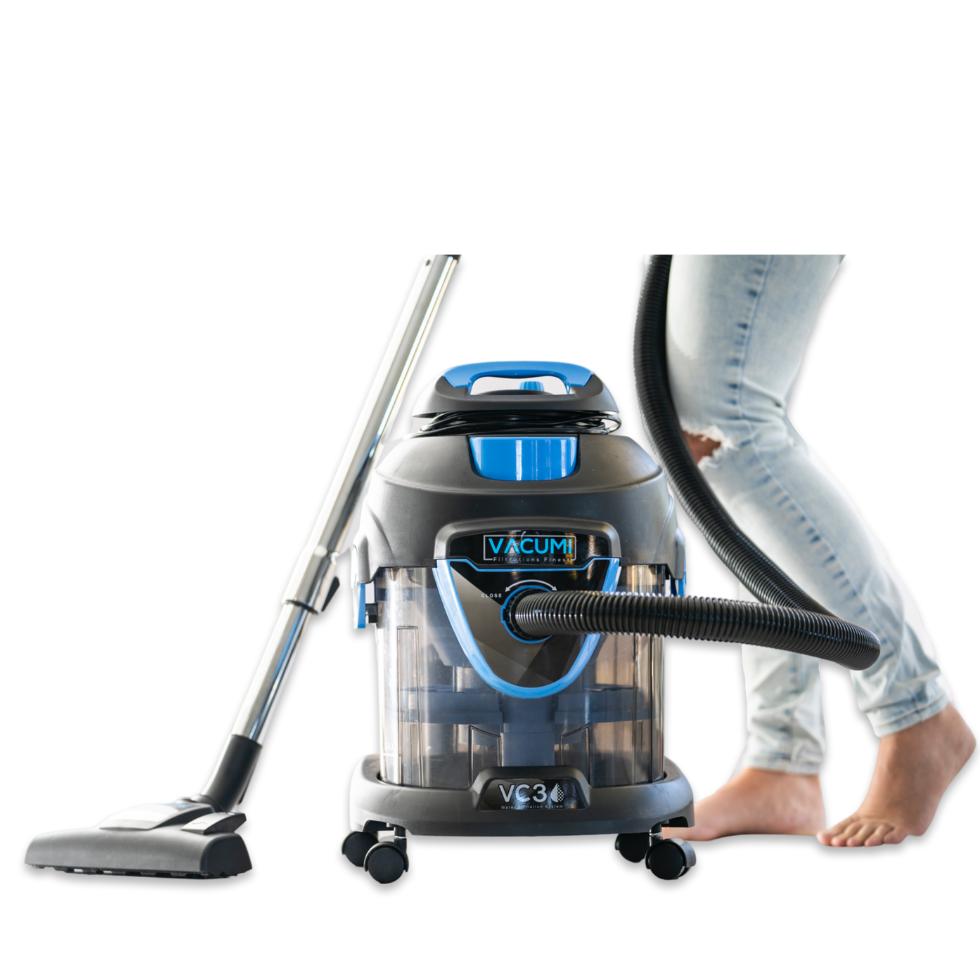
Vacuuming carpets, mattresses, and soft furnishings with a HEPA-filtered vacuum at least weekly helps capture fine particles including dust mite debris. Standard vacuums without HEPA filtration can release fine particles back into the air, which is why HEPA matters specifically for sensitive households.
Research published in the Journal of Asthma (Wu et al., 2012) found that daily mattress vacuuming over 8 weeks reduced total dust mite allergens by approximately 85%. While daily vacuuming may not be practical for everyone, the study supports vacuuming as a meaningful part of an allergy-aware cleaning routine.
Air purifiers
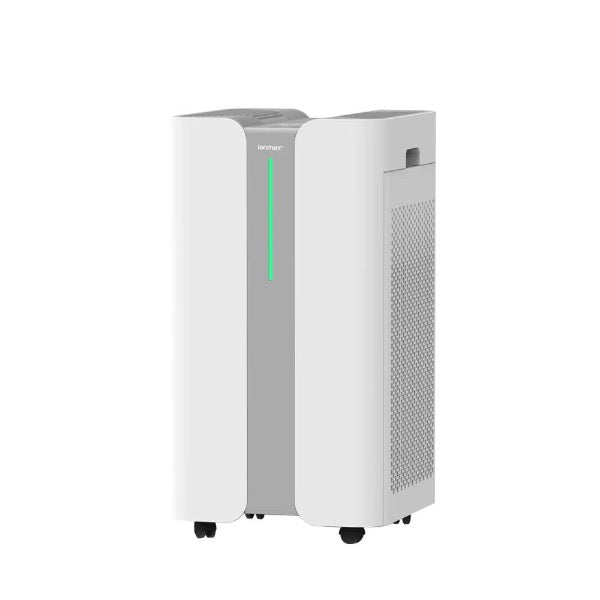
An air purifier with a HEPA filter can help capture fine airborne particles, particularly when running in bedrooms overnight. Air purifiers don't reach particles settled deep in mattresses or carpets, so they work best alongside cleaning and protective covers.
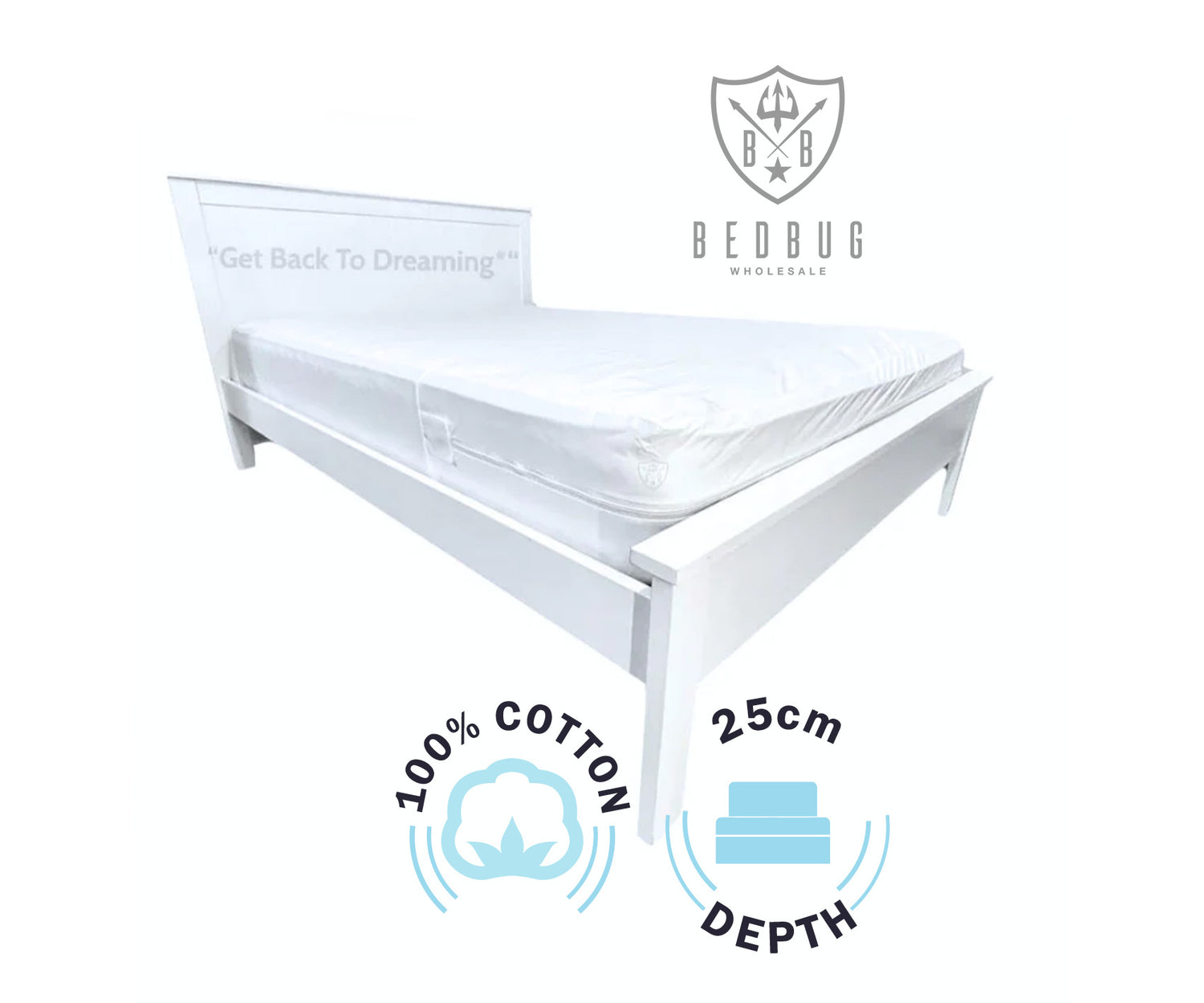
Dust mite covers and encasements
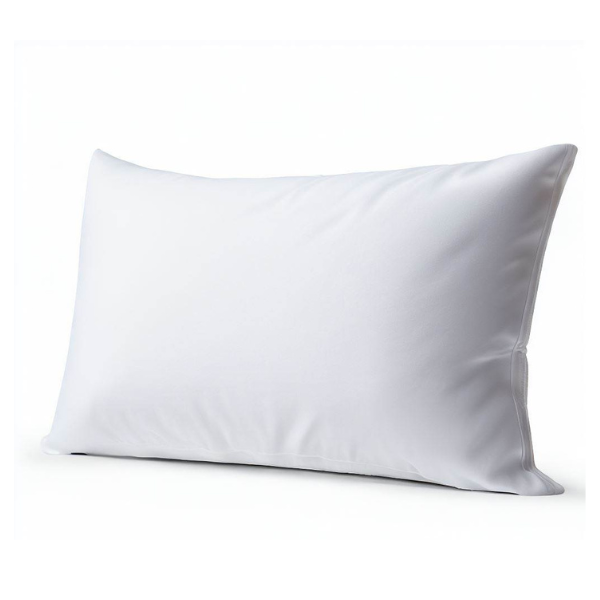
Dust mite covers create a physical barrier between you and the particles accumulated inside mattresses, pillows, and quilts. They are commonly used as the foundation of an allergy-aware bedding setup and are usually one of the highest-impact natural methods because they address the items hardest to clean.
A 2003 randomised controlled trial published in the Journal of Allergy and Clinical Immunology (Halken et al., 2003) found that mattress and pillow encasings produced a significant long-term reduction in dust mite allergen concentrations in mattresses over 12 months — making this one of the best-substantiated practical methods available.
Regular cleaning routines
Consistency matters more than intensity. Weekly washing of bedding, regular HEPA vacuuming, and periodic deeper cleans of soft furnishings tend to make a bigger long-term difference than occasional deep-clean efforts.
Vinegar (for general cleaning)
Vinegar is sometimes used in general household cleaning and may help on hard surfaces. There's limited evidence that vinegar specifically reduces dust mite populations, so it's best thought of as a general cleaning aid rather than a dust mite control method. Always patch-test fabric surfaces before use, as vinegar can damage some materials.

Essential oils and dust mites: what does the research say?
Some laboratory studies have explored the activity of essential oils — including eucalyptus, tea tree, and clove oils — against dust mites under controlled conditions. While results in petri-dish settings have shown some activity, real-world effectiveness in typical home use is less well-established. Essential oils are not registered or marketed as dust mite control products in Australia.
Important safety considerations
If you're considering essential oils as part of a cleaning routine, please be aware:
- Essential oils are concentrated and can cause skin and respiratory irritation, particularly in young children, infants, and people with asthma
- Several essential oils — including tea tree, eucalyptus, peppermint, and clove — are toxic to cats and dogs, sometimes at very low exposures
- Essential oils should not be applied directly to children's bedding, cot mattresses, soft toys, or pillows
- Patch-test fabrics first, as oils can stain or damage some materials
- Pregnant or breastfeeding women should consult a healthcare professional before regular use of essential oils at home
For sensitive households — which is the main audience this article is written for — the methods with the strongest evidence and lowest risk are hot washing, humidity control, HEPA vacuuming, and protective covers. Essential oils are best treated as a personal preference for general home freshening rather than a dust mite control method.
Setting realistic expectations
Reducing dust mites is an ongoing process rather than a one-off task. Dust mite populations recover over time, so consistency tends to matter more than intensity. The peer-reviewed research consistently supports a multi-step approach combining humidity control (Arlian et al., 2001), regular hot water washing (McDonald and Tovey, 1992), encasements (Halken et al., 2003), and regular vacuuming (Wu et al., 2012). Most households see the biggest difference from focusing on a few high-impact areas first — the bed and bedroom — and building from there.
For a fuller, room-by-room approach, see our guide to reducing dust mites in your home. For everyday bedding care, see our guide to how often to wash bedding.
Frequently asked questions
What is the best way to reduce dust mites naturally?
For most households, the highest-impact natural methods are weekly hot washing of bedding at 60°C (McDonald and Tovey, 1992), keeping indoor humidity below 50% (Arlian et al., 2001), regular HEPA vacuuming (Wu et al., 2012), and using mattress and pillow protectors (Halken et al., 2003). Combining several methods works better than relying on any single approach.
Can you eliminate dust mites without chemicals?
Complete elimination isn't realistic with any approach — natural or chemical. However, natural methods can meaningfully reduce dust mite populations and allergen build-up over time when used consistently. Arlian et al. (2001) found that humidity control alone produced approximately 98% reduction in dust mite populations over 17 months in real homes.
Does freezing kill dust mites?
Yes, household freezer temperatures for at least 24 hours can effectively reduce live dust mites on small items. This is particularly useful for soft toys, cushions, and other items that can't be hot-washed. Wash or vacuum afterwards to remove particle residue.
Is sunlight enough to reduce dust mites in bedding?
Direct sunlight can help reduce surface dust mites and dry out fabrics, making conditions less favourable. The Tovey and Woolcock (1994) study found that direct sunlight exposure can reduce dust mite populations on wool carpets through the combination of heat and reduced humidity. However, sunlight alone usually doesn't reach particles settled deep inside mattresses or pillows, so it's best used alongside hot washing and other methods.
Do essential oils work for dust mites?
Some laboratory studies have observed activity, but real-world effectiveness in home use is less clear. Essential oils are not registered as dust mite control products in Australia, and several are toxic to pets or unsuitable for use around children. The methods with the strongest evidence — and the lowest risk — are hot washing, humidity control, HEPA vacuuming, and protective covers.
How does humidity affect dust mites?
Dust mites absorb moisture from the air to survive. Research by Arlian (1992) found that they need ambient humidity above approximately 65-70% to maintain water balance, and active mites do not survive longer than 6-11 days at humidity at or below 50%. Keeping indoor humidity below 50% — using dehumidifiers, air conditioning, or improved ventilation — makes conditions less favourable.
Are natural methods enough on their own for severe allergies?
For mild dust mite sensitivity, natural methods may be sufficient. For more significant allergies or asthma, natural methods work best as part of a broader management plan that includes medical guidance from a GP or allergist. The two approaches complement each other rather than competing.
How long before I see results from natural dust mite reduction?
Most people start noticing a difference within a few weeks of consistent changes — particularly hot washing of bedding, fitting covers, and lowering humidity. Some people notice quicker improvement; others find it takes a couple of months. Consistency matters more than speed.
Can I use vinegar in the laundry to reduce dust mites?
Vinegar in the laundry has limited evidence for dust mite reduction specifically. Hot washing at 60°C is the more reliably effective approach, with peer-reviewed research backing it. If you'd like to use vinegar as part of a general cleaning routine, that's a separate decision — but it's not a substitute for hot washing.
Further reading
- How to reduce dust mites in your home
- How often to wash bedding to reduce dust mites
- How to manage soft toys in an allergy-aware home
- Sunlight and dust mites
- Dust mite covers and encasements
References
This article draws on the following peer-reviewed research:
- Arlian LG. (1992). "Water balance and humidity requirements of house dust mites." Experimental and Applied Acarology, 16(1-2):15-35. PubMed
- McDonald LG, Tovey E. (1992). "The role of water temperature and laundry procedures in reducing house dust mite populations and allergen content of bedding." Journal of Allergy and Clinical Immunology, 90(4 Pt 1):599-608. PubMed
- Tovey ER, Woolcock AJ. (1994). "Direct exposure of carpets to sunlight can kill all mites." Journal of Allergy and Clinical Immunology, 93(6):1072-1074. PubMed
- Arlian LG, Neal JS, Morgan MS, et al. (2001). "Reducing relative humidity is a practical way to control dust mites and their allergens in homes in temperate climates." Journal of Allergy and Clinical Immunology, 107(1):99-104. PubMed
- Halken S, Høst A, Niklassen U, et al. (2003). "Effect of mattress and pillow encasings on children with asthma and house dust mite allergy." Journal of Allergy and Clinical Immunology, 111(1):169-176. PubMed
- Wu FF, Wu MW, Pierse N, Crane J, Siebers R. (2012). "Daily vacuuming of mattresses significantly reduces house dust mite allergens, bacterial endotoxin, and fungal β-glucan." Journal of Asthma, 49(2):139-143. PubMed