Skip to content

Dust Mite Allergy Solutions › Blog › Dust Mite Pillow Covers
Short answer: Dust mite pillow covers (also called pillow encasements) are tightly-woven fabric covers that create a physical barrier between sleepers and the fine particles that build up inside pillows over time.
A 2003 randomised controlled trial published in the Journal of Allergy and Clinical Immunology found that mattress and pillow encasings produced significant long-term reductions in dust mite allergen concentrations over 12 months.
Wash every 2-4 weeks alongside your sheets, and use as part of a broader approach including hot-water washing, HEPA vacuuming, and humidity control.
Dust mite pillow covers are one of the most well-supported practical interventions for allergy-aware bedroom care. At Dust Mite Allergy Solutions, we stock a range of dust mite pillow protectors — this guide answers the most common questions about how they work, how to use them, and how they fit into a broader approach to reducing dust mite particles in the home.
What Are Dust Mite Pillow Covers?
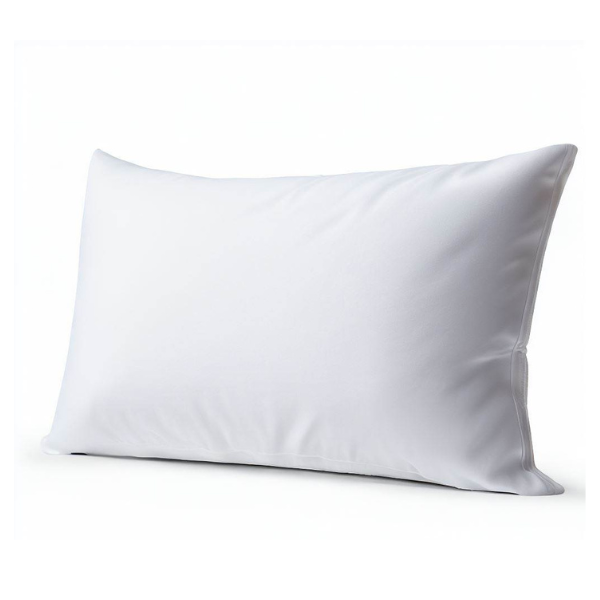
Dust mite pillow covers (also known as pillow encasements) are tightly-woven fabric covers designed to create a physical barrier between sleepers and the fine particles that accumulate inside pillows over time. They typically feature a zippered closure that fully encases the pillow on all sides.
The particles that build up in pillows include dust mite faecal matter (typically 10-40 microns in size), shed body fragments, pet dander, pollen, and mould spores in damp environments. Tightly-woven covers limit the movement of these particles between the pillow and your face during sleep — which matters because pillows are one of the closest-contact items in any home. See our full range of pillow protectors.
How Dust Mite Pillow Covers Work
The mechanism is straightforward: a tightly-woven fabric with small pore size creates a physical barrier that limits the movement of fine particles. The strongest evidence for their effectiveness comes from a 2003 randomised controlled trial published in the Journal of Allergy and Clinical Immunology (Halken et al., 2003). The study found that mattress and pillow encasings produced significant long-term reductions in dust mite allergen concentrations over 12 months.
The 2018 review by Wilson and Platts-Mills in the Journal of Allergy and Clinical Immunology: In Practice specifically identified tightly-woven fabrics as effective barriers, noting that nonwoven materials allow mite passage and accumulate debris that's difficult to remove. The authors stated:
"The fine woven fabrics are the correct material for pillow cases and for covers on duvets or comforters."
Quality dust mite pillow covers maintain breathability through fabric structure rather than pore size, so the barrier function doesn't make sleeping uncomfortable.
How Often Should I Wash Dust Mite Pillow Covers?
Most allergy-aware households wash dust mite pillow covers every 2-4 weeks, alongside weekly washing of sheets and pillowcases. Regular washing matters because particles accumulate on the cover's outer surface over time — the cover takes the wear of nightly use, which is what allows the pillow itself to stay cleaner for longer. For a full guide on washing frequency, see our how often to wash bedding guide.
Practical washing guidance:
- Temperature: Research published in the Journal of Allergy and Clinical Immunology (McDonald and Tovey, 1992) found that water at 55°C or above is effective for reducing dust mite populations in bedding. Most Australian guidance recommends washing at 60°C where care labels allow.
- Useful nuance: Even cold-cycle washing reduced allergen levels by more than 90% in the same study, even without killing mites. So washing has practical value at any temperature your fabric allows.
- Detergent: Standard mild detergent is generally adequate. Avoid bleach and fabric softeners, which can degrade the fabric over time.
- Drying: Tumble dry on low or medium heat, or air dry thoroughly. If your cover has a waterproof layer, low heat is generally preferred.
- Frequency adjustments: If you live in a particularly humid environment (such as subtropical Australia in summer), more frequent washing may be appropriate. If you're in a cooler, drier climate with low dust mite pressure, the standard 2-4 week schedule is usually sufficient.
Always follow the care instructions provided with your specific covers. For more detail, see our guide on caring for dust mite covers.
Using Covers Alongside Other Strategies
Dust mite covers work best as part of a multi-step approach. The peer-reviewed evidence consistently supports this combined strategy. The Wilson and Platts-Mills (2018) review explicitly stated that "the odds of successful avoidance are much higher with multi-faceted approaches."
The most well-supported additional measures are:
- Hot-water washing of bedding: McDonald and Tovey (1992) — wash sheets and pillowcases weekly at 60°C where care labels allow
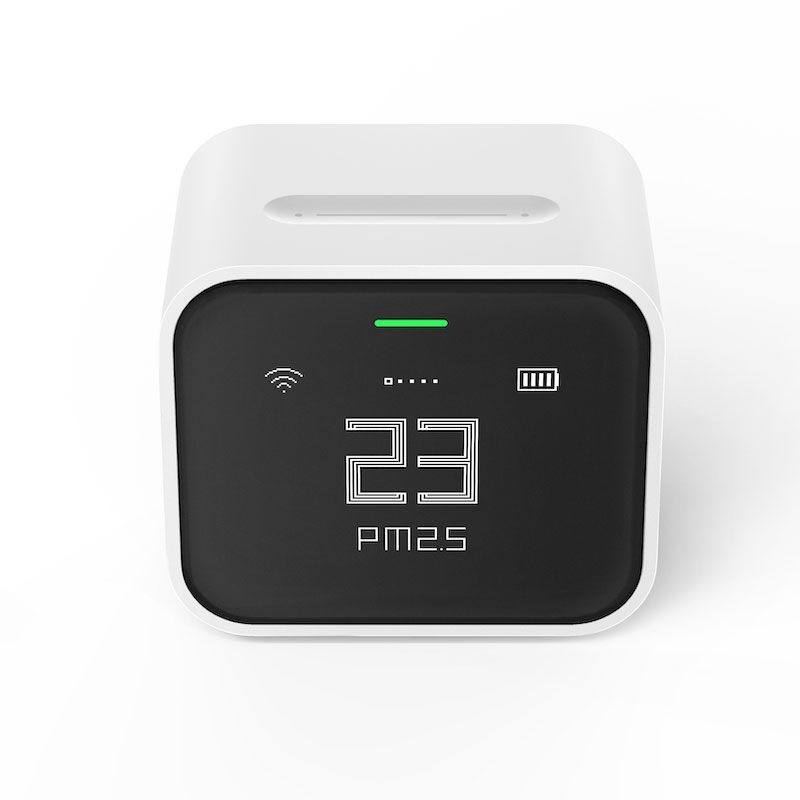
- Humidity control below 50%: Arlian et al. (2001) found that maintaining indoor humidity below 51% over 17 months produced approximately 98% reduction in dust mite populations. Use a dehumidifier, air conditioner, or improved ventilation — and track it with an air quality monitor
- HEPA-filtered vacuuming: Research published in the Journal of Asthma (Wu et al., 2012) found that daily mattress vacuuming reduced total dust mite allergens by approximately 85% over 8 weeks. Even weekly HEPA vacuuming with a quality vacuum has meaningful impact
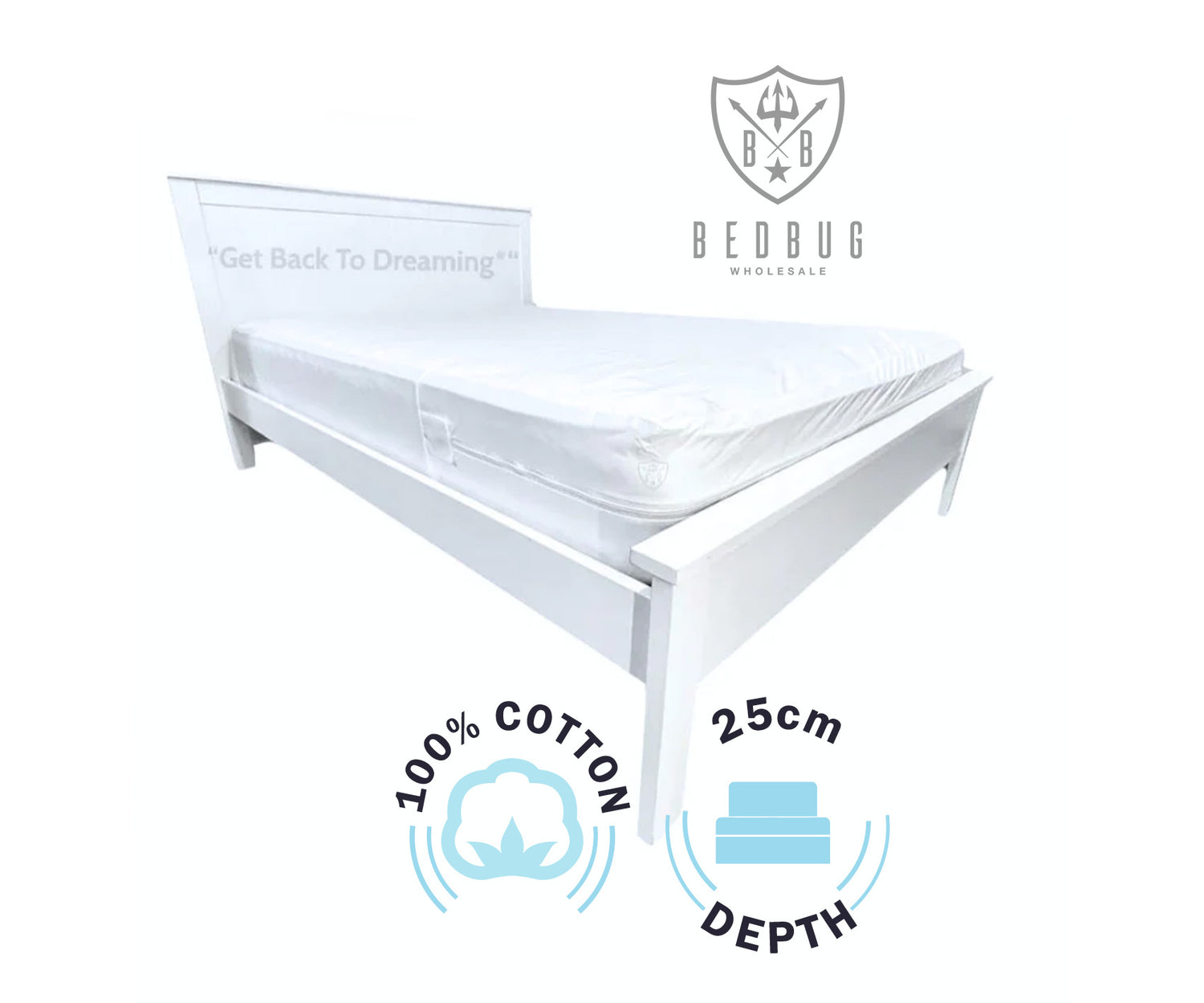
- Pairing pillow covers with mattress and quilt covers: Using mattress covers, quilt covers, and pillow covers together provides comprehensive coverage of the items where most particle build-up occurs — see our full dust mite covers range
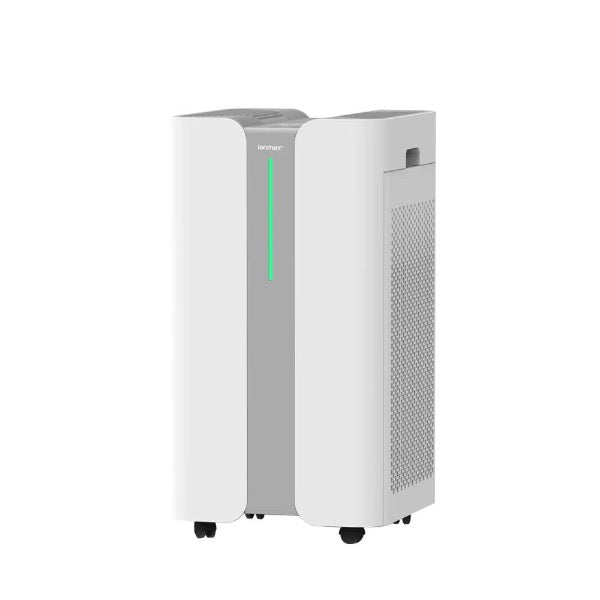
- Air purifiers with HEPA filters: Air purifiers help capture fine airborne particles, particularly when running in bedrooms overnight
For a fuller approach, see our comprehensive room-by-room guide to reducing dust mites, our deep cleaning guide for dust mite allergies, and our low allergen bedroom guide.
Types of Dust Mite Covers
Several styles of dust mite covers are available in Australia, each with different features:
Tightly-woven cotton encasements
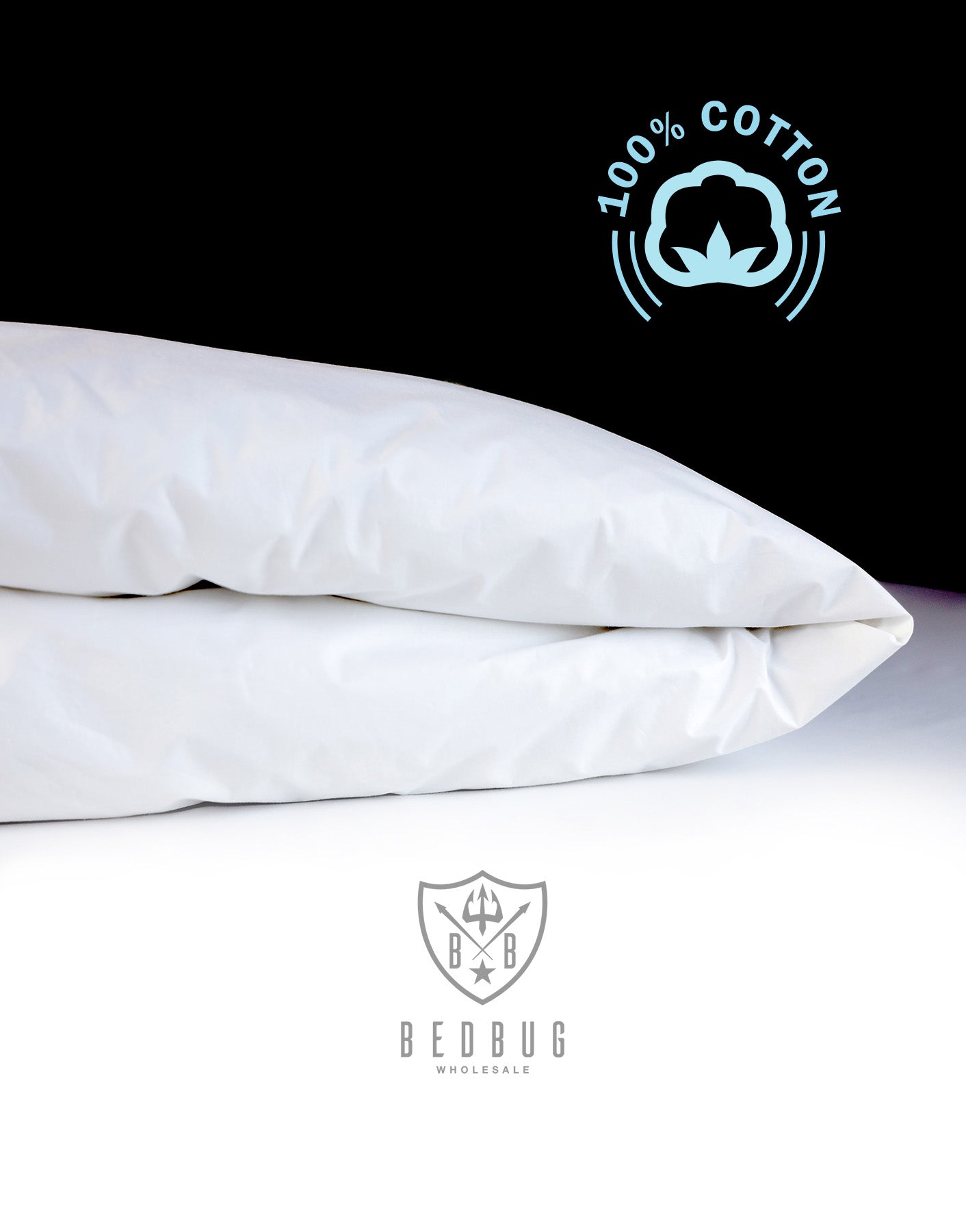
Natural fibre option, breathable, washable at high temperatures. The peer-reviewed research base supports tightly-woven cotton as effective for limiting fine particle movement.
TPU-laminated covers
Combine fine particle filtration with waterproofing using thermoplastic polyurethane film. Useful for households where waterproofing matters (children's beds, pets) without sacrificing breathability.
Polyester or polyester-blend covers
Synthetic option that's durable through repeated washing. Quality varies widely — look for tightly-woven (not nonwoven) construction.
What to look for
The key features that matter for dust mite effectiveness:
- Tightly-woven fabric (woven, not nonwoven)
- Small pore size — smaller pores limit movement of fine particles
- Full zippered encasement covering all sides of the pillow
- Quality zipper with covering flap to prevent particle passage at the closure
- Washable at hot temperatures for effective regular cleaning
For reference, our cotton dust mite covers have a most common pore size of approximately 2.7 microns, and our TPU-blend covers have pores around 0.156 microns. Both are well below the size of dust mite faecal particles (10-40 microns). Browse our pillow protectors range to compare options.
Using Covers With Sheets and Other Bedding
Dust mite pillow covers are designed to sit underneath your regular pillowcase. The setup is straightforward:
- Pillow: The actual pillow goes inside the dust mite cover
- Dust mite cover: Zippered fully closed around the pillow
- Pillowcase: Your normal decorative pillowcase goes over the dust mite cover
This combination provides comfortable sleep with the dust mite cover handling the fine particle filtration and your regular pillowcase providing the surface you sleep against directly. Wash the pillowcase weekly with your sheets, and the dust mite cover separately every 2-4 weeks.
The same principle applies to mattress and quilt covers — dust mite covers sit closest to the mattress or quilt, with regular sheets, mattress protectors, and quilt covers on top. See our guides on protecting your doona from dust mites and how dust mite mattress protectors help with allergies.
Do Dust Mite Covers Help With Bed Bugs?
Specifically-designed encasements can help limit bed bug movement into and out of mattresses and pillows, which can reduce the risk of an infestation establishing in those items. However, mattress and pillow protection is only one element of bed bug management — bed bug infestations typically require professional pest control treatment of the broader environment, not just bedding.
Important distinctions:
- Bed bugs (4-5 mm, visible to the naked eye) are very different from dust mites (0.2-0.3 mm, microscopic)
- Bed bugs feed on blood; dust mites feed on shed skin cells
- Dust mite covers are designed primarily for fine particle filtration, not bed bug exclusion specifically
If you suspect bed bugs, contact a licensed pest control professional. For help identifying what you may be dealing with, see our guide to dust mite bites vs bed bug bites.
Frequently Asked Questions
Do dust mite pillow covers really work?
The peer-reviewed evidence is encouraging. The Halken et al. (2003) randomised controlled trial found that mattress and pillow encasings were associated with significant long-term reductions in dust mite allergen concentrations over 12 months. Effectiveness depends on fabric construction (tightly-woven works; nonwoven doesn't), encasement design (full zippered encasement is more effective than partial covers), and regular washing. Individual results will vary.
How often should I wash dust mite pillow covers?
Most allergy-aware households wash dust mite pillow covers every 2-4 weeks, alongside weekly washing of sheets and pillowcases. Where care labels allow, hot-water washing at 60°C is most effective for reducing dust mite particles, based on McDonald and Tovey (1992) research. Even cold-cycle washing reduces allergens by more than 90%, so washing has practical value at any temperature your fabric allows.
Can I use dust mite pillow covers with my regular pillowcase?
Yes — dust mite covers are designed to sit underneath your regular pillowcase. The pillow goes inside the dust mite cover, the cover zips closed, and your normal pillowcase goes over the top. This setup provides comfortable sleep with the dust mite cover handling fine particle filtration and your regular pillowcase providing the sleep surface.
Will a dust mite pillow cover make my pillow uncomfortable?
Quality dust mite covers are designed to be unobtrusive. Once your regular pillowcase is on top, you typically can't feel the cover. Cotton-based covers feel similar to regular bedding. Older or lower-quality covers using PVC or vinyl waterproof layers may feel plasticky, but modern TPU-based options largely avoid this.
Do I need both a mattress cover and a pillow cover?
For comprehensive coverage, yes. Pillows are particularly important because they're in close contact with your face during sleep — but mattresses contain much larger volumes of accumulated particles. Most allergy-aware households use mattress covers, pillow covers, and quilt covers together for comprehensive coverage of the items where most particle build-up occurs.
What's the best material for a dust mite pillow cover?
The most important factor isn't the fibre type — it's the weave construction. The Wilson and Platts-Mills (2018) review specifically identified tightly-woven fabrics as effective barriers, while nonwoven materials are not. Tightly-woven cotton is a common natural fibre option; TPU-laminated fabrics combine fine particle filtration with waterproofing. Both work well when properly constructed.
How long do dust mite pillow covers last?
Quality dust mite pillow covers typically last 2-5 years with regular washing and proper care. Signs that a cover needs replacing include visible tears or holes, zipper damage, fabric thinning, or persistent stains that don't respond to washing. Following manufacturer washing instructions significantly extends lifespan.
Do dust mite pillow covers help with pet dander and pollen?
Yes — tightly-woven covers limit movement of various fine particles, including pet dander (typically 5-10 microns and larger) and pollen grains (typically 10-100 microns), in addition to dust mite faecal particles. The same physical barrier that blocks dust mite particles also limits these other particles.
Shop products mentioned in this guide
Pillow protectors
Tightly-woven pillow encasements
All dust mite covers
Mattress, pillow & quilt protectors
Mattress protectors
Full encasements for mattresses
Quilt & doona covers
Protect your quilt from dust mites
Dehumidifiers
Keep bedroom humidity below 50%
Air quality monitors
Track your indoor humidity
Air purifiers
Capture airborne allergens overnight
Not sure where to start with your bedroom setup?
Our short product finder helps you work out the highest-impact steps for your home.
Find the right products for your home →Related guides
Dust mite vs regular mattress protectors
What the research shows
How often to wash bedding
Washing frequency for allergy households
How to protect your doona from dust mites
Simple guide for Australian homes
Dust mite protectors: care & washing
How to maintain your protectors
What reduces dust mites quickly?
Evidence-based fast methods
How to reduce dust mites naturally
Chemical-free methods with the best evidence
Low allergen bedroom guide
Complete bedroom setup for dust mite allergies
Deep cleaning guide
Evidence-based cleaning methods
References
This article draws on the following peer-reviewed research:
- McDonald LG, Tovey E. (1992). "The role of water temperature and laundry procedures in reducing house dust mite populations and allergen content of bedding." Journal of Allergy and Clinical Immunology, 90(4 Pt 1):599-608. PubMed
- Arlian LG, Neal JS, Morgan MS, et al. (2001). "Reducing relative humidity is a practical way to control dust mites and their allergens in homes in temperate climates." Journal of Allergy and Clinical Immunology, 107(1):99-104. PubMed
- Halken S, Høst A, Niklassen U, et al. (2003). "Effect of mattress and pillow encasings on children with asthma and house dust mite allergy." Journal of Allergy and Clinical Immunology, 111(1):169-176. PubMed
- Wu FF, Wu MW, Pierse N, Crane J, Siebers R. (2012). "Daily vacuuming of mattresses significantly reduces house dust mite allergens, bacterial endotoxin, and fungal β-glucan." Journal of Asthma, 49(2):139-143. PubMed
- Wilson JM, Platts-Mills TAE. (2018). "Home Environmental Interventions For House Dust Mite." Journal of Allergy and Clinical Immunology: In Practice, 6(1):1-7. PubMed