Skip to content


Carpets make homes feel warm and inviting, but they can also collect dust, skin particles, pet dander, pollen and other fine household matter over time.
Some types of mites are commonly associated with carpets, rugs, bedding, upholstery and other soft furnishings. Not all mites are the same, and not every mite found around the home has the same level of concern.
This guide explains the types of mites sometimes discussed in relation to carpets, how to reduce dust and particle build-up, and practical steps that may help create a cleaner indoor environment.
Mites in Carpet: What Are You Dealing With?
Australia's varied climate means indoor environments can differ widely. In warmer or more humid regions, carpets and soft furnishings may hold more moisture and dust, which can make regular cleaning and humidity control especially important.
Dust mites are the most common mites discussed in relation to carpets and bedding. Other mites, such as storage mites, clover mites, bird mites, Cheyletiella mites and scabies mites, may occasionally be discussed in household contexts, but they have different behaviours and require different responses.
Dust Mites

Dust mites are microscopic and cannot be seen with the naked eye. They are commonly found in indoor dust and are often associated with bedding, carpets, rugs and upholstered furniture. They feed on shed skin particles and tend to prefer warm, humid environments.
Research by Arlian (1992) in Experimental and Applied Acarology established that dust mites need ambient humidity above approximately 65-70% to maintain their water balance, since they don't drink water but instead absorb moisture from the air. This is why carpets in humid environments — particularly in coastal or warmer Australian regions — can be a build-up point over time.
Why they matter
Dust mite waste particles and body fragments are commonly associated with indoor allergen exposure in people who are sensitive to them. Individual responses vary, and symptoms can have many causes, so medical advice is recommended for ongoing or significant concerns.
Identification
Dust mites are not visible without magnification. Because they do not leave obvious visible signs, their presence is usually considered in the context of household dust, soft furnishings, humidity and individual sensitivity.
Managing dust mites in carpet
Read our full guide on how to reduce dust mites in your home.
To help manage dust and reduce conditions commonly associated with dust mites in carpets, consider the following steps:
-
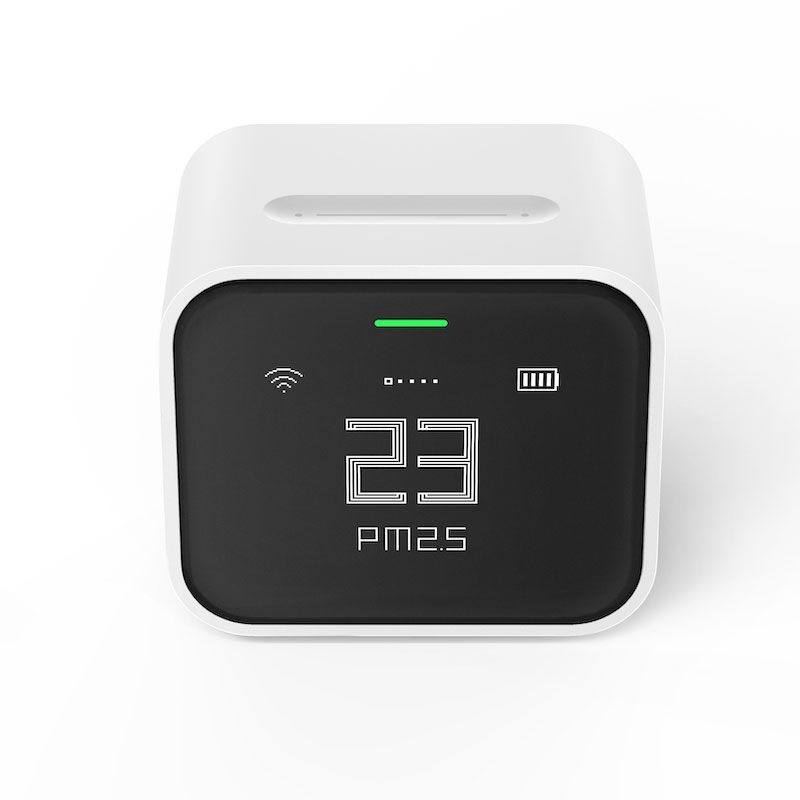
Reduce humidity: Where practical, keep indoor humidity below 50% using dehumidifiers, air conditioning or improved ventilation. Research by Arlian et al. (2001) in the Journal of Allergy and Clinical Immunology found that homes maintaining indoor humidity below 51% over 17 months saw dust mite populations decline by approximately 98%. A hygrometer or air quality monitor lets you track conditions in different rooms.
-
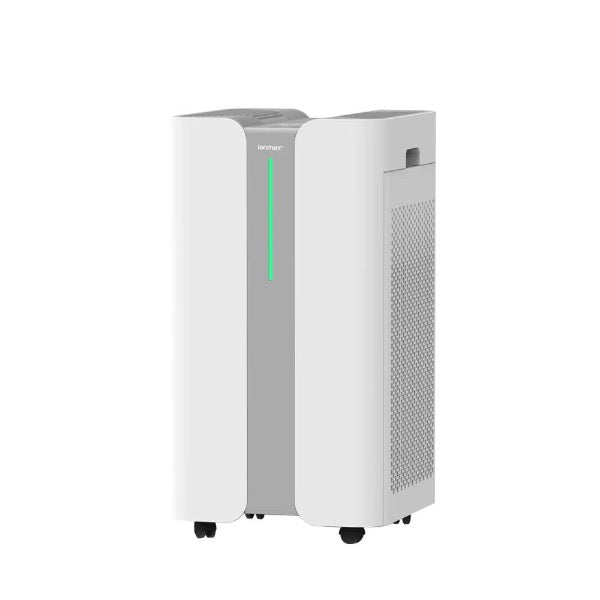
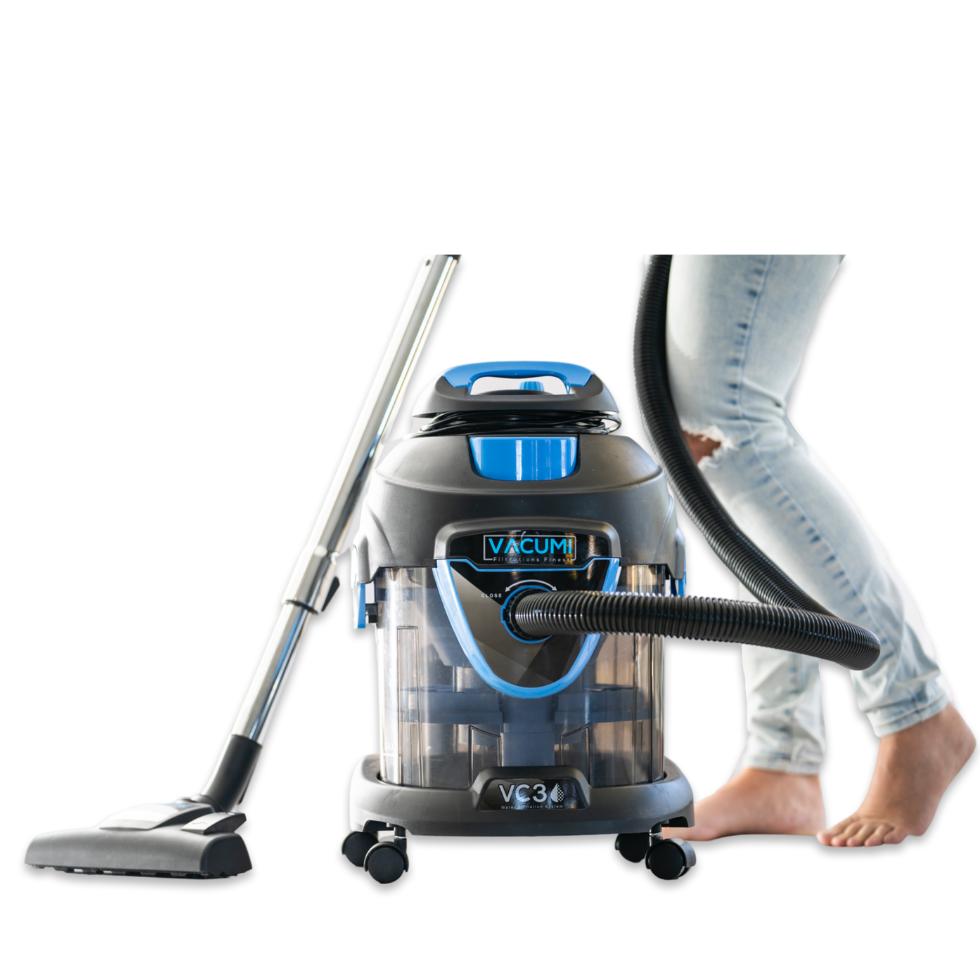
Vacuum regularly: Use a vacuum cleaner with a HEPA filter to help capture fine particles from carpet fibres. Research published in the Journal of Asthma (Wu et al., 2012) found that daily mattress vacuuming over 8 weeks reduced total dust mite allergens by approximately 85% — the same principle applies to carpet vacuuming, where consistent routines support the most reduction. Vacuuming once or twice a week is a common starting point for many households.
-
Sun exposure where practical: For rugs and washable carpet items, direct sunlight exposure can help reduce dust mite populations. Research by Tovey and Woolcock (1994) in the Journal of Allergy and Clinical Immunology found that direct sunlight exposure can reduce dust mite populations on carpets — a useful complement to regular vacuuming.
-
Steam clean where suitable: Periodic steam cleaning may help refresh carpets and reduce dust and particle build-up. Always check that steam cleaning is suitable for your carpet type and ensure the carpet dries thoroughly.
-
Wash nearby bedding regularly: Since bedding and carpets can both collect dust and particles, wash bedding according to care labels. Research by McDonald and Tovey (1992) found that water temperatures of 55°C or above are effective for reducing dust mite populations in bedding, with most Australian guidance recommending 60°C where care labels allow.
-
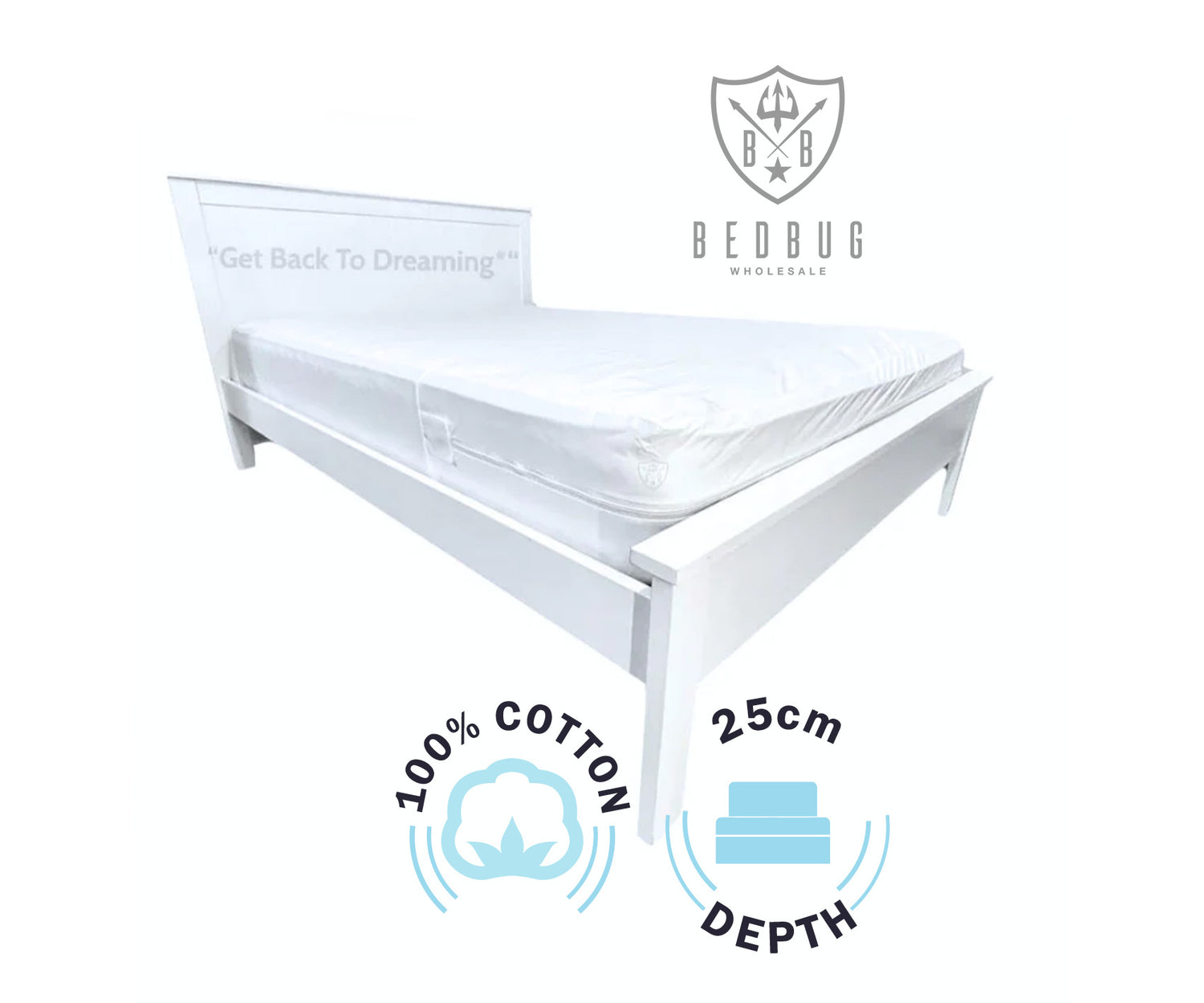
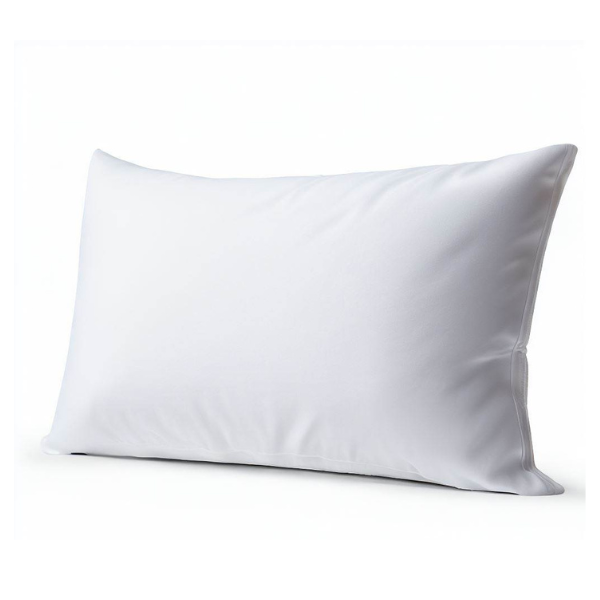
Use protective covers: Cover mattresses and pillows with dust mite mattress covers and pillow protectors designed to create a physical barrier. A 2003 randomised controlled trial published in the Journal of Allergy and Clinical Immunology (Halken et al., 2003) found that mattress and pillow encasings produced a significant long-term reduction in dust mite allergen concentrations over 12 months.
-
Reduce clutter: Fewer items on floors and soft surfaces can make cleaning easier and reduce places where dust collects.
Storage Mites
Storage mites, including species such as Tyrophagus putrescentiae, are more commonly associated with stored food, animal feed or damp organic matter. They may occasionally be discussed in relation to dusty or damp household areas.
Why they matter
Storage mites may contribute to indoor allergen concerns for some sensitive individuals. If you suspect a significant issue, seek advice from a qualified professional.
Identification
Storage mites are very small and are not usually visible without magnification. They are more likely to be associated with stored dry goods, pantry areas or damp organic debris than with clean, dry carpet alone.
Management
Store dry goods in airtight containers, clean pantry areas regularly, address dampness and vacuum nearby carpets with suitable filtration.
Clover Mites
Clover mites are commonly found outdoors in gardens and lawns and may occasionally enter homes. They are usually considered a nuisance pest rather than a major household health concern.
Why they matter
Clover mites do not usually bite people. They can be annoying in large numbers and may leave stains if crushed.
Identification
Unlike dust mites, clover mites may be visible to the naked eye. They are very small and often appear reddish.
Management
Seal cracks and gaps around windows and doors to reduce entry points. Vacuum carpets and use a damp cloth to remove visible mites without crushing them.
Bird Mites
Bird mites may enter homes when birds are nesting in or near a building. Once birds leave a nest, mites associated with the nest may move into nearby areas.
Why they matter
Bird mites may cause skin irritation in some situations. If you suspect bird mites, it is best to contact a licensed pest control provider and avoid handling nests without appropriate advice.
Identification
Bird mites are very small and may sometimes appear as tiny moving specks. Correct identification can be difficult, so professional advice may be useful.
Management
Do not disturb active bird nests without checking local wildlife rules. Once appropriate, old nests near the home may need to be removed safely. Vacuuming and cleaning can help, but a licensed pest control provider is usually the best option for confirmed infestations.
Cheyletiella Mites
Cheyletiella mites are more commonly associated with animals such as dogs, cats and rabbits. They are sometimes referred to as "walking dandruff" because flakes may appear to move on an animal's coat.
Why they matter
These mites may be associated with skin irritation in pets and, in some cases, people. If you suspect Cheyletiella mites, seek advice from a veterinarian.
Identification
They may be noticed through changes in a pet's coat or skin, but diagnosis should be made by a veterinarian.
Management
Follow veterinary advice for pets. Wash pet bedding and vacuum carpets and soft furnishings as part of the household cleaning routine.
Scabies Mites
Scabies mites are different from dust mites and require medical advice. Transmission through carpet is generally considered uncommon and is more often associated with prolonged skin contact or contact with heavily contaminated fabrics.
Why they matter
Scabies is a medical condition that requires diagnosis and treatment from a qualified healthcare professional.
Identification
If scabies is suspected, do not rely on home identification. Speak with a GP, pharmacist or healthcare professional for diagnosis and treatment advice.
Management
Follow medical guidance. Bedding, towels and clothing may need to be washed and dried according to public health or medical advice.
Choosing an Allergy-Friendly Carpet
Choosing an allergy-friendly carpet usually means selecting flooring that is easier to clean and less likely to hold dust and particles. No carpet can be guaranteed to be allergen-free, but some features may make maintenance easier.
Material
Some carpets are marketed with treatments designed to reduce odours, microbial growth or particle build-up. Always check the manufacturer's claims and supporting information before relying on these features.
Pile type
Low-pile carpets are often easier to clean than high-pile or shag-style carpets because they have shorter fibres and fewer deep spaces where dust can settle.
Tightly woven fibres
A tighter weave or low-loop design may make some carpets easier to vacuum and maintain compared with deeper, looser pile styles.
Green Label Plus certification
Green Label Plus certification relates to lower chemical emissions from carpet products. This may be relevant for households focused on indoor air quality, but it does not mean a carpet is allergen-free.
Antimicrobial and anti-static treatments
Some carpet products include antimicrobial or anti-static treatments. Check product details carefully, as performance and suitability vary between products.
Regular maintenance
Whatever carpet type you choose, regular cleaning is important. A vacuum cleaner with suitable filtration may help capture fine particles, and professional cleaning may be useful where suitable for the carpet type.
How to Reduce Dust Mites in Carpet
When managing dust and dust mite concerns in carpet, regular vacuuming is one practical step. Aim to vacuum consistently using a vacuum cleaner that includes a HEPA filter or other suitable fine-particle filtration.
If you are sensitive to dust, consider wearing a mask while vacuuming, ventilating the room, or asking someone else to handle dust-disturbing cleaning where practical.
For deeper cleaning, professional carpet cleaning may be useful every few months or as needed, depending on the home, carpet type and level of use. Steam cleaning may help refresh carpets and reduce dust build-up, but carpets should be dried thoroughly to avoid moisture problems.
Choose a carpet cleaning professional who uses products suitable for your household and has equipment that supports thorough drying.
For households with significant dust concerns, hard flooring may be easier to clean than wall-to-wall carpet. This is a practical consideration rather than a requirement.
Read our full article "How to Deal with Dust Mites in Carpet"
Related guides
- How to reduce dust mites in your home — comprehensive guide
- How to reduce dust mites in the carpet
- Humidity, mould and dust mites
- Dust mites vs bed bugs
- Dust mite life cycle explained
References
- Arlian LG. (1992). "Water balance and humidity requirements of house dust mites." Experimental and Applied Acarology, 16(1-2):15-35. PubMed
- McDonald LG, Tovey E. (1992). "The role of water temperature and laundry procedures in reducing house dust mite populations and allergen content of bedding." Journal of Allergy and Clinical Immunology, 90(4 Pt 1):599-608. PubMed
- Tovey ER, Woolcock AJ. (1994). "Direct exposure of carpets to sunlight can kill all mites." Journal of Allergy and Clinical Immunology, 93(6):1072-1074. PubMed
- Arlian LG, Neal JS, Morgan MS, et al. (2001). "Reducing relative humidity is a practical way to control dust mites and their allergens in homes in temperate climates." Journal of Allergy and Clinical Immunology, 107(1):99-104. PubMed
- Halken S, Høst A, Niklassen U, et al. (2003). "Effect of mattress and pillow encasings on children with asthma and house dust mite allergy." Journal of Allergy and Clinical Immunology, 111(1):169-176. PubMed
- Wu FF, Wu MW, Pierse N, Crane J, Siebers R. (2012). "Daily vacuuming of mattresses significantly reduces house dust mite allergens, bacterial endotoxin, and fungal β-glucan." Journal of Asthma, 49(2):139-143. PubMed