Skip to content


When it comes to insects and other organisms that can be found in homes, dust mites and bed bugs are two common ones people ask about. A frequent question we get is: are these bites from dust mites or bed bugs?
The short answer: dust mites don't bite — they lack the mouthparts required to do so. Reactions sometimes attributed to "dust mite bites" are actually allergic reactions to proteins found in dust mite waste particles.
Bed bugs, on the other hand, do bite, as they feed on blood. Understanding the differences can help you take appropriate steps for your home.
What Are Dust Mites?
Dust mites are a common type of household organism, found in almost every home and particularly in warm, humid environments. They are microscopic, measuring only about 0.2 to 0.3 millimetres in size, and are not visible to the naked eye.
Research by Arlian (1992) in Experimental and Applied Acarology established that dust mites need ambient humidity above approximately 65-70% to maintain their water balance, since they don't drink water but instead absorb moisture from the air. This is why they tend to build up in homes with regular human activity, warmth, and humidity.
Dust mites primarily feed on shed skin cells from humans and pets, which build up in household dust. They tend to accumulate in bedding, mattresses, pillows, carpets, upholstered furniture, and other areas where dust settles. Their waste particles contain proteins that are commonly associated with indoor sensitivities in some individuals.
According to the American Lung Association, dust mite presence can be associated with indoor sensitivities, respiratory considerations, and skin reactions in some individuals. This is why regular cleaning and maintenance of soft furnishings is commonly recommended as part of allergy-aware home care.
What Are "Dust Mite Bites"?
According to Healthline, what people often call "dust mite bites" are not actual bites — dust mites cannot bite. Instead, the term refers to allergic reactions some people experience in response to proteins in dust mite waste particles.
If you've been searching for information about dust mite bites, this is one of the most important things to know: dust mites cannot physically bite you. Any visible bite-like marks on your skin are likely from something else, such as bed bugs, fleas, or another insect.
What Are Bed Bugs?
Bed bugs are small, reddish-brown parasitic insects. They are wingless, with a flat, oval-shaped body that allows them to hide in cracks and crevices in beds, furniture, and walls.
Adult bed bugs are typically about 4 to 5 millimetres in length. They are reddish-brown in colour, which can appear darker after feeding on blood. Bed bug nymphs (younger bed bugs) are smaller and lighter in colour.
Bed bugs feed on blood and are typically nocturnal — coming out at night to feed. Bed bug situations can be difficult to manage at home and often require professional pest-control intervention.
How to Tell if You Have Bed Bugs
If you suspect bed bugs, conduct a thorough inspection of your sleeping area and nearby furniture. A torch can help with visibility. Bed bugs are very good at hiding, so they can be challenging to spot.
If you're unsure or want confirmation, consider engaging a licensed pest-control professional with experience identifying bed bugs. Early detection makes management easier.
Common signs to look for:
- Bite marks: Bed bug bites often appear as small, red, itchy welts in clusters or lines. Not everyone reacts to bed bug bites, so the absence of marks doesn't necessarily rule out bed bugs.
- Visual identification: Adult bed bugs are about the size of an apple seed, reddish-brown, with a flat, oval body. Look for live insects or shed skins along mattress seams, box spring edges, and crevices in furniture.
- Excrement stains: Bed bugs leave tiny reddish-brown or black stains on mattresses, bedding, or nearby furniture. These may smear when wiped with a damp cloth.
- Eggs and eggshells: Tiny pale-yellow eggs or eggshells, about 1 mm in size. These are often found in cracks and crevices near hiding spots.
- Musty odour: Some people describe a sweet, musty smell associated with significant bed bug presence.
- Blood spots: Small bloodstains may appear on sheets or pillowcases after bed bugs feed.
- Shed skins: As nymphs grow, they shed their exoskeletons. These can be found in areas where bed bugs are active.
What Do Bed Bug Bites Look Like?
Bed bugs are small, oval-shaped insects that feed on blood. They are commonly associated with mattresses, furniture, and cracks in walls or skirting boards.
According to Healthline, unlike dust mites, bed bugs do bite humans. Reactions can range from mild irritation to more significant skin responses depending on the individual.
How to Identify Bed Bug Bites
Bed bug bites often appear as red, itchy welts on the skin, typically in a linear or clustered pattern. They are usually found on exposed areas — face, neck, arms, and hands. Bed bug bites tend to develop within a few hours of being bitten.
If you're not sure what's causing skin reactions, the best step is to speak with a GP or pharmacist who can help identify the cause and suggest appropriate next steps.
What to Do About Skin Reactions or Bites
If you experience bites or skin reactions, the best course of action is to consult your GP or pharmacist. They can recommend options that suit your individual situation. For confirmed bed bug situations, a licensed pest-control professional is the appropriate next step.
Reducing Dust Mites and Bed Bugs in the Home
To help reduce dust mite build-up: regularly wash bedding in hot water, vacuum carpets and upholstered furniture with a HEPA-filtered vacuum, and use mattress and pillow covers as part of an allergy-aware bedding setup.
To help reduce the risk of bed bug entry: inspect hotel rooms and second-hand furniture before bringing them into your home, and regularly vacuum and declutter your living space. If you suspect bed bugs are already present, contact a licensed pest-control professional.
Practical Steps for Managing Each
Dust mites and bed bugs require different approaches. Here's a summary of practical steps for each.
Reducing Dust Mites
Complete removal of dust mites isn't realistic, but consistent steps can help reduce their build-up:
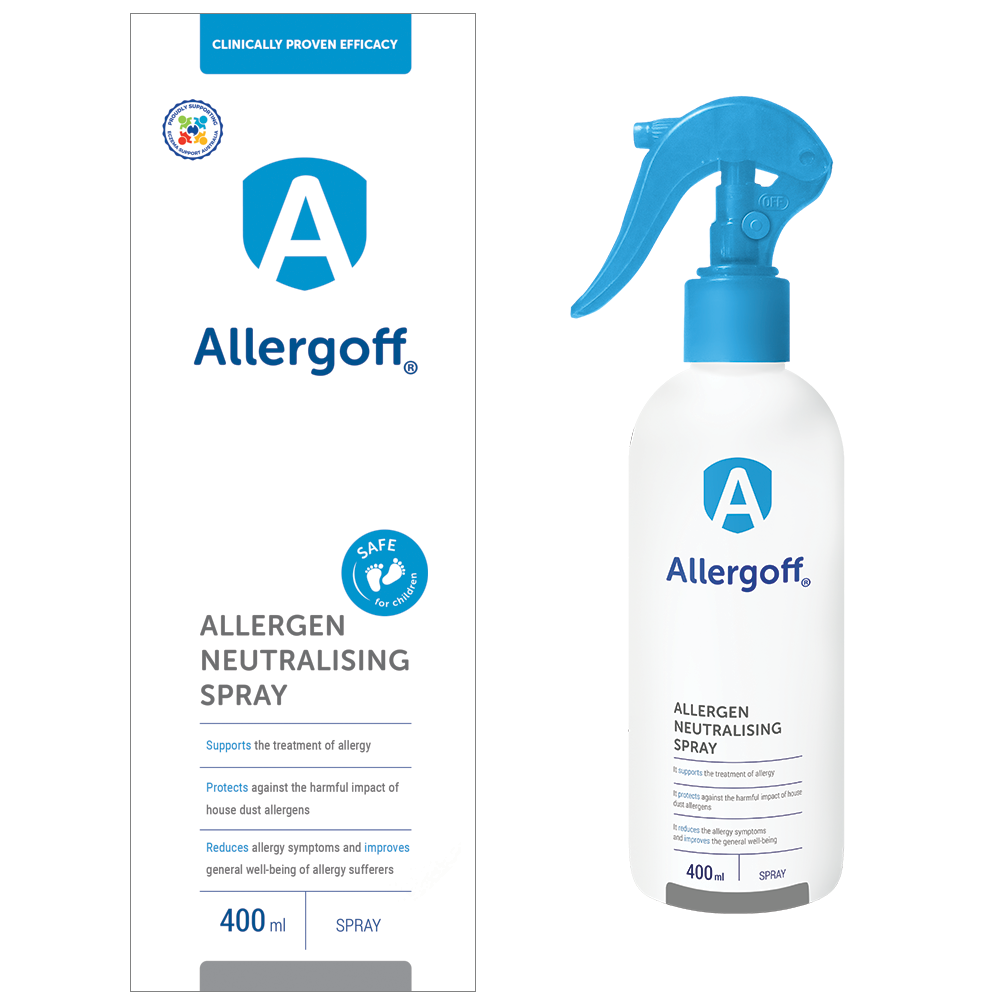
- Wash bedding and linens regularly: Wash bedding, pillowcases, and other linens weekly in hot water (60°C or above, where care labels allow). Research published in the Journal of Allergy and Clinical Immunology (McDonald and Tovey, 1992) found that water temperatures of 55°C or above are effective for reducing dust mite populations in bedding. The same study found that even cold-cycle washing reduced allergen levels by more than 90%, so washing has practical value at any temperature your care label allows. Allergen-reducing laundry additives are also available.
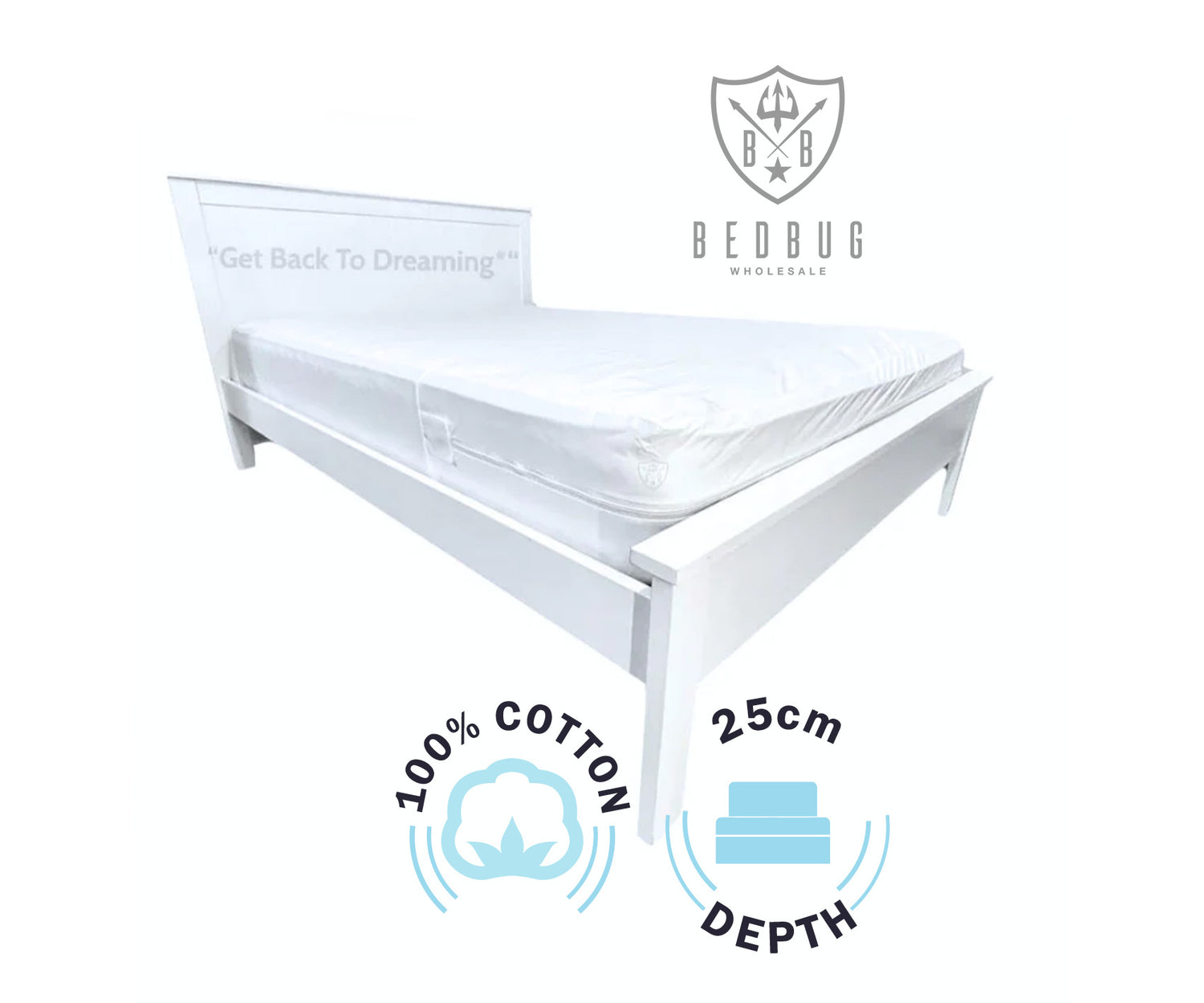
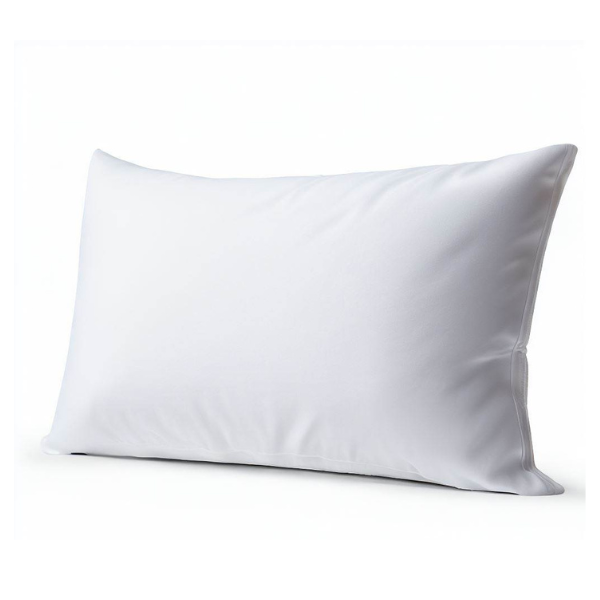
- Use mattress, pillow, and quilt covers: Allergy-aware mattress, pillow, and quilt covers create a physical barrier designed to help limit the movement of dust mite debris and other fine particles. A 2003 randomised controlled trial published in the Journal of Allergy and Clinical Immunology (Halken et al., 2003) found that mattress and pillow encasings produced a significant long-term reduction in dust mite allergen concentrations in mattresses over 12 months.
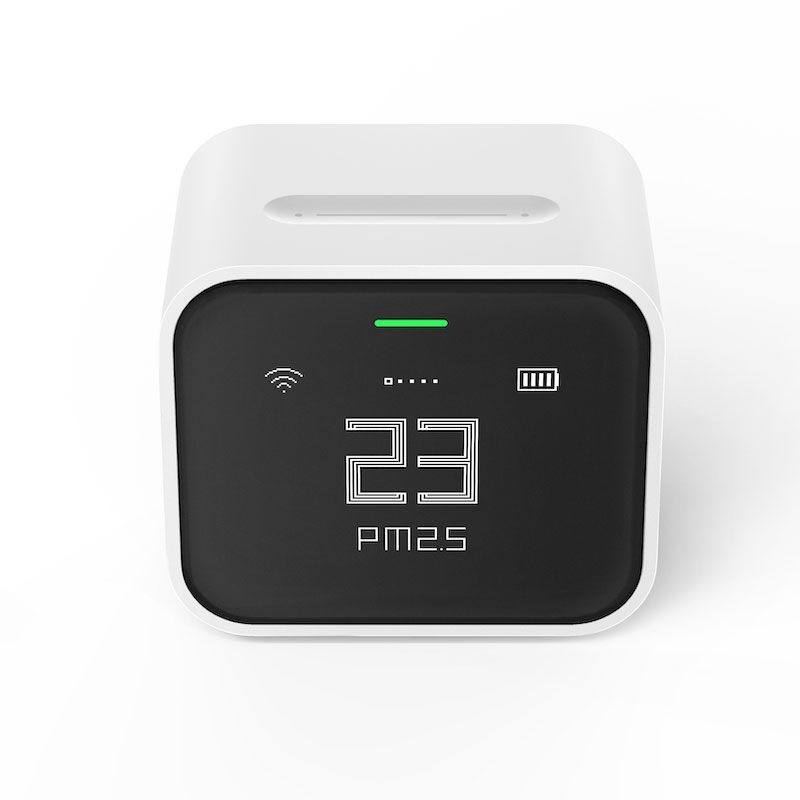
- Manage humidity: Dust mites thrive in humid conditions. A dehumidifier or air conditioner can help keep indoor humidity between 30–50%, making conditions less favourable. Research by Arlian et al. (2001) found that homes maintaining indoor humidity below 51% over 17 months saw dust mite populations decline by approximately 98%.
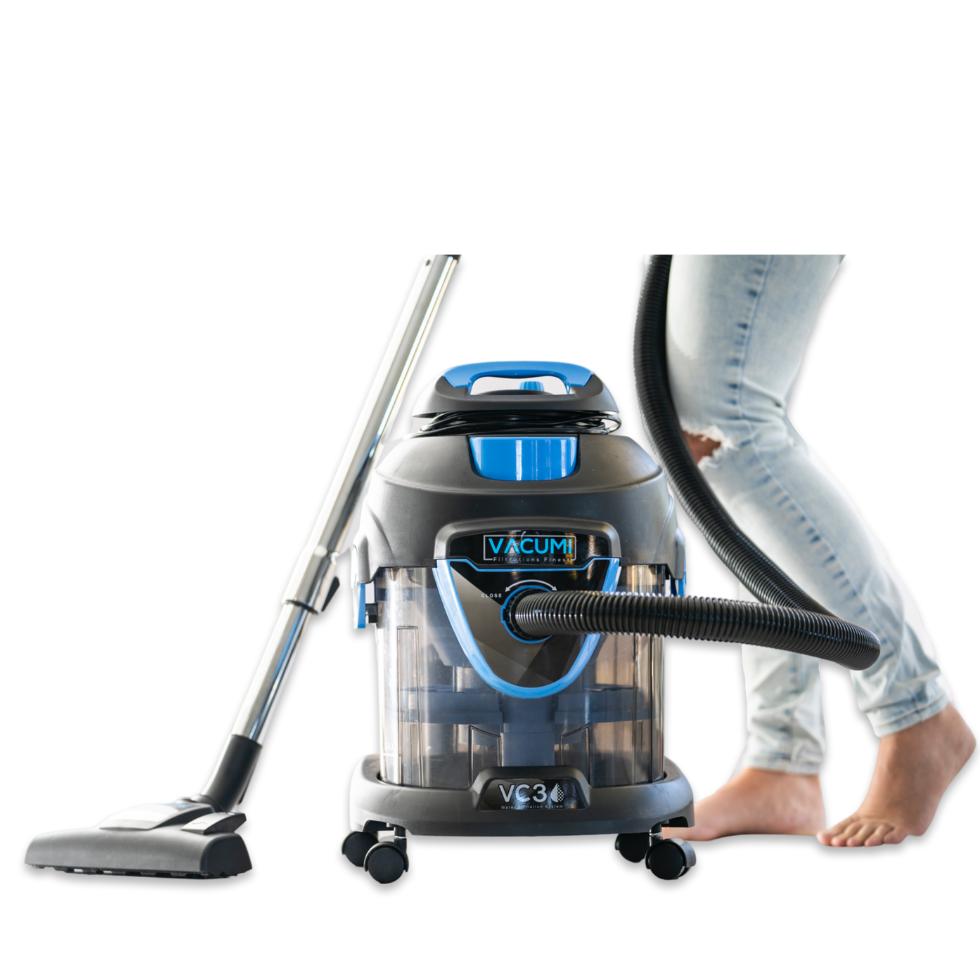
- Vacuum regularly: Use a HEPA-filtered vacuum on carpets, rugs, and upholstered furniture, ideally weekly. Research published in the Journal of Asthma (Wu et al., 2012) found that daily mattress vacuuming over 8 weeks reduced total dust mite allergens by approximately 85%.
- Dust with a damp cloth: Damp dusting helps lift particles rather than dispersing them into the air.
- Reduce carpeted areas: Where practical, hard flooring or washable area rugs are easier to keep dust-free than wall-to-wall carpet.
Managing Bed Bugs
Bed bug situations are best handled with professional pest-control support, but some general steps can help:
- Inspect and identify: Carefully check the bed, furniture, and nearby areas for signs of bed bugs — live insects, excrement stains, or shed skins.
- Isolate suspected items: If you find evidence of bed bugs, place affected items in sealed plastic bags until you can address the issue.
- Wash and heat-treat: Wash affected bedding, clothing, and fabrics in hot water and dry on a hot cycle. Steam cleaning can also be used on items that can't be machine-washed, following the equipment's instructions.
- Vacuum thoroughly: Vacuum the mattress, base, and surrounding areas. Dispose of the vacuum bag in a sealed plastic bag immediately.
- Use full mattress encasements: Zippered mattress and base encasements can help limit entry points around the mattress.
- Engage professional pest control: For confirmed or suspected bed bug situations, a licensed pest-control professional is generally the most effective next step. Bed bugs can be challenging to manage without professional support.
For both dust mites and bed bugs, regular cleaning and maintenance is a sensible part of household care. Where you're unsure or dealing with significant pest issues, professional advice from a licensed pest-control expert is the best starting point.
Related guides
- How to reduce dust mites in your home — comprehensive guide
- How to reduce dust mites in your bedroom
- Dust mite life cycle explained
- Humidity, mould and dust mites
References
- Arlian LG. (1992). "Water balance and humidity requirements of house dust mites." Experimental and Applied Acarology, 16(1-2):15-35. PubMed
- McDonald LG, Tovey E. (1992). "The role of water temperature and laundry procedures in reducing house dust mite populations and allergen content of bedding." Journal of Allergy and Clinical Immunology, 90(4 Pt 1):599-608. PubMed
- Arlian LG, Neal JS, Morgan MS, et al. (2001). "Reducing relative humidity is a practical way to control dust mites and their allergens in homes in temperate climates." Journal of Allergy and Clinical Immunology, 107(1):99-104. PubMed
- Halken S, Høst A, Niklassen U, et al. (2003). "Effect of mattress and pillow encasings on children with asthma and house dust mite allergy." Journal of Allergy and Clinical Immunology, 111(1):169-176. PubMed
- Wu FF, Wu MW, Pierse N, Crane J, Siebers R. (2012). "Daily vacuuming of mattresses significantly reduces house dust mite allergens, bacterial endotoxin, and fungal β-glucan." Journal of Asthma, 49(2):139-143. PubMed