Skip to content


Dust mites are one of the most common indoor particle sources in homes, and many people are surprised to learn just how widespread they are. Although microscopic and invisible to the naked eye, dust mites are commonly associated with indoor sensitivities in some individuals.
If you've been wondering whether dust mites might be present in your home, this guide walks through the practical signs to look for and the steps you can take to help reduce their build-up.
Where Do Dust Mites Live?
Dust mites are microscopic organisms that thrive in warm, humid environments. They are not parasites — they don't bite or feed on humans. Instead, they feed on the shed skin cells that humans and pets naturally lose every day.
Research by Arlian (1992) in Experimental and Applied Acarology established that dust mites need ambient humidity above approximately 65-70% to maintain their water balance, since they don't drink water but instead absorb moisture from the air. This is why they tend to build up in homes with regular human activity, warmth, and humidity.
Where in Your Home Do Dust Mites Build Up?
The largest dust mite populations tend to build up in:
- Mattresses: One of the highest build-up points, due to the amount of skin cells we shed during sleep.
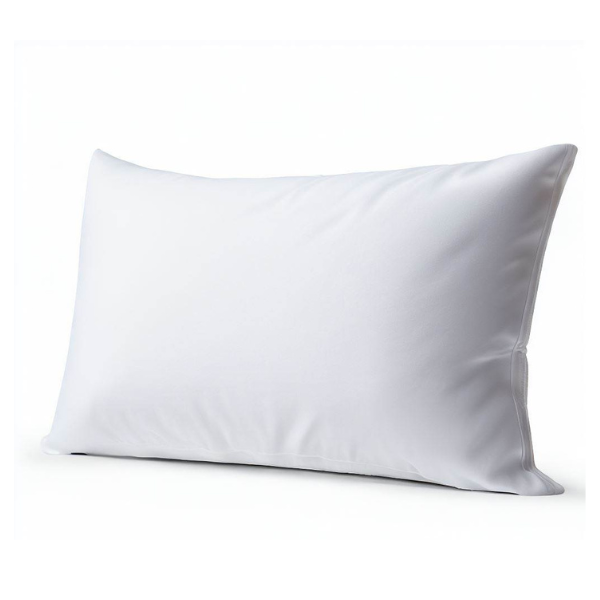
- Pillows: Like mattresses, pillows trap skin cells and provide warmth and humidity.
- Carpets and rugs: The fibres in carpets trap dust and skin particles.
- Upholstered furniture: Sofas and chairs that aren't regularly vacuumed can accumulate dust over time.
- Curtains: Heavy or rarely-washed fabric curtains can collect dust easily.
Can You Feel Dust Mites Crawling on You?
Dust mites are microscopic, so you cannot feel them crawling on you.
If you feel a sensation of something on your skin, it's more likely a result of skin sensitivity rather than the mites themselves.
If you can see a visible insect crawling on your skin or bedding, it's most likely something other than a dust mite — such as a bed bug or another household insect.
How Can You Tell if You Have Dust Mites?
Dust mites are not visible without a microscope, so confirming their presence usually involves looking at indirect signs rather than the mites themselves. Common indicators include:
- Indoor sensitivity patterns: Some people notice indoor sensitivities that may be associated with dust build-up in soft furnishings.
- Symptoms that change with environment: Some people notice indoor sensitivities feel more pronounced at certain times — for example, in bedrooms or when handling dusty fabrics.
- Skin reactions: Some people experience skin reactions that may be associated with indoor environments. If you suspect this, please consult a GP or allergist for advice.
For a definitive answer, an allergy test administered by a healthcare professional is the most reliable approach.
How to Reduce Dust Mites in Your Home
Reducing dust mites in your home is about making it less favourable for them to build up. Here are practical steps commonly recommended in allergy-aware households:
- Wash bedding regularly: Wash sheets, pillowcases, and blankets weekly in hot water (60°C or above, where care labels allow). Research published in the Journal of Allergy and Clinical Immunology (McDonald and Tovey, 1992) found that water temperatures of 55°C or above are effective for reducing dust mite populations in bedding. The same study found that even cold-cycle washing reduced allergen levels by more than 90%, so washing has practical value at any temperature your care label allows.
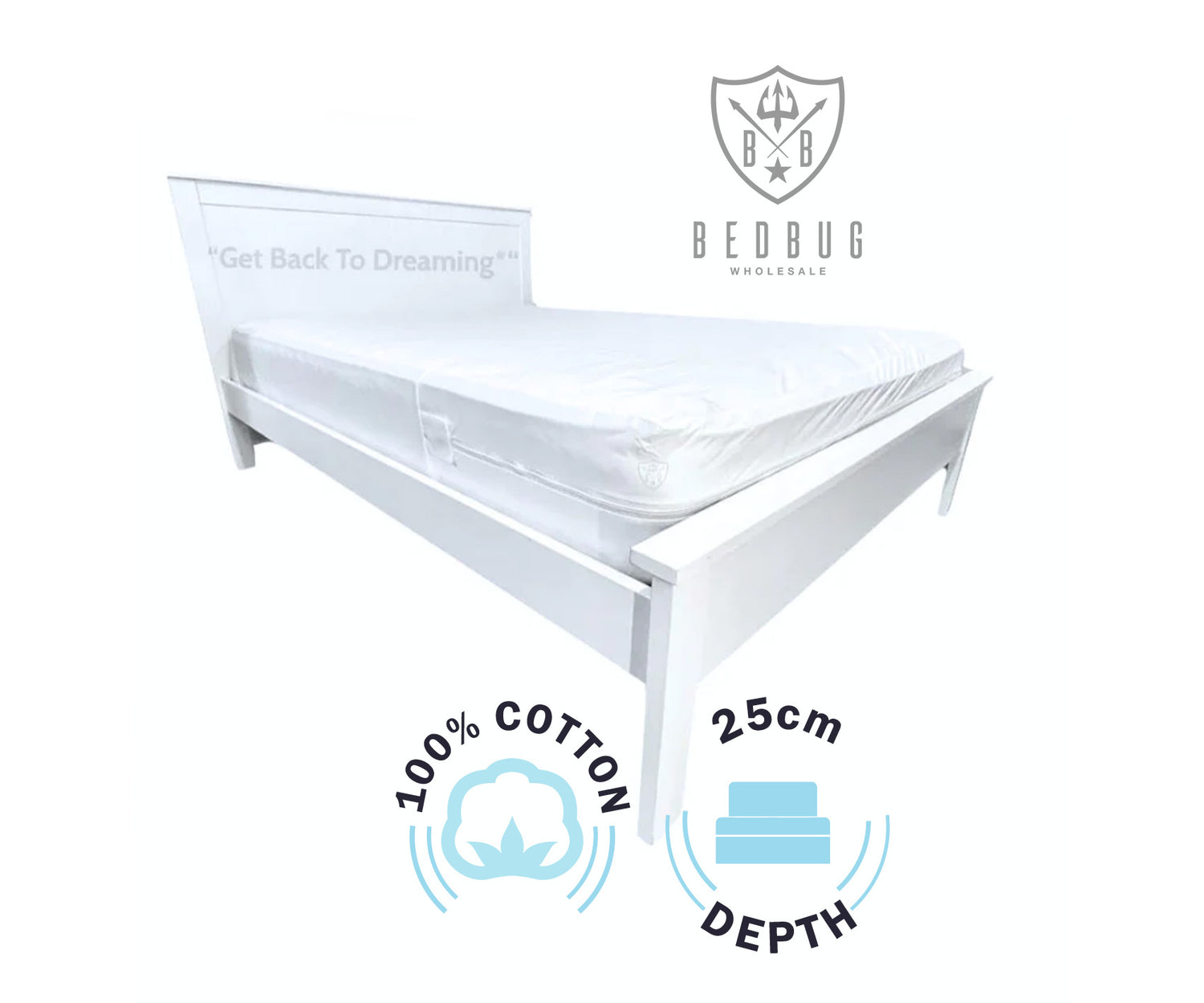
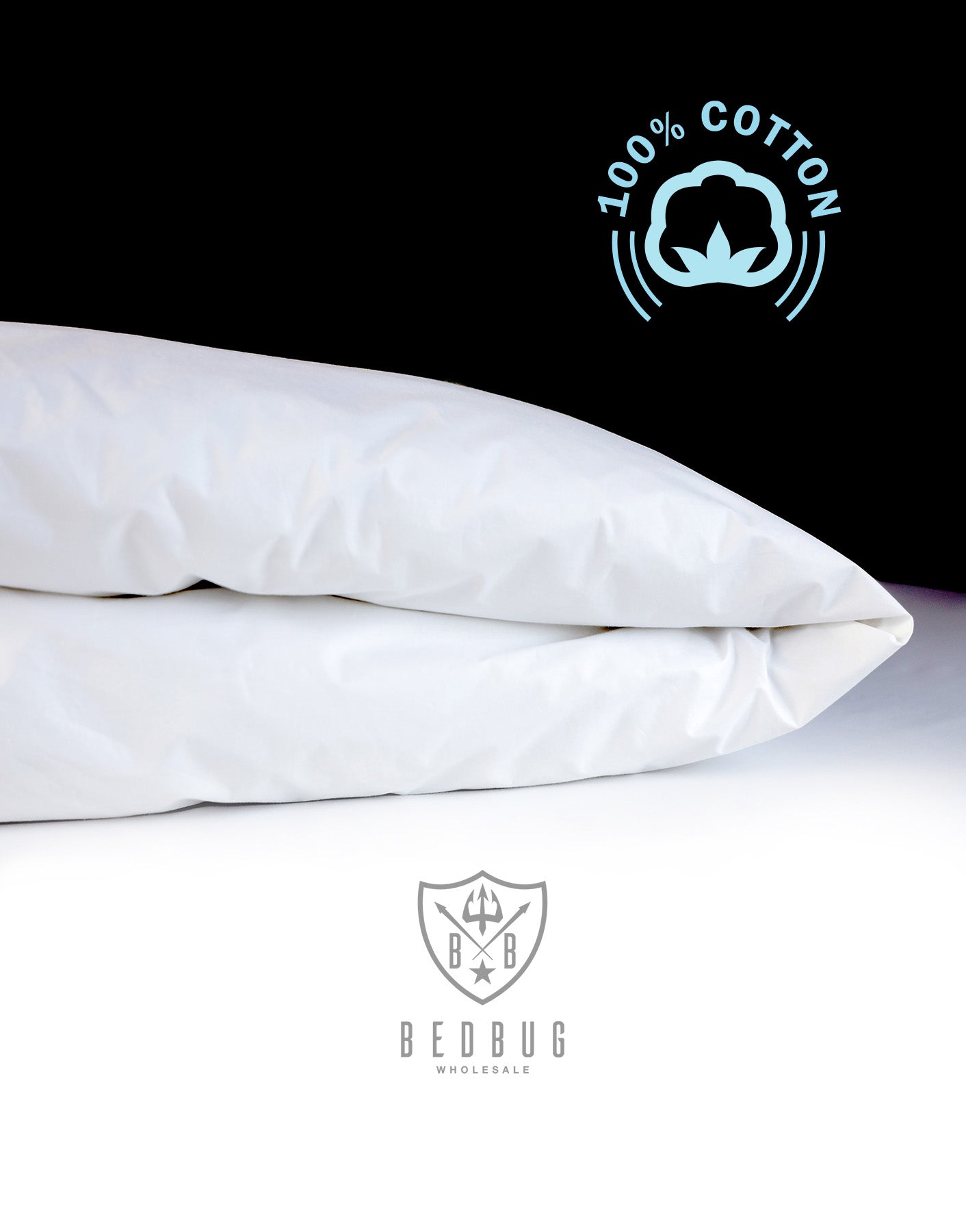
- Use mattress and pillow covers: Cover your mattress and pillows with dust mite covers designed to help limit the movement of dust mite debris and other fine particles between the bedding and the sleep surface. A 2003 randomised controlled trial published in the Journal of Allergy and Clinical Immunology (Halken et al., 2003) found that mattress and pillow encasings produced a significant long-term reduction in dust mite allergen concentrations in mattresses over 12 months.
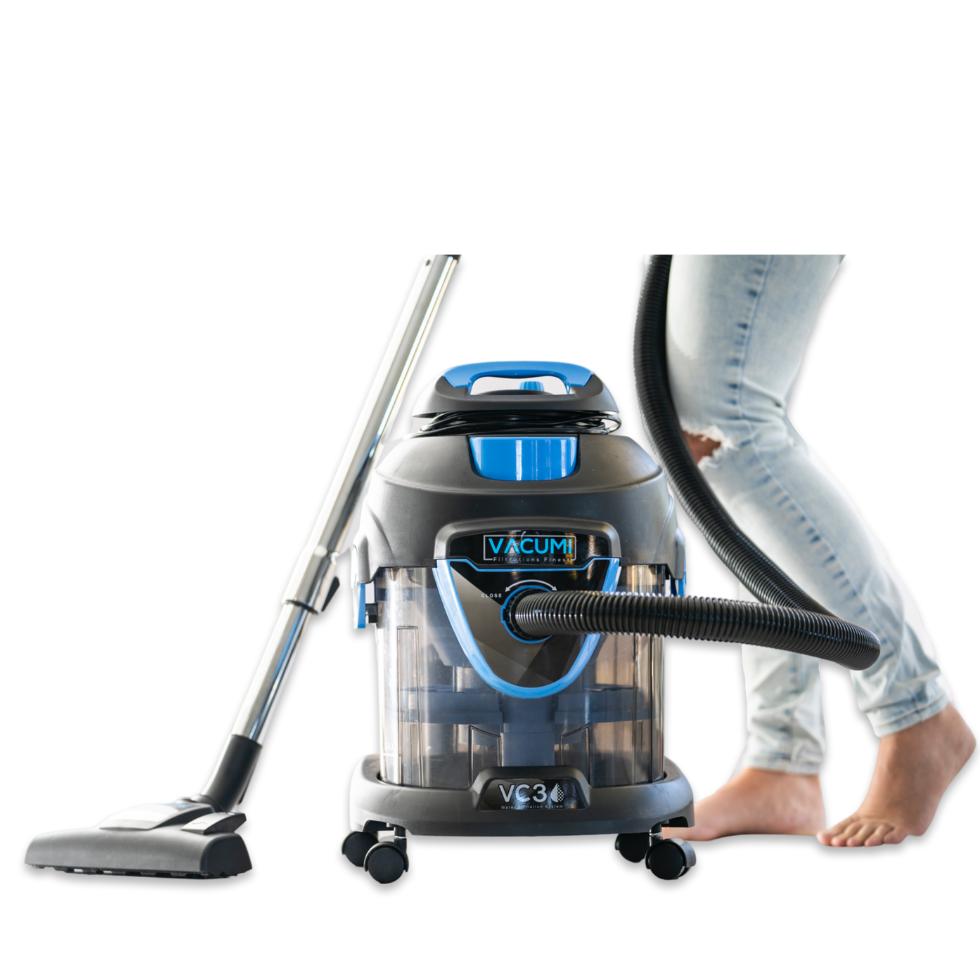
- Vacuum often: Use a vacuum cleaner with a HEPA filter to help capture fine particles in carpets and upholstery. Research published in the Journal of Asthma (Wu et al., 2012) found that daily mattress vacuuming over 8 weeks reduced total dust mite allergens by approximately 85%.
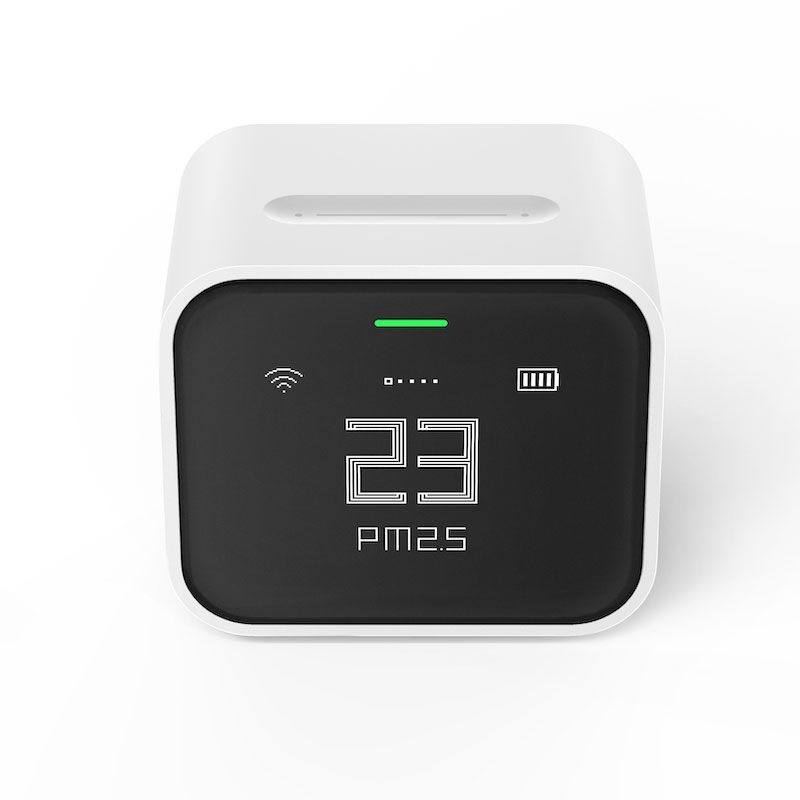
- Manage humidity: Dust mites thrive in humid conditions, so aim to keep indoor humidity below 50%. A dehumidifier can help, and a hygrometer or air quality monitor lets you track conditions in different rooms. Research by Arlian et al. (2001) found that homes maintaining indoor humidity below 51% over 17 months saw dust mite populations decline by approximately 98%.
- Clean soft furnishings: Wash or steam-clean curtains, rugs, and upholstered furniture where dust tends to settle.
For more practical steps, see our comprehensive guide to reducing dust mites in your home.
Hot Temperatures and Steam Cleaning
Hot water washing (60°C or above, where care labels allow) is well-supported by research for reducing dust mite populations in bedding fabrics — McDonald and Tovey (1992) found that water temperatures of 55°C or above are effective for this purpose. High-temperature steam cleaning is also commonly used on carpets, upholstery, and curtains as part of allergy-aware cleaning routines.
How Dust Mites Differ From Other Household Pests
Dust mites are different from other household insects like bed bugs, fleas, or lice in several ways:
- Size: Dust mites are microscopic and not visible to the naked eye, while bed bugs and fleas can be seen.
- Feeding habits: Dust mites feed on shed skin cells, while bed bugs and fleas feed on blood.
- Visible signs: Bed bug presence is often associated with visible bite marks on the skin, while dust mites do not bite.
For more on this comparison, see our article on dust mites vs bed bugs.
How to Confirm the Presence of Dust Mites
Confirming dust mite presence directly usually requires a microscope, since they aren't visible to the naked eye.
For most households, the more practical approach is to monitor for indoor sensitivity patterns. If you suspect dust mites might be a factor in your home, the most reliable way to confirm this is through an allergy test administered by a GP or allergist. This may involve a skin prick test or a blood test that checks for dust mite-specific antibodies. A qualified healthcare professional can help interpret the results and recommend appropriate next steps.
Signs of Dust Mites Throughout Your Home
Dust mites can build up in several areas of the home. Here are the main places to consider:
- Bed: Bedding is one of the highest-build-up areas in most homes due to warmth, moisture, and skin cell shedding.
- Mattress: Mattresses provide ideal conditions for dust mite build-up over time, particularly without dust mite protective covers.
- Pillows: Like mattresses, pillows trap skin cells and warmth.
- Carpets: Carpet fibres can trap a lot of dust and particles over time.
- Soft furnishings: Curtains, sofas, and upholstered chairs can also accumulate dust where dust mites tend to build up.
- Pets: Pets can also experience indoor sensitivities. If you suspect your pet may have allergies, consult a vet for advice. See our article on dust mite sensitivities in dogs for more information.
Taking practical steps to reduce dust mite build-up — keeping your home clean, lowering humidity, washing bedding regularly, and using mattress and pillow covers — are the measures with the strongest evidence base for reducing allergen levels over time.
If you experience ongoing symptoms, consulting your GP or allergist for guidance is the best starting point. Once you have a clearer picture of what may be contributing, you can focus on practical steps that suit your specific situation.
Related guides
- How to reduce dust mites in your home — comprehensive guide
- How to reduce dust mites in your bedroom
- Dust mites vs bed bugs
- Humidity, mould and dust mites
- Dust mite life cycle explained
References
- Arlian LG. (1992). "Water balance and humidity requirements of house dust mites." Experimental and Applied Acarology, 16(1-2):15-35. PubMed
- McDonald LG, Tovey E. (1992). "The role of water temperature and laundry procedures in reducing house dust mite populations and allergen content of bedding." Journal of Allergy and Clinical Immunology, 90(4 Pt 1):599-608. PubMed
- Arlian LG, Neal JS, Morgan MS, et al. (2001). "Reducing relative humidity is a practical way to control dust mites and their allergens in homes in temperate climates." Journal of Allergy and Clinical Immunology, 107(1):99-104. PubMed
- Halken S, Høst A, Niklassen U, et al. (2003). "Effect of mattress and pillow encasings on children with asthma and house dust mite allergy." Journal of Allergy and Clinical Immunology, 111(1):169-176. PubMed
- Wu FF, Wu MW, Pierse N, Crane J, Siebers R. (2012). "Daily vacuuming of mattresses significantly reduces house dust mite allergens, bacterial endotoxin, and fungal β-glucan." Journal of Asthma, 49(2):139-143. PubMed