Skip to content

If you're looking to create a cleaner sleep environment, choosing bedding designed with allergy-aware materials is one practical step worth considering.
What is hypoallergenic bedding?
Hypoallergenic bedding refers to materials and products that are designed to minimise the presence of substances commonly associated with allergic reactions, according to Healthline.
However, “hypoallergenic” does not mean completely allergen-free or guaranteed to prevent reactions. It generally indicates that a product is made in a way that may reduce exposure to certain triggers, but individual responses can vary.
It’s also worth noting that there are currently no strict regulations governing how the term “hypoallergenic” is used in textiles. As a result, it can be applied broadly across products with varying levels of suitability.
What to look for in allergy-aware bedding
- Material choice: Some materials are commonly selected for their breathable and moisture-managing properties, such as silk, bamboo, eucalyptus, lyocell, cotton, or microfibre.
- Tight weave: Densely woven fabrics may help limit the movement of dust mites and particles through the material.
- Washability: Bedding that can be regularly washed and dried at higher temperatures may assist in reducing the build-up of allergens over time.
- Fabric treatments: Some products include treatments designed to reduce allergen presence, although effectiveness can vary depending on use and care.
- Replacement cycle: Over time, bedding can accumulate dust and particles. Replacing items periodically may help maintain a cleaner sleep environment.
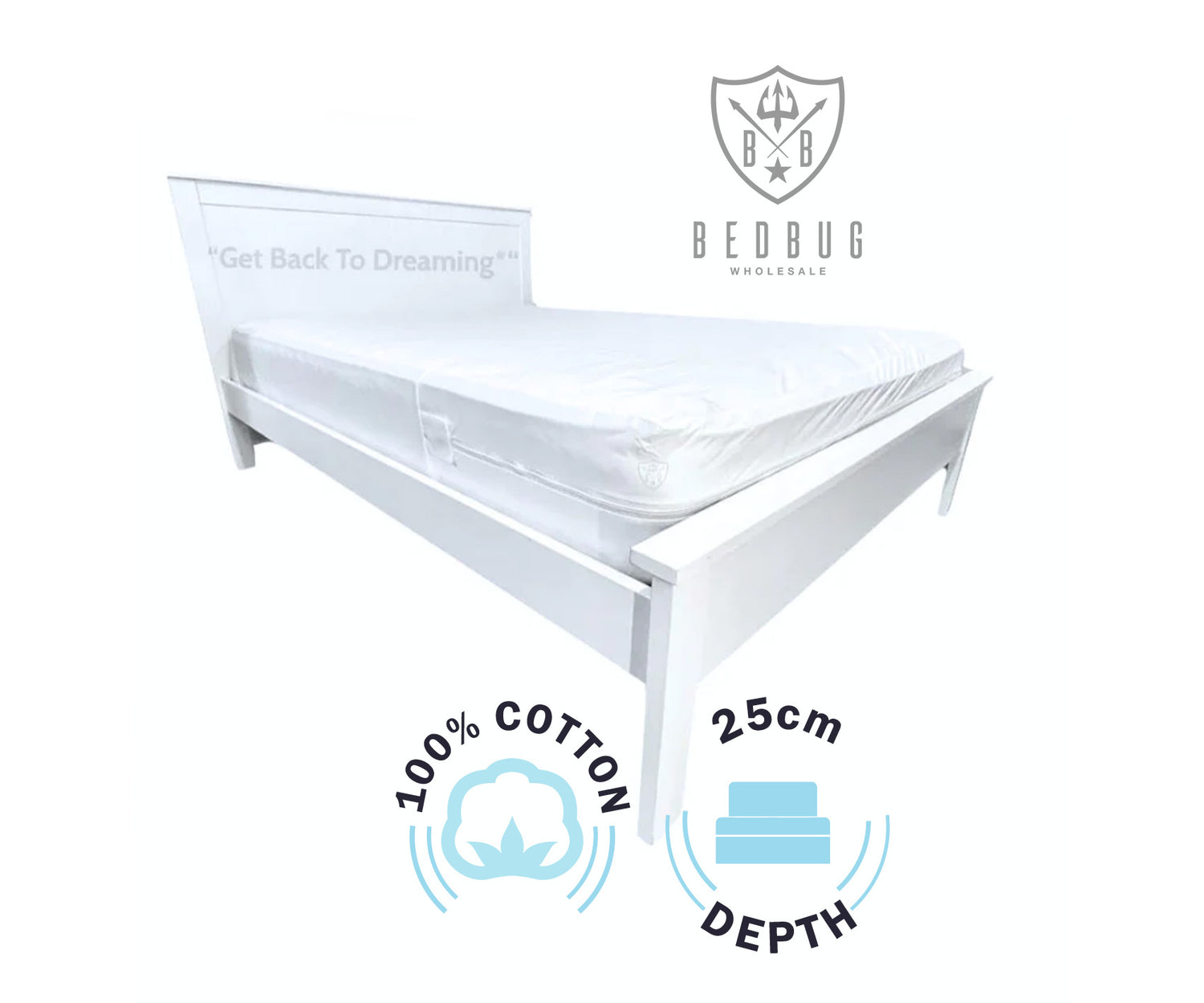
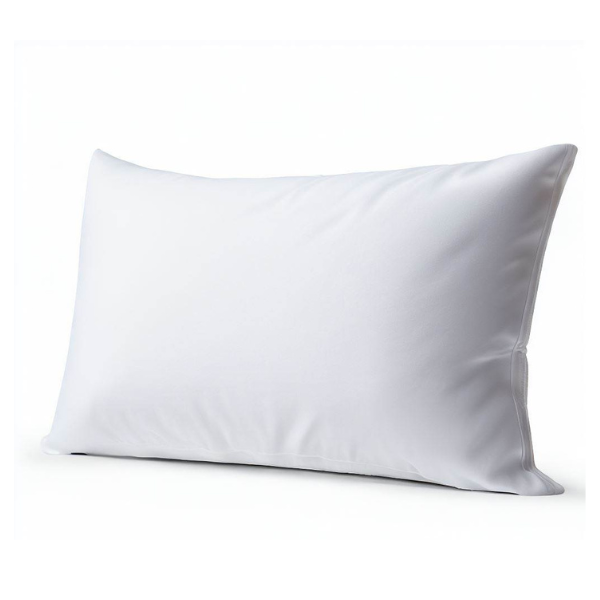
- Dust mite covers: Zippered covers for mattresses, pillows, and quilts create a physical barrier between the sleeper and particles commonly found in bedding.
Suggested materials for allergy-aware bedding
Silk – Known for its smooth texture and temperature regulation. Some individuals may still react to natural fibres, so suitability can vary.
Linen – A breathable fabric that allows airflow and helps reduce moisture build-up, which can influence the environment where allergens settle.
Eucalyptus / Lyocell – Moisture-wicking and breathable fibres that may contribute to a drier sleep surface. This can make conditions less favourable for dust mite build-up.
Bamboo – Often chosen for its moisture management and softness. Its properties may help create a less humid sleep environment.
Organic cotton – Breathable, durable, and easy to wash, making it a practical option for regular cleaning routines.
Microfibre – Tightly woven synthetic fibres that can act as a physical barrier. However, airflow may be more limited compared to natural fabrics.
What is OEKO-TEX certification?
OEKO-TEX is an internationally recognised testing system that assesses textiles for harmful substances.
The most common standard, STANDARD 100, means that all components of a product have been tested against safety criteria for human use.
This certification focuses on chemical safety rather than allergen reduction, but it may provide additional reassurance about material composition.
Hypoallergenic vs OEKO-TEX: what’s the difference?
Hypoallergenic refers to the intention to reduce exposure to common triggers, while OEKO-TEX certification relates to testing for potentially harmful substances.
These concepts address different aspects of product design and can complement each other when choosing bedding.
Why you might consider dust mite protectors
Using mattress protectors and encasements can create a physical barrier between the sleeper and particles that may accumulate in bedding over time.
Fully enclosed covers may help limit direct exposure by containing existing particles and reducing new build-up on sleep surfaces.