Skip to content


Indoor humidity is one of the most important factors in managing both mould and dust mites. Both share a preference for warm, damp conditions, which is why managing humidity is often the single most effective step for households dealing with either issue.
This article walks through the connection between humidity, mould, and dust mites, and the practical steps that allergy-aware Australian households use to reduce build-up of both.
The Humidity Connection
Higher indoor humidity creates conditions that favour both mould growth and dust mite build-up. When surfaces such as walls, ceilings, or fabrics become damp due to excess moisture, mould can begin to grow. Dust mites also tend to be more prevalent in homes with higher humidity and constant warmth, where they can absorb the moisture they need from the air.
Research by Arlian (1992) in Experimental and Applied Acarology established that dust mites need ambient humidity above approximately 65-70% to maintain their water balance, since they don't drink water but instead absorb moisture from the air through specialised glands. This biological dependence on humidity is why managing indoor moisture is so effective for both mould and dust mites.
Dust mites feed on shed skin cells and tend to build up in areas where these accumulate — bedding, mattresses, upholstered furniture, and carpets. Both mould and dust mites are widely recognised as common indoor sensitivities, which is why managing humidity is an important part of allergy-aware home care.
Does Mould Cause Dust Mites?
Mould doesn't directly cause dust mites — they're separate organisms with different food sources. However, they share a strong preference for humid environments, which is why they often appear together in homes with moisture issues.
Research published in the Journal of Allergy and Clinical Immunology (Arlian et al., 2001) found that maintaining indoor humidity below 51% over 17 months significantly reduced dust mite populations in homes — with allergen levels more than 10 times lower than in homes with higher humidity. The same humidity range that suppresses dust mites also makes conditions less favourable for many household moulds.
Aim to keep indoor humidity below 50% as a practical target for managing both.
Shared Environmental Conditions
Mould and dust mites are often found in the same parts of the home because they share environmental preferences:
- Warmth: Both prefer typical indoor temperatures (around 20-30°C).
- Humidity: Both build up more readily when relative humidity is high.
- Organic material: Mould feeds on organic surfaces (wood, paper, fabric); dust mites feed on shed skin cells in soft furnishings.
Both mould spores and dust mite waste particles are common indoor sensitivities. For people with respiratory sensitivities, exposure to either can be a factor worth managing — and managing humidity addresses both at once.
What Are Mould Mites?
Mould mites (Tyrophagus putrescentiae) are a different species from dust mites. They are also microscopic arthropods, but they feed specifically on fungi, including household mould. Where dust mites feed on shed skin cells, mould mites feed on the mould itself.
Mould mites are common in damp, mouldy environments — kitchens, bathrooms, basements, and areas with poor ventilation and high moisture. They can also appear in food storage areas where mould has developed on stored food.
While mould mites do not bite, their presence in large numbers may be associated with indoor sensitivities in some people. Managing mould mites generally involves the same approach as managing mould itself — reducing humidity, improving ventilation, and addressing any visible mould growth.
What do mould mites look like?
Mould mites are very small, typically around 0.3 mm in length. Like dust mites, they're not easily visible to the naked eye and usually require magnification to be seen.
Signs that may suggest mould mites are present
- Visible mould growth: Mould mites feed on mould, so visible mould patches are the strongest indicator that mould mites could also be present.
- High humidity: Persistently humid or damp conditions favour both mould and mould mites.
- Indoor sensitivities: Some people experience indoor sensitivities that may be associated with damp environments. If you suspect this, please consult a GP or allergist.
- Fine dust around mould: In heavily affected areas, you may notice a fine dust-like substance around mould patches, which can include mould mite debris.
Are mould mites in Australia?
Mould mites are found worldwide, including in Australia. Australia's climate varies considerably by region — from the tropical north to the cooler temperate south — and conditions favouring mould and mould mites can occur in any region with high humidity, rainfall, or coastal proximity.
In Australian homes, mould mites are most likely in poorly ventilated areas where moisture builds up — bathrooms, kitchens, laundries, and basements — particularly during wetter months.
Mould vs Mildew: What's the Difference?
Mould and mildew are both types of fungi commonly found in homes. They have some differences in appearance, growth patterns, and how they affect surfaces.
Appearance
- Mould: Typically appears as thicker, fuzzy growth in a variety of colours including black, green, red, or blue. Mould grows in larger colonies and can penetrate the surface of materials.
- Mildew: Usually appears as a powdery or downy surface, white or grey at first and sometimes turning black or brown over time. Mildew tends to grow on flat surfaces and remains superficial.
Where they grow
- Mould: Can grow on a wide variety of surfaces including walls, fabric, wood, and food. Because it can penetrate surfaces, mould can affect structural materials over time.
- Mildew: Typically grows on flat, moist surfaces such as damp walls, window sills, and bathroom tiles. It's more surface-level and generally easier to clean.
Health considerations
Both mould and mildew may be associated with indoor sensitivities in some people, particularly those with respiratory conditions or known allergies. For health concerns related to mould or mildew exposure, consult a GP or allergist for personal guidance.
Removal
Surface mildew can often be cleaned with general household cleaners. More extensive mould — particularly mould that has penetrated porous materials — generally requires assessment and treatment by a qualified mould remediation professional. Mould remediation is a specialist field, and significant mould issues are best handled by professionals rather than as a DIY project.
Mould Mites vs Dust Mites
Habitat and food source
- Mould mites: Live where mould and fungi are present. Their food source is the mould itself.
- Dust mites: Live in soft furnishings (bedding, mattresses, upholstery, carpets). Their food source is shed human and pet skin cells.
Where they're found
- Mould mites: Damp areas with visible mould — kitchens, bathrooms, basements, food storage areas.
- Dust mites: Bedrooms and living areas with soft furnishings and accumulated dust.
Visibility
Both mould mites and dust mites are microscopic and not easily visible to the naked eye. Their presence is usually inferred from environmental conditions (visible mould or accumulated dust) rather than from seeing the mites themselves.
How to Manage Humidity, Mould, and Dust Mites
Maintaining indoor humidity in a moderate range is one of the most well-supported steps for managing both mould and dust mites. Most allergy-aware household guidance recommends keeping indoor humidity in the 30-50% range, which helps reduce build-up of both.
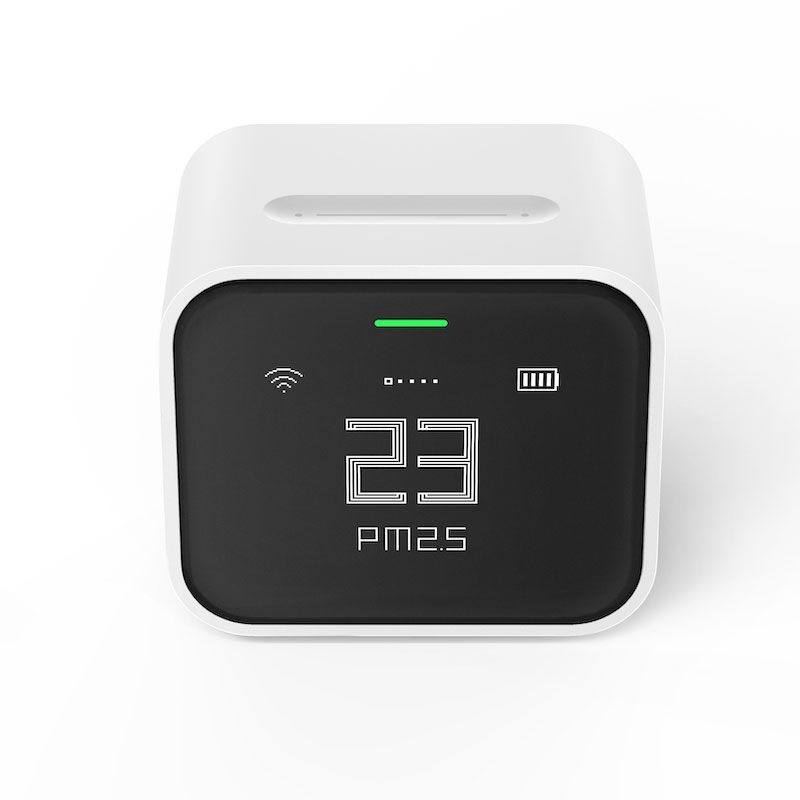
Use a hygrometer to measure humidity
A hygrometer (or air quality monitor) measures indoor humidity, letting you see whether the conditions in different rooms are favourable or unfavourable for mould and dust mite build-up.
Use a dehumidifier in damp areas
A dehumidifier extracts excess moisture from the air, which can help control humidity levels — particularly in damp seasons or in rooms with persistent moisture issues. Regular use can help maintain conditions less favourable for both mould and dust mites.
Use air conditioning to reduce humidity
Air conditioning units typically reduce indoor humidity as well as cooling. Running air conditioning during humid periods can help bring indoor humidity into a more moderate range.
For a unit that combines cooling and dehumidification functions, see our dehumidifiers collection.
Improve ventilation
Good ventilation is one of the most effective ways to manage indoor humidity. Use exhaust fans in bathrooms, kitchens, and laundries to remove moisture at the source. Open windows when conditions allow to encourage airflow and reduce moisture build-up.
Address leaks and moisture sources
Fix plumbing leaks, repair damaged roofs, and address any areas where water is entering the home. Persistent damp from leaks creates conditions ideal for mould growth and dust mite build-up.
Insulate appropriately
Adequate insulation helps maintain consistent indoor temperatures and reduces condensation on cold surfaces — particularly in winter, when warm interior air meets cold external walls and windows.
Limit indoor drying
Drying clothes indoors can add significant moisture to the air. Where practical, dry clothes outdoors or in well-ventilated areas. Unvented gas appliances also release moisture and should be avoided.
Use moisture-absorbent products in enclosed spaces
Silica gel packs and moisture-absorbing products can help manage humidity in small enclosed spaces such as wardrobes, closets, and storage areas where airflow is limited.
Clean and dust regularly
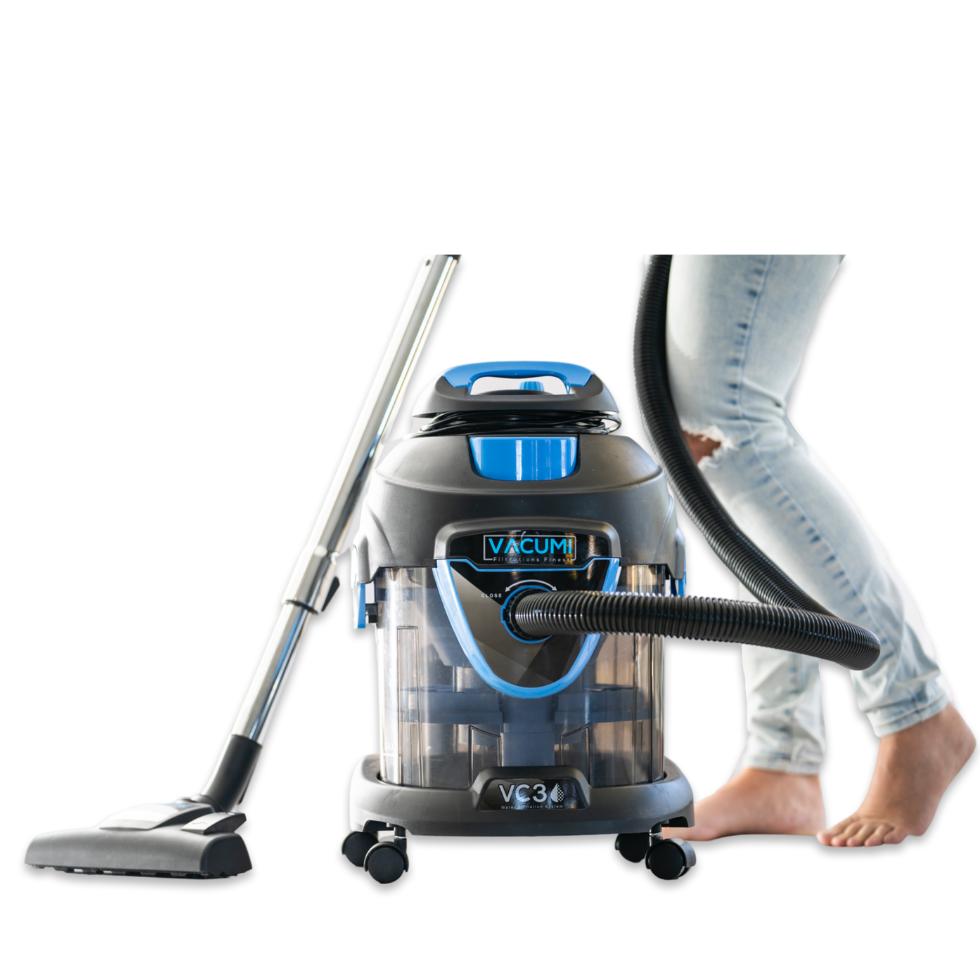
Regular cleaning helps reduce dust accumulation and the food sources dust mites rely on. Use a damp cloth or microfibre mop to lift dust rather than dispersing it. Cleaning products designed for allergy-aware households can help support these routines. Vacuum regularly with a HEPA-filtered vacuum — research published in the Journal of Asthma (Wu et al., 2012) found that daily mattress vacuuming over 8 weeks reduced total dust mite allergens by approximately 85%.
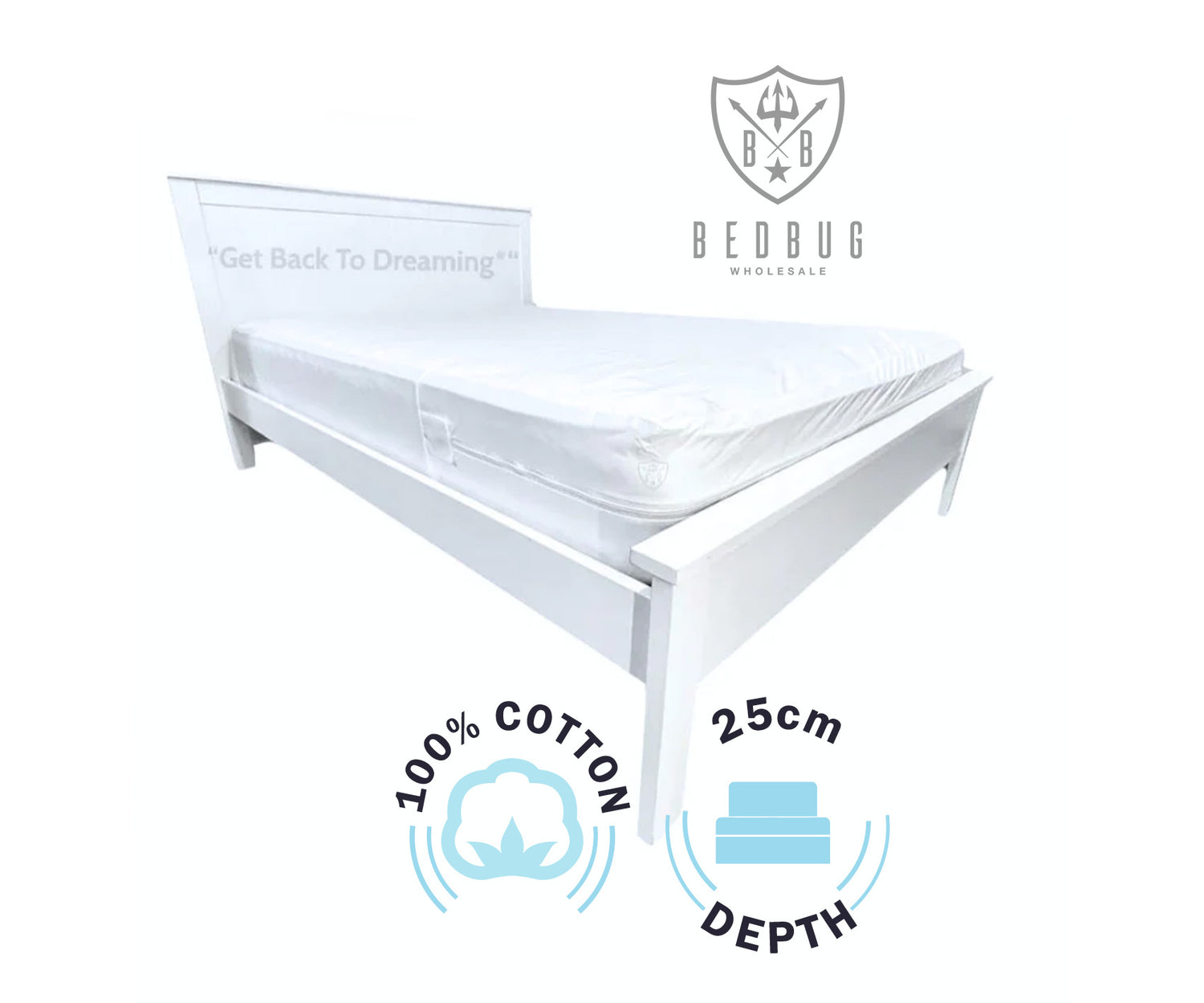
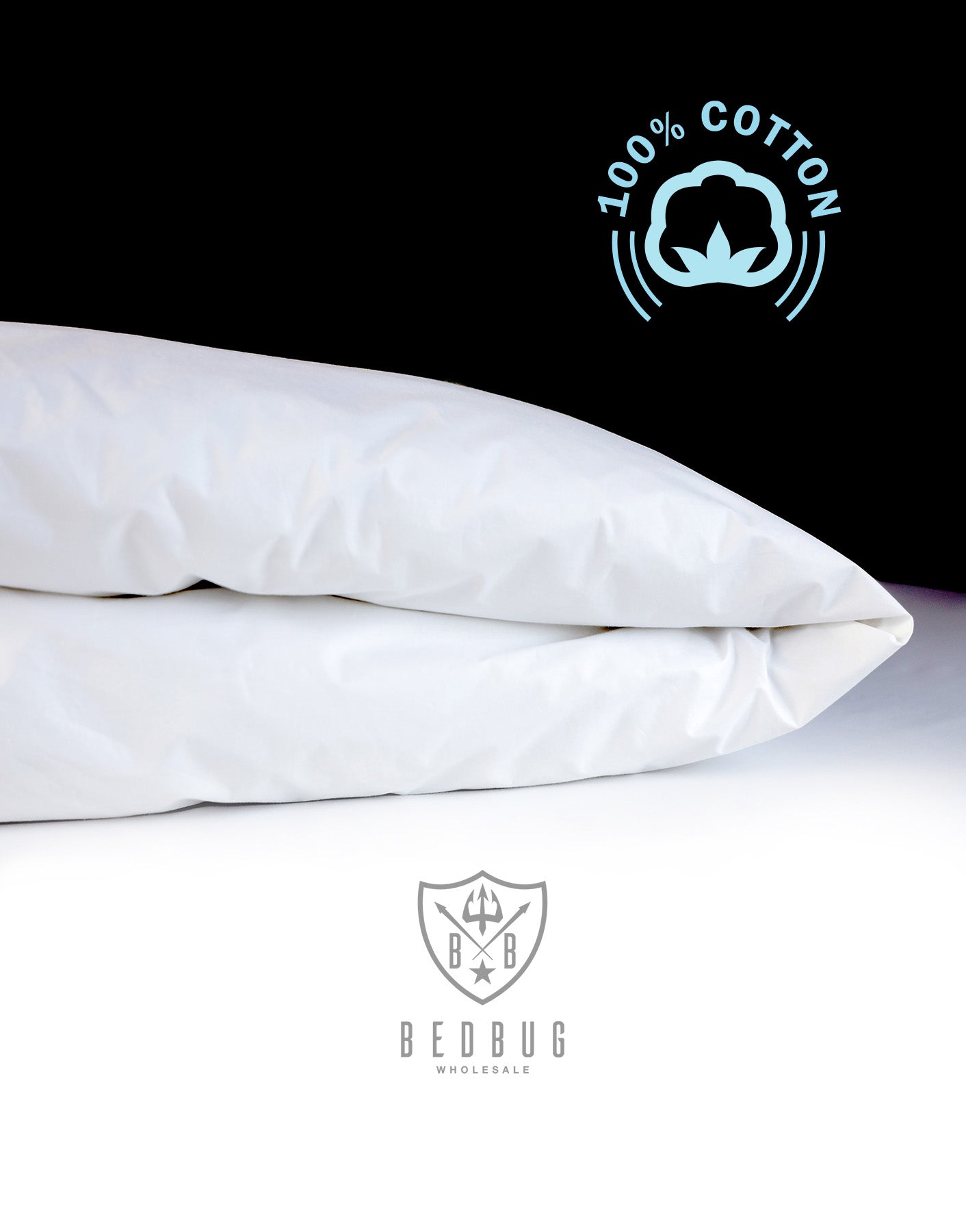
Use allergy-aware bedding covers
Encasing your mattress, pillows, and quilts with allergy-aware bedding covers creates a physical barrier between sleepers and dust mite debris within the bedding. A 2003 randomised controlled trial published in the Journal of Allergy and Clinical Immunology (Halken et al., 2003) found that mattress and pillow encasings produced a significant long-term reduction in dust mite allergen concentrations in mattresses over 12 months.
Summer vs Winter Humidity Control
Managing humidity looks different in summer and winter, particularly across Australia's varied climates.
In summer: Indoor humidity tends to run higher, particularly in coastal and tropical regions. The focus is usually on reducing excess moisture — using dehumidifiers, running air conditioning, maintaining airflow with fans and ventilation, and keeping windows closed during the most humid parts of the day.
In winter: The challenge shifts toward balancing warmth with moisture management. Adequate insulation, sealing air leaks, and maintaining a steady indoor temperature all help reduce condensation on cold surfaces. Some ventilation should still be maintained to prevent moisture build-up — particularly in bathrooms and kitchens — even when keeping the house warm.
A Comprehensive Approach
For more detailed practical steps, see our comprehensive guide to reducing dust mites in every room.
A combined approach is generally more effective than any single measure on its own:
- Manage humidity: Keep indoor humidity below 50% using dehumidifiers and air conditioning. This is the most well-supported step for managing both mould and dust mites.
- Use HEPA filtration: A vacuum cleaner with a HEPA filter can help capture fine particles from floors, mattresses, and upholstered furniture.
- Dust regularly: Wipe surfaces with a damp cloth or microfibre mop to lift dust rather than dispersing it.
- Wash bedding regularly: Wash sheets, pillowcases, and other bedding fabrics in hot water (60°C or above where care labels allow) on a regular cycle. Research by McDonald and Tovey (1992) found that water temperatures above 55°C are effective at reducing dust mite populations in bedding, while even cold-cycle washing reduced allergen levels by more than 90%.
- Address mould properly: Surface mildew can be cleaned with general household cleaners. More extensive mould should be assessed and treated by a qualified mould remediation professional rather than as a DIY project.
- Use allergy-aware bedding covers: Mattress, pillow, and quilt covers create a physical barrier between sleepers and dust mite debris in bedding.
- Reduce clutter: Less clutter means less dust accumulation, better airflow, and easier cleaning.
Related guides
- How to reduce dust mites in your home — comprehensive guide
- How to reduce dust mites in your bedroom
- Do air purifiers work for dust mite particles?
- Dust mite life cycle explained
References
- Arlian LG. (1992). "Water balance and humidity requirements of house dust mites." Experimental and Applied Acarology, 16(1-2):15-35. PubMed
- McDonald LG, Tovey E. (1992). "The role of water temperature and laundry procedures in reducing house dust mite populations and allergen content of bedding." Journal of Allergy and Clinical Immunology, 90(4 Pt 1):599-608. PubMed
- Arlian LG, Neal JS, Morgan MS, et al. (2001). "Reducing relative humidity is a practical way to control dust mites and their allergens in homes in temperate climates." Journal of Allergy and Clinical Immunology, 107(1):99-104. PubMed
- Halken S, Høst A, Niklassen U, et al. (2003). "Effect of mattress and pillow encasings on children with asthma and house dust mite allergy." Journal of Allergy and Clinical Immunology, 111(1):169-176. PubMed
- Wu FF, Wu MW, Pierse N, Crane J, Siebers R. (2012). "Daily vacuuming of mattresses significantly reduces house dust mite allergens, bacterial endotoxin, and fungal β-glucan." Journal of Asthma, 49(2):139-143. PubMed