Skip to content


This article is general information only and is not medical advice. If you have a diagnosed allergy, asthma, or respiratory condition, please speak with your GP or allergist for personal guidance.
Short answer: Wash sheets and pillowcases weekly at 60°C or above where the fabric allows. Wash pillows and doonas every 3–4 months. Mattress and pillow protectors add a barrier between you and accumulated allergens, and help make regular washing more effective. Humidity control and HEPA vacuuming round out a practical dust mite management routine.
Dust mites are one of the most common indoor allergens, and bedding is one of the places they most commonly accumulate. If you wake up with a stuffy nose, itchy eyes, or sneezing, your laundry routine may be one factor worth reviewing.
This guide covers how often to wash different types of bedding to help reduce dust mites, why washing temperature matters, and how protectors can support a broader dust mite management routine.
Dust mites and their impact on health
Dust mites are microscopic arachnids that thrive in warm, humid environments. They feed primarily on shed skin cells from humans and pets. Bedding — mattresses, pillows, and doonas — provides both the warmth and the skin cells they need, which is why it's one of the main places they accumulate in the home.
Dust mites themselves don't bite or sting. The issue for sensitive individuals is their waste particles and body fragments, which contain proteins that can act as allergens. For some people, exposure may contribute to symptoms that resemble hay fever and may affect sleep quality.
Why bedding accumulates dust mites
Bedding tends to accumulate the things dust mites need: warmth, moisture from sweat, and a steady supply of skin flakes. Your body warms the mattress and bedding overnight, creating the microclimate dust mites prefer. This is why regular laundering and protective covers matter more for bedding than for many other items in the home.
Common symptoms of dust mite sensitivity
For people who are sensitive to dust mite allergens, possible symptoms include:
- Sneezing and runny nose
- Itchy, red, or watery eyes
- Coughing or wheezing
- Nasal congestion
- Eczema flare-ups or skin irritation in sensitive individuals
- Disturbed sleep and morning fatigue
These symptoms can have many causes, so if they're persistent or affecting your daily life, the right next step is a conversation with your GP rather than self-diagnosis.
How often to wash bedding
Sheets and pillowcases
The general recommendation from allergy bodies including the Australasian Society of Clinical Immunology and Allergy (ASCIA) is to wash sheets and pillowcases weekly in hot water — 60°C or above where the fabric allows. At this temperature, the heat helps reduce dust mite populations and supports the removal of allergenic waste particles during the wash.
Weekly washing helps disrupt the dust mite life cycle and supports a cleaner sleep surface, which can be particularly helpful in households with pets or during high-pollen seasons.
Doonas, duvets, and quilts
Doonas and duvets generally need washing every 3–4 months when used regularly, or more often in households with pets, children, or people with allergies. Using a dust mite doona protector can help reduce how often the doona itself needs a deep wash, because the protector becomes the main washable layer.
Pillows
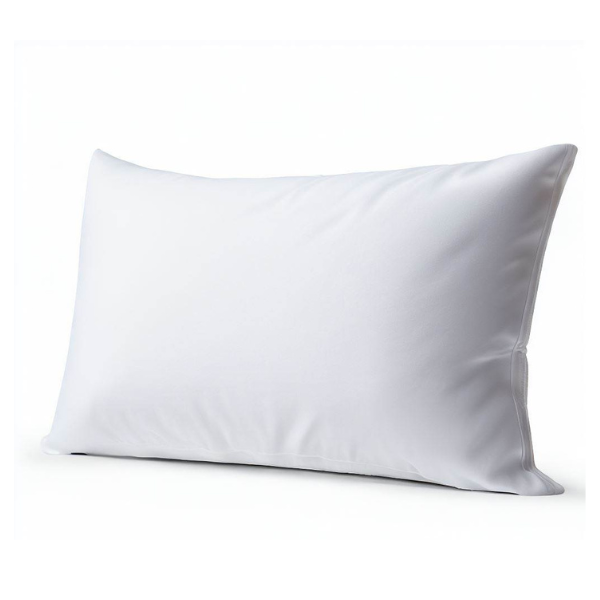
Pillows are worth washing every 3–4 months, because they absorb sweat and collect skin cells more readily than other bedding. Using a dust mite pillow protector adds a barrier and means the protector (which is easier to wash) can be laundered more frequently than the pillow itself.
Mattress protectors
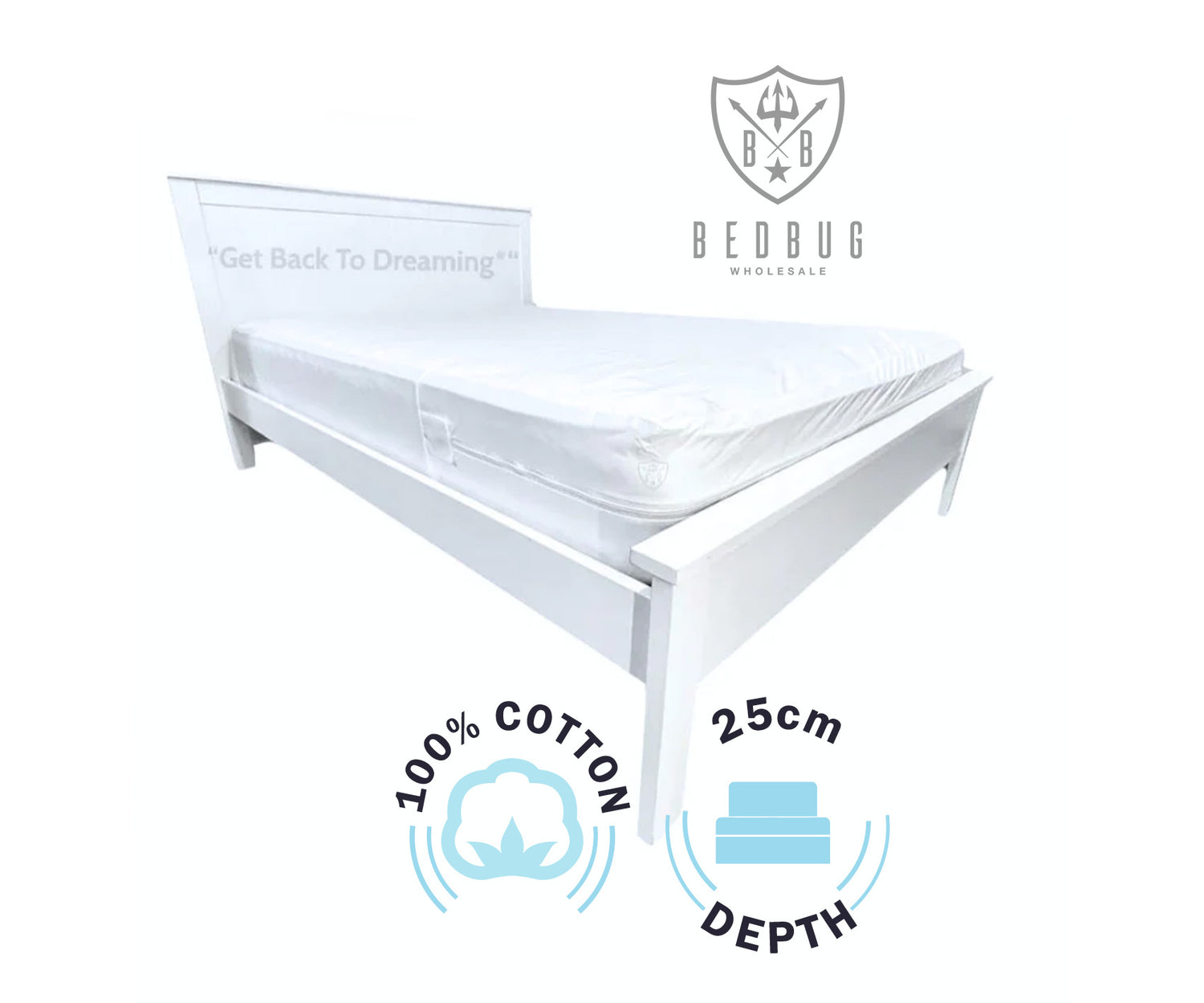
Mattress protectors benefit from regular washing — typically every 1–2 months, or more often in households with allergies, pets, or young children. A dust mite mattress protector creates a barrier between you and what's accumulated in the mattress itself, which is a much harder surface to clean than the protector.
Best practices for washing bedding
Frequency matters, but so does the method. A few things make washing more effective.
Use hot water where the fabric allows
Australian guidance generally recommends 60°C or above for washing bedding to help reduce dust mites. Most modern washing machines have this setting. Always check the fabric care label first — not all bedding can handle high temperatures, and some items may need a gentler approach.
Choose gentle, fragrance-free detergents
For sensitive skin and respiratory sensitivities, unscented or fragrance-free detergents are usually the more practical choice. Avoid heavily scented products, fabric softeners, and dryer sheets, particularly for people with eczema or asthma.
Dry thoroughly
Drying bedding fully matters. Damp bedding can support mould growth, which brings its own allergen concerns. Tumble drying on high heat where the fabric allows, or drying outside in direct sunlight, both help — the combination of heat, air movement, and UV from sunlight supports a drier, cleaner result.
Reducing dust mites between washes
Regular washing is the foundation, but a few other steps help between laundry days.
Use dust mite protectors
Dust mite mattress and pillow protectors create a physical barrier between you and the accumulated allergens inside mattresses and pillows. This is generally one of the higher-impact changes for households managing dust mite sensitivity, because it addresses the hard-to-clean items directly.
A doona protector extends this approach to the bedding on top of you, adding another washable layer.
Manage humidity
Dust mites need humidity to survive — they absorb moisture from the air. Keeping indoor humidity below 50% using a dehumidifier or air conditioner can help make the environment less favourable, particularly in humid Australian coastal climates.
Vacuum with a HEPA filter
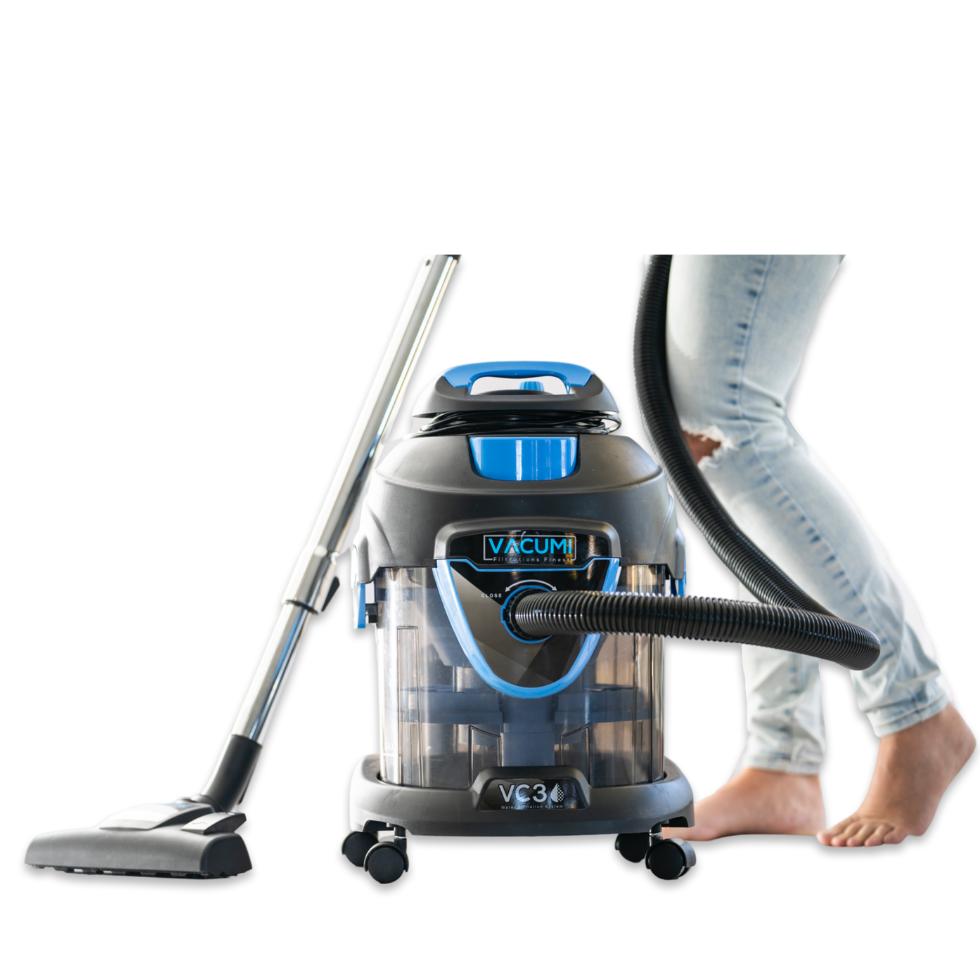
Vacuuming mattresses, upholstered furniture, and curtains with a HEPA-filtered vacuum at least weekly helps capture fine particles that sweep out of soft surfaces. Standard vacuums can release fine allergen particles back into the air, which is why HEPA filtration matters for sensitive households.
Additional tips for sensitive households
A few other household changes can reduce dust mite exposure over time.
Reduce soft surfaces where practical
Soft surfaces like stuffed toys, fabric headboards, and heavy curtains collect dust. Limiting soft items in the bedroom — or using washable alternatives — makes management easier. For soft toys in particular, see our guide to managing soft toys in an allergy-aware home.
Shower before bed
Showering before bed can reduce the number of skin cells shed onto sheets overnight, which gives dust mites less to feed on. It's a small change that some households find makes a noticeable difference over time.
Keep bedrooms well ventilated
Good airflow and ventilation support lower humidity and help prevent moisture building up in bedding and mattresses. Airing the bed each morning — pulling back the covers rather than making the bed immediately — lets trapped moisture from overnight evaporate.
Pulling it together
Knowing how often to wash bedding is one part of managing dust mites at home. Weekly hot washing of sheets and pillowcases, combined with 3–4 monthly washing of pillows and doonas, protectors on mattresses and pillows, humidity control, and HEPA vacuuming, covers the main practical steps most sensitive households benefit from.
For broader guidance, see our room-by-room guide to reducing dust mites.
Frequently asked questions
What temperature should I wash bedding at to reduce dust mites?
Australian guidance generally recommends 60°C or above, where the fabric care label allows it. Always check the label before washing at higher temperatures.
Can I wash in cold water with a specialised detergent instead?
Cold-water washing is generally less effective for reducing dust mites than hot washing. Some anti-allergen laundry additives are marketed for use with cooler temperatures — if you're considering one, check the product label for what it's actually designed to do, and use it alongside (not instead of) regular hot washing where your fabrics allow.
How often should I wash my mattress protector?
Mattress protectors are typically washed every 1–2 months, or more often in households with allergies, pets, or young children. Check the care label for specific guidance for your product.
Are dust mite protectors effective?
Dust mite protectors are designed to create a physical barrier between you and accumulated allergens in the mattress, pillow, or doona underneath. They're commonly used as part of an allergy-aware bedding setup and are usually one of the higher-impact changes for sensitive households.
Do I need to wash bedding more often in summer?
Dust mites tend to be more active in warm, humid conditions, so more frequent washing (or more consistent humidity control) during summer is a sensible step for sensitive households, particularly in coastal Australian climates.
Does tumble drying help with dust mites?
Tumble drying on high heat can help reduce live dust mites on bedding after washing. The combination of hot washing followed by hot tumble drying is generally more effective than either step alone. Always check fabric care labels before using high-heat drying.
What if I can't wash my mattress?
Mattresses themselves generally can't be washed. Using a dust mite mattress protector as a washable barrier layer, combined with regular HEPA vacuuming of the mattress surface, is the usual approach for households managing dust mite sensitivity.
Further reading
- How to reduce dust mites in your home
- How to manage soft toys in an allergy-aware home
- Dust mite mattress protectors
- Dust mite pillow protectors
This article is general information only and is not medical advice. If you have a diagnosed allergy, asthma, or respiratory condition, please speak with your GP or allergist for personal guidance.