Skip to content

Homemade Dust Mite Spray Recipe: A Natural Cleaning Spray for Allergy-Aware Homes
Used alongside proper dust mite management methods, a natural cleaning spray can be a pleasant part of keeping your home fresh.
Why Make a DIY Cleaning Spray?
Many households dealing with dust sensitivities prefer a simple, natural cleaning option for regular surface cleaning and bedroom freshening. A homemade spray using water, a natural cleaning agent, and a small amount of essential oil is inexpensive, easy to make, and lets you control exactly what goes into it.
This spray is intended as a general cleaning and freshening spray for use alongside proper dust mite management — not as a replacement for it. The evidence-based steps that actually reduce dust mite populations in homes are covered further down this article.
Essential Oils Commonly Used in Natural Cleaning Sprays
Laboratory studies have observed activity of some essential oils against dust mites under controlled conditions. However, real-world effectiveness in home environments is less clear, and these sprays are not designed or registered to control dust mite populations.
Real-world effectiveness in typical home use is less well established, and essential oil sprays are not a substitute for dust mite covers, hot washing, and humidity control. For more on the research into essential oils and dust mites, see our article on natural approaches to dust mite management. That said, the oils most commonly included in natural cleaning sprays for allergy-aware homes are:
- Eucalyptus oil — fresh scent, commonly used in natural cleaning products. Avoid around young children and pets.
- Lavender oil — pleasant scent, generally considered one of the gentler options, though still not recommended for direct use on infants.
- Tea tree oil — often used in natural cleaning products. Toxic to cats and dogs; avoid if you have pets.
- Clove oil — strong scent, used in some natural cleaning blends. Can irritate skin.
- Peppermint oil — fresh scent, commonly used in natural cleaning blends. Toxic to cats and dogs; avoid if you have pets.
If you're unsure which oils are appropriate for your household, lavender is usually the safest starting point for homes with pets or children — but always check with your vet and GP.
Ingredients for Your Homemade Cleaning Spray
To make your cleaning spray at home, you'll need just a few simple ingredients:
- 1 cup (250ml) of distilled water
- 1 tablespoon of white vinegar (helps the oil disperse)
- 10 drops of a single essential oil from the list above (make sure no one in the household has any sensitivities to essential oils)
- A clean spray bottle

Instructions and Where to Use the Spray
Mixing instructions
- Pour the distilled water into the spray bottle.
- Add the vinegar.
- Add the essential oil, one drop at a time.
- Close the bottle and shake well before each use — the oil and water will separate between uses.
- Always test a small, hidden patch of any surface before wider use, to check for discolouration or damage.
- Lightly mist surfaces; do not soak. Allow to dry completely before the item is used.
Where to Use (and Where Not to Use) This Spray
Suitable for: general surface cleaning, freshening curtains, wiping down hard surfaces, misting areas of the home where dust accumulates.
Not suitable for: children's bedding, cot mattresses, pillows used by infants or young children, pet beds or areas where pets sleep, anyone's skin or face, or any surface where someone with known essential oil sensitivity sleeps or sits.
What Actually Reduces Dust Mite Populations
This is the important part. Natural cleaning sprays can help keep a home feeling fresh, but the steps that have strong evidence behind them for reducing dust mite populations and allergen exposure are:
- Washing bedding weekly at 60°C or above. Research published in the Journal of Allergy and Clinical Immunology (McDonald and Tovey, 1992) found that water temperatures of 55°C or above are effective for reducing dust mite populations in bedding. Even cold-cycle washing reduces allergen levels by more than 90%.
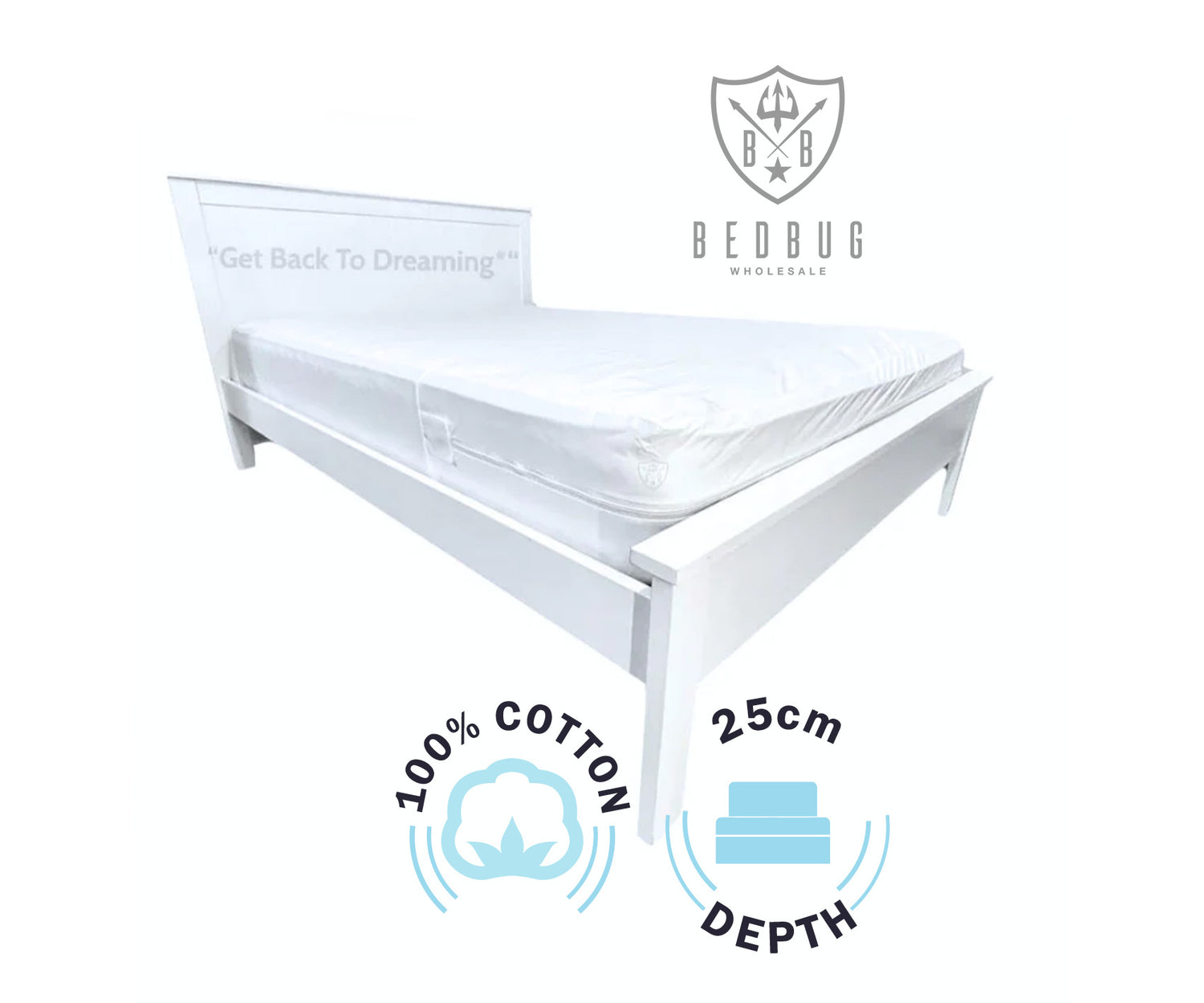
- Using properly-specified dust mite covers on mattresses, pillows, and quilts. Look for covers with a certified pore size small enough to exclude mite allergens. A 2003 randomised controlled trial published in the same journal (Halken et al., 2003) found that mattress and pillow encasings produced a significant long-term reduction in dust mite allergen concentrations over 12 months.
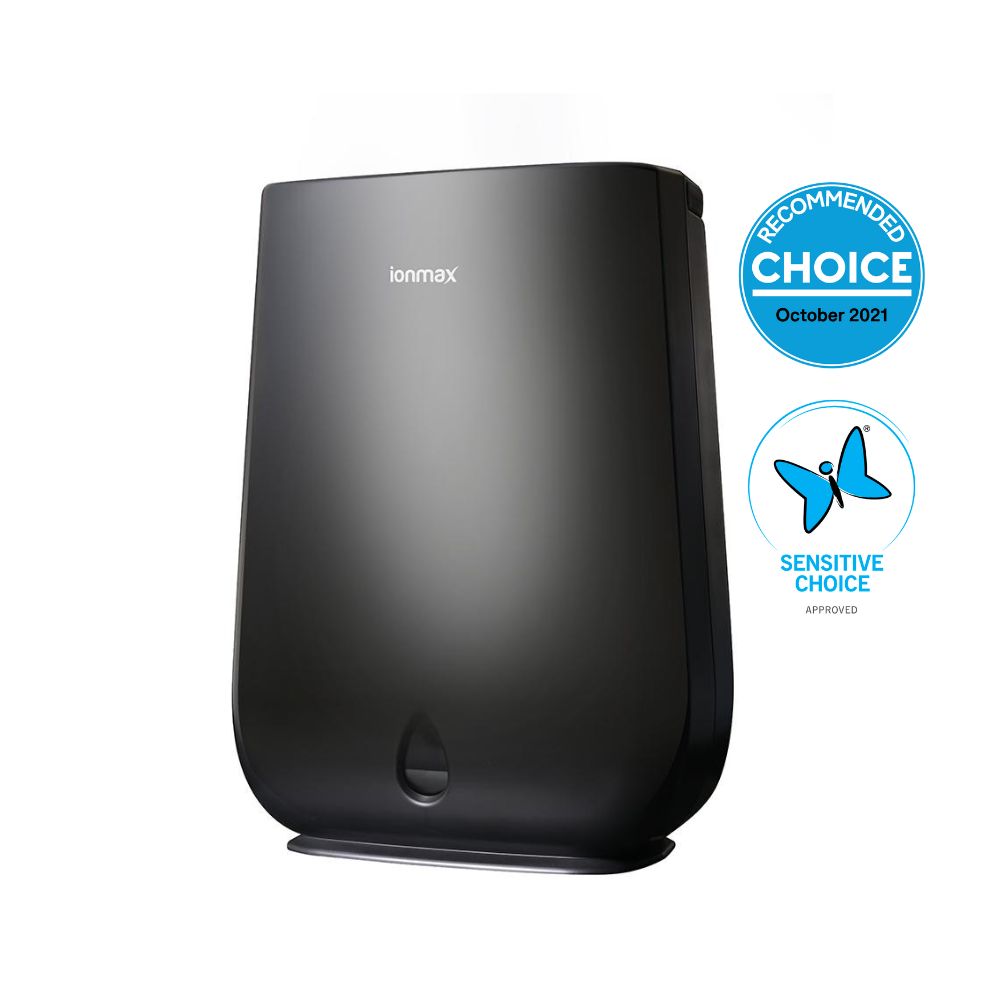
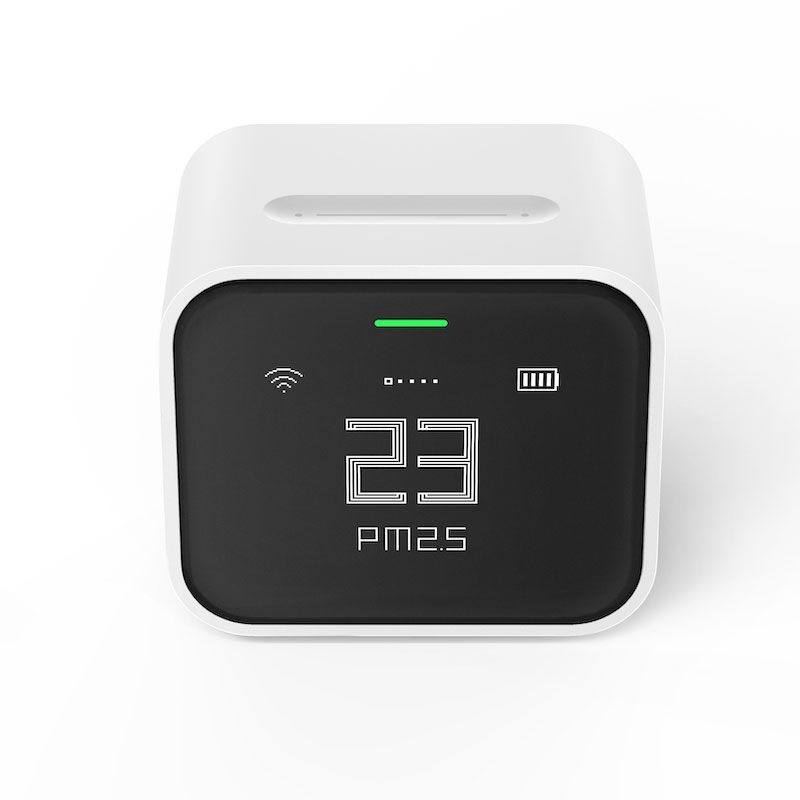
- Keeping indoor humidity below 50%. Dust mites need humidity to survive — research by Arlian (1992) established that they need ambient humidity above approximately 65-70% to maintain water balance. A follow-up study by Arlian et al. (2001) found that homes maintaining humidity below 51% over 17 months saw dust mite populations decline by approximately 98%. A dehumidifier or air conditioner used consistently helps create less favourable conditions.
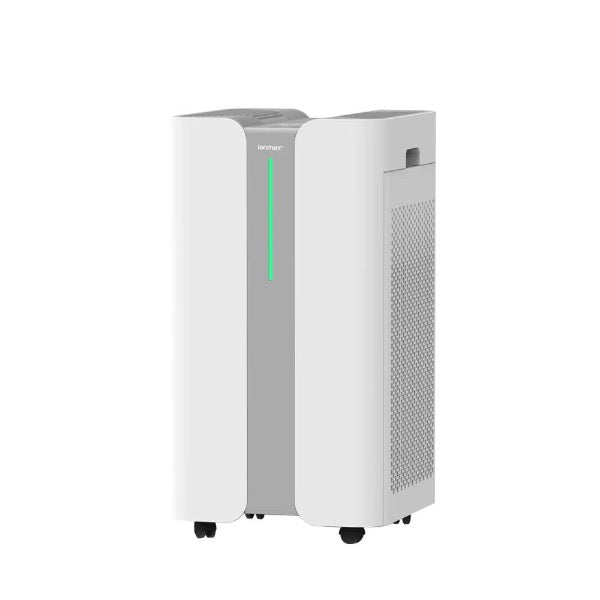
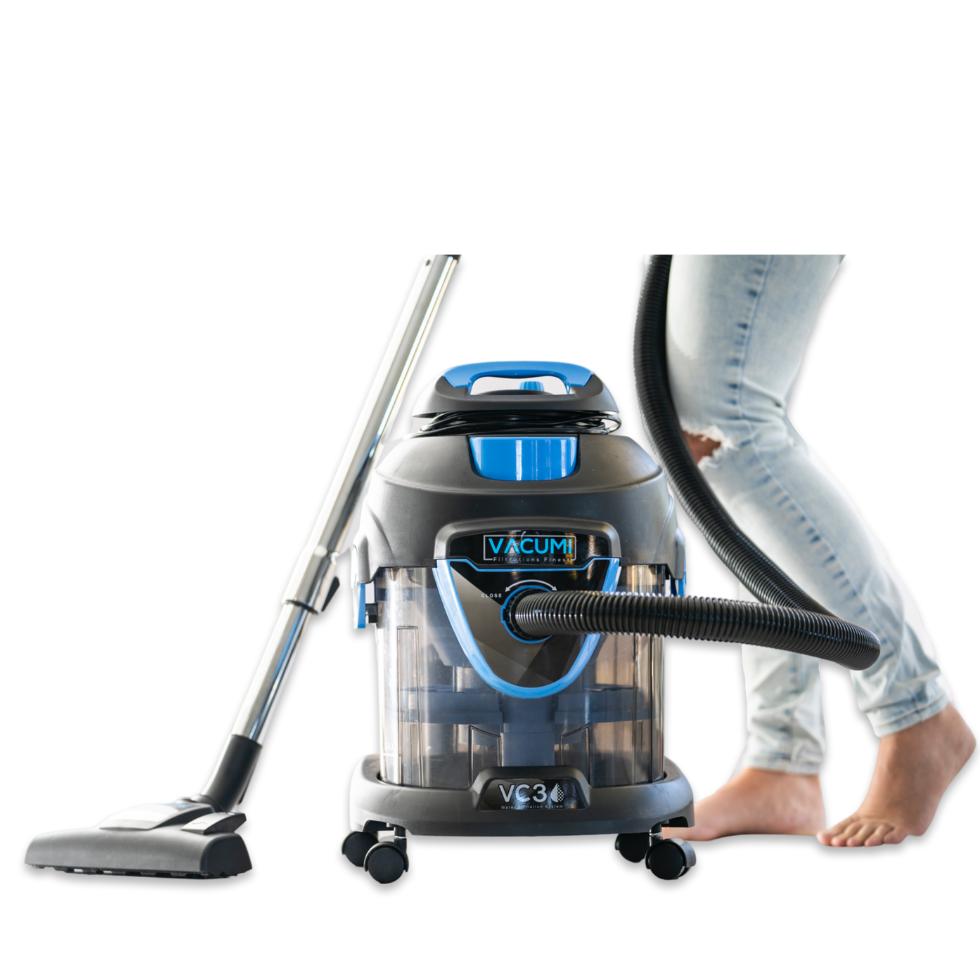
- Vacuuming with a HEPA-filtered vacuum, particularly in bedrooms and on soft furnishings. Research published in the Journal of Asthma (Wu et al., 2012) found that daily mattress vacuuming over 8 weeks reduced total dust mite allergens by approximately 85%.
- Reducing soft furnishings, carpet, and clutter in bedrooms where possible.
A homemade cleaning spray can be a pleasant part of a broader cleaning routine, but it's the combination of hot washing, covers, humidity control, and HEPA vacuuming that does the actual work.
Full Safety Information
Pets. Tea tree, peppermint, eucalyptus, clove, citrus, and several other essential oils are toxic to cats and dogs, in some cases at very low exposures. Cats are particularly vulnerable because they cannot metabolise certain compounds in these oils. If you have pets, consult your vet before using any essential oil in your home. Lavender is often considered one of the gentler options, though individual responses vary — when in doubt, don't spray.
Children. Essential oils are not recommended for use on or near infants, and should be used cautiously in homes with young children. Eucalyptus in particular has documented toxicity in children if ingested. Never apply any essential oil spray to a child's bedding, pillow, or cot. If your child has asthma, consult your GP before using scented sprays in their bedroom, as some essential oils can act as respiratory irritants.
Skin contact. Essential oils are concentrated and can cause contact dermatitis. Do not spray on skin. If skin contact occurs, wash with soap and water. Discontinue use if irritation develops.
Pregnancy. Some essential oils are not recommended during pregnancy. Speak with your GP or midwife before using essential oils at home if you are pregnant.
Storage. Keep the spray bottle labelled, out of reach of children and pets, and stored away from heat sources.
Allergies and sensitivities. Anyone with known allergies or sensitivities to fragrances, essential oils, or plant extracts should not use this spray. A patch test — spraying a small amount on a hidden area and waiting 24 hours — is sensible before wider use.
When a Homemade Spray Won't Be Enough
A cleaning spray alone will not resolve a dust mite problem. If you or your family are experiencing ongoing allergy symptoms, a comprehensive approach is usually needed.
If symptoms are persistent, worsening, or affecting sleep or daily life, it's worth booking an appointment with your GP or allergist. They can help identify triggers, assess whether testing is appropriate, and guide a management plan tailored to your situation.
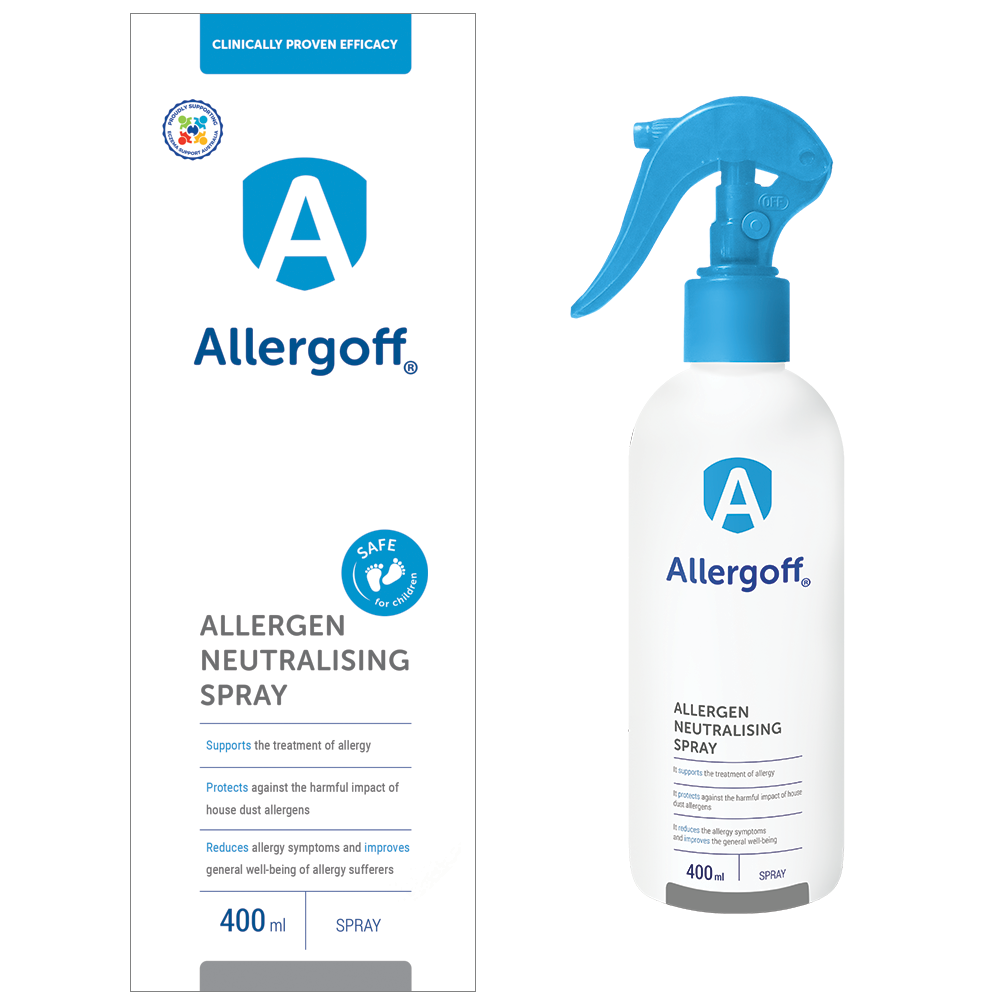
Severe infestations may need professional pest control. For specifically formulated allergen-neutralising products, look for ones with clear labelling about what they contain and what they're certified to do.
Related guides
- How to reduce dust mites in your home — comprehensive guide
- How to reduce dust mites naturally
- Is dust mite spray effective?
- Humidity, mould and dust mites
- Dust mite life cycle explained
References
- El-Zemity S, Hussien R, Saher F, Ahmed Z. (2006). "Acaricidal activities of some essential oils and their monoterpenoidal constituents against house dust mite, Dermatophagoides pteronyssinus (Acari: Pyroglyphidae)." Journal of Zhejiang University Science B, 7(12):957-962. PubMed Central
- Arlian LG. (1992). "Water balance and humidity requirements of house dust mites." Experimental and Applied Acarology, 16(1-2):15-35. PubMed
- McDonald LG, Tovey E. (1992). "The role of water temperature and laundry procedures in reducing house dust mite populations and allergen content of bedding." Journal of Allergy and Clinical Immunology, 90(4 Pt 1):599-608. PubMed
- Arlian LG, Neal JS, Morgan MS, et al. (2001). "Reducing relative humidity is a practical way to control dust mites and their allergens in homes in temperate climates." Journal of Allergy and Clinical Immunology, 107(1):99-104. PubMed
- Halken S, Høst A, Niklassen U, et al. (2003). "Effect of mattress and pillow encasings on children with asthma and house dust mite allergy." Journal of Allergy and Clinical Immunology, 111(1):169-176. PubMed
- Wu FF, Wu MW, Pierse N, Crane J, Siebers R. (2012). "Daily vacuuming of mattresses significantly reduces house dust mite allergens, bacterial endotoxin, and fungal β-glucan." Journal of Asthma, 49(2):139-143. PubMed