Skip to content


If you’re noticing discomfort in your sleep environment, your bedding is one of several factors people often review. Dust mite covers are designed to create a barrier between you and the bedding where dust mites and their allergens commonly build up over time.

At Dust Mite Allergy Solutions Australia, we stock dust mite mattress protectors, pillow protectors, and quilt protectors designed for allergy-aware homes.
Looking for the right place to start? Most people begin with the dust mite mattress protector collection, then add pillow protectors and a quilt or doona protector to create a more complete sleep barrier.
What are dust mite covers?
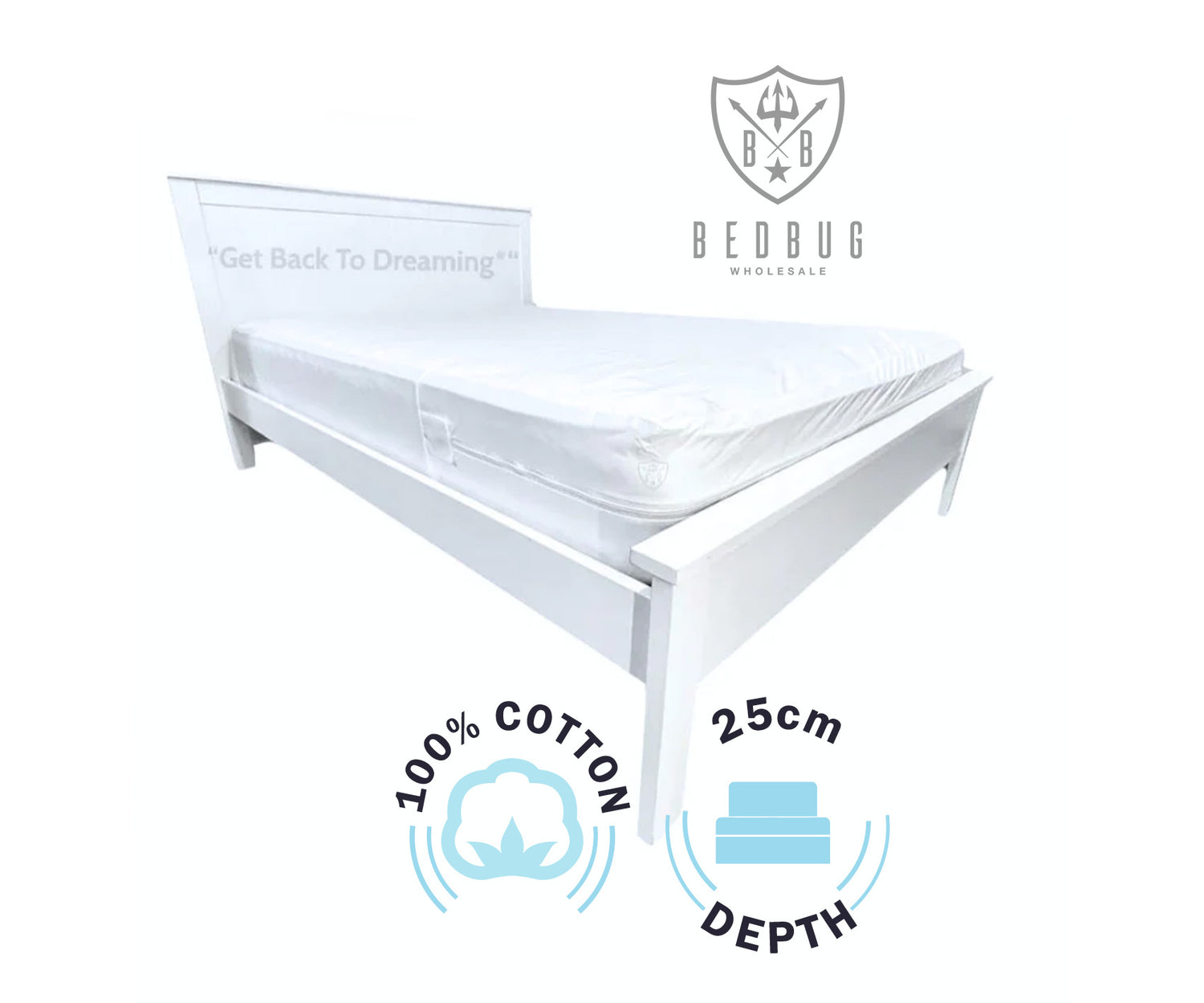
Dust mite covers are protective covers designed to go over mattresses, pillows, and quilts to help create a barrier between you and the bedding underneath. You may also see them called dust mite encasements, allergen barrier covers, or allergy bedding protectors.
They are especially useful in bedrooms because mattresses, pillows, and quilts are some of the main places dust mites and their allergens can accumulate over time. Instead of relying on surface cleaning alone, a properly fitted cover adds a physical layer between you and the sleep surface you use every night.
If you are comparing options, start here:
How do dust mite covers work?
Dust mite covers work by creating a barrier between you and the mattress, pillow, or quilt underneath. This matters because bedding can hold dust mite debris and other fine particles that tend to build up over time.
They add a barrier between you and the bedding
A cover sits over the mattress, pillow, or quilt so you are not lying directly on the original surface. This adds a practical layer between you and the original bedding surface that you spend several hours on each night.
They help contain what is already inside the bedding
Dust mite allergens are commonly associated with settled dust inside bedding. A well-designed encasement can help limit the movement of these particles from the bedding into your sleep environment.
They support a more complete allergy-aware bedding setup
Many people start with the mattress because it is the largest item in the bed, then add pillow and quilt protection for more complete coverage. If your symptoms seem strongest overnight or first thing in the morning, protecting all three can make more sense than protecting only one.
Want the most complete setup? Pair a dust mite mattress protector with a pillow protector and quilt protector so the main bedding surfaces are all covered.
Which dust mite cover should I buy?
The best dust mite cover for you depends on what you are trying to protect, how your bed is used, and whether breathability, waterproofing, or natural fibres matter most to you.
Choose a mattress protector if you want the biggest impact first
Your mattress is the largest dust-holding item in the bed, which is why a dust mite mattress protector is often the first product people buy. It is usually the best starting point if you want to create a barrier over the main sleep surface.
Choose a pillow protector if symptoms feel strongest around your face
If you want to extend coverage to the bedding closest to your face, a dust mite pillow protector is often a smart next step. Pillows sit very close to your nose and mouth, so many people prefer to protect them early.
Choose a quilt or doona protector for fuller top-layer coverage
A dust mite quilt or doona protector adds another layer between you and the bedding you sleep under every night. This can be especially useful if you want a more complete bedding system rather than protecting only the mattress.
Choose waterproof if you need protection from spills too
For children, pets, guest beds, or accident-prone households, waterproof options can be practical because they help protect against spills and day-to-day mess as well as general bedding wear.
Choose cotton or natural fibres if comfort and feel are your priority
Some households prefer cotton or natural-fibre options because they value breathability, softness, and a more familiar fabric feel.
Mattress, pillow and quilt protectors: what is the difference?
Mattress protectors
Dust mite mattress protectors and encasements cover the mattress itself. They are often the foundation of an allergy-aware bedding setup because the mattress is the biggest item in the bed and the hardest to wash.
Pillow protectors
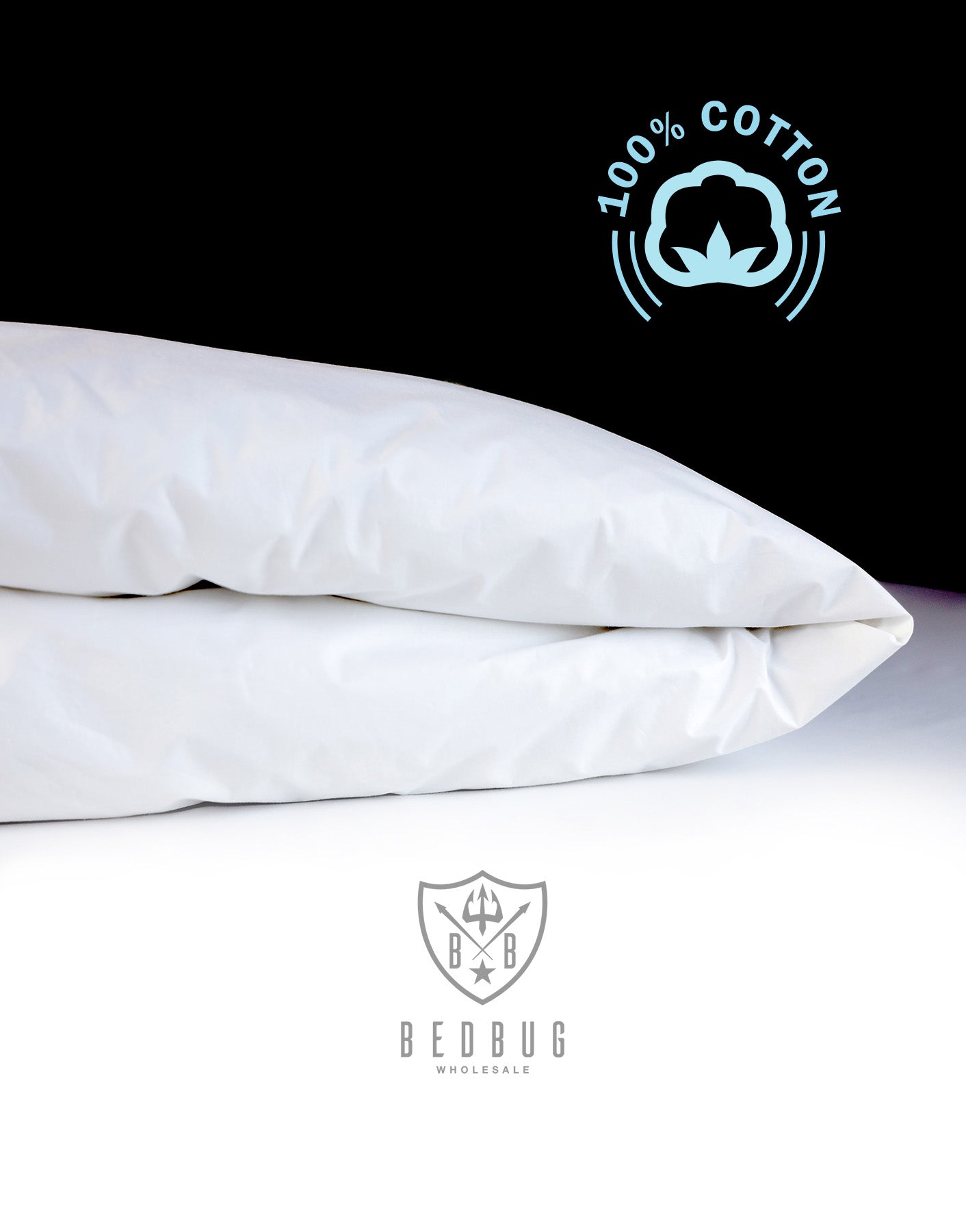
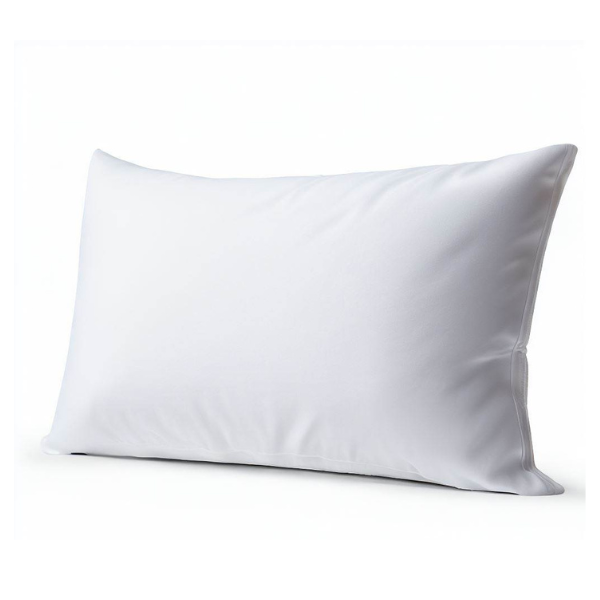
Pillow protectors cover one of the closest-contact bedding items in the bed. They are easy to add and can make a lot of sense if your pillow is old, hard to clean, or used every night without extra protection underneath the pillowcase.
Quilt and doona protectors
Quilt and doona protectors cover the bedding layer on top of you. They are useful if you want to reduce direct contact with the quilt or doona itself and build a more complete sleep barrier.
Regular protectors vs full encasements
Some protectors are mainly designed for spills, stains, or general mattress care, while full encasements are designed to cover the entire item with a zip closure. If you are specifically shopping for dust mite bedding protection, it is worth checking whether the product is a fitted protector or a full encasement before you buy.
What to look for before you buy
Not all dust mite covers are the same. A few small details can make a big difference in day-to-day use.
1. The right size and depth
The cover should fit your mattress, pillow, or quilt properly. A poor fit can make the cover harder to use and less comfortable. Always measure carefully, especially if you have a mattress topper or a deeper mattress.
2. A secure zipper or closure
If you are buying a full encasement, check that the zipper and closure are designed to create complete coverage with as few gaps as possible.
3. Fabric feel
Some people prioritise softness and breathability, while others want waterproof protection. Think about who is sleeping on the bed and what matters most for comfort and practicality.
4. Ease of care
Machine-washable products are usually the easiest to live with long term. Before buying, check the care instructions and how often the product needs washing.
5. Everyday use
In homes with kids, pets, or guest turnover, durability and waterproofing may matter more. In other homes, a breathable cotton option may be the better fit.
Need help narrowing it down? Start with the dust mite mattress protector collection, then add pillow protection if you want coverage closer to the face, or a doona protector for fuller coverage across the whole bed.
Care and washing
Care instructions vary by product, so always follow the label first. In general, mattress encasements do not need washing as often as sheets or pillowcases because they sit underneath your regular bedding and are not always in direct contact with skin. Some may only need washing every 6 to 12 months depending on the product and how they are used.
If the cover is not visibly dirty, some products may also be suitable for steam cleaning, but this depends on the manufacturer instructions and fabric type.
Frequently asked questions
What are dust mite covers designed to do?
Dust mite covers are designed to create a barrier between you and the bedding underneath. They are commonly used as part of an allergy-aware bedroom setup, especially on mattresses, pillows, and quilts.
Should I start with the mattress or pillow?
If you want to start with one product, most people begin with a dust mite mattress protector because the mattress is the largest sleep surface. If your symptoms feel strongest around your face, adding a pillow protector is also a sensible step.
Can I use a dust mite cover with a mattress topper?
Yes, but you will need to choose the right depth and fit. Measure the full mattress height, including any topper, before ordering.
Are waterproof dust mite covers available?
Yes. Some options combine dust mite barrier protection with waterproofing, which can be useful in homes with children, pets, or guest beds.
Are organic or natural-fibre options available?
Some dust mite covers are made from natural fibres such as cotton. These can appeal to households looking for comfort, breathability, or natural-fibre bedding materials.
Can I use a regular mattress protector instead?
Regular protectors are often designed mainly for spills and mattress care. If you are shopping specifically for dust mite bedding protection, check whether the product is designed as a fitted protector or a full encasement with a zip closure.
Are dust mite covers suitable for hotels, dorms, or travel?
They can be a practical option anywhere you want an extra layer between you and the bedding, including guest rooms, student accommodation, and travel setups.
What are the best dust mite covers in Australia?
The best dust mite covers in Australia will depend on what you need most: breathability, waterproofing, full encasement, cotton feel, easy washing, or complete bed coverage. A good place to start is by choosing the bedding item you want to protect first, then comparing product features from there.
Shop dust mite covers in Australia
If you are ready to build a more allergy-aware bed, explore our full range of dust mite mattress protectors, dust mite pillow protectors, and dust mite quilt and doona protectors. Whether you want to start with one product or protect the whole bed, this collection is designed to help you compare the right options more easily.
This information is general product guidance only. If you have a diagnosed allergy, asthma, or other medical condition, please speak with your GP or allergist for personal advice.