Skip to content


Free printable
Room-by-room dust mite checklist
Everything on this page boiled down to one A4 page you can stick on the fridge: weekly, monthly and every-few-months jobs for the bedroom, kids' rooms, living areas and the whole home. Every tip is sourced to Australian guidance from ASCIA and peer-reviewed research.
Download the checklist (PDF) →Last reviewed October 2026 by the team at Dust Mite Allergy Solutions
On this page
The short answer
You can't get rid of every dust mite, but you can cut their numbers a lot. A few steady habits do most of the work, and the bed is the place to start.
- Cover the bed. Zippered dust mite covers on the mattress, pillows and quilt.
- Wash bedding weekly at 60°C or hotter, and dry it fully.
- Keep humidity under 50% with fresh air, exhaust fans or a dehumidifier.
- Vacuum weekly with a HEPA vacuum, including the mattress and sofa.
- Fewer fabrics, less clutter, especially in bedrooms.
Why the bed comes first
Dust mite allergen doesn't hang in the air. It's carried on relatively heavy particles, about 20 microns across, that only get into the air when bedding or furniture is disturbed, and they settle again within about 15 minutes (de Blay et al., 1991). So the place to tackle it is where it settles and builds up: the bed you spend eight hours a night in. That's why covering the mattress and pillows does more than anything you do to the air.
Dust mite cleaning schedule
Here's the whole routine on one table. Save it, screenshot it, or download the printable checklist.
| Every week |
|
|---|---|
| Every 2 months |
|
| Every 3 to 6 months |
|
| Humid months |
|
Whole-home basics
No single product or habit controls dust mites on its own. Moisture, fabric, skin flakes and dust all play a part, so a few small changes together beat one big one. These basics apply to every room.
Keep humidity down
Dust mites get their water from the air. Keep it dry and they struggle to breed.
- Aim for under 50% humidity indoors. A hygrometer tells you where you are
- Use a dehumidifier or your air-con's dry mode in rooms that stay damp
- It works: homes kept under 51% humidity for 17 months had about 98% fewer live mites and more than 10 times less allergen than humid homes (Arlian et al., 2001)
Vacuum the right way
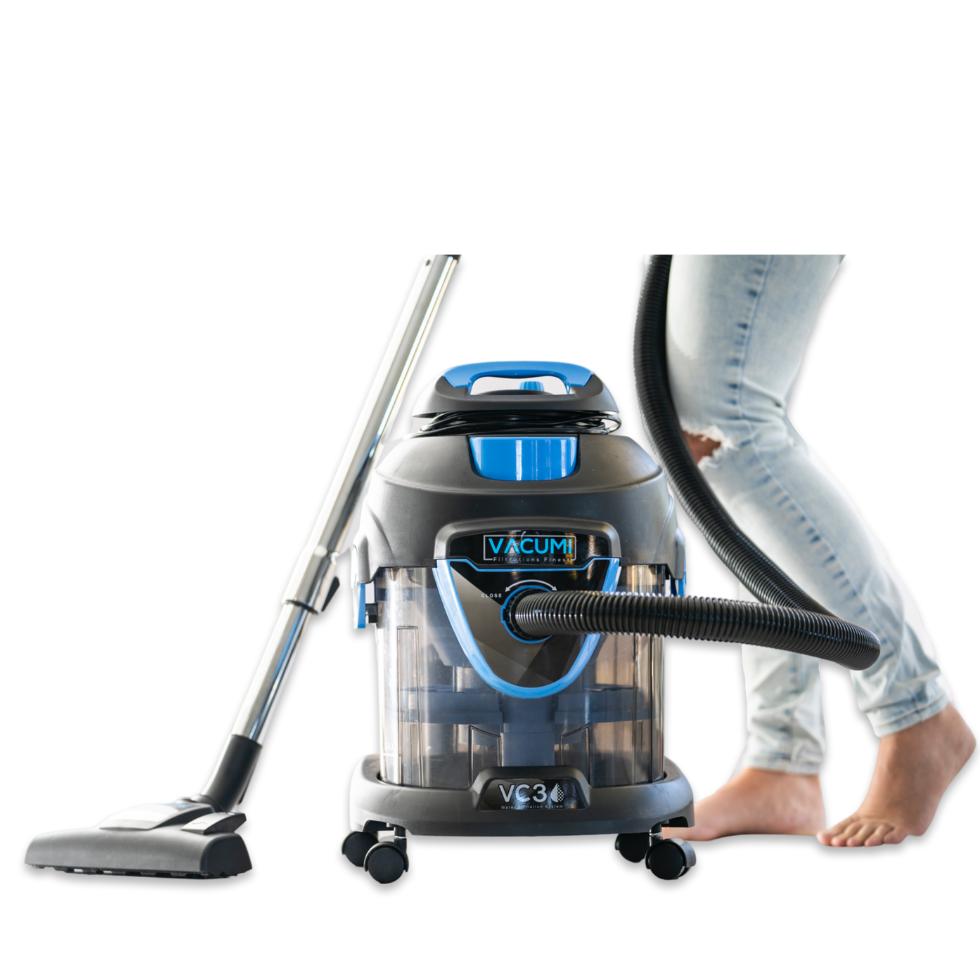
- Vacuum weekly with a HEPA vacuum, including carpets, rugs, under beds and soft furniture
- Vacuuming stirs allergen into the air, so if you're the sensitive one, leave the room while someone else does it, and for a little while after (National Asthma Council)
- No vacuum removes mites completely (ASCIA). It lowers the load, which is why it's one step of several
Floors and carpet
- Hard floors are easier to keep low in dust than wall-to-wall carpet. If you're renovating, start with bedrooms
- Keeping carpet? Vacuum weekly and steam clean every few months where the carpet allows
Curtains and blinds
- Blinds you can wipe are easier than heavy fabric curtains
- Curtains: vacuum both sides, and wash or steam them every few months
Where air purifiers fit
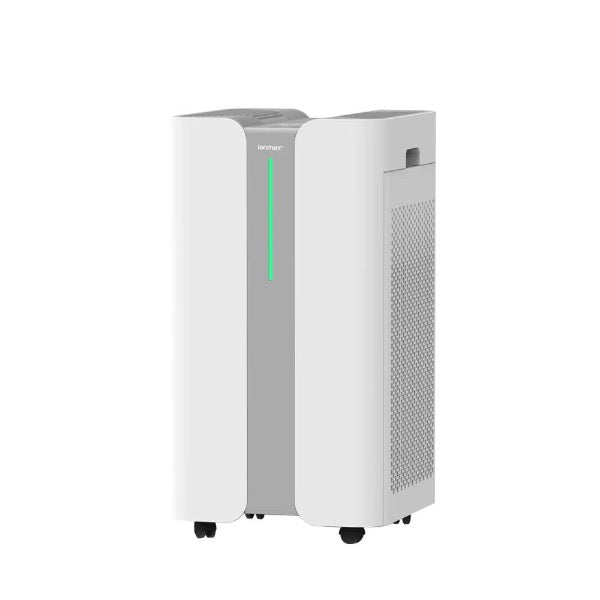
An air purifier with a HEPA filter catches fine particles in the air. Most mite allergen sits in bedding, carpet and furniture though, so a purifier is an extra on top of the basics, not a replacement. Do air purifiers work for dust mites?
How to reduce dust mites in your home, room by room
Each room starts with the top three things to do. Tap “Show the full guide” for the detail.
Bedroom
Your bed is the biggest dust mite hotspot in the house: warm, a little damp, and full of skin flakes. Start here.

Top 3 things to do
- Cover the mattress, pillows and quilt with zippered dust mite covers. Wash the covers every two months.
- Wash sheets and pillowcases weekly at 60°C or hotter. Can't hot-wash it? Tumble dry on hot for at least 10 minutes.
- Vacuum the mattress each time you change the sheets, then pull the covers back so the bed can air.
Common myth
“Cold washing is pointless.”
Hot water is what kills the mites. But a cold wash still removed more than 90% of the allergen from bedding, so washing helps at any temperature you can manage.
McDonald & Tovey, Journal of Allergy and Clinical Immunology, 1992
Show the full bedroom guide
The mattress
- Vacuum it with a HEPA mattress vacuum. Vacuuming a mattress every day for 8 weeks cut dust mite allergen by about 85% (Wu et al., 2012)
- Keep it dry. Air the bed each morning before you make it
- Step-by-step: how to reduce dust mites in your mattress
Covers
- In a year-long trial, mattress and pillow covers gave a lasting drop in mite allergen in the mattress (Halken et al., 2003)
- Look for zippered covers that fully enclose the mattress or pillow, not just a top layer
- Choosing one: dust mite covers explained
Washing
- Sheets and pillowcases weekly at 60°C or hotter, where the care label allows
- Can't hot-wash? Tumble dry hot for 10 minutes or more, or use a laundry product with eucalyptus or tea tree oil (see low-tox options)
- How often, and at what temperature: bedding washing guide
Pillows and quilt
Products for the bedroom


Living room
Sofas, cushions and rugs are the biggest mite reservoirs outside the bedroom.

Top 3 things to do
- Vacuum the sofa and carpet weekly, getting into seams and crevices where skin flakes collect.
- Wash removable cushion covers in hot water and dry them fully.
- Damp-dust from the top down: fans and shelves first, then lower surfaces, then the floor.
Common myth
“An air purifier will take care of it.”
Purifiers catch particles floating in the air, but mite allergen only becomes airborne when something is disturbed, and settles again within about 15 minutes. Most of it sits in bedding and soft furnishings, so a purifier helps most alongside vacuuming and humidity control.
de Blay et al., Journal of Allergy and Clinical Immunology, 1991
Show the full living room guide
Sofa and cushions
- Vacuum all surfaces, including under the cushions
- Wash removable covers in hot water where the label allows
- Steam cleaning can help where the fabric suits it
- More on sofas: how to reduce dust mites in your sofa
Rugs and carpet
- Dust mites in carpet: what helps and what doesn't
If dust sets you off
- Wear a mask while dusting, or hand dust-disturbing jobs to someone else
- Use a damp or microfibre cloth. Dry dusting sends particles into the air
- Clean air vents and air-con filters regularly
- Less clutter means fewer surfaces for dust to settle on
Products for the living room


Kids' room
Kids spend long hours sleeping and playing on soft surfaces, and soft toys gather mites fast.

Top 3 things to do
- Cover kids' mattresses and pillows with dust mite covers, just like an adult bed.
- Keep a few favourite toys on the bed and store the rest in closed containers.
- Wash soft toys hot, or seal them in a bag and freeze overnight, then wash to remove the allergen.
Common myth
“Vacuuming soft toys is enough.”
Mite allergen built up 10 to 20 times in brand-new soft toys within four months. Washing the toys brought it down; vacuuming them didn't.
Nagakura et al., Clinical and Experimental Allergy, 1996
Show the full kids' room guide
Soft toys
- Wash in hot water where the label allows
- Can't wash it hot? Freeze it overnight in a sealed bag, then wash at a cooler temperature. Freezing cut live mites by about 95% in one study, but it doesn't remove allergen, so the wash matters (Chang et al., 2011)
- More: soft toys and dust mites
Bedding
- Wash sheets and pillowcases weekly, hot where suitable
- Washable, lighter bedding is easier to keep on a hot-wash routine
Products for the kids' room

Kitchen
Top 3 things to do
- Use the rangehood or open a window when you cook. Steam raises humidity through the whole house.
- Wash tea towels and dishcloths often in hot water, and let them dry fully.
- Wipe surfaces with a damp cloth rather than dry dusting.
Common myth
“The kitchen doesn't matter.”
Kitchens are easy to clean, but cooking steam adds moisture to the whole house, and damp fabrics like tea towels can hold mites.
Show the full kitchen guide
- Use a microfibre cloth on benches, shelves and appliances
- Store food in sealed containers and wipe up crumbs
- Wash oven mitts and fabric chair pads along with the tea towels
Products for the kitchen

Bathroom
Top 3 things to do
- Run the exhaust fan during showers and until the mirror clears.
- Wash bath mats and towels hot and often, and dry them fully.
- Clean visible mould promptly with bleach or a mould cleaner (ASCIA).
Common myth
“Mould and dust mites are the same problem.”
Both love damp air, but they're different allergens. Lower humidity helps with both, but mould that's already there needs cleaning off.
ASCIA Allergen Minimisation, 2024
Show the full bathroom guide
- Use a washable shower curtain and wash it regularly
- Bathrooms without a fan may need a small dehumidifier
- More: humidity, mould and dust mites
Products for the bathroom
Dust mites in Australian homes
Australia is good dust mite country. ASCIA notes that mites are more common in coastal cities and towns, where the air holds more moisture, than in drier inland areas (ASCIA, 2024).
- Humid summers matter most. In coastal Queensland and New South Wales, indoor humidity often sits well above 50% from late spring to early autumn. That's when a dehumidifier or the air-con's dry mode does the most good
- Skip evaporative coolers and unflued gas heaters if dust mites are a problem. Both add water to the air, which can raise mite and mould levels (ASCIA)
- Use the sun on dry days. Airing bedding in sunlight is part of the National Asthma Council's advice
- Watch out after wet weather. Long rainy spells push indoor humidity up even in winter
More detail: dust mite allergy in Australia, when dust mites are most active.
Low-tox options that work
You don't need harsh chemicals to keep mites down. The methods with the best evidence are mostly heat, cold, dry air and good washing.
- Hot water: 60°C or hotter for anything that can take it
- The freezer: overnight in a sealed bag for soft toys and small items, then a wash
- The dryer: a hot tumble dry of 10 minutes or more (ASCIA). In one study, an hour of hot drying cut live mites in soft toys by about 89% (Chang et al., 2011)
- Eucalyptus or tea tree oil in the wash: for things you can't wash hot, ASCIA suggests a laundry product containing these oils. In the same study, washing soft toys in a weak eucalyptus oil solution cut live mites by about 95% and also lowered allergen (Chang et al., 2011)
- Sunshine and fresh air: air bedding outside on dry days (National Asthma Council)
Eucalyptus and tea tree oil are poisonous if swallowed. Keep the bottles out of reach of children, and rinse well.
More detail: how to reduce dust mites naturally, do dust mite sprays work?.
Where dust mites live, and why
Dust mites like it warm and humid. They breed fastest at about 23–30°C (Arlian & Dippold, 1996).
They don't drink. They soak up water from the air, so they need humidity above about 65–70% to thrive. Below 50%, active mites survive less than two weeks (Arlian, 1992).
They feed on shed skin flakes, which is why they build up in beds, sofas, carpets and curtains.

Where you'll find the most
- Mattresses, pillows, quilts and sheets
- Sofas, cushions and upholstered chairs
- Carpets and rugs
- Soft toys
- Curtains
- Pet beds
Where they struggle
- Dry, well-ventilated rooms
- Hard floors and wipeable surfaces
- Homes that are vacuumed and dusted regularly
- Drier inland areas
Frequently asked questions
Can you get rid of dust mites completely?
Not completely. Dust mites live in almost every home. But you can cut their numbers a lot: homes kept below 51% humidity for 17 months had about 98% fewer live mites.
What's the fastest way to reduce dust mites?
Start with the bed. Put zippered covers on the mattress and pillows and wash sheets and pillowcases at 60°C or hotter. That tackles the biggest mite hotspot in the house.
Do dust mites bite?
No. Dust mites don't bite or burrow. They feed on shed skin flakes. If you're waking up with bites, something else is the cause. See bites: bed bugs or dust mites?
Can you see dust mites?
No. They're about a quarter to a third of a millimetre long, too small to see without a microscope (AAFA). More in every dust mite question answered.
Does washing at 40°C kill dust mites?
Not reliably. Water of 55°C or hotter killed all the mites in bedding. Cooler washes still remove most of the allergen but leave live mites. If you can't wash hot, tumble dry on hot for 10 minutes or more, or use a laundry product with eucalyptus or tea tree oil.
Does vacuuming get rid of dust mites?
It helps, but it doesn't remove them completely. Daily mattress vacuuming cut allergen by about 85% in one study. Vacuuming also stirs allergen into the air, so the sensitive person should leave the room while it's done.
Do air purifiers help with dust mites?
They catch fine particles in the air, but most mite allergen sits in bedding, carpet and furniture. Use a purifier on top of covers, washing and humidity control, not instead of them.
Does freezing soft toys kill dust mites?
Yes, mostly. Freezing overnight cut live mites by about 95% in one study. It doesn't remove allergen, so wash the toy afterwards.
Can I print this for my clinic or practice?
Yes. The checklist and an A3 waiting-room poster are free to print and share. See for clinics and health professionals.
Not sure where to start?
Take the quick quiz to find the most suitable products for your household and allergy situation.
Take the quiz →For clinics and health professionals
Allergy clinics, GPs, pharmacists and practice nurses are welcome to use our printable resources with patients, free of charge. They carry our name, but there's no product promotion, no prices and no cost.
- A4 patient checklist: a one-page, room-by-room take-home sheet. Download the PDF
- A3 waiting-room poster: the same advice in poster form, with a QR code that brings patients back to this guide. Get in touch and we'll send you the print-ready file
Every tip is sourced to ASCIA's Allergen Minimisation guidance (April 2024) and peer-reviewed research, listed in full below. Both resources carry a general-information disclaimer and send patients back to their own doctor for medical advice.
If you'd like to point patients to this guide, you're welcome to link to it from your patient resources page. We review it regularly and keep the references up to date.
References
Authority guidance
- Australasian Society of Clinical Immunology and Allergy (ASCIA) — Allergen minimisation (updated April 2024) and the Allergen Minimisation FAQ (PDF, 2024)
- Mayo Clinic — Dust mite allergy: diagnosis and treatment
- Asthma and Allergy Foundation of America — Dust mite allergy
- National Asthma Council Australia — Dust mites trigger my asthma
Peer-reviewed research
- Arlian LG. (1992). Water balance and humidity requirements of house dust mites. Experimental and Applied Acarology, 16(1-2):15–35. PubMed
- McDonald LG, Tovey E. (1992). The role of water temperature and laundry procedures in reducing house dust mite populations and allergen content of bedding. Journal of Allergy and Clinical Immunology, 90(4):599–608. PubMed
- de Blay F, Heymann PW, Chapman MD, Platts-Mills TA. (1991). Airborne dust mite allergens: comparison of group II allergens with group I mite allergen and cat-allergen Fel d I. Journal of Allergy and Clinical Immunology, 88(6):919–926. PubMed
- Arlian LG, Dippold JS. (1996). Development and fecundity of Dermatophagoides farinae. Journal of Medical Entomology, 33(2):257–260. PubMed
- Nagakura T, Yasueda H, Obata T, et al. (1996). Major Dermatophagoides mite allergen, Der 1, in soft toys. Clinical and Experimental Allergy, 26(5):585–589. PubMed
- Arlian LG, Neal JS, Morgan MS, et al. (2001). Reducing relative humidity is a practical way to control dust mites and their allergens in homes in temperate climates. Journal of Allergy and Clinical Immunology, 107(1):99–104. PubMed
- Halken S, Høst A, Niklassen U, et al. (2003). Effect of mattress and pillow encasings on children with asthma and house dust mite allergy. Journal of Allergy and Clinical Immunology, 111(1):169–176. PubMed
- Wu FF, Wu MW, Pierse N, Crane J, Siebers R. (2012). Daily vacuuming of mattresses significantly reduces house dust mite allergens, bacterial endotoxin, and fungal β-glucan. Journal of Asthma, 49(2):139–143. PubMed
- Chang CF, Wu FF, Chen CY, Crane J, Siebers RW. (2011). Effect of freezing, hot tumble drying and washing with eucalyptus oil on house dust mites in soft toys. Pediatric Allergy and Immunology, 22(6):638–641. PubMed