Skip to content


Short answer: You cannot see dust mites directly, but common signs may include symptoms that feel worse at night or in the morning, visible dust build-up, and discomfort that seems stronger in the bedroom. Dust mites are microscopic and commonly live in mattresses, pillows, bedding, and other soft furnishings. Their waste particles and body fragments can act as allergens for some people.
Do you wake up with a blocked nose, itchy eyes, coughing, or irritation that seems worse overnight? If that sounds familiar, your bed and bedroom environment may be part of the picture.
We spend around a third of our lives in bed, so even small environmental triggers can become noticeable over time. Dust mites are microscopic organisms commonly found in homes, especially in mattresses, pillows, bedding, carpets, and upholstered furniture. While they are invisible to the naked eye, the allergen particles associated with them may contribute to discomfort in some people, particularly those who are allergy-sensitive.
If your symptoms are worse in bed but improve when you are away from the bedroom, that pattern may suggest something in your sleeping environment is contributing. Dust mites are one possible factor worth considering.
Looking for a practical place to start?
Your mattress and pillow are the surfaces you are in closest contact with each night. Protective covers can help create a barrier between you and common household allergens while you sleep.
What are dust mites?
Dust mites are microscopic arthropods related to spiders and ticks. They do not bite or sting. Instead, they feed on shed skin cells from humans and pets.
Because skin cells naturally collect in soft furnishings, dust mites are commonly found in:
- Mattresses
- Pillows
- Bedding
- Carpets
- Upholstered furniture
- Curtains
They tend to thrive in warm, humid environments, which is one reason beds can become an ideal place for them to live.
Dust mites themselves are harmless, but proteins found in their waste particles and body fragments can act as allergens for some people. Their presence is also not a sign of poor hygiene. Dust mites exist in almost all homes, including homes that are cleaned regularly.
How do you check for dust mites in your bed?

Because dust mites are too small to see without magnification, people usually identify them through symptoms, patterns, and bedroom conditions rather than direct observation.
1. Symptoms feel worse at night or in the morning
One of the most common clues is timing. If symptoms become more noticeable while you are in bed or soon after waking, your sleeping environment may be contributing.
Possible signs include:
- Sneezing
- A runny or blocked nose
- Itchy, watery, or irritated eyes
- Throat irritation or coughing
- General skin irritation in sensitive individuals
If symptoms ease during the day and return overnight, bedroom allergens such as dust mites may be one factor involved.
For a broader overview of allergy-related patterns, read How to Spot and Diagnose a Dust Mite Allergy.
2. Breathing discomfort seems worse during sleep
For people with asthma or respiratory sensitivities, dust mite allergens are widely recognised as a common indoor trigger, with exposure potentially contributing to symptoms such as coughing, wheezing, or breathing discomfort in sensitive individuals (ALA). Symptoms can feel more noticeable at night because of prolonged exposure to bedding and reduced airflow in the bedroom.
If breathing discomfort, coughing, or chest irritation seems stronger while sleeping, it may be worth reviewing your bedding, cleaning routine, and bedroom environment.
3. There is visible dust in the bedroom
Dust mites themselves cannot be seen, but visible dust build-up may indicate conditions where they are more likely to thrive. Dust under the bed, on the headboard, around curtains, or on nearby soft furnishings can suggest the need for more frequent cleaning and improved airflow.
Simple next step:
If symptoms seem worse in bed, start with the highest-contact areas first: your mattress, pillow, and bedding.
Bed bugs or dust mites: what is the difference?
Bed bugs and dust mites are often confused, but they are not the same thing.
Bed bugs are visible pests that may leave bites, marks, or stains on bedding. Dust mites are microscopic and do not bite. Unlike bed bugs, dust mites are more commonly associated with allergen exposure rather than visible skin bites.
Dust mites are usually linked with ongoing symptoms such as sneezing, congestion, itchy eyes, coughing, or irritation that seems worse overnight. Bed bugs are more often linked with obvious bites and visible signs around the bed.
If you are unsure which issue you may be dealing with, read our guide to bed bugs or dust mites.
Why managing dust mites matters
For people who are sensitive to dust mite allergens, ongoing exposure may aggravate symptoms such as congestion, coughing, irritation, or disturbed sleep.
That matters because disturbed sleep from allergy symptoms can affect energy, mood, and focus the following day. Managing dust mite levels is not about eliminating every dust mite completely. It is about reducing exposure in the areas that matter most so your bedroom feels cleaner, more comfortable, and easier to manage.
How do I reduce dust mites in my bedroom?
The most effective approach is usually a combination of reducing moisture, cleaning consistently, and focusing on soft furnishings where dust mites tend to collect.
Lower indoor humidity
Dust mites absorb moisture from the air. Lowering indoor humidity below 50% may make the environment less favourable for them. Dust mites struggle below about 45–50% humidity.
Helpful strategies include:
- Using a dehumidifier
- Improving ventilation
- Monitoring humidity with a hygrometer
Wash bedding regularly
Wash sheets, pillowcases, and blankets regularly in hot water where suitable for the fabric. If hot washing is not appropriate, tumble drying on higher heat for a short period may also help, depending on care instructions.
Reduce clutter around the bed
Soft toys, decorative pillows, and extra textiles can collect dust. Limiting these items, especially on the bed, may help reduce allergen build-up in the sleeping area.
For a fuller step-by-step guide, read How to Get Rid of Dust Mites.
Managing dust mites in the bed
If you suspect dust mites may be contributing to discomfort, the goal is to reduce your exposure where contact is closest and longest.
1. Use dust mite barrier covers
Mattress, pillow, and box spring encasements create a physical barrier between you and the inside of the mattress or pillow, where allergens can build up over time.
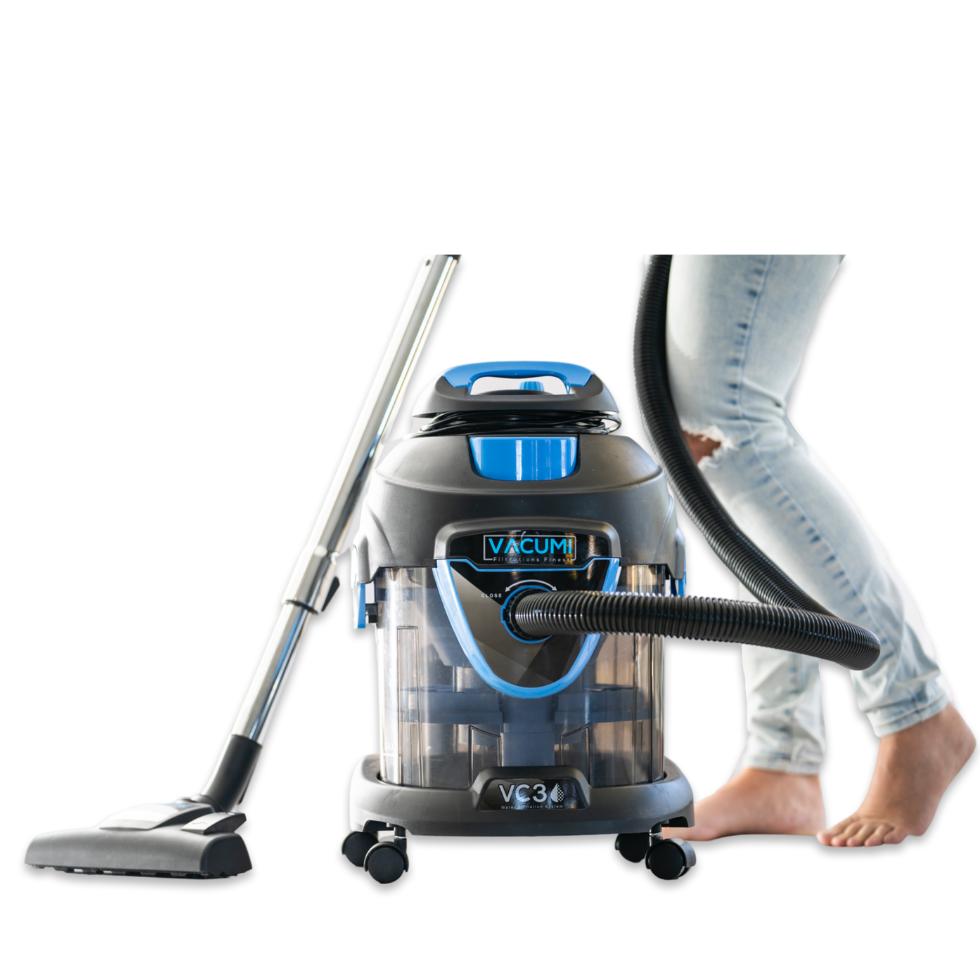
2. Vacuum with a HEPA filter
Vacuuming mattresses, rugs, floors, and surrounding soft furnishings with a vacuum that uses a HEPA filter may help capture finer particles more effectively than standard vacuum filtration.
3. Use household sprays with care
Some households use sprays as part of a broader dust mite management routine. These products may help temporarily on surfaces, but they work best alongside washing, encasing, cleaning, and humidity control.
Important note: Always follow product directions. Essential oils and cleaning products may not be suitable for every household, especially those with pets, young children, or respiratory sensitivities.
4. Consider an air purifier
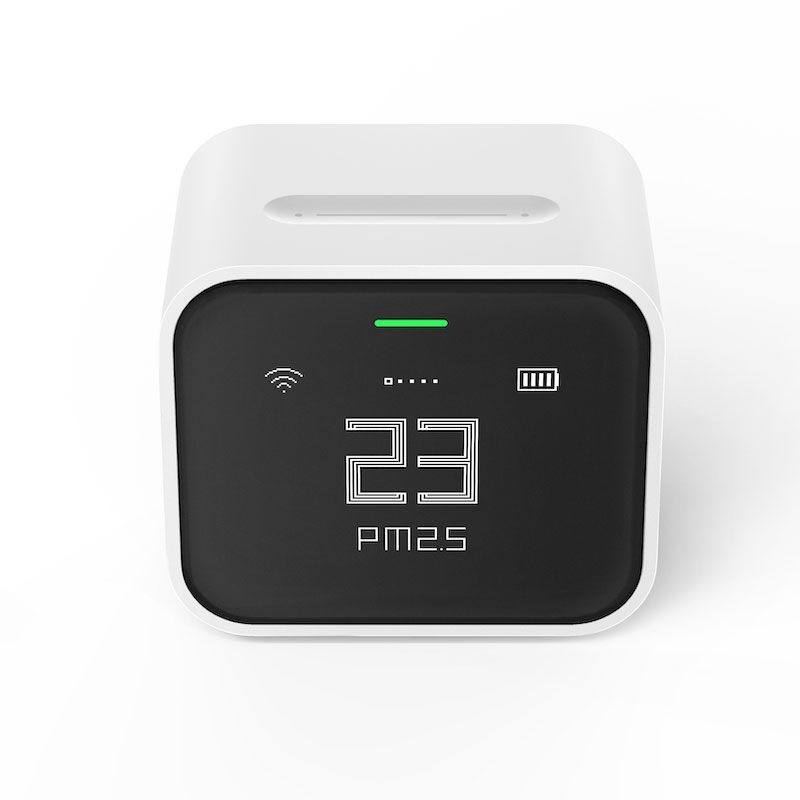
Air purifiers do not remove dust mites from mattresses, but they may help reduce airborne particles that become disturbed when you make the bed or move around the room.
Products that can help
Because dust mites tend to live deep inside mattresses, pillows, carpets, and upholstery, products that create a physical barrier or help reduce allergen build-up are often used as part of a broader approach.
Protectors and encasements
Create a barrier between you and common allergen build-up inside mattresses and pillows.
HEPA vacuums
Useful for cleaning mattresses, floors, rugs, and nearby soft furnishings more effectively.
Dust mite sprays
Can be used as part of a wider routine alongside washing, cleaning, and barrier protection.
Air purifiers
May help support cleaner indoor air in bedrooms where particles are disturbed during daily use.
Creating a more comfortable sleep environment
Dust mites are a normal part of many homes, but that does not mean you cannot reduce your exposure. Small, consistent steps such as lowering humidity, washing bedding regularly, cleaning thoroughly, and using protective covers may help make the bedroom feel more comfortable over time.
Instead of aiming for perfection, focus on creating a sleep environment that is easier to keep clean and easier to live with. That is often the most realistic and sustainable approach.
Frequently asked questions
Can you see dust mites with a UV light?
No. Dust mites cannot be seen with a standard UV light or black light. They are microscopic and translucent. Seeing them directly requires magnification.
How long do dust mites live in a mattress?
An individual dust mite may live for around 2 to 4 months, but populations can remain present for much longer where warmth, humidity, and a food source are available.
Is it better to make the bed or leave it unmade?
Letting the bed air out for a while in the morning may help reduce trapped moisture, which creates a less favourable environment for dust mites.
Does sunlight kill dust mites?
Direct sunlight and heat may help reduce dust mites on removable bedding and soft items, but they will not reach deep inside a thick mattress.
Can air purifiers help with dust mites?
They can help with airborne particles that become disturbed in the room, but they work best alongside physical barriers and regular cleaning.
What is the best place to start if I think dust mites are affecting me?
For many households, the most practical starting point is the mattress, pillow, and bedding, because these are the surfaces you are in closest contact with each night.
Further reading
Disclaimer
This article is for general information only and is not intended as medical advice. If you or your child experience persistent or severe symptoms, seek advice from a qualified healthcare professional.