Skip to content


Eczema can be challenging to live with. For many families, managing it well is an ongoing process that involves working with healthcare providers, following prescribed treatments, and looking at the broader environment — including the bedroom.
This article focuses on the bedroom-environment side of things: how some households support a more comfortable sleep environment alongside their medical care plan. It is not a guide to treating eczema, and the products mentioned are not eczema treatments. For diagnosis and treatment, your GP or dermatologist is the right first step.
Eczema is a complex condition — and bedroom comfort is one part of the picture
Eczema is influenced by many factors, including genetics, immune response, skin barrier function, and environmental triggers. Managing it well is rarely about finding any single product. It usually involves working with a healthcare team, following the treatment plan they recommend, and looking at the broader environment alongside it.
Bedroom comfort — fabric choice, allergen exposure, humidity, sleep environment — is one supportive consideration that some families find worth attention. It is not a substitute for medical care.
Things to discuss when reviewing an eczema management plan
If you feel your current routine isn't getting the results you'd hoped for, the most useful next step is usually a conversation with your prescribing doctor or dermatologist. Here are some areas they may explore with you. These aren't fixes you should apply on your own — they're starting points for a conversation with a qualified professional.
Possible environmental triggers
Eczema flare-ups may be associated with environmental factors such as dust mite allergens, pet dander, heat, sweat, certain fabrics, or harsh detergents. The Australasian Society of Clinical Immunology and Allergy (ASCIA) notes that identifying and reducing relevant triggers can be an important part of eczema management for some people. Allergy testing — through your GP or an allergist — is the way to find out which triggers are relevant for you specifically.
Routine consistency
Eczema management is usually a daily practice. Your dermatologist or GP can advise on what should stay consistent in your routine and what flexibility is possible.
Product ingredients
Many mainstream skincare, laundry and bathing products contain fragrances, dyes, preservatives or surfactants that can affect sensitive skin. A pharmacist, GP, or dermatologist can help you read labels and identify ingredients that may be worth discussing.
Prescribed treatments
If a doctor has prescribed topical treatments, those work best when used as directed. If you have concerns about any prescribed treatment — including how to use it, how often, or whether it's still the right approach — please raise these directly with your prescribing doctor. They can answer questions and adjust the plan if needed.
Skin protection from scratching
Scratching can damage the skin barrier, which can make symptoms more difficult. Breaking this cycle generally needs medical guidance combined with broader supportive steps. Your doctor or dermatologist can advise on what's appropriate for your situation, particularly for children.
Supporting a more comfortable sleep environment
Sleep disruption is one of the harder parts of living with eczema, particularly for children, and a comfortable bedroom environment can make night-time easier. The general comfort and environmental considerations below are areas where this site has experience — they're supportive measures rather than treatments. Discuss with your healthcare provider which (if any) of these may be suitable for your situation.
Keep the bedroom cool and well-ventilated
Heat and sweat can be uncomfortable for sensitive skin. A cooler bedroom, breathable bedding, and good airflow may support a more comfortable sleep environment. Moderate humidity may also help make the room less hospitable to dust mites, for households where dust mite allergens are a known concern.
Reducing dust mite allergen exposure (for those sensitised)
For people who are allergic or sensitised to dust mite allergens — confirmed by allergy testing through a GP or allergist — reducing exposure during sleep may help reduce contact with a known trigger. This is a general environmental measure, not an eczema treatment.
The most research-supported steps for reducing dust mite allergens in bedding are:
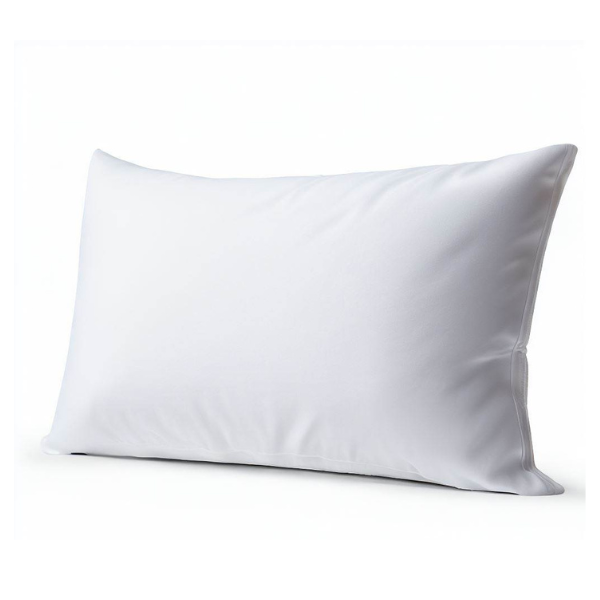
- Using dust mite mattress protectors and pillow protectors with a tight weave that helps create a physical barrier against allergens. A 2003 randomised controlled trial in the Journal of Allergy and Clinical Immunology (Halken et al., 2003) found that mattress and pillow encasings produced a significant long-term reduction in dust mite allergen concentrations over 12 months.
- Washing bedding weekly in hot water, around 60°C or above, where fabric care instructions allow. Research by McDonald and Tovey (1992) found that water temperatures of 55°C or above are effective for reducing dust mite populations in bedding fabrics.
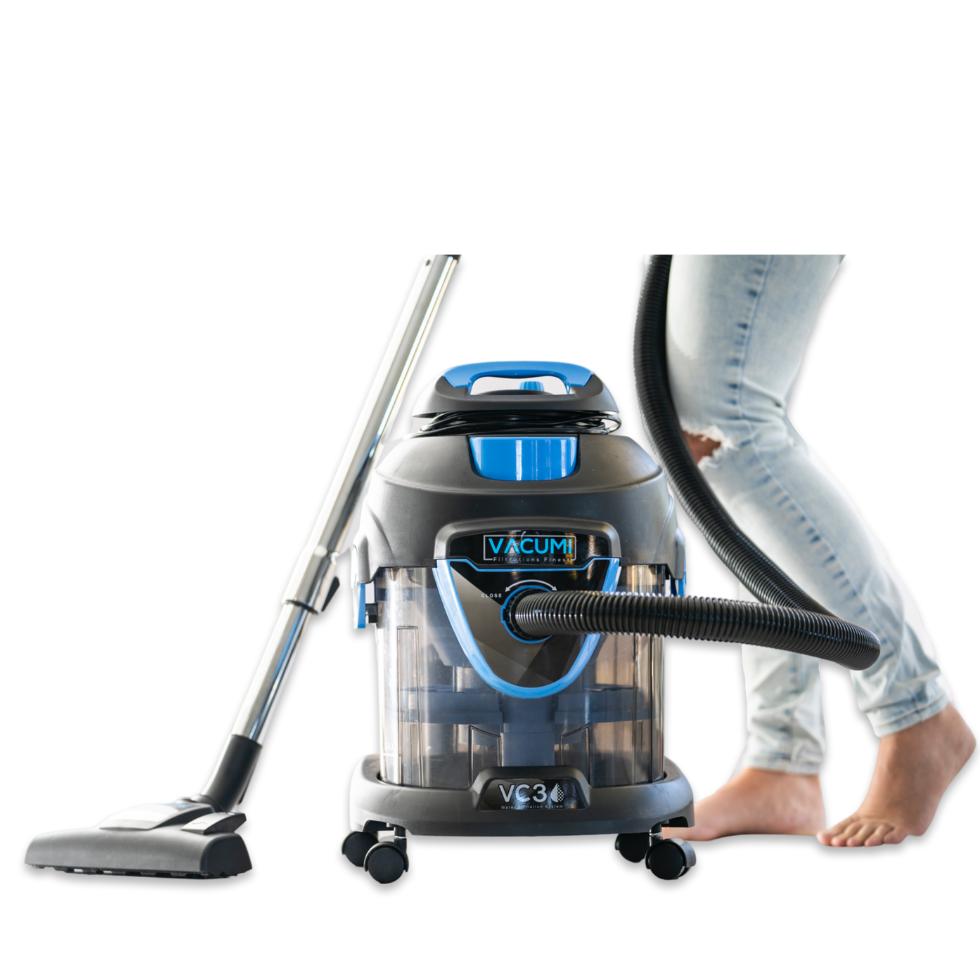
- Vacuuming mattresses, carpets and soft furnishings regularly using a vacuum with HEPA filtration where possible.
- Keeping indoor humidity moderate — research by Arlian et al. (2001) found that homes maintaining indoor humidity below 51% over 17 months saw dust mite populations decline by approximately 98%. A dehumidifier can help in humid conditions.
These steps work alongside, not instead of, the treatment plan from your doctor. They are most relevant for households where dust mite allergens have been identified as a trigger — for households without that confirmation, your GP can advise whether allergy testing is worthwhile.
Choosing breathable, soft bedding and sleepwear
Soft, breathable fabrics are generally more comfortable against sensitive skin than rough or heat-trapping synthetics. Many families with sensitive-skin members prefer natural fibres such as cotton or bamboo for bedding and sleepwear.
This is a comfort consideration. Fabric choice doesn't treat eczema, but a more comfortable fabric is often easier to live with for people who experience skin sensitivity. For more on bedding choices, see our guide on bedding for sensitive skin.
Scratching and skin protection
Short, filed fingernails may cause less damage when scratching happens. For children who scratch heavily overnight, some parents use protective sleepwear with enclosed hands or mittens to reduce skin damage while asleep.
Whether mittens or scratch-protection sleepwear is appropriate depends on your child's specific situation and the underlying care plan. Please ask your child's paediatrician, dermatologist, or child health nurse — this is a question that needs to be answered for your child individually, not generically.
A calming pre-sleep routine
A consistent wind-down routine can help signal to the body that it's time to rest. Common elements include a lukewarm (not hot) bath, applying moisturiser or any prescribed treatment as directed by your doctor, dim lighting, and quiet activities such as reading.
Hot baths can strip moisture from the skin and may worsen itching, so moderate water temperature is generally preferred.
If itching regularly disrupts sleep despite good bedroom habits and a consistent skincare routine, raise this with your doctor. There are a range of options — adjusting moisturiser frequency, prescription treatments, or allergy testing — and the right path depends on the individual. Please don't try to manage persistent overnight itching without medical input, particularly for children.
Frequently asked questions
Can dust mites cause eczema?
Dust mites do not directly cause eczema. For people who are allergic or sensitised to dust mite allergens, exposure may trigger or worsen flare-ups. Not everyone with eczema is allergic to dust mites. Allergy testing through your GP is the way to identify whether dust mites are a relevant trigger for you or your child.
What bedding is best for eczema?
This is best discussed with your dermatologist, as the right answer depends on individual triggers and sensitivities. As a general comfort consideration, soft, breathable natural fibres such as cotton and bamboo are often preferred by people with sensitive skin. For people with confirmed dust mite allergies, allergen-barrier mattress and pillow protectors may help reduce overnight exposure to a known trigger.
How often should I wash bedding if someone in the house has eczema?
Weekly washing in hot water, around 60°C or above where fabric care instructions allow, is a common recommendation when dust mite allergens are a concern. Pillowcases may benefit from more frequent washing. Always follow the care instructions on your specific bedding, and discuss your overall routine with your doctor or dermatologist.
Should I use a humidifier or dehumidifier?
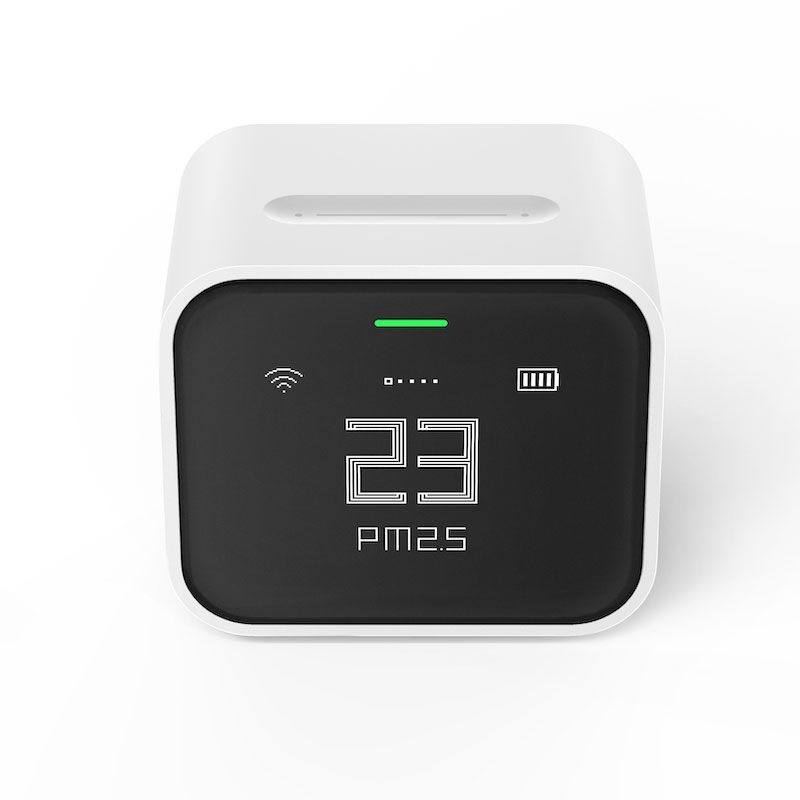
This depends on your climate and individual triggers, and is best discussed with your doctor. Dry air can be uncomfortable for some people with eczema, while humid air can encourage dust mite populations, which may be a trigger for others. A hygrometer (humidity meter) is a useful first step to see what your indoor conditions actually are.
Are there products that treat eczema?
Eczema treatments include emollients, prescribed topical medications, and other treatments that should be discussed with your GP or dermatologist. Bedroom-environment products such as bedding, mattress covers, and air quality items are not eczema treatments — they are comfort and household products that some families find supportive alongside their medical care plan. If you're looking for treatment options, please speak with a healthcare professional.
My child scratches at night. What should I do?
Persistent night-time scratching is something to discuss with your child's paediatrician or dermatologist. They can help identify what's driving the itching and recommend appropriate next steps for your child specifically. Generic advice from articles is not a substitute for individualised medical guidance for a child.
Related guides
- What bedding works well for sensitive skin
- How to reduce dust mites in your home — comprehensive guide
- Soft toys and dust mites — guidance for parents
- Humidity, mould and dust mites
References
Peer-reviewed research (dust mite allergen reduction)
- McDonald LG, Tovey E. (1992). "The role of water temperature and laundry procedures in reducing house dust mite populations and allergen content of bedding." Journal of Allergy and Clinical Immunology, 90(4 Pt 1):599-608. PubMed
- Arlian LG, Neal JS, Morgan MS, et al. (2001). "Reducing relative humidity is a practical way to control dust mites and their allergens in homes in temperate climates." Journal of Allergy and Clinical Immunology, 107(1):99-104. PubMed
- Halken S, Høst A, Niklassen U, et al. (2003). "Effect of mattress and pillow encasings on children with asthma and house dust mite allergy." Journal of Allergy and Clinical Immunology, 111(1):169-176. PubMed
Patient information resources (eczema)
- Australasian Society of Clinical Immunology and Allergy (ASCIA) — Eczema (Atopic Dermatitis). allergy.org.au