Skip to content


Dust mites are one of the most common indoor particle sources in homes, yet because they are invisible to the naked eye, it's easy to forget they are there. Understanding how dust mites live and what conditions they prefer can help you take practical steps to reduce their build-up over time.
Learning about their life cycle and the specific conditions that help populations grow makes it easier to focus on the changes that actually matter for bedroom cleanliness.
In this guide, we'll walk you through the dust mite life cycle (drawing on peer-reviewed entomology research), when populations tend to grow, and practical bedroom care strategies you can apply at home.
What Are Dust Mites?
House dust mites (Dermatophagoides farinae and Dermatophagoides pteronyssinus) are microscopic, eight-legged organisms related to ticks and spiders. Unlike their relatives, they don't bite, sting, or burrow into our bodies. They are scavengers.
Dust mites feed primarily on the dead skin cells (dander) that humans and pets shed every day. Because we shed skin continuously, our homes — particularly beds, upholstered furniture, and carpets — provide the conditions and food source dust mites need.
The fine particles dust mites produce are commonly associated with indoor sensitivities. A protein found in their waste and decaying body fragments is the main particle of interest. When disturbed by vacuuming, making the bed, or walking on carpet, these particles can become airborne.
The Dust Mite Life Cycle
Understanding dust mite biology helps you focus on the practical steps that make the most difference. The life cycle of a dust mite is short but rapid, allowing populations to grow quickly under favourable conditions.
Research published in the Journal of Medical Entomology (Arlian & Dippold, 1996) established detailed life cycle figures for the American house dust mite. At a typical bedroom temperature of 23°C, dust mites took an average of 35.6 days to develop from egg to adult. At warmer temperatures (30°C), this dropped to just 17.5 days — meaning populations can grow approximately twice as fast in warmer rooms.
Dust mites pass through five major life stages on the way to becoming reproductive adults.
1. Egg Stage
The cycle begins when an adult female lays an egg. The Arlian & Dippold (1996) study found that female dust mites produce an average of 65 eggs across a reproductive period of about 34 days. Eggs are typically laid within the warm fibres of mattresses, carpets, and soft furnishings, where conditions are favourable for development.
2. Larva Stage
Once the egg hatches, a six-legged larva emerges. This is the only life stage where the mite has six legs instead of eight. Larvae are already mobile at this tiny stage and begin feeding on the microscopic skin flakes and other organic matter found in household dust.
3. Nymph Stages
After feeding and growing, the larva moults (sheds its skin) and enters the nymph stage. This stage is divided into two phases: the protonymph and the tritonymph. During these phases, the mite develops its eight legs and continues to grow.
The protonymph stage is also notable for its resilience: research by Arlian (1992) in Experimental and Applied Acarology found that protonymphs can form a desiccation-resistant stage that survives for months at humidity levels too low for active mite stages. This explains why dust mite populations can recover after dry periods.
4. Adult Stage
Finally, the nymph moults one last time to become an adult mite. Female dust mites have an average reproductive period of about 34 days, with the ability to live for considerably longer afterwards (Arlian & Dippold, 1996). During the reproductive period, females focus on feeding and egg-laying.
Because the cycle from egg to adult takes around 35 days at typical bedroom temperature, dust mite populations can grow quickly in favourable conditions — and even faster in warmer rooms.
When Are Dust Mites Most Active?

Dust mite activity varies with environmental conditions. A landmark study by Arlian (1992) established that dust mites don't drink water — instead, they absorb moisture from the air through specialised glands on their bodies. This biological need makes humidity and temperature the two biggest drivers of dust mite activity.
Humidity
Humidity is the single most important factor in dust mite activity.
- Active growth: Above approximately 65-70% relative humidity, dust mites can extract enough water from the air to maintain reproduction and population growth (Arlian, 1992).
- Survival range: Populations can persist comfortably at moderate humidity levels, with growth declining as humidity drops.
- Less favourable conditions: At or below 50% relative humidity, active dust mites do not survive longer than 6-11 days (Arlian, 1992). A follow-up study by Arlian and colleagues (2001) found that homes maintaining indoor humidity below 51% over 17 months saw dust mite populations decline by approximately 98% — and allergen levels became more than 10 times lower than in higher-humidity homes.
Shop Dehumidifiers
Temperature
Dust mites prefer the same temperatures humans do, which is why indoor environments suit them well.
- Active growth and reproduction occur most readily at temperatures around 23°C–30°C (73°F–86°F), with the highest reproductive rates at the warmer end of this range (Arlian & Dippold, 1996).
- At extreme temperatures — both very low (around 16°C) and very high (35°C and above) — few eggs complete development to adulthood.
- Hot water washing is a long-established practical method for reducing dust mites in fabrics. Research by McDonald and Tovey (1992) found that water temperatures of 55°C or above are effective for reducing dust mite populations in bedding.
Time of Year
Dust mites live indoors year-round, but their populations often peak during humid summer months when conditions favour rapid reproduction. Indoor sensitivities can sometimes feel more noticeable in winter, when homes are sealed up, heating circulates dust, and people spend more time indoors with the particles that built up during humid summer and autumn months.
How to Reduce Dust Mites in Your Home
Dust mites cannot be completely removed from a home, but you can meaningfully reduce their build-up by changing the environment they live in. Disrupting their preferred conditions and reducing their build-up points are the most practical approaches.
Here are the most widely recommended strategies:
1. Wash Bedding Weekly in Hot Water
Beds tend to be the largest build-up point for dust mites because they provide warmth, moisture, and a steady food source.
- Wash sheets, pillowcases, and blankets weekly.
- Temperature matters: Research by McDonald and Tovey (1992) found that water temperatures of 55°C or above are effective for reducing dust mite populations in bedding. Most Australian guidance recommends washing at 60°C, which provides a margin above the scientific threshold. Always follow care labels.
- The same study found that even cold-cycle washing reduced allergen levels by more than 90%, even though it doesn't kill mites — so washing has practical value at any temperature.
- If an item can't be washed in hot water, putting it in the dryer on high heat for at least 15 minutes is a commonly recommended alternative.
2. Control Humidity
Since dust mites rely on air moisture, lowering humidity is one of the most practical ways to make conditions less favourable.
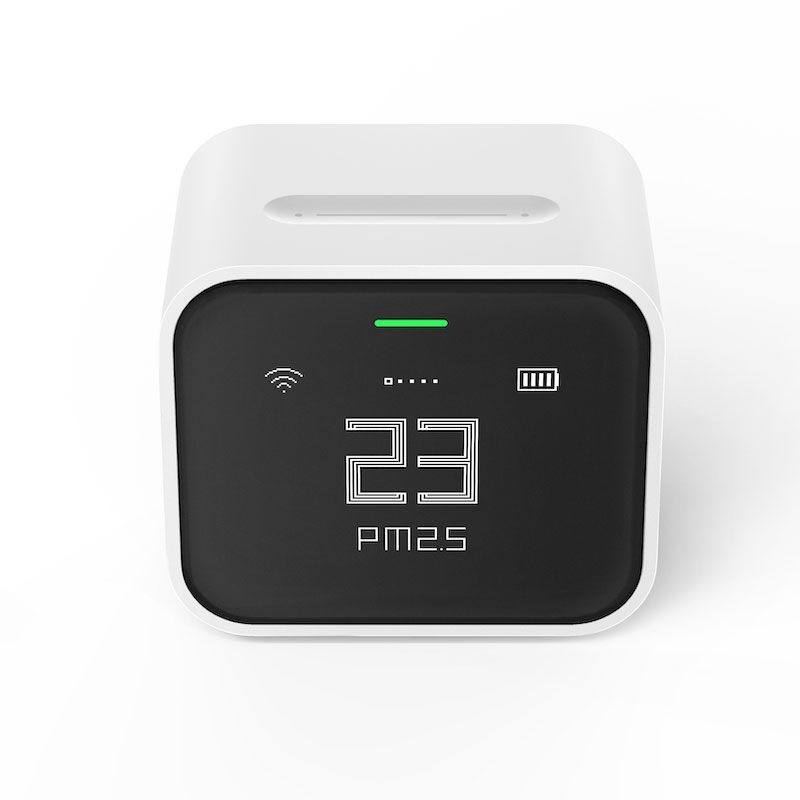
- Use a hygrometer (an inexpensive humidity meter) to monitor your home's humidity levels.
- Aim to keep relative humidity below 50%. Research published in the Journal of Allergy and Clinical Immunology (Arlian et al., 2001) found that maintaining humidity below 51% over 17 months significantly reduced dust mite populations and allergen levels in homes.
- Run air conditioners or dehumidifiers during humid seasons, particularly in bedrooms.
3. Use Dust Mite Covers
If dust mites have built up inside a mattress or pillow, surface vacuuming alone won't reach them.
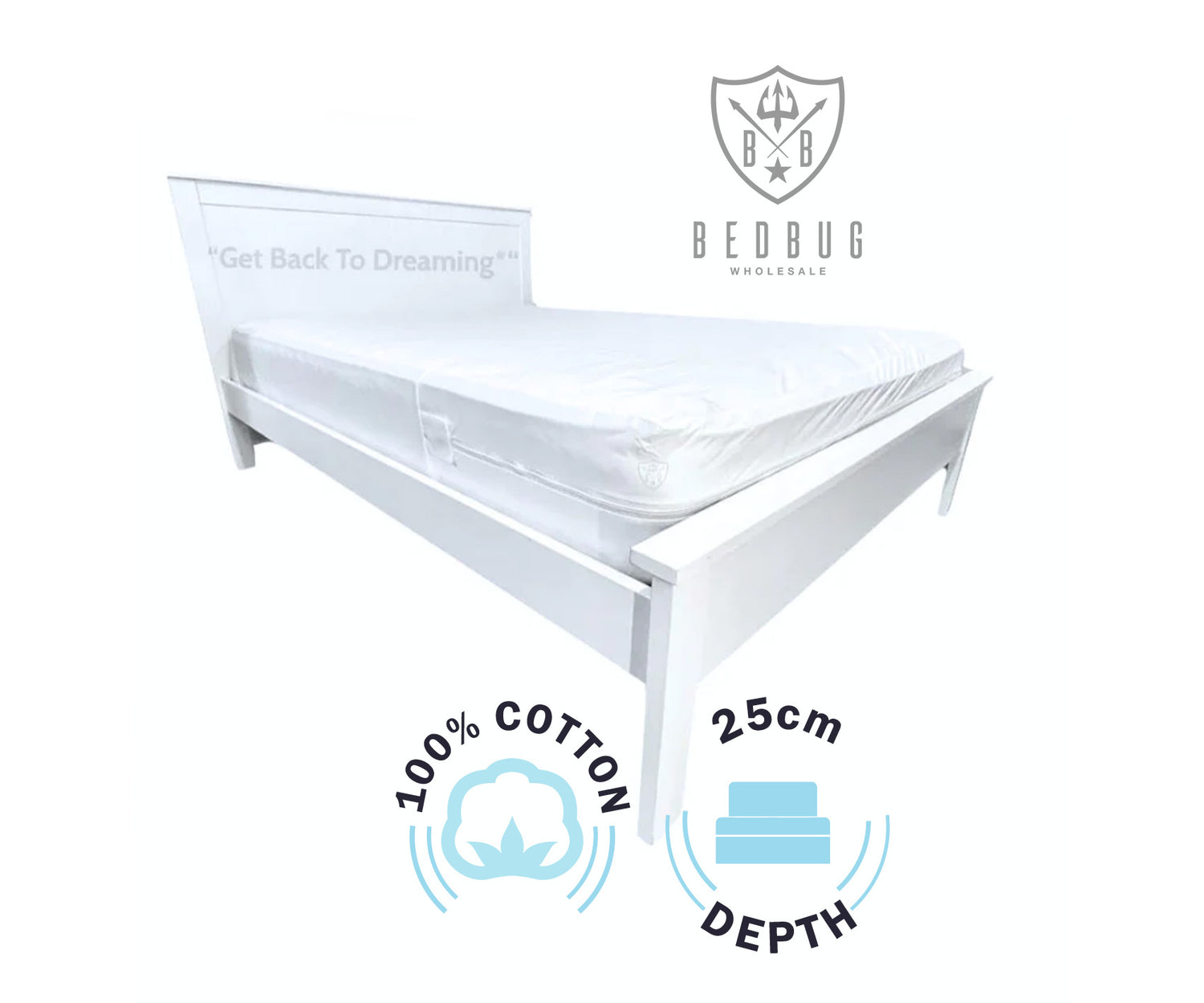
- Cover your mattress, base, and pillows with zippered dust mite covers.
- These covers use tightly woven fabric designed to help limit the movement of dust mite debris and other fine particles between the bedding and the sleep surface.
- A 2003 randomised controlled trial published in the Journal of Allergy and Clinical Immunology (Halken et al., 2003) found that mattress and pillow encasings produced a significant long-term reduction in dust mite allergen concentrations in mattresses over 12 months.
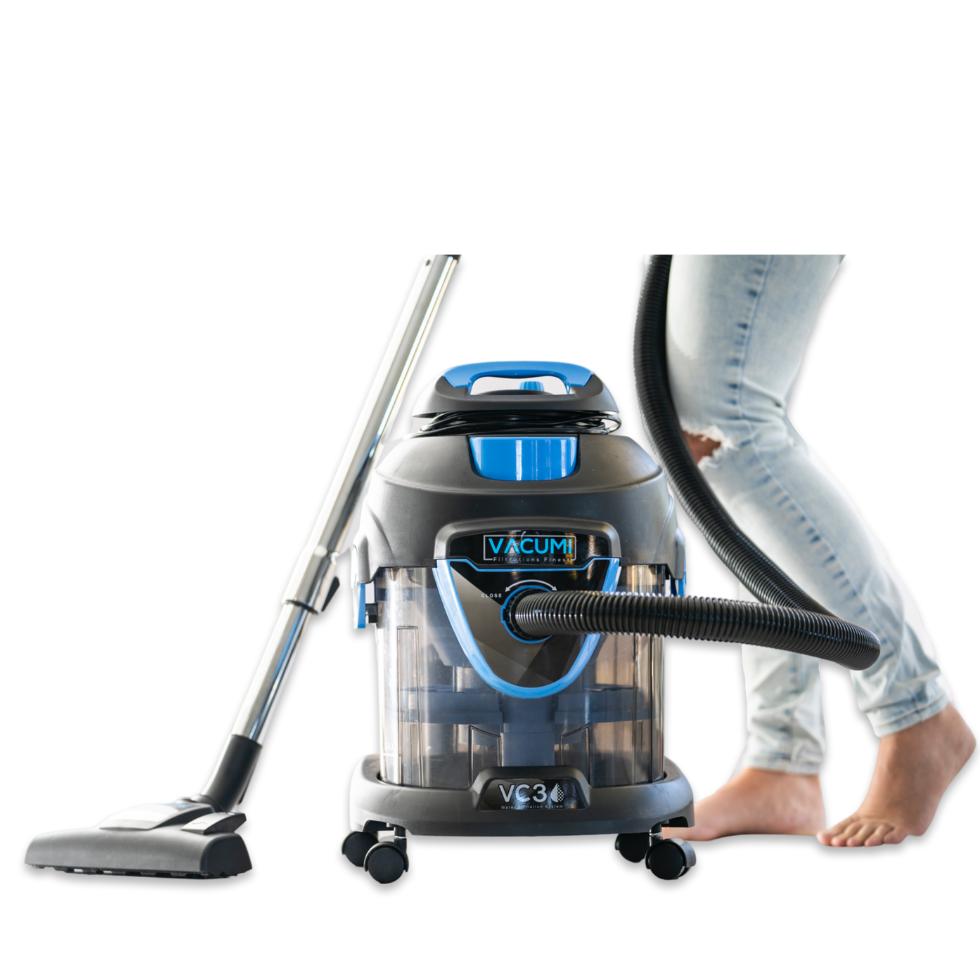
4. Vacuum with a HEPA Filter
Standard vacuums without HEPA filtration can release fine particles back into the air, which is why HEPA matters specifically for sensitive households.
- Use a vacuum equipped with a High-Efficiency Particulate Air (HEPA) filter, designed to capture very fine particles. True HEPA filters meet a defined particle-capture standard.
- Focus on carpets, rugs, and upholstered furniture.
- If you're sensitive to airborne particles, consider wearing a mask while cleaning, or asking someone else to vacuum, as the process can briefly stir up dust before it settles.
5. Declutter and Simplify
Less clutter means fewer surfaces where dust can accumulate.
- Remove "dust catchers" like ornaments, stacks of books, and heavy drapes from the bedroom where practical.
- Where possible, replace wall-to-wall carpeting with hard flooring such as wood, tile, or vinyl, which is easier to keep dust-free.
- Swap heavy curtains for roll-down shades or washable curtains that can be cleaned easily.
Practical Steps to a Cleaner Sleep Environment
Understanding the dust mite life cycle reveals a simple truth: they are resilient, but they are sensitive to environmental change. By altering their environment — particularly by lowering humidity and reducing build-up points — you can meaningfully reduce dust mite populations over time.
Practical changes to bedroom care can make a real difference to how clean and fresh your sleep environment feels. Start with the bedroom: use a mattress cover, wash sheets regularly in hot water, and keep humidity low. These small steps add up over time as part of an allergy-aware bedroom routine.
Related guides
- How to reduce dust mites in your home — comprehensive guide
- Humidity, mould and dust mites
- How to reduce dust mites in your bedroom