Skip to content


Short answer: Dogs can be sensitive to dust mite particles, similar to humans. Common signs include itchy skin, ear issues, and respiratory symptoms — but these signs can have many causes, so accurate diagnosis requires a veterinarian. Practical environmental measures like regular washing of pet bedding in hot water, HEPA-filtered vacuuming, and tightly-woven covers on dog beds can support a vet-led management approach.
If you've noticed your dog scratching more than usual or developing skin issues that don't seem to resolve, you might be wondering whether dust mites are involved. This guide covers what's known about dust mite sensitivity in dogs, how it's typically diagnosed, and what practical environmental steps can support your vet's recommendations.
Can Dogs Be Sensitive to Dust Mites?
Yes, dogs can be sensitive to dust mite particles. Atopic dermatitis (sometimes called environmental allergies) is a recognised condition in dogs, and house dust mites are one of several environmental factors that can be involved. Research published in Veterinary Dermatology and similar veterinary journals has identified house dust mite proteins as common environmental triggers in dogs with atopic skin conditions.
That said, atopic dermatitis in dogs is complex. It can involve dust mites, pollens, mould, food sensitivities, or combinations of these. Many other conditions — including parasites (fleas, mange mites), bacterial or fungal skin infections, food intolerances, contact irritation, and unrelated medical conditions — can produce similar symptoms. This is why proper veterinary diagnosis matters.
Signs to Look For
Common signs that pet owners notice and bring to their vet include:
- Persistent itching or scratching
- Skin irritation, redness, or hair loss in affected areas
- Recurrent ear issues
- Licking or chewing of paws or other body parts
- Skin that seems to flare in particular seasons or environments
Important: All of these signs can have many possible causes. Some causes (like flea allergy, mange, or skin infections) require specific treatments and can become serious if managed incorrectly. Don't assume dust mites are the cause based on symptoms alone — please see your vet for proper diagnosis.
How Is It Diagnosed?
Veterinary diagnosis of atopic dermatitis is typically a process of careful assessment that may include:
- Physical examination by your vet to assess skin condition and rule out other causes
- Skin scrapes or cytology to rule out parasites and infections
- Elimination diet trials to assess food-related causes
- Allergy testing — either intradermal testing or blood (serum IgE) testing — typically performed by veterinary dermatologists
If your vet diagnoses environmental allergies including dust mite sensitivity, they'll typically discuss a management plan tailored to your dog. This might include medication, environmental changes, immunotherapy, dietary adjustments, or combinations of these. The approach is individualised — what works for one dog may not be appropriate for another.
Can Dust Mites Live in Dog Fur?
House dust mites don't typically live directly on dogs. They live in the environment — particularly in fabrics like bedding, carpets, and upholstery — feeding on shed skin cells from humans and pets.
Research by Arlian (1992) in Experimental and Applied Acarology established that dust mites need ambient humidity above approximately 65-70% to maintain their water balance, which means they thrive in soft furnishings rather than on living animals.
However, dust mite particles (faecal matter, body fragments) can become trapped in dog fur when dogs spend time on dust mite habitats like beds, carpets, or sofas. When dogs move or are brushed, these particles can become airborne. This is why allergy-aware households often manage both their human and pet bedding together.
Note that there are other types of mites that can affect dogs directly — including mange mites (Sarcoptes, Demodex) and ear mites (Otodectes). These are different from house dust mites and require veterinary diagnosis and treatment with prescription products. If your dog has visible skin lesions, hair loss in distinct patches, or persistent ear issues, see your vet — these can indicate parasitic conditions that household environmental measures won't address.
Environmental Measures That May Help
For dogs that have been diagnosed with environmental allergies including dust mite sensitivity, environmental measures can support the management plan your vet recommends. The peer-reviewed evidence on dust mite reduction in homes is well-established, and the same general principles apply whether you're managing for humans or pets.
Wash pet bedding regularly in hot water
Research published in the Journal of Allergy and Clinical Immunology (McDonald and Tovey, 1992) found that water at 55°C or above is effective for reducing dust mite populations in bedding. Where the care label allows, washing dog beds and blankets at 60°C weekly is a practical approach. For items that can't tolerate hot washing, the same study found that even cold-cycle washing reduces particle levels by more than 90%, so there's value in regular washing at any temperature your fabric allows.
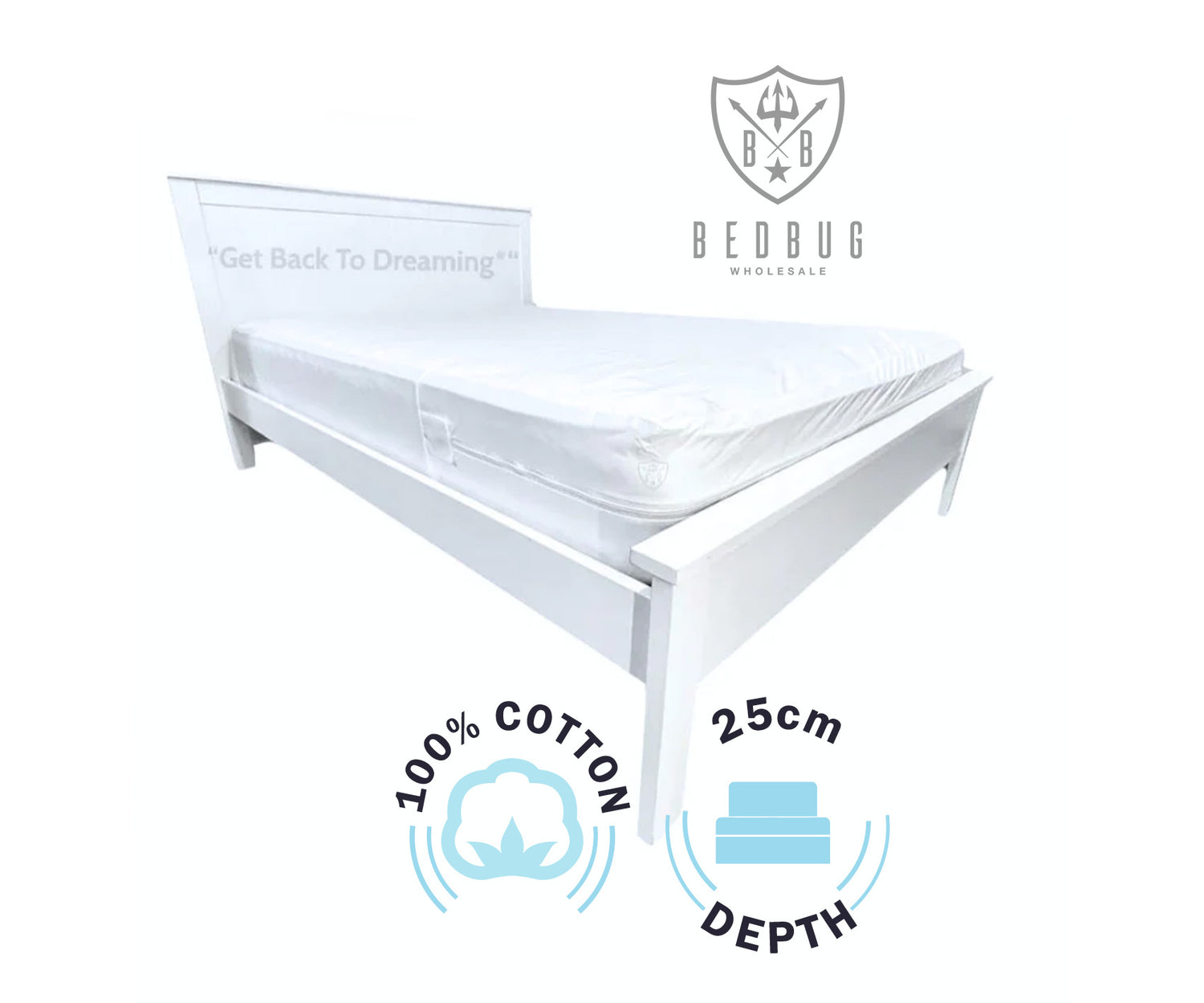
Use tightly-woven covers on dog beds
Dog beds accumulate skin cells (both yours and your dog's) and become significant dust mite habitat over time. Tightly-woven removable covers with full zippered closures can be washed regularly without needing to replace the bed itself. The 2018 review by Wilson and Platts-Mills in the Journal of Allergy and Clinical Immunology: In Practice identified woven fabrics as effective barriers against dust mite particles.
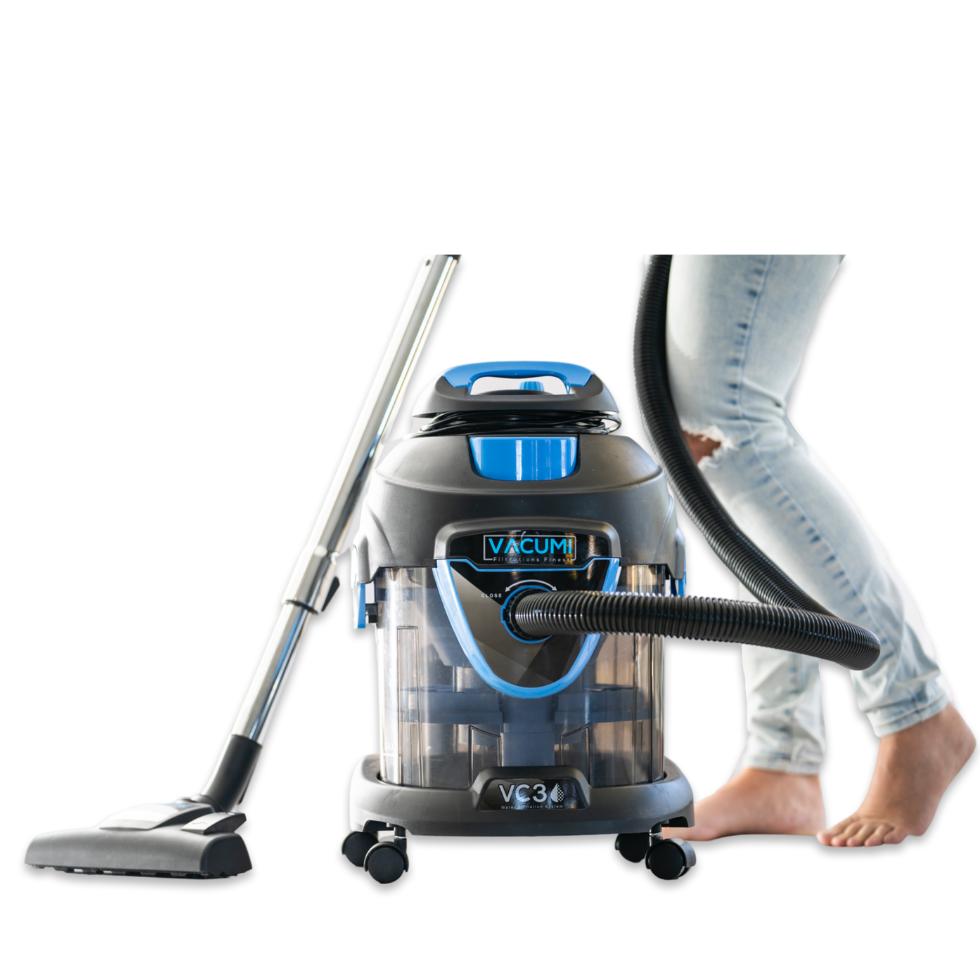
Vacuum with a HEPA-filtered vacuum
Research published in the Journal of Asthma (Wu et al., 2012) found that vacuuming with a HEPA-filtered vacuum significantly reduces dust mite particles in fabrics over time. Pay particular attention to areas where your dog spends time — favourite resting spots, near their bed, and along the edges of carpeted rooms.
Manage indoor humidity
Research published in the Journal of Allergy and Clinical Immunology (Arlian et al., 2001) found that maintaining indoor humidity below 51% over 17 months produced approximately 98% reduction in dust mite populations. A dehumidifier, air conditioner, or improved ventilation can all help — particularly in humid coastal regions of Australia.
Consider hard flooring where practical
Carpets accumulate dust and skin cells more readily than hard flooring. Where you can, hard floors with washable mats or rugs in the dog's main areas can be easier to keep clean than full carpet.
Wipe down or rinse paws after outdoor time
Outdoor allergens (pollen, environmental dust) can be brought back inside on paws and fur. A simple wipe-down with a damp cloth after walks can reduce what's tracked into the home. This isn't specifically a dust mite measure, but it supports overall environmental management for sensitive dogs.
A note on essential oils and "natural" sprays: some essential oils — including tea tree, eucalyptus, peppermint, citrus oils, and clove — are toxic to dogs and cats, sometimes at very low exposures. Don't use household sprays on or near pet bedding without first checking with your vet. The fact that something is "natural" doesn't mean it's safe for animals.
Working With Your Vet
Environmental measures support — but don't replace — veterinary care for dogs with diagnosed allergies. Your vet may recommend:
- Specific medications appropriate to your dog's condition
- Allergen-specific immunotherapy in some cases (similar to allergy shots in humans)
- Topical treatments for affected skin
- Dietary modifications if food sensitivity is also involved
- Regular monitoring to assess response and adjust the plan as needed
Don't start your dog on antihistamines, corticosteroids, or other medications based on a general article. Veterinary medications can have significant side effects and need to be matched to your specific dog's condition, age, weight, and other health factors. Always work with your vet on medication decisions.
Similarly, don't change your dog's diet or add supplements based on internet research. Many products marketed for pet allergies have limited or no evidence base, and dietary changes can sometimes mask or complicate diagnostic processes. Run any major changes past your vet first.
Frequently Asked Questions
Can dogs really be sensitive to dust mites?
Yes, atopic dermatitis (environmental allergies) is a recognised condition in dogs, and house dust mite proteins are commonly identified environmental triggers. However, many other conditions can produce similar symptoms, so proper veterinary diagnosis is essential before assuming dust mites are the cause.
What are the signs of dust mite sensitivity in dogs?
Common signs include persistent itching, skin irritation, recurrent ear issues, paw licking or chewing, and symptoms that flare in certain seasons or environments. These signs are not specific to dust mites though — they can indicate many other conditions including parasites, infections, food sensitivities, or unrelated medical issues. Always consult your vet for proper diagnosis rather than assuming the cause.
How do I know if my dog is sensitive to dust mites specifically?
Only a veterinarian can determine this. Diagnosis typically involves physical examination, ruling out other causes (parasites, infections, food sensitivities), and sometimes specific allergy testing through intradermal testing or blood tests. Your vet may also refer you to a veterinary dermatologist for more specialist assessment.
Can dust mites live in my dog's fur?
House dust mites don't typically live directly on dogs — they live in fabrics like bedding, carpets, and upholstery. However, dust mite particles can become trapped in dog fur when dogs spend time on dust mite habitats. Note that other mites (mange, ear mites) can affect dogs directly, but these are different parasites that require veterinary diagnosis and treatment.
What's the best way to clean a dog bed to reduce dust mites?
Wash removable covers and blankets weekly in hot water (60°C where care labels allow), based on McDonald and Tovey (1992) research showing 55°C+ is effective for reducing dust mite populations. For non-washable parts of the bed, regular HEPA-filtered vacuuming helps. Consider using a tightly-woven cover with a zippered closure that can be washed regularly without replacing the bed.
Are essential oil sprays safe to use around dogs?
Many essential oils are toxic to dogs (and cats), sometimes at low exposures. Tea tree, eucalyptus, peppermint, citrus, clove, and several others can cause serious illness in pets. Don't use household sprays containing essential oils on pet bedding or in areas where pets spend time without first checking with your vet. "Natural" doesn't mean safe for animals.
Should I bathe my dog more often if they have allergies?
This depends on your dog and what your vet recommends. Frequent bathing can sometimes help by physically removing allergens from the coat, but it can also dry out skin or interfere with treatments. Your vet can recommend an appropriate bathing frequency and any specific shampoos suitable for your dog's situation. Don't increase bathing frequency without checking with your vet first.
Can humans and dogs share the same allergy?
Both humans and dogs can be sensitive to house dust mites, but they're separate conditions in each species. There's no transmission of allergies between humans and dogs. However, households where both humans and pets have dust mite sensitivity often benefit from the same environmental measures — regular washing, HEPA vacuuming, humidity control, and tightly-woven covers — which is convenient.
References
This article draws on the following peer-reviewed research:
- Arlian LG. (1992). "Water balance and humidity requirements of house dust mites." Experimental and Applied Acarology, 16(1-2):15-35. PubMed
- McDonald LG, Tovey E. (1992). "The role of water temperature and laundry procedures in reducing house dust mite populations and allergen content of bedding." Journal of Allergy and Clinical Immunology, 90(4 Pt 1):599-608. PubMed
- Arlian LG, Neal JS, Morgan MS, et al. (2001). "Reducing relative humidity is a practical way to control dust mites and their allergens in homes in temperate climates." Journal of Allergy and Clinical Immunology, 107(1):99-104. PubMed
- Wu FF, Wu MW, Pierse N, Crane J, Siebers R. (2012). "Daily vacuuming of mattresses significantly reduces house dust mite allergens, bacterial endotoxin, and fungal β-glucan." Journal of Asthma, 49(2):139-143. PubMed
- Wilson JM, Platts-Mills TAE. (2018). "Home Environmental Interventions For House Dust Mite." Journal of Allergy and Clinical Immunology: In Practice, 6(1):1-7. PubMed