Skip to content


The warm and humid climate in many parts of Australia is often associated with increased levels of dust and indoor allergens. In these conditions, dust mites are commonly found in homes, particularly in soft furnishings such as carpets, bedding and upholstery.
Australian research has documented dust mite presence across geographically and climatically diverse regions of the country. A study by Green et al. (1986) in the Australian and New Zealand Journal of Medicine measured dust mite concentrations in three Australian towns with contrasting geographical features and climates (Belmont, Busselton, and Wagga Wagga), and found that the prevalence of positive skin-test reactions in school children varied with mite concentrations across these regions. This early work helped establish that dust mites are a meaningful feature of Australian indoor environments across multiple regional conditions.
Dust Mites in Australia
Dust mites are microscopic organisms, typically around one-quarter to one-third of a millimetre long, and cannot be seen without magnification. They are classified as arthropods, similar to spiders.

Research by Arlian (1992) in Experimental and Applied Acarology established that dust mites need ambient humidity above approximately 65-70% to maintain their water balance — they don't drink water but absorb moisture from the air through specialised glands. This is why they are commonly associated with environments where temperatures are moderate and humidity is higher, such as mattresses, pillows, carpets and upholstered furniture, where dust and skin particles can accumulate.
According to the Asthma and Allergy Foundation of America (AAFA), there are multiple species of dust mites worldwide that are adapted to indoor environments.

Are Dust Mites Common in Australia?
Dust mites are commonly discussed in Australian homes, particularly in coastal and humid regions.
Conditions such as warmth, humidity and the presence of soft furnishings may support environments where dust and particles build up over time.
The Green et al. (1986) study found that dust mite concentrations varied between Australian towns with different climates and degrees of urbanisation, and that skin-test reactions in children correlated with these regional differences. This pattern — that mite presence varies with local conditions but occurs across many parts of the country — remains broadly consistent with what's understood about Australian indoor environments today.
For more general background on dust mite biology, see the American Lung Association's overview.
Reports from organisations such as the Australasian Society of Clinical Immunology and Allergy (ASCIA) indicate that dust mite sensitisation is present in a portion of the population, though individual responses vary.
What is Dust Mite Allergy?
Dust mite allergy refers to an immune response to proteins found in dust mite particles. These responses can vary between individuals, and symptoms may have multiple contributing factors.
If you suspect an allergy or have ongoing symptoms, it is recommended to consult a qualified healthcare professional for assessment and advice. Allergy testing — typically a skin prick test or blood test administered by a GP or allergist — can help identify specific sensitivities.
Where Are Dust Mites Commonly Found?
Dust mites are commonly associated with areas in the home where dust and moisture can accumulate. These may include:
- Bedding, mattresses and pillows
- Carpets and rugs
- Upholstered furniture
- Curtains and soft furnishings
- Stuffed toys and pet bedding

Common Dust Mite Species in Australia
Research indicates that several species of dust mites may be found in Australian homes. Their distribution can vary depending on climate and environment. The Green et al. (1986) study, for example, found Dermatophagoides farinae alongside D. pteronyssinus in dust samples from Belmont (a Lake Macquarie suburb in coastal NSW), illustrating that more than one species can occur in a single Australian region.
Dermatophagoides pteronyssinus
This species is commonly reported in humid coastal regions. It is often associated with bedding, carpets and upholstered furniture, and is generally the most frequently identified species in Australian homes.
Euroglyphus maynei
Less common but still present in some environments, often associated with similar indoor conditions.
Blomia tropicalis
More frequently discussed in tropical and subtropical regions where humidity is higher — including parts of northern Australia.
Dermatophagoides farinae
This species has been documented in some Australian regions alongside D. pteronyssinus (Green et al., 1986). It is generally more associated with drier conditions, though distribution within Australia varies.
How Do You Know if Dust Mites May Be Present?
Dust mites are not visible to the naked eye and do not leave obvious physical traces. Their presence is usually considered based on environmental factors such as dust levels, humidity and the presence of soft furnishings.
If you notice changes in comfort in your sleep or living environment, dust mites may be one of several possible contributing factors. Because symptoms can have many causes, professional advice is recommended for accurate assessment.
Can You Be Allergic to Dust but Not Dust Mites?
Yes. Household dust can contain a range of particles, including:
- Pollen
- Pet dander
- Mould spores
- Fibres from fabrics
- Other environmental particles
Individuals may respond differently to these components. Allergy testing administered by a GP or allergist can help identify specific sensitivities.
Practical Steps That May Help Reduce Dust and Allergen Build-Up
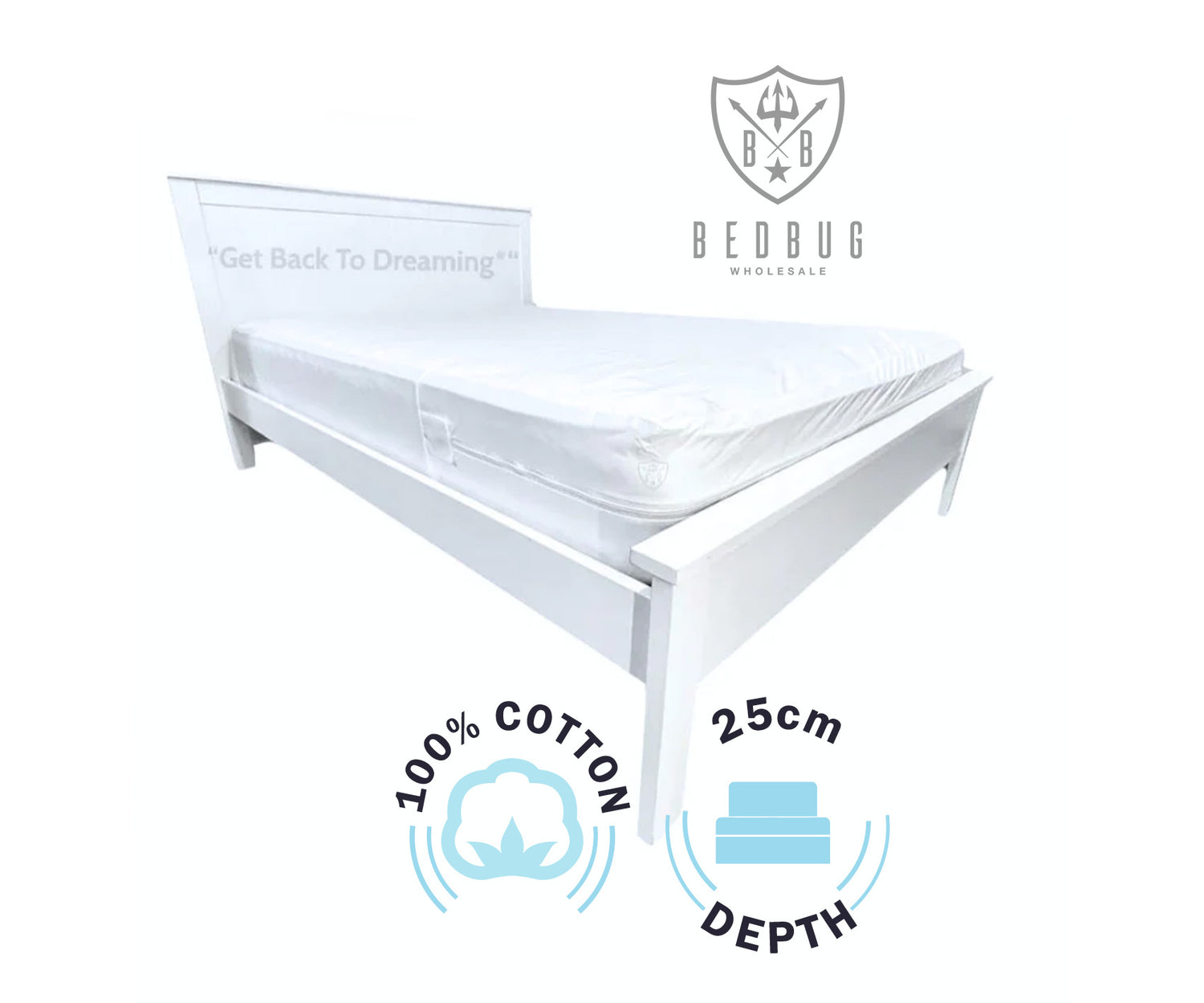
- Use mattress and pillow protectors designed to create a barrier. A 2003 randomised controlled trial published in the Journal of Allergy and Clinical Immunology (Halken et al., 2003) found that mattress and pillow encasings produced a significant long-term reduction in dust mite allergen concentrations over 12 months.
- Wash bedding regularly, following care labels. Research by McDonald and Tovey (1992) in the Journal of Allergy and Clinical Immunology found that water temperatures of 55°C or above are effective for reducing dust mite populations in bedding. Even cold-cycle washing reduced allergen levels by more than 90%, so washing has practical value at any temperature your care label allows.
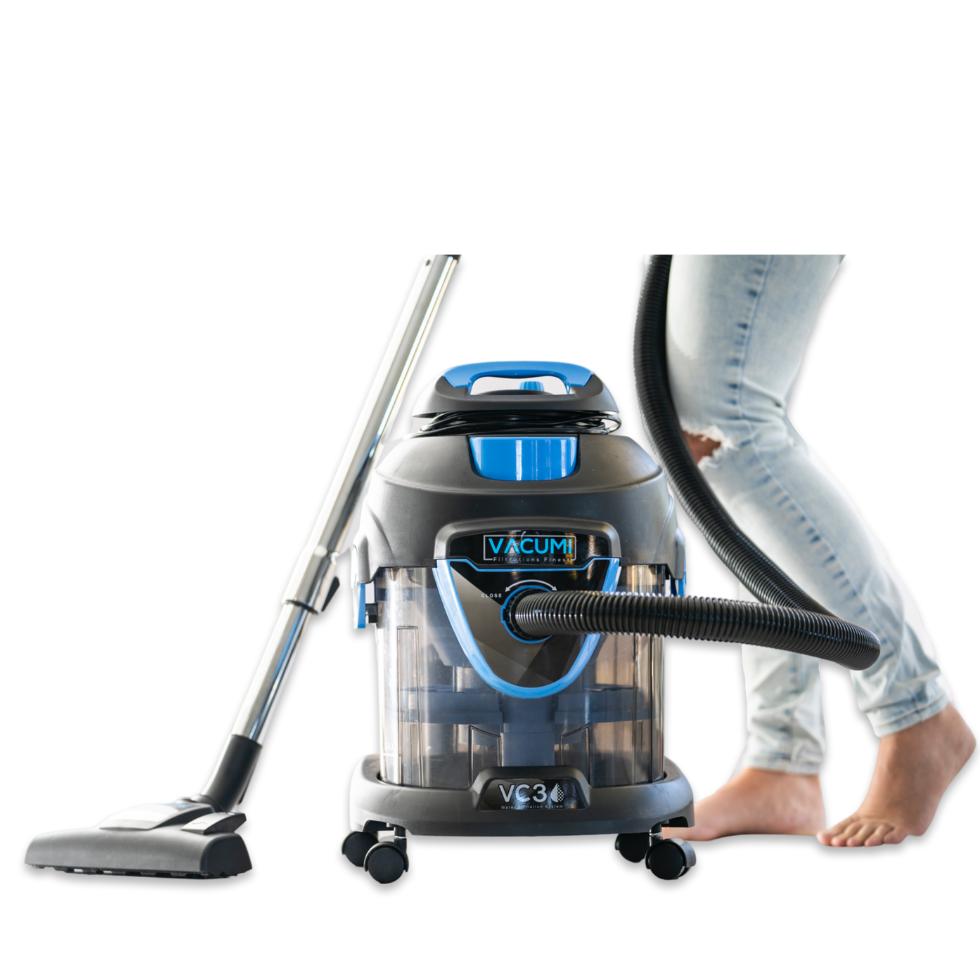
- Use a vacuum cleaner with HEPA filtration to help capture fine particles. Research published in the Journal of Asthma (Wu et al., 2012) found that daily mattress vacuuming over 8 weeks reduced total dust mite allergens by approximately 85%.
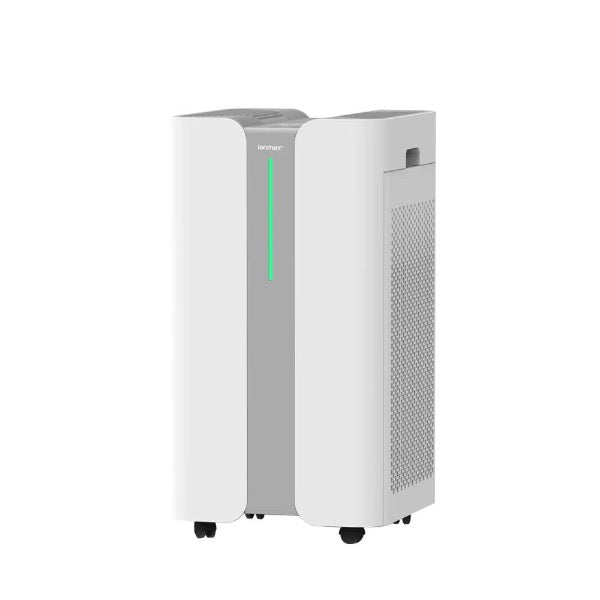
- Consider using air purifiers and dehumidifiers where relevant.
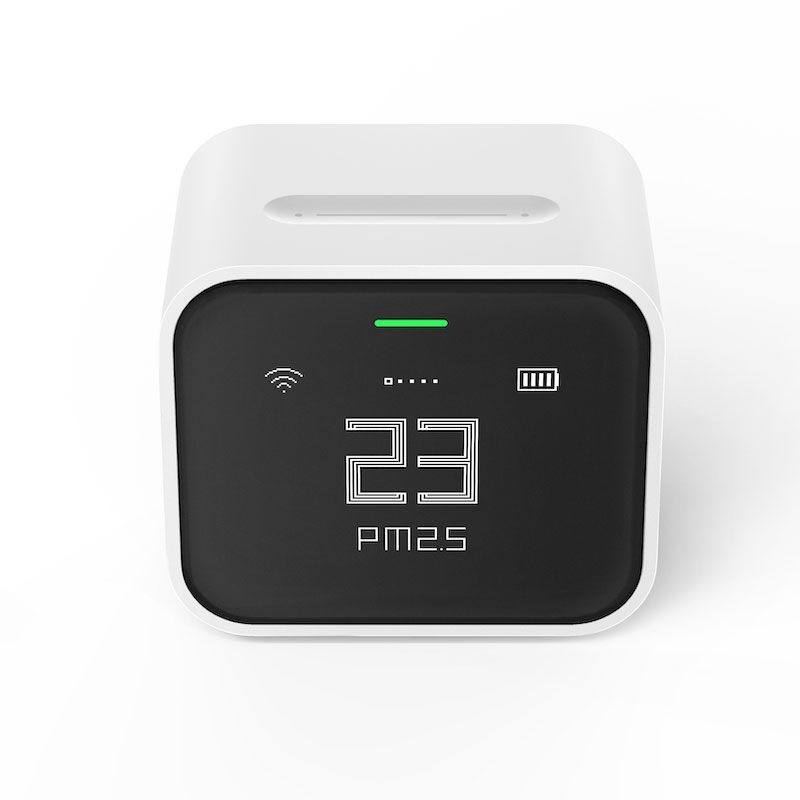
- Reduce indoor humidity where practical — research by Arlian et al. (2001) found that homes maintaining indoor humidity below 51% over 17 months saw dust mite populations decline by approximately 98%. A hygrometer or air quality monitor lets you track conditions in different rooms.
- Minimise clutter to make cleaning easier.
For more detail, see our guide on how to reduce dust mites in your home.
Approaches That May Be Discussed With a Healthcare Professional
For individuals experiencing ongoing symptoms, healthcare professionals may discuss a range of management approaches depending on individual needs. These can vary widely and should be guided by professional advice.
Environmental management
Reducing exposure to dust and indoor allergens through cleaning and environmental control.
Medical guidance
Advice on over-the-counter or prescription treatments may be provided by a healthcare professional where appropriate.
Specialist care
In some cases, referral to a specialist may be recommended.
Cleaning and Maintenance
- Regularly clean surfaces with a damp cloth to reduce dust build-up.
- Vacuum carpets, rugs and upholstery consistently.
- Ensure bedding is cleaned and dried according to care instructions.
Read more: How to reduce dust mites in your home
Related guides
- How to reduce dust mites in your home — comprehensive guide
- How to reduce dust mites in your bedroom
- Dust mite life cycle explained
- Humidity, mould and dust mites
- Dust mites vs bed bugs
References
- Green WF, Woolcock AJ, Stuckey M, Sedgwick C, Leeder SR. (1986). "House dust mites and skin tests in different Australian localities." Australian and New Zealand Journal of Medicine, 16(5):639-643. PubMed
- Arlian LG. (1992). "Water balance and humidity requirements of house dust mites." Experimental and Applied Acarology, 16(1-2):15-35. PubMed
- McDonald LG, Tovey E. (1992). "The role of water temperature and laundry procedures in reducing house dust mite populations and allergen content of bedding." Journal of Allergy and Clinical Immunology, 90(4 Pt 1):599-608. PubMed
- Arlian LG, Neal JS, Morgan MS, et al. (2001). "Reducing relative humidity is a practical way to control dust mites and their allergens in homes in temperate climates." Journal of Allergy and Clinical Immunology, 107(1):99-104. PubMed
- Halken S, Høst A, Niklassen U, et al. (2003). "Effect of mattress and pillow encasings on children with asthma and house dust mite allergy." Journal of Allergy and Clinical Immunology, 111(1):169-176. PubMed
- Wu FF, Wu MW, Pierse N, Crane J, Siebers R. (2012). "Daily vacuuming of mattresses significantly reduces house dust mite allergens, bacterial endotoxin, and fungal β-glucan." Journal of Asthma, 49(2):139-143. PubMed