Skip to content

As the weather turns colder in Australia, many households reach for doonas and blankets to stay warm at night. For households focused on allergy-aware bedroom care, choosing the right quilt materials and construction can make a real difference to comfort and how easy bedding is to maintain.
This guide walks through what makes a quilt suitable for allergy-aware households, what to look for when shopping, and how to combine quilt choice with broader bedroom care for the best results.
Can Your Quilt Contribute to Indoor Sensitivities?
Quilts and doonas can be a build-up point for fine particles commonly associated with indoor sensitivities — including dust mite debris, pet dander, and mould spores in damp environments. These particles can become airborne when bedding is disturbed, which is why quilts are an important part of allergy-aware bedroom care.
Some people also have sensitivities to specific fabrics or to chemicals used in fabric finishing. Choosing quilts made from materials that are easier to wash regularly, and using protective covers, can help manage particle build-up over time.
What Does "Hypoallergenic" Quilt Actually Mean?
It's worth being clear about what "hypoallergenic" means — and what it doesn't.
"Hypoallergenic" is a marketing term, not a regulated certification. There is no formal Australian or international standard that defines what makes a quilt "hypoallergenic." In practice, the term is used by manufacturers to describe bedding made with materials and construction features that are designed to be less likely to harbour common indoor particles.
Typical features include tight-weave fabrics, fillings made from materials less prone to particle build-up, and construction that allows for easier washing. None of these features make a quilt completely particle-free or guarantee no reactions for any individual.
For more on this distinction, see our article comparing hypoallergenic vs anti-allergy bedding.
Key Features to Look For
When choosing a quilt for an allergy-aware bedroom, here are the practical features to consider:
- Tight-weave outer fabric: A tightly woven cover fabric helps limit the movement of fine particles between the quilt's filling and the sleep surface.
- Washable construction: Quilts that can be washed at home in hot water are easier to maintain. Research published in the Journal of Allergy and Clinical Immunology (McDonald and Tovey, 1992) found that water temperatures of 55°C or above are effective for reducing dust mite populations in bedding. Most Australian guidance recommends washing at 60°C where care labels allow.
- Synthetic or natural fibre fillings: Fillings such as microfibre, hollowfibre, polyester, cotton, bamboo, and certain silk products are commonly used in quilts marketed for allergy-aware households. The right choice depends on warmth needs, washability, and personal preference.
- Lighter weight where practical: Lighter quilts are generally easier to wash and dry frequently. Frequent washing is one of the most practical ways to reduce particle build-up over time.
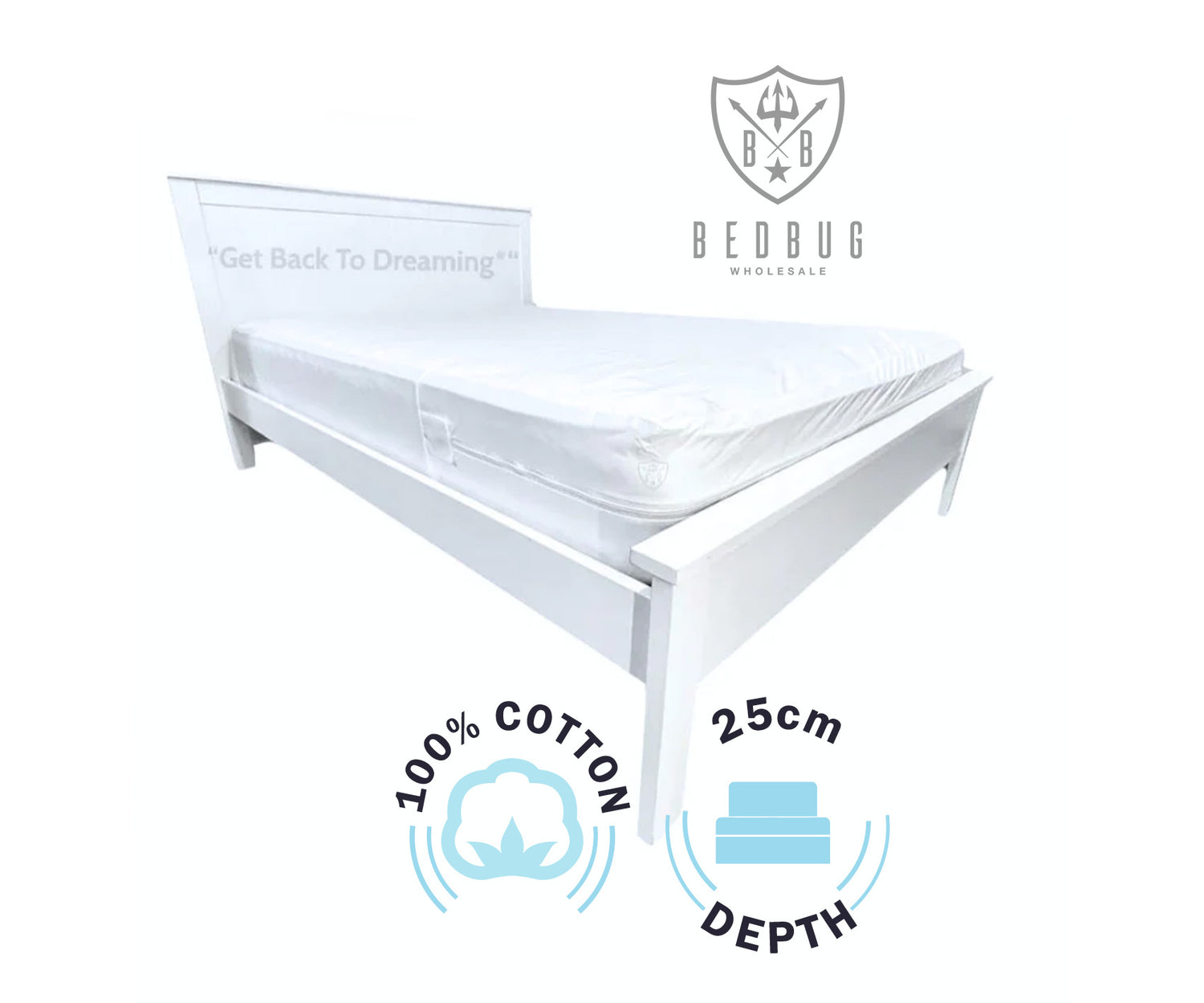
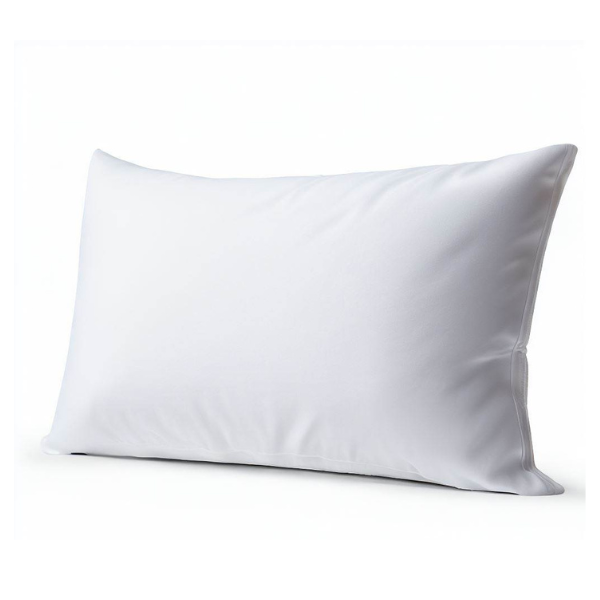
- Compatibility with a quilt cover: Using your quilt with a separate, washable cover (and ideally an additional allergy-aware bedding encasement) extends the time between deeper washes and creates an additional barrier.
Materials Commonly Used in Hypoallergenic Quilts
Different materials suit different households. Here's a practical overview:
Cotton (including organic cotton)
Tightly woven cotton fabrics are widely used in allergy-aware bedding. Cotton is generally washable at higher temperatures, making it suitable for regular hot-water washing.
Bamboo
Bamboo fibre is breathable and moisture-wicking, which can help support a drier sleep surface. Most bamboo quilts are machine washable, though always check care labels.
Microfibre
Microfibre quilts use very fine synthetic fibres in tight weaves. They tend to be lightweight, washable, and accessible price-wise — practical features for households that want to wash bedding frequently.
Silk
Silk fillings are naturally breathable and temperature-regulating. Silk-filled quilts often need more careful washing than cotton or microfibre options, so check care instructions before purchase.
Hollowfibre and polyester
These synthetic fillings are common in washable quilts and are generally durable through multiple wash cycles. They're often a practical choice for kids' rooms where bedding needs frequent washing.
What to consider when choosing
When choosing a quilt, consider:
- Warmth (GSM): Quilts are typically rated by GSM (grams per square metre) — higher GSM means more warmth. Lighter quilts are often easier to wash and dry.
- Washability: Check that the care label allows hot-water washing if you want to follow the McDonald & Tovey recommendation of 55°C+ for dust mite reduction.
- Breathability: Breathable materials help reduce moisture build-up, which makes conditions less favourable for dust mites and mould.
- Personal sensitivity: If you have specific known sensitivities (for example to silk or wool), make sure to check the materials list carefully.
Realistic Expectations
Quilts marketed as "hypoallergenic" are designed to be easier to maintain and less prone to particle build-up than standard bedding — but they don't completely eliminate the possibility of reactions. Individual sensitivities vary, and dust mites and other particles are a normal part of any home environment.
The honest framing is that a well-chosen, regularly-washed quilt is one practical part of allergy-aware bedroom care — not a complete solution on its own.
If you have significant or persistent symptoms, it's worth consulting your GP or an allergist, who can help identify what your specific sensitivities are and recommend a more targeted approach.
Other Steps for an Allergy-Aware Bedroom
Quilts work best alongside other practical bedroom care measures. The peer-reviewed research consistently supports a multi-step approach.
- Use bedding encasements: A 2003 randomised controlled trial published in the Journal of Allergy and Clinical Immunology (Halken et al., 2003) found that mattress and pillow encasings produced significant long-term reductions in dust mite allergen concentrations over 12 months.
- Wash bedding regularly: Wash sheets, pillowcases, and blankets weekly in hot water (60°C or above) where care labels allow. Even cold-cycle washing reduces allergen levels by more than 90% (McDonald and Tovey, 1992), so washing has practical value at any temperature you can manage.
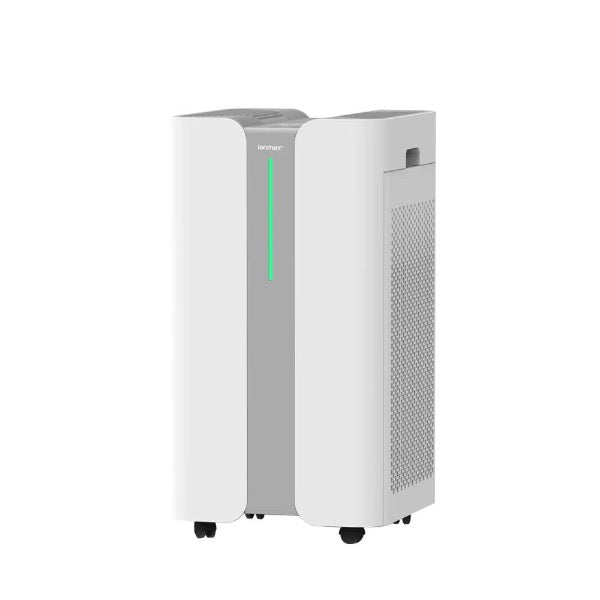
- Consider an air purifier with a HEPA filter: An air purifier with a HEPA filter can help capture fine airborne particles in the bedroom.
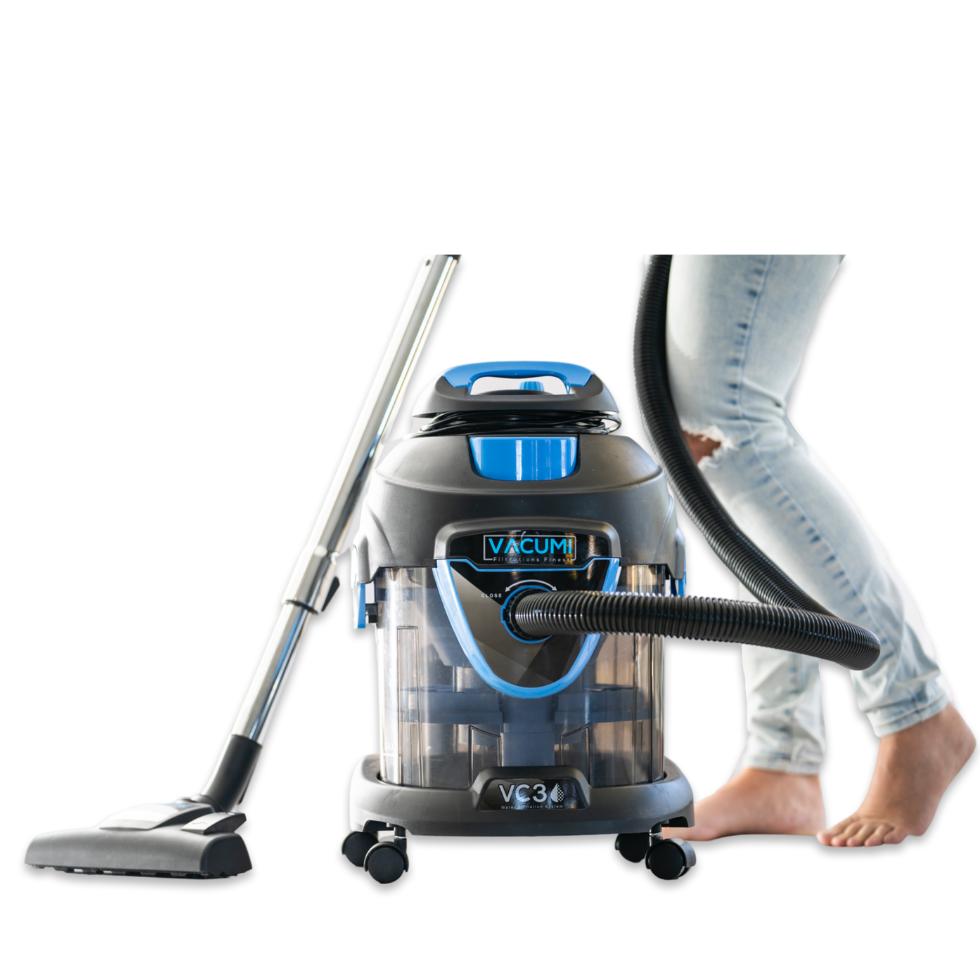
- Vacuum regularly with a HEPA-filtered vacuum: A HEPA-filtered vacuum can help capture fine particles from carpets, mattresses, and upholstery. Research published in the Journal of Asthma (Wu et al., 2012) found that daily mattress vacuuming over 8 weeks reduced total dust mite allergens by approximately 85%.
- Manage humidity: Use a dehumidifier to keep indoor humidity below 50%. Research published in the Journal of Allergy and Clinical Immunology (Arlian et al., 2001) found that homes maintaining indoor humidity below 51% over 17 months saw dust mite populations decline by approximately 98%.
- Keep pets out of the bedroom: If pet-related sensitivities are a factor, keeping pets out of the bedroom can help reduce exposure during sleep.
- Ventilate the bedroom: Open windows when conditions allow to encourage airflow and reduce moisture build-up.
For a more detailed approach, see our comprehensive room-by-room guide to reducing dust mites.