Skip to content

A clean, fresh bedroom can make a real difference to how comfortable your sleep space feels.
For many Australians, everyday household particles such as dust, pet hair, and pollen can accumulate in the bedroom over time, particularly in bedding. Choosing bedding made with allergy-aware materials is one way to support a cleaner sleep environment.
This guide explains what anti-allergy bedding is, why it's commonly used in Australian homes, and what to look for when choosing products designed to reduce exposure to common household allergens.
What Is Anti-Allergy Bedding?
Anti-allergy bedding is designed to help limit contact with common household particles such as dust mite debris, pet dander, and pollen that can collect in soft furnishings.
Unlike standard bedding, many anti-allergy products use tightly woven fabrics or mattress and pillow protectors that act as a physical barrier. While no bedding can eliminate allergens entirely, these materials may help reduce how much allergen passes through to the sleeper.
Why People Choose Anti-Allergy Bedding
Many households choose anti-allergy bedding as part of a broader approach to improving sleep comfort and bedroom hygiene. Common reasons include:
- A cleaner sleep surface: Protective covers can help limit the buildup of dust, skin cells, and other particles inside mattresses and pillows.
- Easy care: Many protectors are designed to be washable, making regular cleaning simpler.
- Mattress and pillow protection: Covers can help protect bedding from moisture, spills, and general wear.
Why Anti-Allergy Bedding Is Popular in Australia
Australia's climate — ranging from humid coastal areas to dry, dusty regions — means household dust and particles can build up in indoor spaces. Dust mites, in particular, are commonly found in most homes, regardless of cleanliness.
Research by Arlian (1992) in Experimental and Applied Acarology established that dust mites need ambient humidity above approximately 65-70% to maintain their water balance, since they don't drink water but absorb moisture from the air. This helps explain why warm, humid Australian regions can be particularly favourable for dust mite build-up in bedding and other soft furnishings.
Seasonal pollen, bushfire smoke, and everyday dust can also settle in bedrooms. Using anti-allergy bedding is one practical step many Australians take to help manage their indoor environment, especially in spaces where they spend long periods of time.
Types of Anti-Allergy Bedding to Consider
Creating an allergy-aware bed usually involves several layers working together.
Mattress Protectors and Encasements
A full mattress encasement zips around the entire mattress, creating a physical barrier between the sleeper and dust, debris, and other particles that may be present inside.
Shop dust mite mattress encasements and protectors
Pillow Protectors
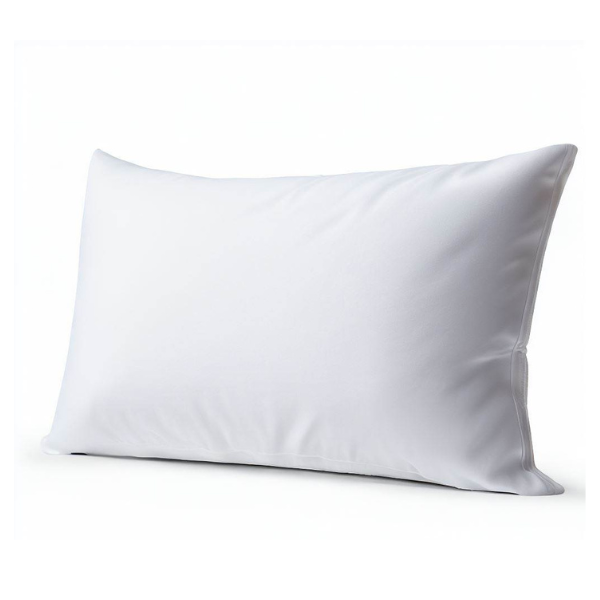
Pillows can collect moisture and skin cells over time. Zippered pillow protectors sit underneath the pillowcase and act as a washable barrier between the pillow and the sleeper.
Shop zippered pillow protectors
Duvets and Duvet Protectors
Some duvets are filled with synthetic fibres commonly described as hypoallergenic. Alternatively, a quilt or doona protector can be used to encase an existing quilt, making it easier to wash regularly.
Shop doona protectors and quilt protectors
Sheets and Pillowcases
Sheets made from breathable, tightly woven fabrics such as cotton or bamboo are often chosen for comfort and ease of care. While they don't replace protectors, they can complement them.
Is Anti-Allergy Bedding Worth It?
Whether anti-allergy bedding is worth it depends on your situation, but for many people it can make a noticeable difference to bedroom comfort and cleanliness.
Anti-allergy bedding — such as mattress encasements, pillow protectors, and tightly woven sheets — creates a physical barrier that helps limit the transfer of fine particles like dust mite allergens into your sleeping area.
Encasements as a category are well-supported by research. A 2003 randomised controlled trial published in the Journal of Allergy and Clinical Immunology (Halken et al., 2003) found that mattress and pillow encasings produced a significant long-term reduction in dust mite allergen concentrations in mattresses over 12 months. While individual product performance varies, the broader category of zippered encasements has clear research support as a barrier-based intervention.
Anti-allergy bedding may be especially worth considering:
- If you want to reduce the buildup of dust and particles in your sleep space
- If maintaining a clean and fresh bedroom environment is important to you
- If you want long-term mattress and pillow protection from moisture, spills, and general wear
- If you're setting up a new bedroom or replacing existing bedding
Anti-allergy bedding is not a medical product and doesn't eliminate household particles completely, but it can be a practical part of a regular cleaning and bedroom care routine.
What to Look for When Choosing Anti-Allergy Bedding
- Tightly woven fabric: Helps limit allergen movement
- Breathability: Improves comfort and moisture control
- Washability: Supports easy ongoing care
- Secure closures: Zippered encasements reduce gaps
- Clear care instructions: Help maintain performance
What Is Hypoallergenic Bedding?
Hypoallergenic bedding refers to bedding products designed to be less likely to cause irritation by reducing exposure to common household allergens. These products typically use materials that discourage the buildup of dust mite particles, pet dander, pollen, and mould.
Rather than eliminating allergens completely, hypoallergenic bedding focuses on limiting contact. Examples include mattress and pillow protectors, quilt covers, synthetic-fill quilts, and sheets made from tightly woven cotton or bamboo.
What Is the Difference Between Anti-Allergy Bedding and Hypoallergenic Bedding?
Hypoallergenic bedding
Uses materials that are less likely to irritate sensitive sleepers but does not necessarily block allergens.
Anti-allergy bedding
Uses physical barriers, such as zippered encasements, to help reduce exposure to allergens.
- Hypoallergenic = less irritating materials
- Anti-allergy = barrier-based protection
Tips for Maintaining an Allergy-Aware Bed
- Wash sheets and pillowcases weekly
- Wash mattress and pillow protectors regularly
- Use mild, fragrance-free detergents
- Keep bedroom humidity moderate
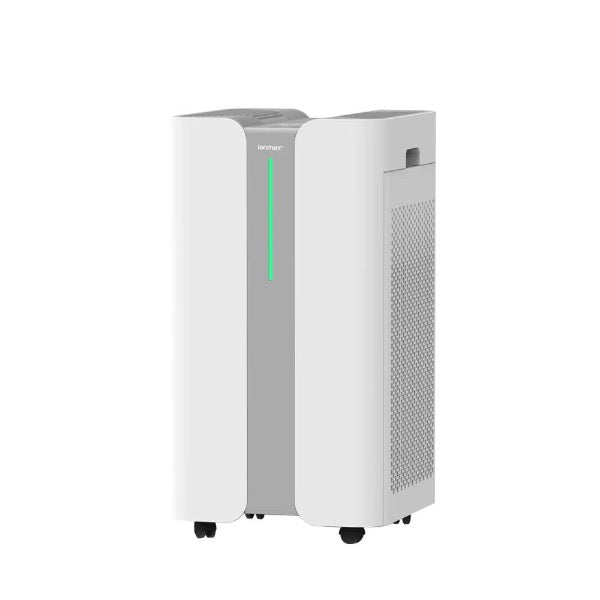
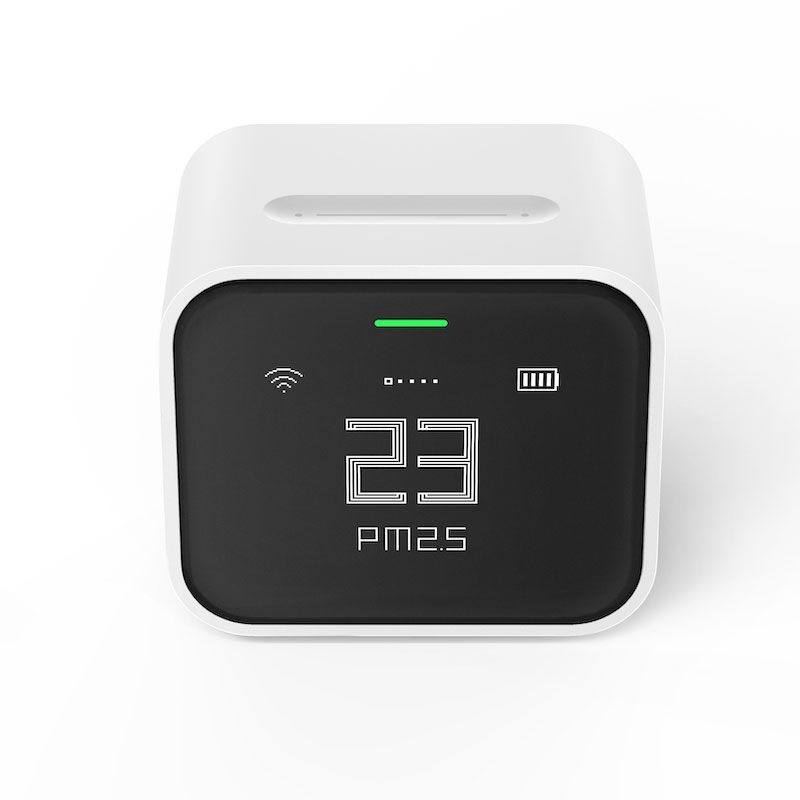
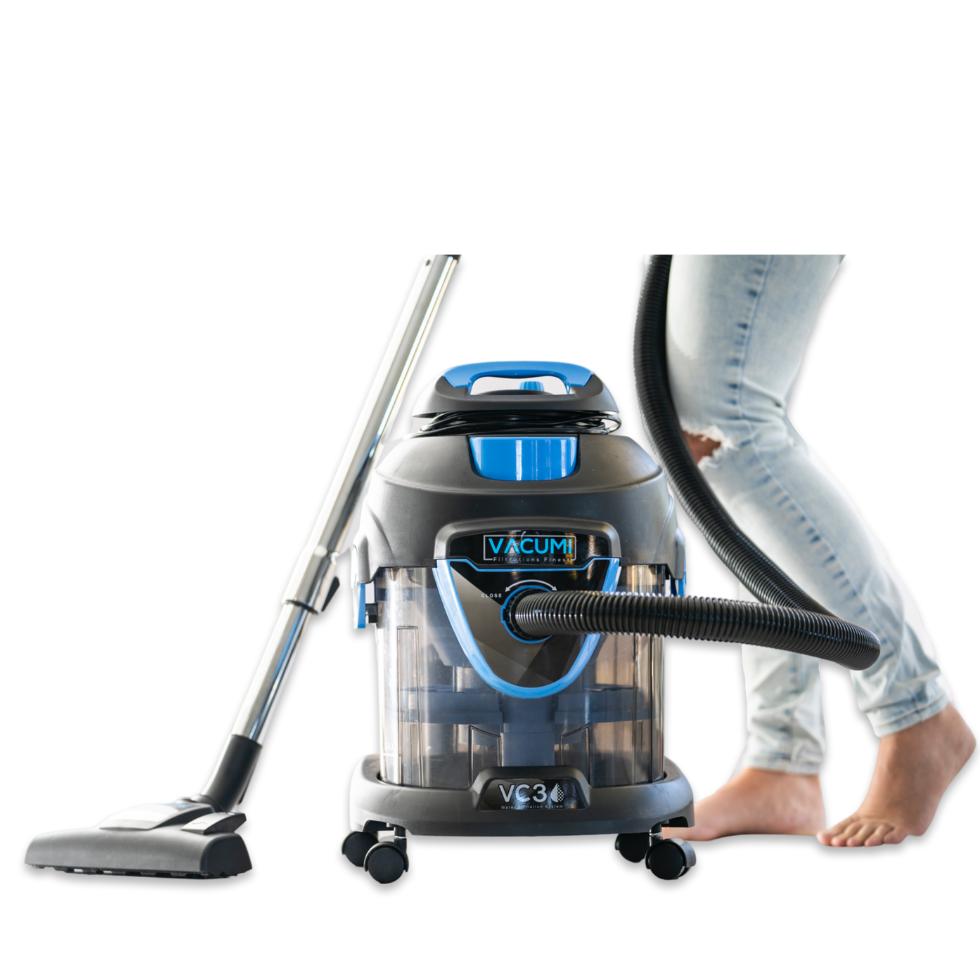
- Vacuum nearby areas with a HEPA vacuum and consider using air purifiers for allergies
Creating a More Comfortable Sleep Environment
Anti-allergy bedding isn't a substitute for medical advice, but it can be one helpful tool in managing your sleep space. Combined with regular cleaning and ventilation, it may help support a more comfortable night's sleep.
By focusing on practical steps — such as protecting mattresses and pillows — you can create a bedroom environment that feels fresher and easier to maintain.
Where to Buy Anti-Allergy Bedding in Australia
Dust Mite Allergy Solutions Australia offers specialised anti-allergy bedding and supportive tools designed to help reduce exposure to dust mite allergens, with fast Australian shipping.
If you want to build an allergy-aware bed setup, start with the highest-impact items: mattress encasements, pillow protectors, and doona protectors.
Related guides
- How to reduce dust mites in your home — comprehensive guide
- Cotton vs waterproof: the ultimate dust mite protector guide
- How to choose a hypoallergenic quilt
- The ultimate guide to dust mite duvet covers in Australia
- Humidity, mould and dust mites
References
- Arlian LG. (1992). "Water balance and humidity requirements of house dust mites." Experimental and Applied Acarology, 16(1-2):15-35. PubMed
- Halken S, Høst A, Niklassen U, et al. (2003). "Effect of mattress and pillow encasings on children with asthma and house dust mite allergy." Journal of Allergy and Clinical Immunology, 111(1):169-176. PubMed