Skip to content


Short answer: For households with sensitive skin or indoor sensitivities, the most well-supported bedding choices are tightly-woven natural fibres (cotton or bamboo), low-tog quilts that don't trap heat, and tightly-woven mattress and pillow protectors. The peer-reviewed evidence supports a multi-step approach: regular hot-water washing of bedding (60°C where care labels allow), HEPA vacuuming of mattresses, and maintaining bedroom humidity below 50%. Bedding choices work best alongside any medical advice from your GP or specialist.
For households with sensitive skin or indoor sensitivities, getting a comfortable night's sleep can be more challenging — heat, moisture, and fabric choices all play a role. Bedding can be one practical part of an allergy-aware bedroom routine.
In Australia, where temperatures vary considerably across seasons and regions, choosing breathable, washable bedding becomes particularly relevant. This guide walks through what to look for, what the research shows, and how to build a sleep setup that's gentle and easy to maintain.
Temperature, Sweat, and Skin Comfort
Body temperature regulation matters for comfortable sleep, particularly in homes where temperatures vary widely between seasons. Overheating and overnight sweating can affect sleep quality, and warm, humid bedding microclimates also create more favourable conditions for dust mite build-up.
Practical considerations:
- Choose lightweight, breathable bedding. In most Australian climates, a low-to-medium tog quilt (1.5-4.5 tog for warmer months, higher for cooler months) provides better temperature regulation than a single heavy quilt year-round.
- Layer for flexibility. Two lighter quilts in winter let you adjust based on temperature changes overnight, rather than overheating under one heavy quilt.
- Consider mattress materials carefully. Some mattress materials retain more heat than others. Modern foam-type mattresses (sponge-like polyurethane) performed reasonably well for dust mite accumulation in peer-reviewed testing (Visitsunthorn et al., 2010), though older foam mattresses can retain more heat than spring mattresses. The most important factor for any mattress is using a tightly-woven cover and washing bedding regularly.
Dust Mites and Why They Matter
Dust mites are microscopic creatures that live in mattresses, pillows, and quilts, feeding on shed skin cells. Research by Arlian (1992) in Experimental and Applied Acarology established that dust mites need ambient humidity above approximately 65-70% to maintain their water balance.
Dust mite faecal particles and body fragments are commonly associated with indoor sensitivities, and households with sensitive skin are often particularly aware of bedding hygiene as a result. The peer-reviewed evidence supports several practical approaches for reducing dust mite particles in bedding:
What you can do
- Wash bedding regularly in hot water. Research published in the Journal of Allergy and Clinical Immunology (McDonald and Tovey, 1992) found that water at 55°C or above is effective for reducing dust mite populations. Most Australian guidance — including from ASCIA — recommends 60°C where care labels allow. Wash sheets and pillowcases weekly at minimum.
- Wash quilts and pillows periodically. Where care labels allow, wash quilts and pillows every 4-8 weeks at the highest temperature the fabric tolerates. For items that can't be hot-washed, use a tightly-woven cover that can.
- Use a hot tumble dryer setting where safe. Sustained heat in the dryer further reduces particle residue.
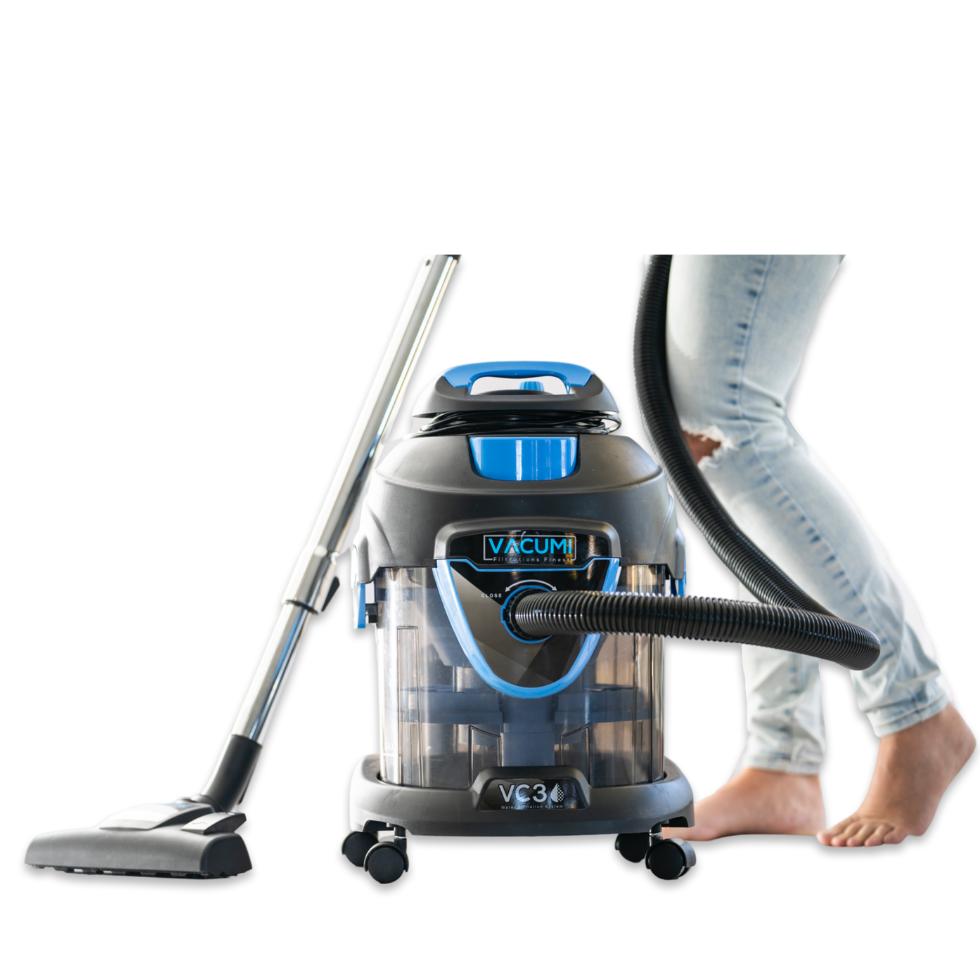
- Vacuum mattresses regularly. Research published in the Journal of Asthma (Wu et al., 2012) found that daily mattress vacuuming reduced total dust mite allergens by approximately 85% over 8 weeks. Even weekly vacuuming with a HEPA-filtered vacuum has meaningful impact.
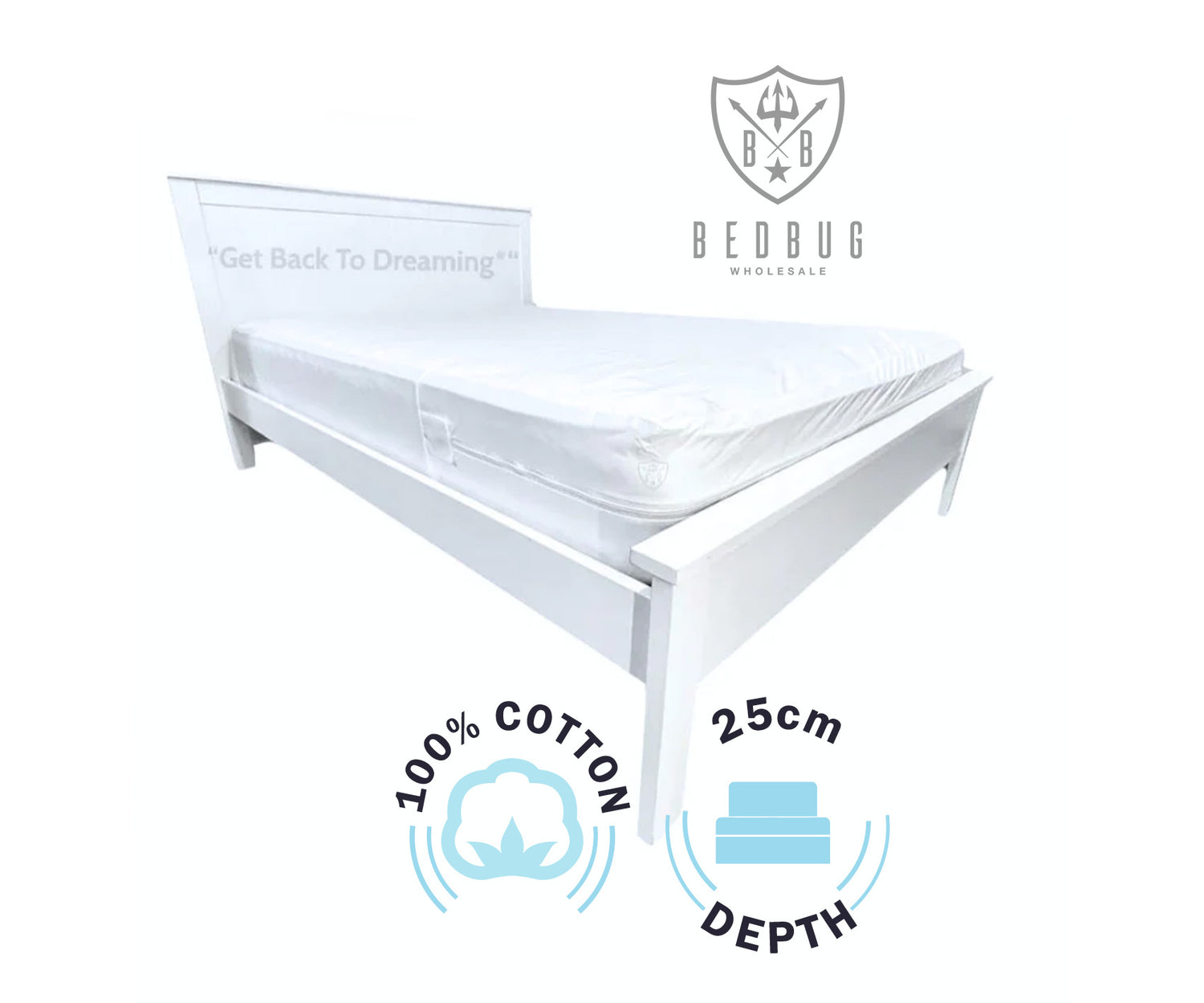
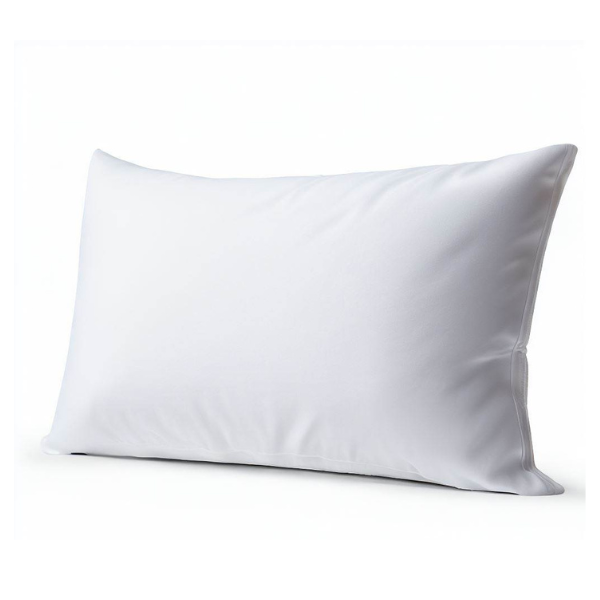
- Use tightly-woven mattress and pillow protectors. A 2003 randomised controlled trial published in the Journal of Allergy and Clinical Immunology (Halken et al., 2003) found that mattress and pillow encasings produced significant long-term reductions in dust mite allergen concentrations over 12 months.
- Manage bedroom humidity. Arlian and colleagues (2001) found that maintaining indoor humidity below 51% over 17 months produced approximately 98% reduction in dust mite populations. Use a dehumidifier, air conditioner, or improved ventilation.
What Bedding Works Well for Sensitive Skin?
For households with sensitive skin or indoor sensitivities, the practical bedding criteria are: breathable fabric, gentle texture, washable at high temperatures, and tight enough weave to limit fine particle movement.
The most commonly recommended choices are:
- 100% cotton for sheets, pillowcases, and quilt covers
- Bamboo for those who prefer a softer hand-feel and live in warmer climates
- Low-tog quilts with natural fibre fillings or quality synthetic fillings
- Tightly-woven mattress and pillow protectors as the foundation of an allergy-aware bedding setup
Worth being honest about: "hypoallergenic" is a marketing term rather than a regulated certification. The most important features are tightly-woven fabric construction, washability at high temperatures, and ease of regular cleaning — not whether a product is labelled hypoallergenic.
Comparing Bedding Materials
Cotton
Cotton is widely available, breathable, and absorbent. Look for 100% cotton in a percale or sateen weave (avoid cheap cotton that pills with washing).
- Pros: Breathable, absorbent, widely available, washable at high temperatures (60°C generally fine)
- Best uses: Sheets, pillowcases, quilt covers, mattress and pillow protectors
- Considerations: Quality varies considerably — higher thread counts and longer-staple cotton (such as Egyptian or Pima) tend to be softer and more durable
Bamboo
Bamboo fibre is naturally soft, breathable, and helps regulate temperature.
- Pros: Soft texture, breathable, moisture-wicking, naturally durable
- Best uses: Sheets, pillowcases, lightweight quilt covers
- Considerations: Most bamboo bedding requires gentler washing (often at 40°C), which doesn't reach the threshold for reducing dust mite populations established by McDonald and Tovey (1992). If you need to wash at 60°C+, traditional cotton may be more practical
Silk
Silk is naturally smooth, breathable, and temperature-regulating.
- Pros: Smooth texture, naturally breathable, helps with temperature regulation
- Best uses: Pillowcases, lightweight quilt fillings
- Considerations: Usually requires low-temperature washing or professional cleaning. Some silk products are quite expensive
Wool
Wool is naturally breathable and helps wick moisture away from the body.
- Pros: Breathable, moisture-wicking, naturally fire-resistant, good in cooler climates
- Best uses: Quilt fillings, mattress toppers
- Considerations: Some wool products contain residual lanolin, which some people are sensitive to. Generally requires delicate or wool-specific wash cycles. Patch-test if you have not used wool products before
What to look for in fabric construction
Regardless of fibre type, the most important features for allergy-aware bedding are:
- Tightly-woven (woven, not nonwoven)
- Washable at the highest temperature the fabric allows
- Smooth texture without rough seams or labels
- Durable through repeated washing
Comfortable Sleepwear for Sensitive Skin
Sleepwear choices follow similar principles to bedding. For sensitive skin, look for:
- Soft, breathable natural fibres like 100% cotton, bamboo, or silk
- Loose-fitting designs to reduce friction
- Smooth seams or seam-free construction for less rubbing on skin
- Tag-free or labelled-on-fabric options to avoid scratchy tags
- Washable at the highest temperature your fabric allows
Avoid synthetic fabrics that don't breathe well or that can trap heat and moisture against the skin. Quality sleepwear for sensitive skin is generally a worthwhile investment for comfort.
Choosing a Mattress for Allergy-Aware Households
A mattress is a significant investment, and the choice affects sleep comfort over many years. For allergy-aware households, the peer-reviewed evidence offers some practical guidance.
Research published in the Asian Pacific Journal of Allergy and Immunology (Visitsunthorn et al., 2010) tracked dust mite allergen accumulation in 60 new mattresses across four materials over 12 months. The study found that some materials accumulated allergens more slowly than others, but importantly, all four mattress types reached clinically meaningful allergen levels within 9 months of use.
The authors specifically concluded:
"There appears to be little justification for advising mite sensitive patients to replace their mattresses as a part of avoidance regime."
The practical implication: rather than focusing on mattress replacement, the strongest evidence supports using tightly-woven mattress covers regardless of mattress type, combined with regular cleaning routines.
If you are buying a new mattress, key considerations:
- Modern foam-type mattresses (memory foam, sponge-like polyurethane) performed reasonably well in the Visitsunthorn study, contradicting the older perception that foam mattresses are inherently worse for dust mite build-up
- Spring mattresses generally have good airflow and may run cooler than foam options
- Latex mattresses have some practical advantages (durability, density, washable covers) though no peer-reviewed studies have specifically tested latex versus other materials for dust mite accumulation. People with diagnosed latex allergies should avoid natural latex products
- Always pair any mattress with a tightly-woven cover — this is the single most-supported intervention
For more detail, see our guide on choosing a mattress for allergy-aware households.
Practical Tips for Australian Households
- Don't overhaul everything at once. Start with one or two changes — a tightly-woven mattress cover plus pillow covers is a good starting point — and assess the impact before making other changes.
- Maintain your existing skincare routine. If you or someone in your household uses prescribed creams, ointments, or other treatments, continue using them as directed. Bedding choices complement medical advice rather than replacing it.
- Check for product residue on bedding. Some skincare products, including emollients, can leave residue on bedding over time. Regular washing helps manage this build-up.
- Look for reputable Australian retailers. Australian retailers can confirm product compliance with relevant Australian standards, sizing, and care instructions for local conditions.
- Adjust for the climate. Australia's climate varies considerably — bedding suitable for tropical Queensland may be different from what works in Tasmania. Layered options give you more flexibility through seasonal changes.
- Be patient. Bedding-related changes typically show their effect over weeks rather than days. The peer-reviewed studies on dust mite reduction generally measured outcomes over months, not days. Consistency matters more than intensity.
Frequently Asked Questions
Is cotton or bamboo better for sensitive skin?
Both are commonly recommended choices. Cotton is widely available, breathable, and washable at high temperatures (60°C is generally fine). Bamboo is softer and more thermoregulating but typically requires gentler washing at lower temperatures, which doesn't reach the dust mite reduction threshold established by peer-reviewed research. If hot-water washing matters to you, cotton is generally more practical.
Can dust mites affect sensitive skin?
Dust mite particles are commonly associated with indoor sensitivities, including skin sensitivities for some people. Using tightly-woven mattress and pillow covers, washing bedding regularly in hot water (60°C where care labels allow), and managing humidity below 50% can help reduce particle build-up over time. If you have ongoing skin concerns, please speak with your GP or dermatologist for personal guidance.
What kind of quilt is best for an allergy-aware bedroom?
A low-tog, lightweight quilt with a 100% cotton or bamboo cover is generally a good choice. Avoid heavy quilts that trap heat and moisture, which create more favourable conditions for dust mite build-up. The quilt cover (not the quilt itself) takes the wear and is easier to wash regularly.
How often should I wash bedding for sensitive households?
Wash sheets and pillowcases weekly in hot water (60°C where care labels allow). Wash quilts, pillows, and mattress protectors every 2-4 weeks. Hot-water washing is supported by peer-reviewed research (McDonald and Tovey, 1992) for reducing dust mite particles. Some households with significant indoor sensitivities wash sheets twice weekly — adjust based on what works for you.
What are the best mattress and pillow protectors for sensitive skin?
Look for tightly-woven (not nonwoven) fabric, full zippered encasements covering all sides, smooth seams, and the ability to wash at high temperatures. Tightly-woven cotton is a common natural fibre option that's generally gentle on skin. The peer-reviewed evidence base for tightly-woven mattress and pillow encasings is substantial.
Can bedding choices alone help with skin issues?
Bedding can support an allergy-aware bedroom but isn't a treatment for any medical condition. If you have a diagnosed skin condition, follow your GP or dermatologist's advice and use any prescribed treatments as directed. Bedding choices work best alongside medical guidance, not as a replacement for it.
Are memory foam mattresses problematic for allergy-aware households?
The evidence is more nuanced than commonly assumed. The Visitsunthorn et al. (2010) study tracking allergen accumulation in different mattress materials found that sponge-like polyurethane (similar to memory foam) actually performed among the better-performing materials. Older foam mattresses may retain more heat than spring mattresses, which can affect sleep comfort, but using a tightly-woven cover matters more than mattress type for dust mite particle management.
How long does it take for bedding changes to make a difference?
Most allergy-aware households start noticing differences within a few weeks of consistent changes — particularly hot-water washing, fitting protective covers, and lowering bedroom humidity. The peer-reviewed studies cited generally measured outcomes over months rather than days, so consistency matters more than speed. If you have a diagnosed condition and don't see improvement, consult your GP or specialist.
References
This article draws on the following peer-reviewed research:
- Arlian LG. (1992). "Water balance and humidity requirements of house dust mites." Experimental and Applied Acarology, 16(1-2):15-35. PubMed
- McDonald LG, Tovey E. (1992). "The role of water temperature and laundry procedures in reducing house dust mite populations and allergen content of bedding." Journal of Allergy and Clinical Immunology, 90(4 Pt 1):599-608. PubMed
- Arlian LG, Neal JS, Morgan MS, et al. (2001). "Reducing relative humidity is a practical way to control dust mites and their allergens in homes in temperate climates." Journal of Allergy and Clinical Immunology, 107(1):99-104. PubMed
- Halken S, Høst A, Niklassen U, et al. (2003). "Effect of mattress and pillow encasings on children with asthma and house dust mite allergy." Journal of Allergy and Clinical Immunology, 111(1):169-176. PubMed
- Visitsunthorn N, Chirdjirapong V, Pootong V, et al. (2010). "The accumulation of dust mite allergens on mattresses made of different kinds of materials." Asian Pacific Journal of Allergy and Immunology, 28:155-161.
- Wu FF, Wu MW, Pierse N, Crane J, Siebers R. (2012). "Daily vacuuming of mattresses significantly reduces house dust mite allergens, bacterial endotoxin, and fungal β-glucan." Journal of Asthma, 49(2):139-143. PubMed