Skip to content

Why People with Sensitive Skin Often Choose Bamboo
If you have sensitive skin — or care for a child who does — you've probably noticed that the fabric resting against the skin can make a real difference to day-to-day comfort. Some fabrics feel scratchy, trap heat, or cling when warm; others feel soft, breathable, and easy to wear for long periods.
Bamboo viscose has become a popular choice for people seeking softer, more breathable everyday clothing, including those who live with sensitive skin or eczema. This article walks through why bamboo is commonly chosen, what to look for when buying, and how to care for bamboo and silk garments to keep them comfortable over time.
To be clear up front: bamboo fabric is a comfort and lifestyle choice, not a treatment. People with diagnosed skin conditions should manage their care with their GP or dermatologist. What follows is general information about fabric properties, not medical advice.
Sensitive skin and indoor environments
Many people experience skin sensitivity at some point — whether occasionally or as part of a longer-term condition such as eczema. For these households, comfort considerations often go beyond just fabric: the broader indoor environment matters too.
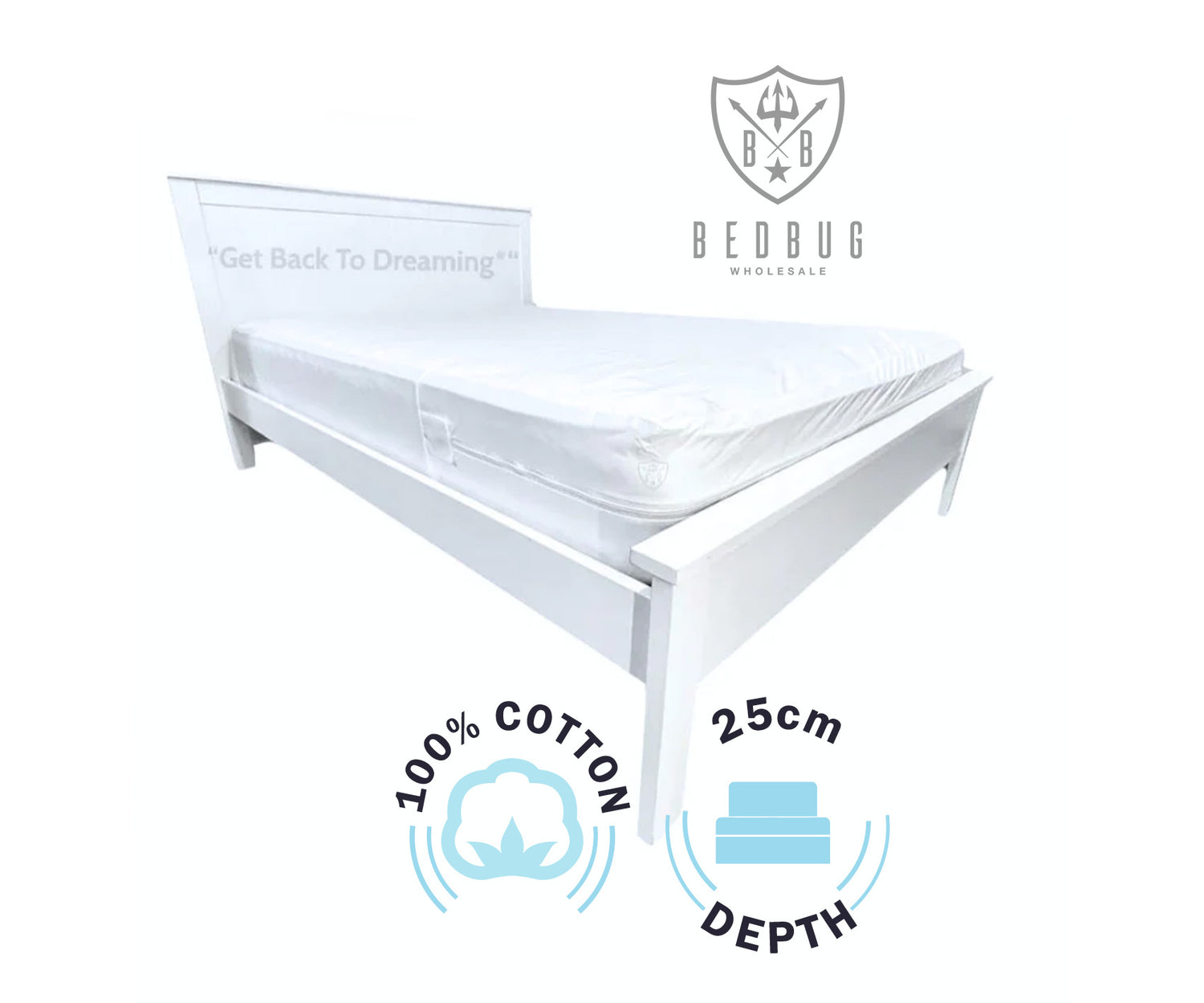
Common indoor irritants and allergens include dust mites, pet dander, pollen, and mould. Research by Arlian (1992) in Experimental and Applied Acarology established that dust mites need ambient humidity above approximately 65-70% to maintain their water balance, which helps explain why managing humidity, washing fabrics regularly, and using barrier covers on bedding are all common recommendations from allergy-aware sources.
If you live with sensitive skin, fabric choice is one practical comfort consideration alongside broader steps such as managing bedroom humidity, washing bedding regularly, and following any care plan recommended by your healthcare provider. For a fuller overview of indoor environment considerations, see our guide to reducing dust mites in the home.
Why bamboo is often chosen for sensitive skin
Bamboo viscose (sometimes called bamboo rayon) is a regenerated cellulose fibre made from bamboo plant material. The fabric is generally chosen for a few practical properties:
Soft surface against the skin
Bamboo viscose fabrics are typically smooth and soft to the touch, which many people find more comfortable than coarser fabrics — particularly for everyday wear, sleepwear, or items in close contact with the skin for long periods.
Breathability and moisture management
Bamboo viscose is generally breathable and moisture-wicking, which can help reduce overheating and the build-up of moisture against the skin. Some people who experience night-time itching or temperature-related discomfort find breathable fabrics more comfortable than less breathable alternatives. This is a comfort observation, not a clinical claim.
Sustainable production
Bamboo is fast-growing, requires relatively little water compared to cotton, and grows without pesticides. Production methods vary — some bamboo viscose is made using closed-loop processes that capture and reuse chemical solvents, while others use older, less sustainable methods. Look for OEKO-TEX certification or similar third-party verification when buying, which indicates the finished textile has been tested for a range of harmful substances.
What bamboo doesn't do
It's worth being honest about the limits. Bamboo fabric isn't antibacterial in finished form (despite older marketing claims that have since been largely retracted). It doesn't treat eczema or any other skin condition. And not all "bamboo" garments are equal — finishing processes, dyes, and additional treatments all affect how the final fabric feels and behaves. Read product details carefully and choose certified options where possible.
Mulberry silk for delicate-skin items like mittens
For items in very close, prolonged contact with delicate skin — such as mittens — 100% mulberry silk is sometimes chosen because of its very smooth surface and breathability.
Mittens made from soft fabric are sometimes used by parents of children with sensitive skin to make sleep more comfortable. Some parents find that a soft, breathable mitten helps reduce friction or scratching during sleep — though this is a practical comfort observation, not a medical recommendation. If your child has diagnosed eczema and you're considering whether to use mittens at night, this is best discussed with your paediatrician or dermatologist, who can advise on what's appropriate for your child's specific situation.
As with bamboo, the quality of silk varies. Look for 100% mulberry silk with appropriate certifications, and check care instructions before purchase — silk generally requires gentler care than bamboo viscose.
Wash and care tips for bamboo and silk
To keep bamboo and silk garments comfortable over time, gentle care is important.
Bamboo viscose
- Machine wash on a normal cycle, typically at 40°C, using a mild, fragrance-free detergent. Always check the specific care label, as some bamboo blends require different settings.
- Avoid bleach and fabric softeners, which can damage fibres.
- Turn garments inside out and use a wash bag to reduce snagging.
- Tumble dry on low heat where the care label allows, or air dry flat. Avoid hanging while wet, as bamboo viscose can stretch.
Mulberry silk
- Most silk garments are best hand-washed in cool water with a gentle detergent designed for silk or wool.
- Don't wring; press water out gently and dry flat away from direct sunlight.
- Always check the specific care label, as some silk blends or finishes require dry cleaning.
Bedding context
If you're considering bedding rather than clothing — bamboo sheets, for example — note that the broader research on dust mite reduction in bedding is most clearly supported for hot-water washing. Research by McDonald and Tovey (1992) in the Journal of Allergy and Clinical Immunology found that water temperatures of 55°C or above are effective for reducing dust mite populations in bedding fabrics. If you wash bamboo bedding at the lower temperatures the fabric care label allows, you may want to combine washing with other steps such as humidity control and barrier covers — see the comprehensive guide to reducing dust mites for more.
What fabric choice can and can't do
Fabric choice is genuinely one factor in everyday comfort for people with sensitive skin. A breathable, soft fabric is often more comfortable than a scratchy, heat-trapping one, and many people with sensitive skin or eczema find bamboo or silk more pleasant to wear.
What fabric choice cannot do:
- Treat eczema, dermatitis, or any other skin condition.
- Replace medical advice or prescribed care.
- Eliminate exposure to allergens — that requires a broader environmental approach.
If you have eczema or another skin condition, the most effective approach is typically a combination of medical care guided by your GP or dermatologist, environmental management at home, and lifestyle choices that suit you — including comfort considerations like fabric.
Frequently asked questions
Is bamboo fabric good for eczema?
Bamboo fabric is often chosen by people with sensitive skin and eczema for its softness and breathability — these are comfort properties rather than medical claims. Whether bamboo specifically suits you depends on individual sensitivities, the specific garment, and the broader management of your skin. If you have diagnosed eczema, fabric choice should be discussed alongside your usual care with your GP or dermatologist.
Is bamboo really hypoallergenic?
"Hypoallergenic" is a marketing term, not a regulated standard. Some people with sensitive skin find bamboo viscose more comfortable than other fabrics, but bamboo isn't certified as allergen-free, and individual responses vary. Look for OEKO-TEX certification, which indicates the textile has been tested for a range of harmful substances.
Can soft mittens help with night-time scratching?
Some parents find that soft, breathable mittens reduce the discomfort of scratching during sleep. This is a practical comfort observation, not a medical recommendation. If your child has diagnosed eczema, please discuss with your paediatrician or dermatologist whether mittens are appropriate for their care — they can advise on what's suitable for your child's specific situation.
How should I wash bamboo clothing?
Most bamboo viscose can be machine washed on a normal cycle, typically at 40°C, using a mild, fragrance-free detergent. Avoid bleach and fabric softeners. Turn garments inside out, use a wash bag to reduce snagging, and tumble dry on low heat or air dry flat. Always check the specific care label.
Does bamboo bedding help with dust mites?
Bamboo bedding is breathable and may help reduce moisture build-up, which could make conditions slightly less favourable for dust mites. However, the most research-supported step for reducing dust mites in bedding is hot-water washing at 55°C or above (McDonald and Tovey, 1992), which is hotter than most bamboo care labels allow. For dust mite management specifically, bamboo bedding works best alongside other steps like barrier covers, humidity control, and HEPA vacuuming.
Is bamboo fabric environmentally friendly?
Bamboo as a plant is fast-growing and requires relatively little water compared to cotton. The fabric production process varies — some manufacturers use closed-loop systems that capture and reuse chemical solvents, while older methods are less sustainable. Look for certifications such as OEKO-TEX, FSC, or similar third-party verification when sustainability matters to you.
Related guides
- What bedding works well if you have sensitive skin
- How to reduce dust mites in your home — comprehensive guide
- How to choose a hypoallergenic quilt
- Humidity, mould and dust mites
References
Peer-reviewed research
- Arlian LG. (1992). "Water balance and humidity requirements of house dust mites." Experimental and Applied Acarology, 16(1-2):15-35. PubMed
- McDonald LG, Tovey E. (1992). "The role of water temperature and laundry procedures in reducing house dust mite populations and allergen content of bedding." Journal of Allergy and Clinical Immunology, 90(4 Pt 1):599-608. PubMed
Medical body and patient information resources
- National Eczema Association — Eczema, Atopic Dermatitis and Allergies: What is the Connection? nationaleczema.org
- Australasian Society of Clinical Immunology and Allergy (ASCIA) — Eczema and Food Allergy Fast Facts. allergy.org.au
- Cleveland Clinic — Atopic Dermatitis: Symptoms, Causes & Treatment. clevelandclinic.org