Skip to content


Dust mites are commonly associated with indoor sensitivities in many Australian households. These microscopic organisms thrive in warm, humid bedding environments, including doonas. With the right products and care routines, you can help reduce dust mite build-up and create a cleaner sleep environment.
Here's how to set up your doona and bedroom for an allergy-aware sleep space.
Use a Dust Mite Doona Cover
One of the most practical ways to add a barrier between you and your doona is by using a dust mite doona cover, also called an anti-allergy quilt cover.
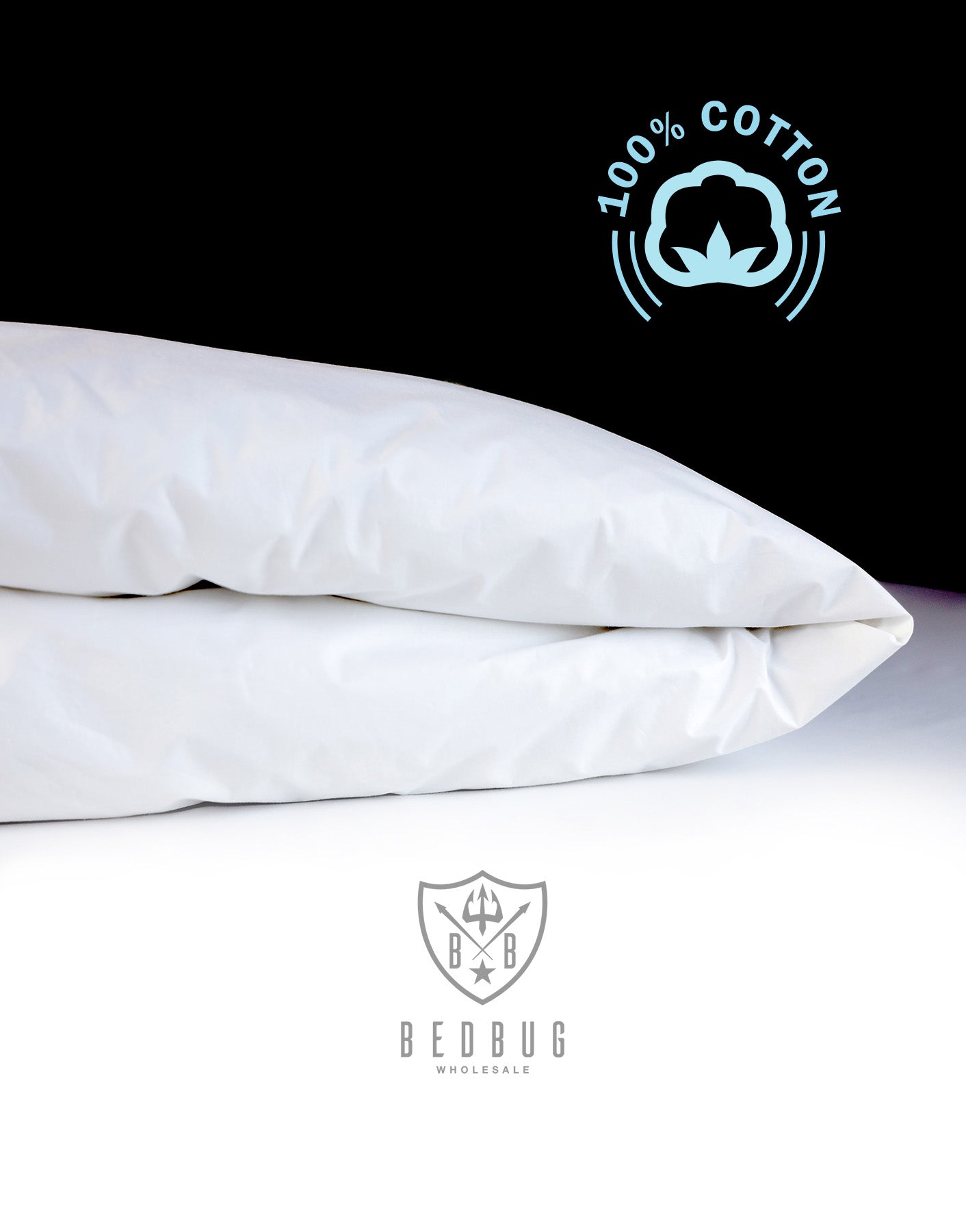
These covers use tightly woven fabrics or micron-pore membranes designed to help limit the movement of dust mite debris and other fine particles between the doona and the sleep surface.
Key features to look for
- Breathable materials such as cotton or bamboo
- Zippered closures for full doona coverage
- Breathable fabrics for sleep comfort
- OEKO-TEX certification for tested material safety
Tip: Buy a dust mite doona cover from an Australian retailer to ensure the right fit for local bedding sizes.
Wash Your Doona and Covers Regularly
Dust mites and their debris can build up deep within bedding fibres. Regular washing is an important part of bedroom care:
- Wash your doona cover and quilt protector every 1–2 weeks
- Wash the doona itself every 3–6 months, where care labels allow
- Hot water washing (60°C or above) is widely cited as effective for thorough cleaning of bedding fabrics
Tip: If your doona isn't machine washable, consider using a professional cleaning service that offers allergy-aware options.
Keep Your Bedroom Cool and Dry
Dust mites are associated with warm, humid environments. To make your bedroom less favourable for build-up:
- Keep indoor humidity below 50%
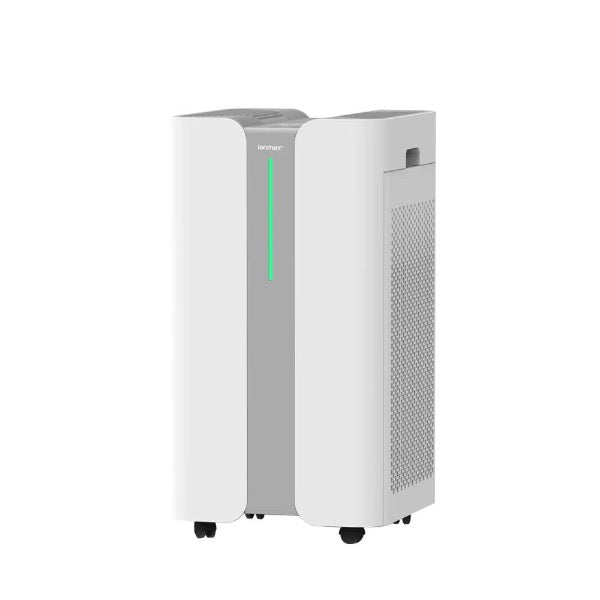
- Use a dehumidifier in damp climates or seasons
- Open windows during dry, sunny days for ventilation
- Avoid over-heating the bedroom during winter
Add Extra Layers of Protection
For more complete coverage, pair your doona cover with other dust mite bedding options:
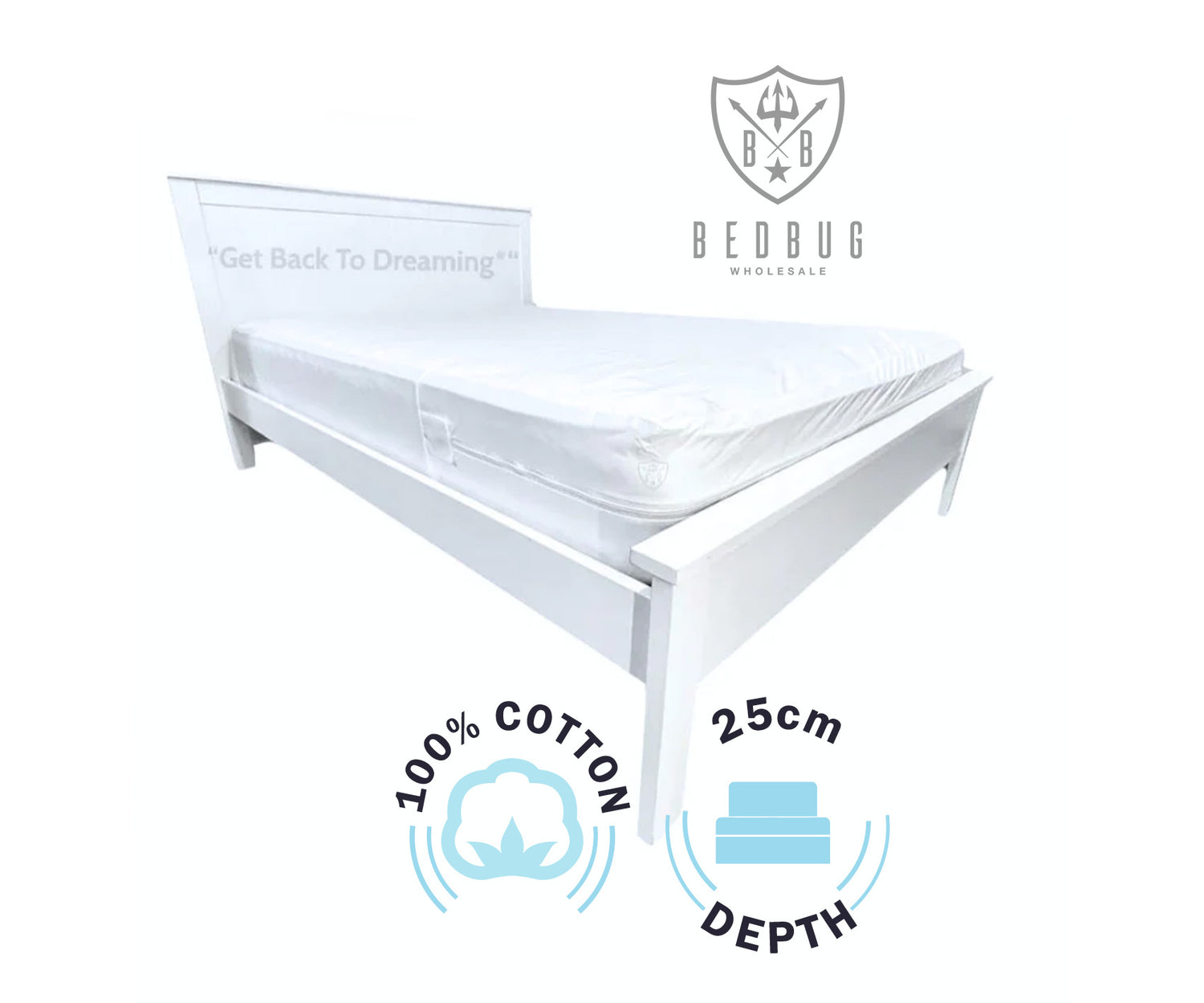
- Mattress protectors
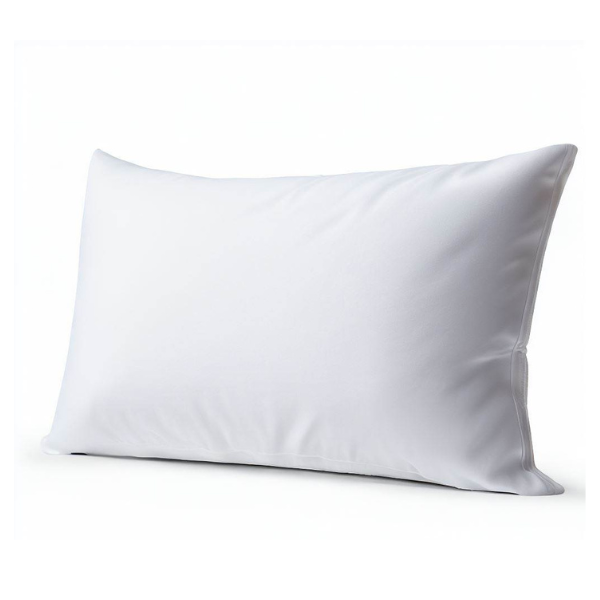
- Pillow protectors
- Allergy-aware sheets
Tip: These layers work together as a more complete barrier across the whole bed.
Choose Allergy-Aware Bedding
Where practical, consider quilts designed for allergy-aware households made from materials like bamboo, cotton, or specially treated microfibres. These materials are commonly chosen for their breathability and easier washability.
Reduce Dust Build-Up in the Bedroom
Less clutter means fewer surfaces for dust to settle on:
- Wash curtains and rugs regularly
- Where practical, choose hard flooring over carpet
- Where practical, keep pets out of the bedroom — pet dander adds to overall dust build-up
Final Thoughts: A Cleaner Doona for a Fresher Sleep Environment
Caring for your doona is one practical part of an allergy-aware bedroom routine. Start with a dust mite doona cover, keep your bedding clean, and maintain a fresh bedroom environment.
Want to explore allergy-aware bedding options? Browse our collection of dust mite bedding for fast Australian-wide shipping.
Frequently Asked Questions
What is the best way to protect a doona from dust mites?
Dust mite doona covers use tightly woven or membrane-lined fabrics designed to help limit the movement of fine particles between the doona and the sleep surface. Pairing this with regular washing of bedding in hot water (60°C or above, where care labels allow) is a commonly recommended part of allergy-aware bedroom care.
How often should I wash my doona?
Doona covers and quilt protectors are commonly washed every 1–2 weeks, while the doona itself is typically washed every 3–6 months. Hot water (60°C or above), where care labels allow, is widely cited as effective for thorough cleaning of bedding fabrics.
Are dust mite doona covers waterproof?
Some dust mite doona covers also include a waterproof layer, which can be useful for households needing protection against spills and moisture. Check individual product descriptions for waterproof features and certifications such as OEKO-TEX®.
Can dust mites live inside a doona?
Yes, dust mites can build up inside doonas, particularly in warm, humid conditions. This is why a dust mite barrier cover, regular washing, and humidity control are commonly recommended together.
What bedding materials are commonly chosen for allergy-aware households?
Materials like cotton, bamboo, and specially treated microfibres are often chosen for their breathability and easier washability at higher temperatures.
Does a mattress protector help alongside a doona cover?
Yes — pairing a dust mite doona cover with a mattress protector and pillow protectors creates a more complete barrier across the whole bed.
Are dust mites linked to allergy sensitivities?
Dust mite waste particles are commonly associated with indoor sensitivities in some individuals. According to the Better Health Channel, managing dust mite presence in homes is a common part of allergy-aware household care. If you have specific concerns, please speak with your GP or allergist.
Can I buy dust mite doona covers in Australia?
Yes — explore the range of allergy-aware bedding at Dust Mite Allergy Solutions Australia.